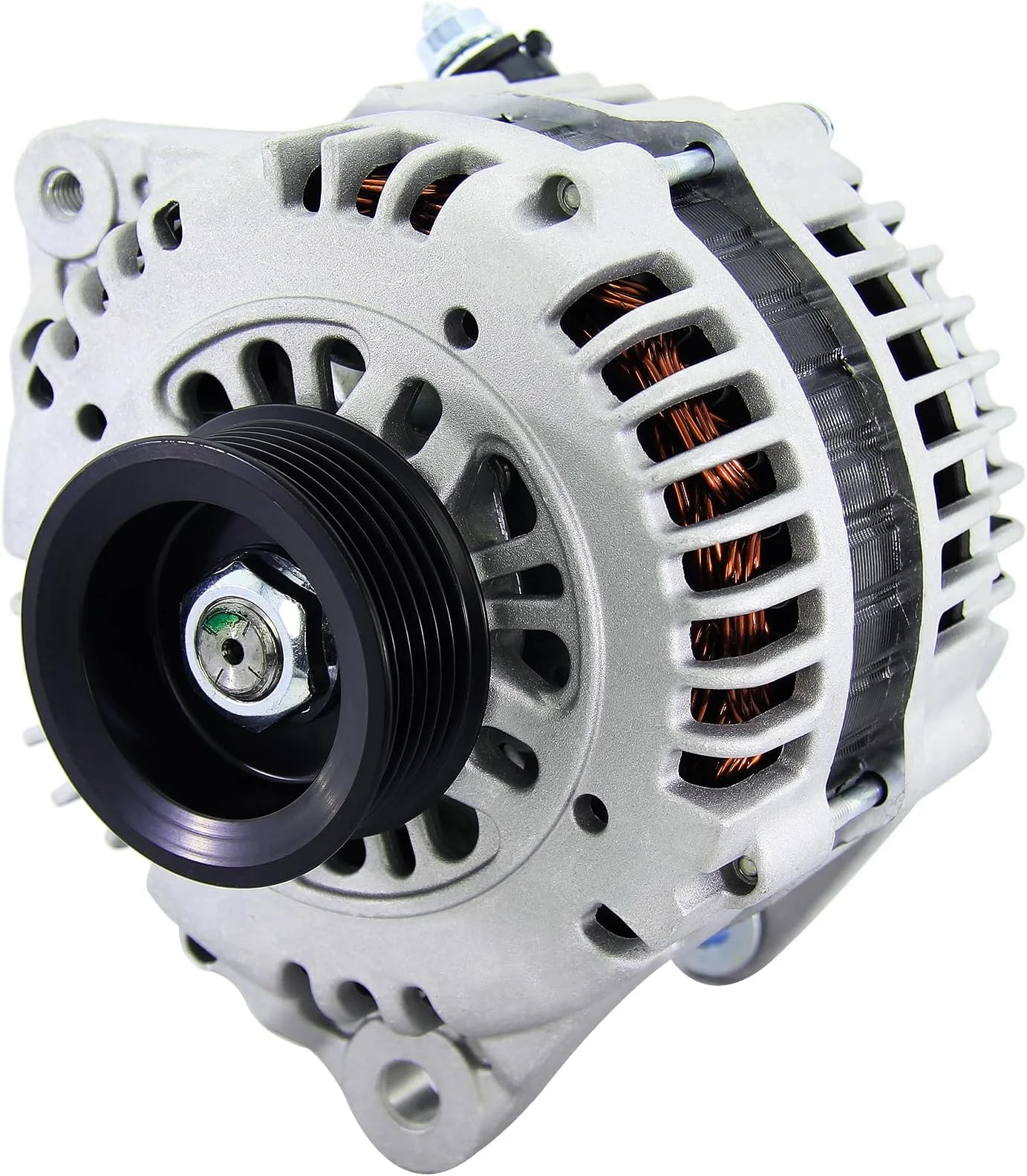
Nissan Maxima Alternator Replacement Cost: What to Expect
📋 Table of Contents
- 🎯 Key Takeaways
- Understanding the Nissan Maxima Alternator Replacement Cost Breakdown
- Key Factors Influencing Your Maxima Alternator Repair Bill
- DIY vs. Professional: Weighing Your Alternator Replacement Options
- Signs of a Failing Alternator and When to Act
- Conclusion
- 💬 Quick Questions & Answers
- ❓ Frequently Asked Questions
The average Nissan Maxima alternator replacement cost ranges from $400 to $700, varying based on parts quality, labor rates, and your vehicle’s year. Understanding these factors can help you budget and make informed decisions about your repair.
🎯 Key Takeaways
- Budget $400-$700 for a Nissan Maxima alternator replacement.
- DIY replacement can save significantly on labor costs.
- OEM parts offer reliability; aftermarket options save money.
- Recognize failing alternator symptoms to prevent breakdowns.
- Always get multiple quotes to ensure fair pricing.
Ever heard a faint whining sound under your hood, or noticed your dashboard lights flickering and dimming? These are often the first signs that your Nissan Maxima’s alternator might be failing. This critical component keeps your car’s electrical system powered and your battery charged. When it stops working, your car will eventually die, leaving you stranded.
Understanding the potential cost of an alternator replacement is crucial for any Maxima owner. It helps you prepare financially and make informed decisions about repairs. This blog post will break down the costs, explain what influences the final bill, and guide you through what to expect when your Nissan Maxima needs a new alternator. You’ll be ready to tackle this common repair with confidence.
Understanding the Nissan Maxima Alternator Replacement Cost Breakdown
When your Nissan Maxima’s alternator gives out, you’ll face two primary cost components: the alternator part itself and the labor required for installation. Knowing these helps you understand the total expense.
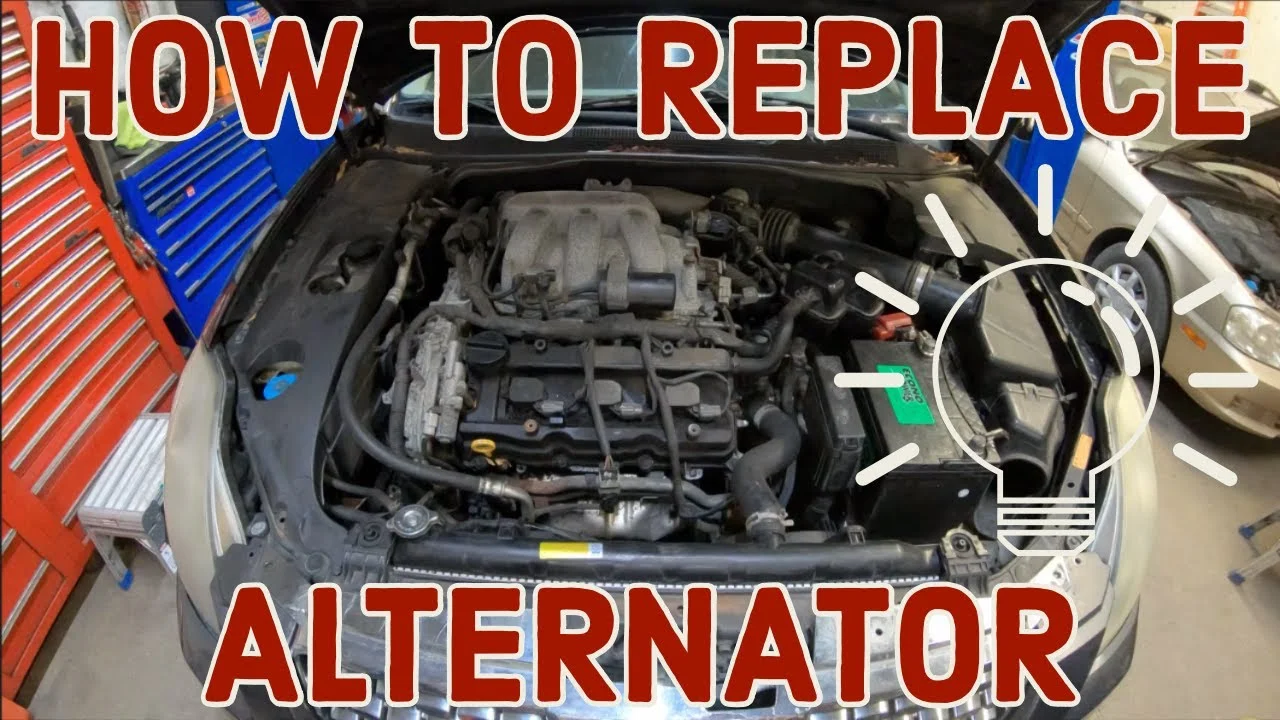
The Alternator Part Itself
The cost of the alternator part can vary significantly based on its type and where you purchase it. You generally have three options for your Nissan Maxima:
- Original Equipment Manufacturer (OEM): These are genuine Nissan parts, often offering the highest quality and best fit. They typically come with a good warranty. You can expect to pay anywhere from $300 to $550 for an OEM alternator. They provide peace of mind but come at a premium price.
- Aftermarket: Manufactured by third-party companies, these parts are designed to meet or exceed OEM specifications. Prices range from $150 to $350. Aftermarket alternators offer a good balance of cost and reliability. Always choose a reputable brand with a solid warranty.
- Remanufactured: These are original alternators that have been rebuilt with new worn-out components. They are the most budget-friendly option, often costing between $100 and $250. They are environmentally friendly, but their quality can vary depending on the rebuilder. Ensure it comes with a warranty to protect your investment.
Consider the warranty offered with each part. A longer warranty often indicates higher confidence in the product’s longevity, which is vital for such a crucial component in your Maxima.
Labor Costs: What Mechanics Charge
Labor is the other major part of your repair bill. Replacing an alternator in a Nissan Maxima usually takes between 1.5 to 3 hours. The actual time depends on the specific year of your Maxima and how easily accessible the alternator is for the mechanic. Some models require more components to be moved for access, increasing labor time.
- Hourly Shop Rates: These vary widely by region and the type of repair shop. Independent mechanics might charge anywhere from $80 to $120 per hour. Dealerships, on the other hand, typically have higher rates, often between $120 and $180 per hour.
For example, if your mechanic charges $100 per hour and the job takes 2 hours, your labor cost will be $200. Always ask for an itemized estimate that clearly separates parts and labor costs before any work begins on your Nissan Maxima.
Key Factors Influencing Your Maxima Alternator Repair Bill
Beyond the basic part and labor, several other elements can impact the final cost of your Nissan Maxima’s alternator replacement. Being aware of these can help you manage your budget and avoid surprises.
Where You Get the Work Done
The choice of repair shop significantly influences your total bill:
- Dealership Service Centers: Opting for a Nissan dealership often means higher labor rates and typically using OEM parts. While more expensive, you benefit from factory-trained technicians and specialized diagnostic tools. This can be a good choice if your Maxima is still under warranty or if you prefer genuine parts and expertise.
- Independent Mechanics: These shops often offer more competitive labor rates and might give you options for aftermarket or remanufactured alternators. They can be a great value, especially if you have a trusted local mechanic. Always check reviews and ask for references.
- DIY (Do-It-Yourself): If you have the right tools, mechanical experience, and enough time, replacing the alternator yourself can save you significant labor costs. However, it’s a moderately difficult job for some Maxima years, potentially requiring specialized tools or dealing with rusted bolts. Consider your skill level and the risks involved before attempting it.
Each option has its pros and cons regarding cost, convenience, and peace of mind. Choose the one that best fits your budget and comfort level.
Year and Model of Your Nissan Maxima
The specific year and generation of your Nissan Maxima can also play a role in the replacement cost. Newer models, especially those with more complex electronic systems or tighter engine bays, might require more intricate removal and installation procedures. This can translate into slightly longer labor times and, consequently, higher labor costs.
- Accessibility: In some Maxima models, the alternator is easily accessible from the top of the engine compartment. In others, components like intake manifolds or power steering pumps might need temporary removal, adding to the labor time.
- Part Availability: While alternators for most Maxima years are widely available, very old models might have slightly harder-to-find parts, potentially affecting prices if demand is low or supply is limited. Generally, the Maxima’s V6 engine means a fairly standard alternator, but always confirm the exact part number for your year.
Always provide your mechanic with the exact year, make, and model of your Nissan Maxima to ensure they quote you the most accurate price for both parts and labor.
DIY vs. Professional: Weighing Your Alternator Replacement Options
Once you understand the potential costs, the next big decision is whether to tackle the job yourself or hand it over to a professional mechanic. Both routes have distinct advantages and disadvantages when it comes to replacing your Nissan Maxima’s alternator.
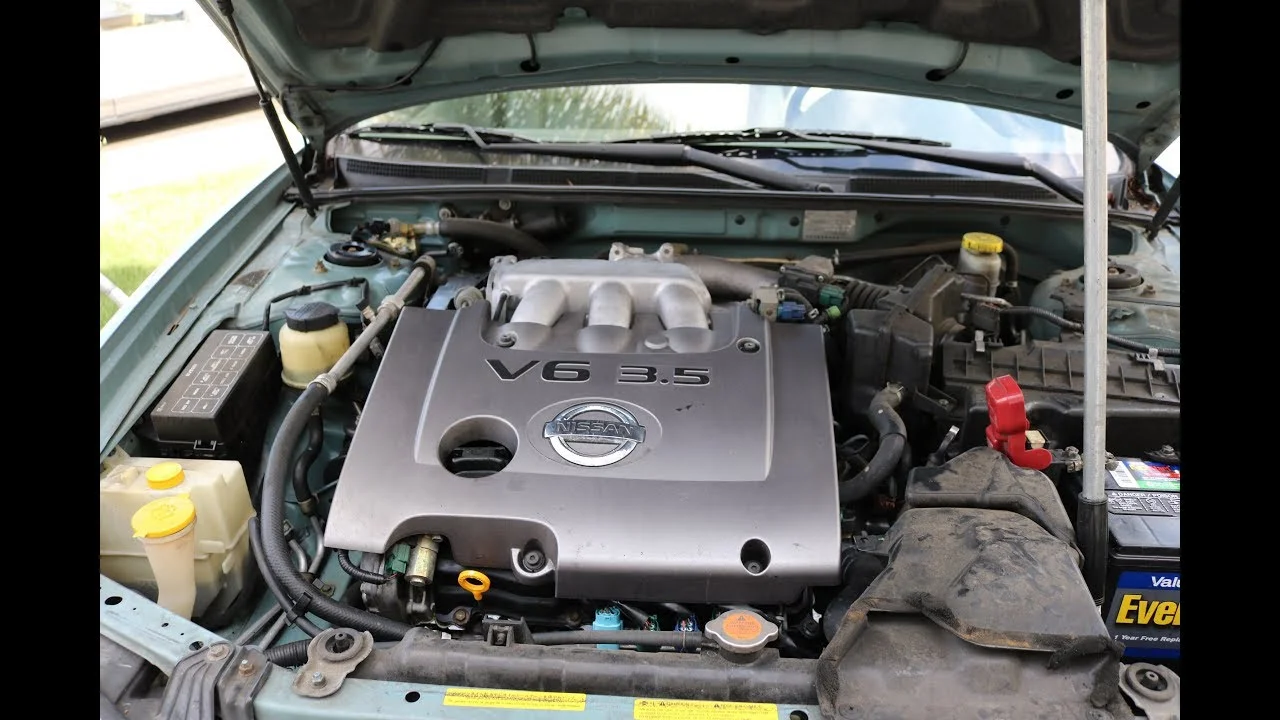
DIY Replacement: Pros and Cons
If you’re mechanically inclined and have the right tools, replacing your Maxima’s alternator yourself can save you a significant amount on labor costs. This is often the primary motivator for DIYers, as labor can account for 50-70% of the total bill.
Pros:
- Significant Cost Savings: You only pay for the part, saving hundreds on labor.
- Learning Experience: A great opportunity to learn more about your car.
- Control Over Part Choice: You can select the specific brand and type of alternator you prefer.
Cons:
- Requires Tools and Expertise: You’ll need wrenches, sockets, a serpentine belt tool, and basic automotive knowledge.
- Time-Consuming: For a first-timer, this job can take 3-6 hours, potentially more if you run into seized bolts or unexpected issues.
- Risk of Error: Incorrect installation can lead to further damage or a non-functional vehicle.
- No Warranty on Labor: If something goes wrong after your DIY fix, you’re on your own.
Consider watching a few YouTube tutorials specific to your Nissan Maxima year before committing to DIY. It will give you a realistic idea of the complexity involved.
Professional Service: When to Choose a Mechanic
For many Maxima owners, especially those with limited mechanical experience or time, professional installation is the more sensible option. While it costs more upfront, it often provides peace of mind and reliability.
Benefits of Professional Installation:
- Expertise and Efficiency: Experienced mechanics can typically replace an alternator in 1-3 hours, minimizing your vehicle’s downtime.
- Warranty Protection: Most reputable shops offer a warranty on both parts and labor, covering you if the new alternator fails prematurely.
- Proper Tools and Equipment: Mechanics have specialized tools that make the job easier and safer, reducing the risk of damage.
- Diagnostic Capability: A professional can accurately diagnose if the alternator is truly the problem or if another component (like the battery or wiring) is at fault.
- Convenience: Simply drop off your car and pick it up when it’s done, without getting your hands dirty.
It’s always a good idea to get quotes from at least two different mechanics to compare prices and ensure you’re getting a fair deal.
Signs of a Failing Alternator and When to Act
Knowing the common symptoms of a failing alternator can help you address the problem early, potentially saving you from being stranded and preventing further damage to your Nissan Maxima’s electrical system.
Common Warning Signs
The alternator is crucial for powering your car’s electrical components and recharging the battery while the engine is running. When it starts to fail, your Maxima will give you clear signals.
Look out for these tell-tale signs:
- Battery Warning Light: This is often the first and most obvious sign. A light shaped like a car battery (or displaying “ALT” or “GEN”) will illuminate on your dashboard. Don’t confuse this with a dead battery; it often means the alternator isn’t charging it.
- Dim or Flickering Headlights/Interior Lights: As the alternator struggles, it can’t provide consistent power, leading to weak or unstable lighting. You might notice this more at night or when multiple electrical accessories are on.
- Other Electrical Failures: Power windows might operate slowly, the radio could cut out, or the dashboard display might dim. Your Maxima’s sophisticated electronics are very sensitive to voltage fluctuations.
- Strange Noises: A failing alternator can sometimes produce growling, grinding, or whining sounds. This is often due to worn-out bearings within the alternator or a loose/worn serpentine belt.
- Frequent Stalling or Difficulty Starting: Without a properly charged battery (thanks to a failing alternator), your engine might struggle to turn over. If the car starts but quickly dies, the alternator isn’t sustaining power.
- Burning Smell: Overworking belts or electrical components due to an alternator issue can sometimes produce a burning rubber or electrical smell.
If you experience any of these symptoms, it’s crucial to get your alternator tested as soon as possible. Many auto parts stores offer free alternator and battery testing.
Don’t Delay: The Risks of a Dead Alternator
Ignoring the warning signs of a failing alternator is a risky gamble. When an alternator completely fails, your car will only run until the battery’s reserve power is depleted, which could be anywhere from a few minutes to an hour, depending on the battery’s condition and electrical load. You’ll then be stranded.
Beyond being stranded, delaying action can lead to:
- Dead Battery: Repeatedly draining your battery can shorten its lifespan, requiring an expensive replacement in addition to the alternator.
- Damage to Electrical Components: Inconsistent voltage from a failing alternator can stress or damage other sensitive electronic components in your Maxima, leading to more complex and costly repairs.
- Safety Hazards: Losing power to headlights, power steering, or braking systems while driving is a significant safety risk.
Acting quickly once you notice symptoms can save you from bigger headaches and more expensive repairs down the road.
Conclusion
Replacing your Nissan Maxima’s alternator is an essential repair that keeps your vehicle running reliably. Costs can vary significantly, from a few hundred dollars if you tackle it yourself with a refurbished part, to upwards of $800-$1000+ for a new OEM part installed by a dealership. Understanding the factors that influence these costs – part type, labor rates, and your choice between DIY and professional service – empowers you to make an informed decision.
Don’t ignore the warning signs of a failing alternator, as timely action can prevent being stranded and safeguard other critical components of your Maxima. Get an accurate diagnosis, compare quotes from different mechanics, or confidently tackle the repair yourself if you have the skills. By addressing this issue promptly, you’ll ensure your Nissan Maxima continues to provide you with reliable transportation for years to come.
💬 Quick Questions & Answers
What’s the average cost for a Nissan Maxima alternator replacement?
Expect to pay between $400 and $700, depending on parts, labor, and your vehicle’s year.
How long does it take to replace an alternator on a Maxima?
A professional mechanic typically takes 2-4 hours, while a DIY replacement might take longer.
Can I replace my Nissan Maxima alternator myself?
Yes, if you have mechanical experience and the right tools, it’s a moderately challenging DIY job.
What are common signs of a failing Maxima alternator?
Dimming lights, battery warning light, strange noises, and difficulty starting are common indicators.
Is it cheaper to use an aftermarket alternator?
Generally, yes. Aftermarket alternators are often more affordable than OEM parts, but quality can vary.
❓ Frequently Asked Questions
What specific factors contribute to the total Nissan Maxima alternator replacement cost?
The total cost is primarily split between the part itself (ranging from $200-$400 for a quality unit) and labor (typically $150-$300 for 2-4 hours of work). Regional labor rates, the specific year of your Maxima, and whether you choose OEM or aftermarket parts also significantly impact the final price.
Should I opt for an OEM or aftermarket alternator for my Maxima, and how does it affect cost?
OEM (Original Equipment Manufacturer) alternators guarantee exact fit and performance, often coming with a higher price tag and longer warranty. Aftermarket options are more budget-friendly but can vary in quality and warranty, so choose reputable brands for reliability.
What are the common causes of alternator failure in a Nissan Maxima?
Alternators often fail due to worn out bearings, rectifier diodes, or brushes from continuous use and heat exposure. Excessive electrical load, fluid leaks, or simply old age can also accelerate wear and tear, leading to eventual failure.
How can I accurately diagnose a failing alternator versus a bad battery in my Nissan Maxima?
A simple voltage test across the battery terminals while the engine is running is crucial; a healthy alternator should show 13.5-14.5 volts. If the voltage drops below this range, especially with electrical accessories on, your alternator is likely the culprit, not just the battery.
What are the potential consequences of delaying a Nissan Maxima alternator replacement?
Delaying replacement can lead to your battery completely draining, causing your vehicle to stall unexpectedly and leave you stranded. Continued driving on a failing alternator can also damage other electrical components, potentially leading to more expensive repairs down the line.
Are there any tips to reduce the overall cost of a Nissan Maxima alternator replacement?
To save money, consider getting multiple quotes from independent mechanics, as dealership labor rates are often higher. You can also purchase a quality aftermarket alternator yourself and just pay for installation, or if skilled, tackle the replacement as a DIY project to eliminate labor costs entirely.