2014 Ford Escape Turbo Replacement Cost: What to Expect
📋 Table of Contents
The average cost to replace a turbocharger in a 2014 Ford Escape ranges from $1,500 to $3,000, largely depending on parts and labor rates. This includes the turbo unit, gaskets, and fluids. Understanding these costs helps prepare for this significant repair.
🎯 Key Takeaways
- Takeaway 1:Get multiple quotes from certified mechanics.
- Takeaway 2:Parts cost $800-$1800; labor adds $500-$1200.
- Takeaway 3:Aftermarket turbos can save money, but verify quality.
- Takeaway 4:Consider related repairs like oil lines or intercooler.
- Takeaway 5:Prevent future issues with regular oil changes.
Is your 2014 Ford Escape losing power or making strange noises? That might be a sign of a failing turbocharger. This vital component supercharges your engine, giving it extra oomph and better fuel economy. When it fails, your car’s performance takes a big hit.
Understanding the cost of a turbo replacement can be daunting. It’s a significant repair, and prices vary widely. This guide will help you navigate the potential expenses. You will learn what to expect, from parts to labor, so you can make informed decisions. Knowing these details can save you stress and money in the long run.
Understanding 2014 Ford Escape Turbo Replacement Costs
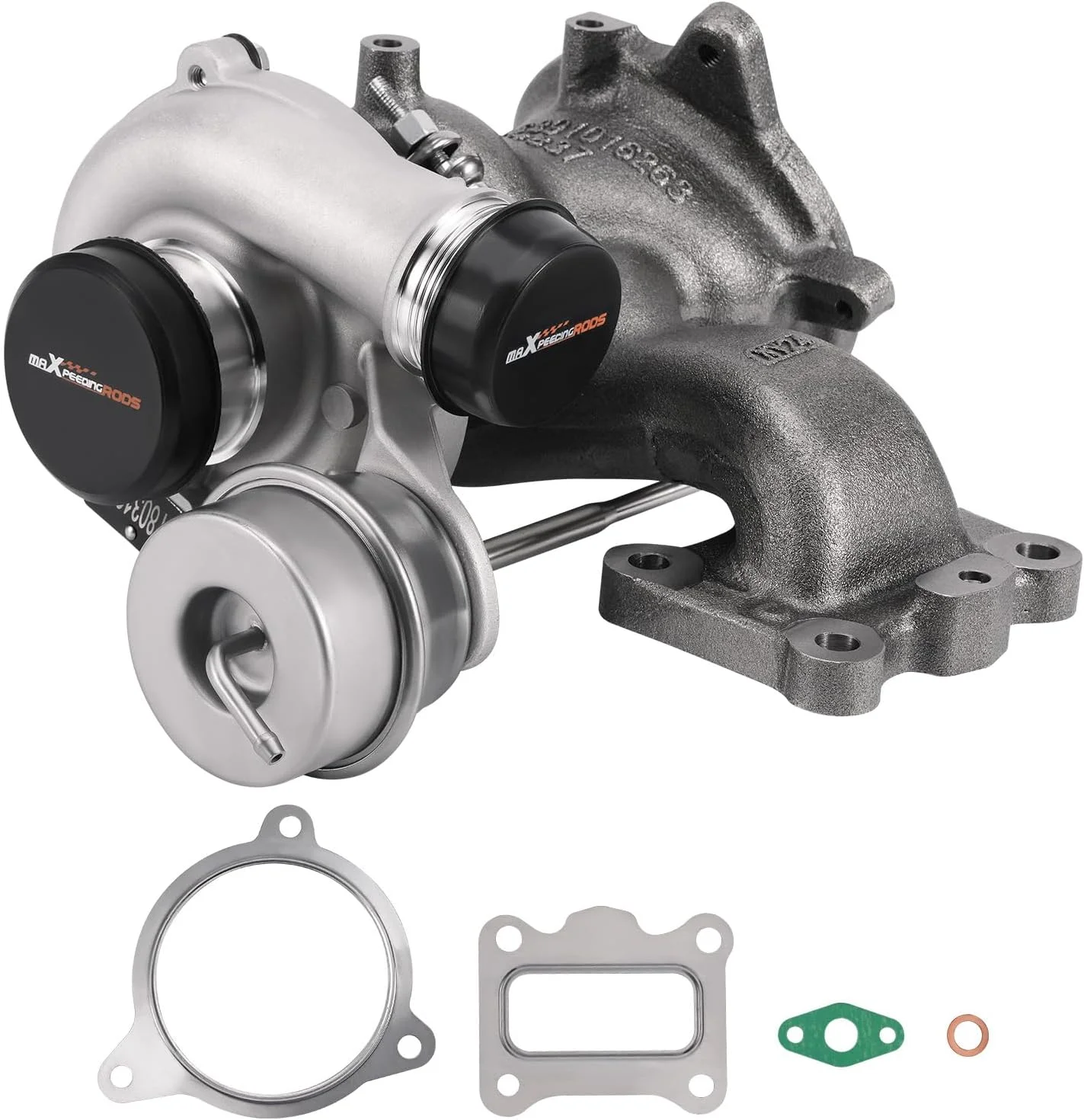
A turbocharger is a powerful device. It uses exhaust gases to spin a turbine at incredible speeds. This turbine then forces more air into your engine’s cylinders. More air means a more potent combustion, leading to significantly increased power and often better fuel efficiency. When your 2014 Ford Escape’s turbo begins to fail, you will likely notice several tell-tale signs immediately. Your car might feel sluggish, lacking its usual acceleration. You might also hear unusual whining or whistling noises coming from the engine bay. Seeing blue-gray smoke from the exhaust is another common symptom. Ignoring these early warning signs can lead to more severe engine damage and even higher repair costs. Early detection and prompt repair can protect your engine and save you money in the long term.

What a Turbocharger Does for Your Escape
Think of your turbo as an athletic trainer for your engine. It takes a smaller engine, such as the 1.6L or 2.0L EcoBoost found in your Escape, and makes it perform with the strength and output of a much larger engine. This ingenious engineering helps your compact SUV accelerate quickly off the line. It also allows it to maintain highway speeds and conquer steep inclines without feeling strained. A properly functioning turbo ensures your Escape runs at its peak performance, delivering the responsive power and fuel economy you expect. When this critical component isn’t working correctly, your vehicle’s entire driving character changes, becoming slow and inefficient. It compromises both safety and your overall driving enjoyment.
General Cost Range for Replacement
Replacing a turbocharger is undeniably a substantial repair, not a minor fix. You are looking at a considerable investment for your 2014 Ford Escape. The overall cost typically ranges from $1,200 on the lower end to well over $3,000 for more complex situations or premium parts. This broad range accounts for both the price of the replacement turbo unit and the labor required for installation. The turbo unit itself can be quite expensive, being a precision-engineered component. Labor costs also contribute significantly to the total. This is because the replacement process can be complex and time-consuming, often requiring several hours of skilled mechanic work. Some repairs might even exceed the typical high end of this range, especially if additional components have been damaged or need replacing simultaneously. Always insist on receiving a detailed, itemized quote before any work commences on your vehicle. This will ensure transparency and prevent unexpected charges.
Factors Influencing Turbo Replacement Price
Many specific variables can significantly impact the final price of your 2014 Ford Escape turbo replacement. It is crucial to understand that this is not a one-size-fits-all repair, and costs can fluctuate widely based on your choices. Knowing these influencing factors will empower you to better understand any quotes you receive. It also allows you to engage in a more informed discussion with your mechanic about the available options. From the specific type of replacement parts you choose to the particular shop where you get the work done, almost every decision can have a direct financial impact. Let’s meticulously break down the key elements that contribute to the overall cost. This will help you manage your budget effectively and set realistic expectations for the repair process.
Parts vs. Labor Breakdown
The total cost for a turbocharger replacement job fundamentally splits into two major categories: the cost of the parts themselves and the cost of the labor to install them. The turbocharger unit itself is almost always the single most expensive component of the repair. For your 2014 Ford Escape, a brand-new turbo can typically range anywhere from $500 to $1,500 or more. This price can vary substantially based on the manufacturer (OEM vs. aftermarket) and the specific model. Labor costs also represent a very significant portion of the total bill. Replacing a turbo is not a quick or simple task. It often requires removing several other engine components to access the turbocharger. Mechanics generally charge for 6 to 10 hours of work, sometimes even more for older, seized components or unexpected complications. At typical shop rates of $100 to $150 per hour, labor can easily add another $600 to $1,500 to your overall expense. Always insist on receiving a clear, itemized breakdown of these costs from your chosen repair facility.
OEM vs. Aftermarket Parts & Mechanic Choice
Your strategic choice of replacement parts will directly and significantly influence the overall price. OEM (Original Equipment Manufacturer) parts are sourced directly from Ford. They guarantee a perfect fit, optimal performance, and the highest quality standards. However, they are almost always the most expensive option. Aftermarket turbos are manufactured by third-party companies. These are generally more affordable, often saving you several hundred dollars compared to OEM alternatives. But their quality can vary widely, so thorough research into reputable aftermarket brands is absolutely critical. Choosing a cheap, low-quality aftermarket part might save money initially but could lead to premature failure. Your choice of mechanic also plays a vital role. Ford dealerships typically have higher labor rates and primarily use genuine OEM parts. They offer specialized technicians and warranties. Independent repair shops often charge less per hour. They might also be more flexible regarding installing aftermarket parts. You could potentially save a substantial amount by choosing a trusted independent shop with good reviews. Always get detailed quotes from at least two or three different places to compare prices and ensure you are getting fair value and quality service.
Symptoms of a Failing Turbo and When to Replace It
Understanding the warning signs of a failing turbocharger can save you from more extensive and costly engine damage. Catching these symptoms early is crucial for timely intervention.
Common Warning Signs
A turbocharger doesn’t usually fail without giving some notice. Keep an eye (and ear) out for these common indicators:
- Loss of Power: If your Escape feels sluggish, struggles to accelerate, or lacks its usual responsiveness, especially at higher RPMs, it could be a sign your turbo isn’t boosting correctly.
- Whining or Siren-Like Noise: A distinct, high-pitched whining sound that gets louder as you accelerate often points to issues with the turbo’s bearings or compressor wheel. It might sound like a dental drill or a police siren.
- Excessive Smoke from the Exhaust: Blue-gray smoke indicates burning oil, which can happen if the turbo’s seals are failing and leaking oil into the exhaust system. Black smoke might suggest the turbo isn’t properly compressing air, leading to incomplete fuel combustion.
- Check Engine Light: Your 2014 Ford Escape’s onboard diagnostics (OBD-II) system will often trigger a check engine light and store trouble codes related to boost pressure or turbocharger performance if a problem is detected.
- Oil Leaks: Visible oil leaks around the turbocharger housing or connecting pipes can signify failing seals.
Don’t Delay: Why Timely Replacement Matters
Ignoring turbocharger symptoms is a gamble with high stakes. Continuing to drive with a failing turbo can lead to several severe consequences:
- Catastrophic Engine Damage: A completely failed turbo can send metal fragments into your engine, causing irreparable damage to cylinders, pistons, and valves. This turns a turbo replacement into an entire engine overhaul or replacement.
- Reduced Fuel Economy: An inefficient turbo can lead your engine to work harder, burning more fuel than necessary.
- Increased Emissions: Incomplete combustion or burning oil contributes to higher harmful emissions.
- Stranded on the Road: A turbo can fail completely without much warning, leaving you broken down and facing towing costs in addition to the repair.
If you notice any of these signs, it’s best to have your Escape inspected by a qualified mechanic as soon as possible. Early diagnosis can prevent a small issue from becoming a monumental expense.
DIY vs. Professional Replacement and Cost-Saving Tips
When faced with a turbo replacement, you might wonder if you can tackle it yourself. Let’s break down your options and look at ways to manage the cost.
When to Consider DIY (and When Not To)
A turbocharger replacement is not a job for the average home mechanic. Here’s why:
- Complexity: The turbo is integrated into the exhaust and intake systems, often requiring removal of many components (e.g., catalytic converter, downpipe, heat shields) just to access it.
- Specialized Tools: You’ll likely need specific torque wrenches, diagnostic scanners, and potentially specialized removal tools.
- Precision: Proper installation, torque settings, and attention to oil and coolant lines are critical. Mistakes can lead to immediate failure of the new turbo or even damage to other engine components.
- Risk of Further Damage: Improper installation can cause oil starvation to the new turbo, leading to premature failure, or introduce debris into the engine.
Unless you are an experienced automotive technician with specific knowledge of Ford’s EcoBoost engines, it’s strongly recommended to opt for professional installation. The potential savings from DIY are often outweighed by the risks of costly mistakes.
Smart Ways to Reduce Professional Repair Costs
While professional installation is often necessary, you can still be a smart consumer to potentially lower your overall bill:
- Get Multiple Quotes: Don’t settle for the first estimate. Contact at least 2-3 reputable shops, including independent mechanics and Ford dealerships. Compare not just the total price, but also labor rates, parts cost, and warranty coverage.
- Inquire About Aftermarket Parts: Ask your mechanic if they offer high-quality aftermarket turbochargers. These can often be significantly cheaper than OEM (Original Equipment Manufacturer) parts while still offering excellent performance and reliability. Ensure any aftermarket part comes with a good warranty.
- Consider Rebuilt or Remanufactured Turbos: Some shops offer rebuilt or remanufactured turbos, which are often more affordable than new units. These are typically professionally restored to original specifications and come with a warranty.
- Ask About Labor Rates: Labor is a significant portion of the cost. Independent shops often have lower hourly rates than dealerships.
- Check for Warranties: Ensure both the parts and the labor come with a solid warranty. This provides peace of mind in case of future issues.
Being proactive and asking the right questions can make a notable difference in the final cost of your 2014 Ford Escape’s turbo replacement.
Conclusion
A turbocharger replacement for your 2014 Ford Escape is a significant repair, with costs typically ranging from $1,500 to $3,500+, largely dependent on labor rates and your choice of new, aftermarket, or remanufactured parts. Recognizing symptoms early like power loss or strange noises is vital to prevent more severe engine damage.
While the cost may seem daunting, timely and professional repair is an investment in your vehicle’s longevity and performance. Don’t delay diagnosis if you suspect an issue. Get multiple quotes, discuss part options, and choose a trusted mechanic. Address the problem promptly to keep your Escape running efficiently for years to come!
💬 Quick Questions & Answers
What is the average labor cost for turbo replacement?
Labor typically ranges from $500 to $1200, depending on hourly rates and geographical location.
How much does a new turbocharger unit cost for a 2014 Escape?
A new turbo unit itself can cost between $800 and $1800 for the 2014 Ford Escape.
Can I drive my 2014 Escape with a bad turbo?
It is not recommended to drive with a bad turbo as it can cause further engine damage and reduce performance.
Are aftermarket turbos reliable for the 2014 Escape?
Some aftermarket turbos are reliable, but always research brands and ensure compatibility and warranty.
What causes a turbo to fail in a 2014 Ford Escape?
Common causes include lack of oil lubrication, foreign object ingestion, and excessive heat buildup.
❓ Frequently Asked Questions
What are the primary components contributing to the overall 2014 Ford Escape turbo replacement cost?
The cost primarily includes the new turbocharger unit itself, which can range widely based on OEM vs. aftermarket, plus labor for installation. Additionally, you’ll pay for associated parts like gaskets, oil lines, new oil, and potentially an oil filter.
How can I distinguish between an OEM and an aftermarket turbocharger for my 2014 Ford Escape, and what are the cost implications?
OEM (Original Equipment Manufacturer) turbos are identical to the part originally installed, typically costing more but offering guaranteed fit and performance. Aftermarket options are produced by other manufacturers, often more affordable, but quality can vary, requiring careful research.
Besides the turbo unit, what other parts might need replacement during the service, adding to the total cost?
It’s common to replace oil supply and return lines, associated gaskets, and potentially the intercooler if contaminated by debris from the failing turbo. A full oil change and new oil filter are also essential to prevent immediate failure of the new unit.
What are the common symptoms that indicate my 2014 Ford Escape’s turbocharger is failing and needs replacement?
Signs include a noticeable loss of engine power, unusual whining or grinding noises from under the hood, excessive exhaust smoke (especially blue or grey), and the illumination of the “check engine” light. Oil leaks around the turbo housing are also a strong indicator.
What is the typical labor time required for a 2014 Ford Escape turbo replacement, and how does this affect the overall cost?
Labor time usually ranges from 5 to 10 hours, depending on the mechanic’s experience and the vehicle’s condition, with some jobs taking longer. At an average shop rate of $100-$150 per hour, labor costs can significantly impact the total repair bill.
Are there any preventative measures I can take to extend the life of my 2014 Ford Escape’s turbocharger and avoid early replacement?
Regular and timely oil changes using the manufacturer-recommended oil are crucial for turbo longevity, as oil lubricates and cools the turbo bearings. Avoiding sudden engine shutdowns after hard driving, which allows the turbo to cool down, also helps prevent premature wear.