
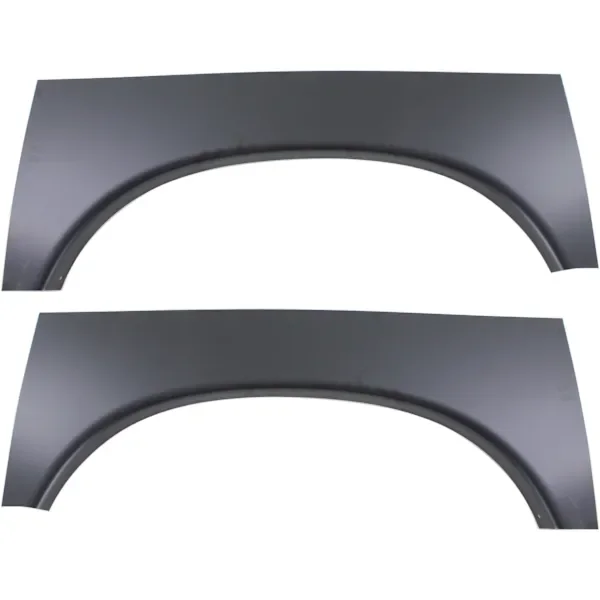
Wheel Arch Panel Replacement Cost: A Comprehensive Guide
📋 Table of Contents
- 🎯 Key Takeaways
- Factors Influencing Wheel Arch Panel Replacement Costs
- Breakdown of Parts, Labor, and Painting Expenses
- OEM vs. Aftermarket Wheel Arch Panels: What’s the Difference in Cost?
- Smart Strategies to Reduce Your Wheel Arch Repair Bill
- Conclusion
- 💬 Quick Questions & Answers
- ❓ Frequently Asked Questions
The cost of wheel arch panel replacement varies significantly, typically ranging from $300 to over $1,000 per panel depending on vehicle make, damage extent, and part type. Labor and paint are major cost drivers, often adding hundreds to the total repair bill.
🎯 Key Takeaways
- Get multiple repair quotes for best value.
- OEM parts generally increase total cost.
- Labor and paint are significant expenses.
- Consider minor rust repair vs. replacement.
- DIY saves labor, but requires skill.
Have you noticed a bit of rust or a dent above your car’s wheels? That’s your wheel arch panel, and it’s far more than just a cosmetic part. It plays a critical role in protecting your vehicle’s underside from flying debris, water, and corrosive road salt. Ignoring damage here can quickly lead to much bigger, and much more expensive, problems down the road for your car.
A damaged wheel arch panel doesn’t just look bad; it exposes vital components to the elements. This accelerates rust and can even cause structural issues over time. Addressing this damage promptly saves you money and maintains your car’s safety and resale value. You’re likely wondering about the replacement cost, and this guide will break down everything you need to know.
Factors Influencing Wheel Arch Panel Replacement Costs
When you’re facing a wheel arch panel replacement, you’ll quickly discover that there isn’t a single, fixed price. Many variables contribute to the overall cost. Understanding these factors will help you prepare your budget and ask the right questions at the repair shop. Your car’s make and model, the severity of the damage, and even your location can all play a significant role in the final bill.
Vehicle Make, Model, and Year
The type of car you drive is perhaps the biggest cost determinant. Replacing a wheel arch panel on a luxury vehicle or a rare classic car will almost always be more expensive. This is because parts for premium brands like BMW, Mercedes-Benz, or Audi are typically pricier and sometimes harder to source. Older or unique models might require custom fabrication, driving up both material and labor costs. Always get a quote specific to your vehicle’s exact specifications.
For instance, a Honda Civic panel might cost $50-$150, while a Mercedes C-Class panel could easily be $200-$400 or more just for the part. Always check if aftermarket parts are available for your model; they can sometimes offer significant savings over OEM (Original Equipment Manufacturer) parts, though quality can vary.
Severity and Location of Damage
The extent of the damage is another critical factor. A small dent or minor surface rust will naturally be less costly to repair than extensive corrosion that has eaten through the metal. Significant impact damage that has warped the panel is also more complex. If the damage extends beyond the wheel arch to the inner fender or rocker panel, the repair becomes much more involved and expensive. Location also matters; some panels are welded, requiring more intensive labor than bolt-on replacements.
A minor rust spot on a bolt-on arch flare might just need sanding and painting. However, if rust has perforated the structural metal behind the arch, the repair could involve cutting out and welding in new metal. This is a more time-consuming and skilled job. Look out for these types of damage:
- Minor surface rust (sanding and painting)
- Small dents or dings (minor bodywork)
- Significant rust perforation (cutting, welding, panel replacement)
- Impact damage (may involve multiple panels)
Breakdown of Parts, Labor, and Painting Expenses
To fully understand the total cost, it’s helpful to break down the estimate into its core components: the parts themselves, the labor involved in installation, and the crucial step of painting. Understanding these helps you compare quotes effectively, as they are often listed separately on an itemized estimate.
Cost of the Replacement Panel
The wheel arch panel itself is the first major cost, with prices varying widely based on whether you choose OEM, aftermarket, or used parts.
- OEM (Original Equipment Manufacturer) parts: These are identical to factory parts, offering guaranteed fit and quality. They are typically the most expensive, costing $50 to $400+ for a new panel.
- Aftermarket parts: Produced by third-party manufacturers, these can be significantly cheaper ($30 to $200). Quality varies, so research reputable brands or ask your mechanic for recommendations.
- Used or salvaged parts: From junkyards, these are the cheapest ($20 to $100). However, you risk hidden damage or extra prep work.
Always discuss part options with your repair shop. A good shop will explain the pros and cons of each choice for your specific situation.
Labor and Painting Expenses
Labor is often the largest portion of the repair bill. The job’s complexity dictates the hours required; a simple bolt-on flare replacement might take 1-2 hours, while welding a new full quarter panel section could take 4-8 hours or more. Body shop labor rates typically range from $75 to $150 per hour, varying by region and shop expertise.
Painting is also a significant expense, involving meticulous preparation (sanding, priming), precise color matching, multiple coats, and clear coat application. Proper painting ensures the new panel blends seamlessly and protects against future rust. Expect painting costs to be between $150 and $400 for a single panel, depending on paint type and color complexity.
For example, a typical rusted rear wheel arch repair might involve an $80 aftermarket panel, $400 for 4 hours of labor ($100/hour), and $250 for painting, totaling roughly $730. Remember, these are estimates; actual costs vary significantly. Always get detailed quotes from multiple reputable body shops.
OEM vs. Aftermarket Wheel Arch Panels: What’s the Difference in Cost?
When you’re looking to replace a wheel arch panel, one of the biggest decisions that impacts cost is whether to go with an Original Equipment Manufacturer (OEM) part or an aftermarket alternative. Each has its pros and cons, especially when it comes to your wallet and the final look of your vehicle.
Understanding OEM Parts and Their Pricing
OEM parts are identical to the components originally installed on your car when it was manufactured. They come directly from the vehicle’s maker or a supplier authorized by them. This means guaranteed fit, finish, and quality that matches your car’s factory specifications. For instance, an OEM wheel arch for a 2018 Honda Civic will be exactly the same as the one it came with. The downside? Their premium quality often comes with a premium price tag. An OEM panel might cost anywhere from $150 to $500 or more for the part alone, depending on your vehicle’s make and model. This higher cost reflects the manufacturer’s warranty, precise fit, and often, better corrosion resistance and durability compared to some cheaper alternatives.
Aftermarket Options: Cost Savings vs. Potential Compromises
Aftermarket wheel arch panels are produced by third-party manufacturers, not directly by your car’s original maker. These parts are designed to fit your vehicle, but they aren’t always exact replicas. They typically offer significant cost savings, with panels potentially ranging from $50 to $250. However, the quality can vary wildly. Some aftermarket brands offer excellent value with good fitment and material quality, while others might require more bodywork (shaping, sanding) to fit correctly, increasing labor costs. For example, a budget aftermarket arch for a Ford F-150 might save you $200 on the part, but if it doesn’t align perfectly, your body shop might charge extra hours to make it look right. It’s crucial to research reputable aftermarket brands or ask your repair shop for their recommendations to balance cost savings with quality.
Smart Strategies to Reduce Your Wheel Arch Repair Bill
Nobody wants an unexpected repair bill, but with a little strategic planning, you can often trim down the cost of a wheel arch panel replacement without sacrificing quality. Here are some actionable steps you can take:
Get Multiple Quotes from Reputable Shops
This is perhaps the most effective way to ensure you’re getting a fair price. Don’t settle for the first quote you receive. Different body shops have varying labor rates, supplier relationships, and overheads, which can lead to significant price differences for the same job. Consider visiting at least three different shops for estimates. Make sure each quote is detailed, itemizing parts, labor hours, paint, and any additional materials. For example, one shop might quote you $700, while another, equally reputable, might come in at $550 for the exact same repair on your Toyota Corolla’s rusted arch.
Consider Used or Refurbished Parts for Certain Scenarios
For some vehicles, especially older models or those with common damage, sourcing a used or refurbished wheel arch panel can be a smart move. Salvage yards and specialized used auto parts suppliers often have panels in good condition, sometimes even in the correct color, which can drastically reduce material costs. Always inspect used parts thoroughly for hidden damage, rust, or previous repairs before purchasing. A used wheel arch for a popular model like a Chevrolet Silverado could be found for as little as $75-$150, a fraction of the cost of a new OEM part, potentially saving you hundreds if it’s in good shape.
Here’s how to approach it:
- Assess the Damage: Determine if your damage is purely cosmetic or structural. Used parts are better suited for non-structural, cosmetic replacements.
- Research Part Availability: Check online salvage databases (like Car-Part.com) or call local junkyards.
- Verify Quality: If you find a potential used part, inspect it in person or ask for detailed photos. Look for straightness, absence of rust, and matching paint codes if you’re lucky.
- Consult Your Shop: Ask your chosen body shop if they are willing to work with customer-supplied used parts and if they can assist in verifying its suitability.
Conclusion
Replacing a wheel arch panel can seem daunting, but by understanding the factors at play, you can approach the repair with confidence. We’ve explored how damage severity, vehicle type, labor costs, and your choice between OEM and aftermarket parts all contribute to the final bill. Remember that an average repair can range from $300 to over $1,000, with variations based on complexity and location.
To navigate this process effectively, always get multiple, detailed quotes from reputable shops. Don’t be afraid to ask questions about parts, labor, and paint matching. With a little research and a proactive approach, you can protect your vehicle’s appearance and structural integrity without breaking the bank. Get those quotes, make informed decisions, and get your ride looking sharp again!
💬 Quick Questions & Answers
What’s the average cost for wheel arch panel replacement?
The average cost typically ranges from $300 to $1,000 per panel, varying by vehicle and repair complexity.
Do OEM panels cost more than aftermarket ones?
Yes, OEM (Original Equipment Manufacturer) panels are generally more expensive than aftermarket options.
Is painting the new panel included in the replacement cost?
Painting is often a separate line item or an additional charge, as it requires specific matching and application.
Can I replace a wheel arch panel myself to save money?
While possible for skilled DIYers with minor damage, professional replacement ensures proper fit and finish, especially for structural integrity.
Will my car insurance cover wheel arch panel replacement?
Insurance typically covers it if the damage resulted from a collision or other covered incident, subject to your deductible.
❓ Frequently Asked Questions
What exactly influences the cost of replacing a wheel arch panel?
Cost is influenced by vehicle make/model (luxury cars cost more), the type of panel (full quarter panel vs. patch), part sourcing (OEM vs. aftermarket), labor rates in your area, and whether painting and blending are required. Rust damage can also significantly increase labor.
Should I opt for OEM or aftermarket panels to save money?
Aftermarket panels are usually more budget-friendly and can save you a significant amount on parts. However, OEM panels guarantee a perfect fit and matching quality, often preferred for newer or high-value vehicles, though they come at a premium.
What’s the typical labor cost breakdown for this repair?
Labor typically accounts for 50-70% of the total cost, covering removal of old parts, fitting the new panel, welding (if necessary), surface preparation, priming, painting, and clear-coating. Expect 3-8 hours of labor, plus painting time, depending on the panel type and location.
Can minor rust on a wheel arch be repaired instead of replaced?
Yes, minor surface rust or small rust spots can often be repaired by grinding out the rust, applying rust converter, and filling with body filler. However, if the rust has perforated the metal or is extensive, a full panel replacement is usually the more durable and recommended solution.
How long does a wheel arch panel replacement typically take?
A professional wheel arch panel replacement can take anywhere from 1 to 3 days to complete, including prep work, removal, installation, bodywork, painting, and drying time. This estimate can vary based on shop workload and damage complexity.
What are the risks of delaying a wheel arch panel replacement?
Delaying replacement, especially for rust, can lead to the spread of corrosion to adjacent panels and structural components, compromising vehicle safety and integrity. It can also reduce your car’s resale value and make the eventual repair much more expensive and complex.