Engine No Compression: Cost to Fix & Repair Options
📋 Table of Contents
Fixing an engine with no compression can range from hundreds to thousands of dollars, depending significantly on the underlying cause. It often indicates serious internal damage such as a blown head gasket, worn piston rings, or damaged valves. Early diagnosis and understanding the specific issue are crucial to accurately estimate repair costs.
🎯 Key Takeaways
- Get professional diagnosis before any repair.
- Costs range from $500 (gasket) to $5000+ (rebuild).
- Common causes:head gasket, valves, piston rings.
- Weigh repair cost against vehicle value.
- Prevent future issues with regular maintenance.
Did you know your car’s engine relies on a perfect squeeze of air and fuel? Without that powerful squeeze, known as compression, your engine is just an expensive collection of metal parts. This critical process allows your engine to create the power needed to move your vehicle down the road.
When that essential compression is lost, your engine will either refuse to start or run very poorly. It’s a serious issue, and understanding why it happens can help you navigate the repair process. Knowing the potential causes and how to diagnose them is the first step toward getting your vehicle back on the road without unnecessary financial stress. Let’s dive into what causes this critical failure and how to figure out what’s wrong.
Understanding Engine Compression Loss & Its Causes
What is Engine Compression and Why is it Critical?
Imagine your engine as a sophisticated air pump. Inside each cylinder, a piston moves up and down. During one of its strokes, it pulls in a mixture of air and fuel. Then, the piston moves back up, vigorously squeezing that mixture into a tiny space. This intense squeeze is what we call compression. Think of it like compressing a spring; the more you compress it, the more energy it stores.
This compression is absolutely vital for your engine. A spark plug then ignites the highly compressed mixture. This creates a powerful explosion that pushes the piston back down, generating the power that ultimately turns your wheels. If there’s no good compression, the explosion is weak or non-existent. This means no power, and your engine won’t run. It’s truly the heart of your engine’s operation.
Common Culprits: What Causes No Compression?
Several components work together to maintain engine compression. If any one of them fails, you’ll lose that crucial squeeze. Here are the most common reasons your engine might lose compression:
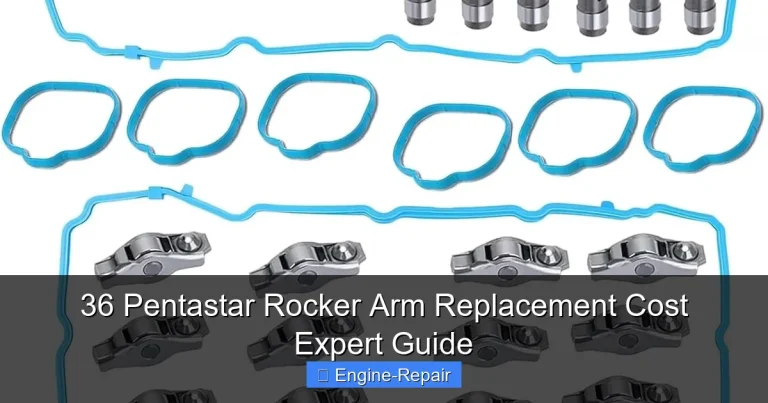
- Worn or Broken Piston Rings: These small rings sit in grooves on the piston. Their job is to seal the gap between the piston and the cylinder wall. This prevents combustion gases from escaping past the piston. If these rings wear out, crack, or get stuck with carbon buildup, they can’t seal properly. Gases leak out, and your compression drops significantly.
- Burnt, Bent, or Leaking Valves: Your engine has intake and exhaust valves in the cylinder head. They open and close precisely to let air in and exhaust gases out. If a valve is damaged—perhaps burnt from excessive heat, bent due to a timing belt failure, or simply not seating correctly—it can’t create a tight seal. This allows compression to escape directly into the intake or exhaust manifold.
- Blown Head Gasket: The head gasket is a critical seal between the engine block and the cylinder head. It seals the combustion chambers, as well as oil and coolant passages. If this gasket fails or “blows,” compression can leak between adjacent cylinders. It can also escape into the cooling system or even into the oil. This is often caused by engine overheating.
- Cracked Cylinder Head or Engine Block: These are more severe issues, but they do happen. Extreme overheating or even freezing coolant can cause the cylinder head or engine block to crack. A crack provides a direct path for compression to escape. This can lead to very low or zero compression in one or more cylinders.
- Hole in a Piston: While less common, extreme conditions like severe pre-ignition or detonation can burn a hole right through the top of a piston. If this happens, compression will obviously be completely lost in that cylinder.
Diagnosing No Compression: Tools and Techniques
Initial Checks: What You Can Do First
Before reaching for specialized tools, you can perform some basic checks yourself. If your engine cranks but won’t start, listen carefully. Does it sound like it’s spinning much faster and easier than usual? This “freewheeling” sound often points directly to a lack of compression. The engine isn’t meeting its normal resistance.
You should also visually inspect your engine. Look for obvious signs of trouble. Check your oil dipstick for milky, frothy oil, which can indicate coolant mixing with oil. Similarly, check your coolant reservoir for any signs of oil contamination. Look for excessive white smoke from the exhaust, which might point to a head gasket issue. These visual cues can give you important clues about the underlying problem.
Professional Diagnosis: Essential Tools and Steps
To accurately pinpoint the cause of no compression, you’ll need a few specialized diagnostic tools. These tools help mechanics confirm the problem and identify exactly which component has failed:
- Compression Tester: This is your first line of defense. A compression tester screws directly into a spark plug hole. With all spark plugs removed and the throttle wide open, you crank the engine a few times. The tester measures the peak pressure in each cylinder. You’re looking for consistent readings across all cylinders, typically within 10-15% of each other. A reading of zero or significantly low pressure in one or more cylinders confirms a compression problem.
- Leak-Down Tester: This tool is more advanced and provides greater detail than a simple compression test. It injects compressed air into a cylinder at Top Dead Center (TDC) and measures how much air leaks out. More importantly, it helps you locate the leak.
- If you hear air hissing from the tailpipe, it indicates a leaking exhaust valve.
- Hissing from the intake manifold suggests a leaking intake valve.
- Air escaping from the oil filler cap or dipstick tube points to worn piston rings or a damaged cylinder wall.
- Bubbles in the radiator coolant strongly indicate a blown head gasket or a cracked cylinder head/block.
This test helps precisely identify the failed component, guiding the repair process.
- Borescope/Endoscope: This small, flexible camera can be inserted into the spark plug hole. It allows you to visually inspect the inside of the cylinder without disassembling the engine. You can look at the piston top, cylinder walls, and valve faces for physical damage. This could include burnt valve edges, scored cylinder walls, or a hole in the piston. It offers a crucial visual confirmation for suspected issues.
Estimated Repair Costs for Common No Compression Issues
Once you’ve identified the root cause of your engine’s no compression issue, the big question becomes: How much is this actually going to cost? The repair bill can vary wildly, depending on the specific component that failed, the extent of the damage, and of course, labor rates in your area. Let’s break down some common scenarios.
Single Cylinder Misfire vs. Widespread Issues
A single cylinder showing low or no compression is often a more manageable (and less expensive) fix than if multiple cylinders are affected. For example:
- Single Cylinder Valve Issue: If only one valve is burnt or bent, the repair might involve removing just that cylinder head, replacing the affected valve(s), and a new head gasket set. This could range from $800 – $1,500 for parts and labor.
- Multiple Cylinder Head Gasket Failure: If you have widespread low compression due to a blown head gasket affecting several cylinders, the labor to remove and replace both cylinder heads (if it’s a V-engine) and surface them can push costs into the $1,500 – $3,000+ range, depending on engine complexity.
- Internal Engine Damage (Piston/Ring Issues): This is generally the most costly scenario. If piston rings are worn or a piston is damaged, it often requires a full engine teardown. This involves removing the engine, disassembling it, replacing pistons/rings, honing cylinders, and then reassembling. Costs for this can quickly climb to $2,500 – $5,000+, approaching the cost of a full engine replacement.
Component-Specific Repair Cost Ranges
Here’s a more detailed look at specific repairs and their typical cost ranges (these are estimates and can vary significantly):
- Blown Head Gasket: Often between $1,000 – $2,500. Parts are relatively inexpensive (a few hundred dollars for a gasket set), but the labor involved in removing cylinder heads, cleaning surfaces, and reassembling is significant.
- Bent or Burnt Valves: If only a few valves are affected, and the cylinder head isn’t extensively damaged, you might look at $800 – $2,000. This includes parts (valves, guides, seals) and machining the head. If the cylinder head itself is cracked, you’re looking at a new or reconditioned head, which can add another $500 – $1,000+ to the bill.
- Damaged Piston Rings or Piston: This is where things get serious. Depending on whether it’s one cylinder or all, and the extent of damage to the cylinder walls, costs can range from $2,500 to $5,000+. This often necessitates engine removal and significant internal work, making it a “major overhaul.”
- Timing Component Failure (leading to valve damage): If a broken timing belt or chain caused bent valves, you’re looking at the cost of the timing component replacement ($500 – $1,000) plus the cost of valve repair (as above). The total can easily exceed $2,000.
Always get detailed quotes from reputable mechanics to understand the full scope and cost of the repair.
Deciding Between Repair, Engine Replacement, or Vehicle Sale
Faced with a potentially hefty repair bill for no compression, you’re at a crossroads. It’s a tough decision, but evaluating a few key factors can help you make the best choice for your situation.
Factors to Consider for Your Decision
Before jumping into a decision, take a moment to assess these points:
- Vehicle Value: What is your car currently worth in good running condition? Use resources like Kelley Blue Book (KBB) or Edmunds to get an estimate. If the repair cost exceeds 70% of the car’s value, it’s often not financially advisable to repair.
- Age and Mileage: How old is the vehicle, and how many miles are on it? A very old, high-mileage car might develop other issues soon after an expensive engine repair, making it a money pit.
- Overall Condition: Beyond the engine, is the rest of the car in good shape? Are the transmission, suspension, brakes, and body all sound? If the car is riddled with other problems, an engine repair might be throwing good money after bad.
- Sentimental Value/Need: Do you have a strong attachment to the car? Do you absolutely need a reliable vehicle right now and can’t afford a new one? These personal factors can play a role.
The Pros and Cons of Each Option
Let’s weigh your choices:
Option 1: Repair the Existing Engine
- Pros: Potentially the most cost-effective if the damage is minor and the car is otherwise in great shape. You keep a car you’re familiar with.
- Cons: Risk of further issues if the diagnosis wasn’t 100% accurate or other components are near failure. Can be very expensive for major internal damage.
Option 2: Replace the Engine
This means swapping out your entire engine for a new, remanufactured, or used one.
- New Engine: Comes with a warranty, highest cost ($5,000 – $10,000+ installed), but essentially gives your car a new lease on life.
- Remanufactured Engine: A rebuilt engine with new components, often comes with a good warranty ($3,000 – $6,000+ installed). A solid middle-ground option.
- Used Engine: Cheapest option ($1,500 – $4,000+ installed, depending on mileage/availability). Lowest initial cost, but highest risk as its history is often unknown, and warranty might be short or non-existent.
- Pros: Can be a good solution if the chassis and rest of the car are excellent. Extends the life of the vehicle significantly.
- Cons: High upfront cost. Still subject to other components failing over time.
Option 3: Sell the Vehicle As-Is
- Pros: No repair costs. Quickest way to get rid of the problem. You can put the money towards a new vehicle.
- Cons: You’ll get significantly less for a non-running car. You’ll need to find a new mode of transportation.
Get multiple quotes for both repair and engine replacement, then compare those figures against the “as-is” sale value and the cost of a replacement vehicle before making your final choice.
Conclusion
Dealing with an engine that has no compression can be a daunting experience, but it’s not always a death sentence for your vehicle. The key is thorough, accurate diagnosis. From a simple stuck valve to more serious internal damage, understanding the root cause is the first step towards an informed decision.
Costs can range dramatically, from a few hundred dollars for minor fixes to thousands for extensive repairs or a full engine replacement. When faced with these numbers, carefully weigh the repair costs against your car’s overall value, age, and condition. Don’t rush into a decision. Gather detailed quotes, consider your budget, and think about your long-term vehicle needs.
By empowering yourself with knowledge and getting expert advice, you can navigate this challenge confidently and make the best choice for your car and your wallet. Don’t let a no-compression diagnosis catch you off guard – be prepared to act!
💬 Quick Questions & Answers
What causes no compression in an engine?
Common causes include blown head gaskets, worn piston rings, damaged valves, or a cracked cylinder head.
Is driving with no compression dangerous?
Yes, driving with no compression can cause further engine damage and is not recommended.
Can I fix no compression myself?
Minor issues like spark plug problems might be DIY, but major internal damage requires professional expertise.
How long does a compression test take?
A compression test typically takes 30 minutes to an hour, depending on the engine.
What’s the cheapest no compression fix?
The cheapest fix might be a simple spark plug replacement or valve adjustment if that’s the root cause.
❓ Frequently Asked Questions
What are the primary symptoms of an engine with no compression?
Primary symptoms include difficulty starting, a rough idle, significant loss of power, reduced fuel efficiency, and misfiring. You might also hear unusual noises like ticking or knocking from the engine.
How much does it typically cost to diagnose an engine with no compression?
A diagnostic fee for a compression test and related checks usually ranges from $100 to $200. This fee helps identify the specific cylinder and cause of the compression loss, which is crucial for accurate repair estimates.
What’s the cost difference between fixing a blown head gasket versus worn piston rings?
Repairing a blown head gasket can cost $500-$2,500, depending on the vehicle and labor. Replacing worn piston rings often requires a full engine rebuild or significant disassembly, potentially costing $2,000-$5,000 or more.
Is it ever more cost-effective to replace the engine instead of repairing it?
Yes, if the repair cost for severe issues like a cracked cylinder block, crankshaft damage, or extensive internal damage exceeds 50-75% of the vehicle’s market value, an engine replacement (new, rebuilt, or used) can be a more economical long-term solution.
How can I prevent compression loss in my engine in the future?
Regular maintenance is key: ensure timely oil changes with the correct type, replace air filters, maintain proper coolant levels to prevent overheating, and address any engine warning lights promptly. This can extend engine life and prevent costly failures.
Does a ‘no compression’ issue always mean the engine is completely dead?
Not always. While it signifies a serious problem, ‘no compression’ in one or more cylinders can often be fixed. However, if the issue is widespread across all cylinders or indicates catastrophic damage (like a broken connecting rod), then a full engine replacement or vehicle retirement might be the only viable options.