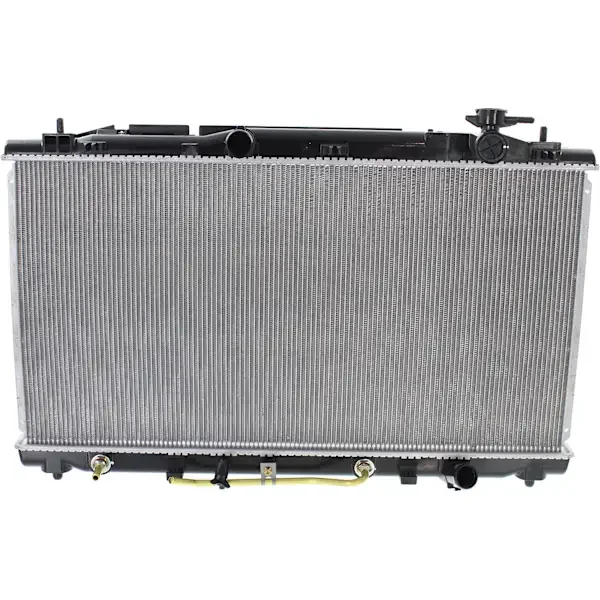
2007 Toyota Camry Radiator Replacement Cost & Guide
📋 Table of Contents
- 🎯 Key Takeaways
- Understanding the 2007 Camry Radiator Replacement Cost Breakdown
- DIY vs. Professional Radiator Replacement for Your 2007 Camry
- Key Factors Influencing Your 2007 Camry Radiator Repair Bill
- When to Replace Your Radiator: Symptoms, Prevention, and Next Steps
- Conclusion
- 💬 Quick Questions & Answers
- ❓ Frequently Asked Questions
The 2007 Toyota Camry radiator replacement cost typically ranges from $300 to $700, depending on parts quality and whether you choose DIY or professional service. Labor costs are a significant factor, so understanding your options can save you money.
🎯 Key Takeaways
- Expect $300-$700 for a 2007 Camry radiator replacement.
- DIY can save $100-$300+ on professional labor costs.
- Choose OEM or reputable aftermarket parts for longevity.
- Always get multiple quotes from local mechanics.
- Address leaks or overheating immediately to prevent engine damage.
Is your faithful 2007 camry/radiator-replacement-cost” target=”_blank” rel=”noopener noreferrer” title=”Toyota Camry Radiator Replacement Cost Estimates”>Toyota Camry showing signs of a coolant leak or overheating? It is a common concern for vehicles of this age. The radiator, a vital component in your car’s cooling system, works hard to keep your engine from overheating. Over time, radiators can develop leaks, cracks, or clogs, which demand your immediate attention.
Addressing a radiator issue promptly is crucial. Ignoring it can lead to more severe and costly engine damage. If you suspect your 2007 Camry needs a new radiator, you are likely wondering about the cost and the best way to approach the repair. This guide will break down the expenses and help you decide whether to tackle the job yourself or hire a professional.
Understanding the 2007 Camry Radiator Replacement Cost Breakdown
When you consider replacing the radiator on your 2007 Toyota Camry, you are essentially looking at two primary costs: the price of the parts and the labor involved. These figures can vary quite a bit based on where you live, the parts you choose, and the shop you visit. Understanding these components will give you a clearer picture of your total expense.
Parts Cost: What You’ll Pay for the Radiator Itself
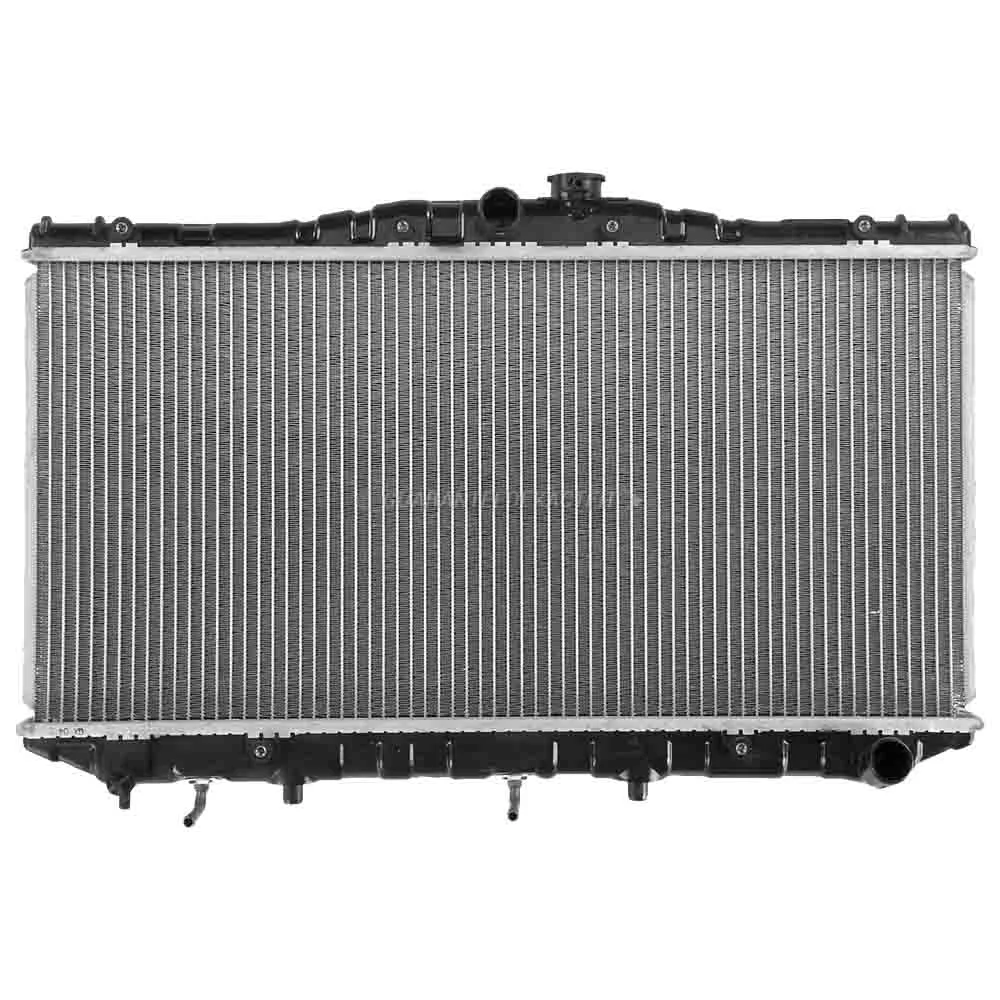
The radiator is the largest component you will be buying. For a 2007 Toyota Camry, you have a few options, each with different price points. An aftermarket radiator, which is made by a company other than Toyota, typically costs between $100 to $250. These are often readily available and offer a good balance of cost and performance. If you opt for an OEM (Original Equipment Manufacturer) radiator, meaning it is a genuine Toyota part, expect to pay more, usually in the range of $250 to $400. OEM parts often come with a stronger warranty and are guaranteed to fit perfectly.
Beyond the radiator itself, you will need some other crucial items. These include:
- Coolant/Antifreeze: You will need fresh coolant for the system. A gallon usually costs $15-$30.
- Radiator Hoses: It is wise to replace the upper and lower hoses at the same time. These can cost $20-$50 each.
- Hose Clamps: New clamps ensure a tight seal, costing a few dollars each.
- Thermostat (Optional but Recommended): Since you are already in the cooling system, replacing the thermostat is often a good idea. This adds $15-$40.
In total, expect parts costs to range from $170 to $550, depending on your choices.
Labor Costs: Estimating Professional Service Fees
If you choose to have a professional handle the replacement, labor costs will be a significant part of your overall expense. Most auto shops charge an hourly rate, which can range from $80 to $150 per hour. Replacing a radiator on a 2007 Toyota Camry is a relatively straightforward job for an experienced mechanic. It typically takes between 2 to 4 hours to complete.
Therefore, you can expect labor costs to fall in the range of $160 to $600. This range accounts for differences in shop rates and the specific complexity of the job. Some shops might offer a flat rate for this service, so always ask for a detailed quote. Factors like the shop’s location (urban vs. rural) and their reputation can influence these prices. Always get estimates from at least two different shops to compare.
DIY vs. Professional Radiator Replacement for Your 2007 Camry
Deciding whether to replace your 2007 Camry’s radiator yourself or take it to a professional can save or cost you hundreds of dollars. Both options have their benefits and drawbacks, and the best choice for you depends on your mechanical skill level, available tools, and how much time you have. Let’s explore each approach.
The DIY Approach: Saving Money (But Demanding Time)
Undertaking a DIY radiator replacement can lead to substantial savings on labor costs. You pay only for the parts, which can save you anywhere from $160 to $600. For someone with a decent set of tools and some mechanical experience, this task is certainly achievable. The 2007 Camry is known for being relatively easy to work on, making it a good candidate for a DIY project.
However, this approach comes with its own set of demands:
- Time Commitment: Expect to spend 3-6 hours, especially if it’s your first time.
- Required Tools: You will need basic hand tools like wrenches, pliers, screwdrivers, a drain pan, and possibly a torque wrench.
- Potential Risks: Incorrect installation can lead to leaks, overheating, or even damage to new parts. You also need to properly dispose of old coolant.
- No Warranty on Labor: If something goes wrong, you are responsible for fixing it.
Before you start, research online tutorials or consult a repair manual specific to your 2007 Camry. This preparation is key to a successful DIY repair. Remember, safety always comes first; ensure your car is cool and stable before beginning any work.
Hiring a Pro: Convenience and Expertise
For many car owners, taking their 2007 Camry to a professional mechanic for a radiator replacement is the preferred option. While it costs more due to labor charges, it offers significant peace of mind and convenience. Professional shops have the specialized tools, experience, and diagnostic equipment to ensure the job is done correctly and efficiently.
Here are the primary advantages of going professional:
- Expertise and Experience: Mechanics perform this job regularly, reducing the risk of errors.
- Warranty: Most reputable shops offer a warranty on both parts and labor, protecting your investment.
- Time-Saving: You drop off your car and pick it up when it’s ready, freeing up your own time.
- Proper Disposal: Shops handle the environmentally responsible disposal of old coolant and parts.
- Troubleshooting: If the overheating issue is not just the radiator, a mechanic can diagnose other problems.
This option is ideal if you are not confident in your mechanical skills, lack the necessary tools, or simply prefer to have the work done by a certified expert. It often means a higher upfront cost but can save you potential headaches and further expenses down the road.
Key Factors Influencing Your 2007 Camry Radiator Repair Bill
Understanding the final cost of replacing your 2007 Toyota Camry’s radiator goes beyond just the base price of the part and labor. Several key variables can swing the repair bill higher or lower.
Radiator Type and Quality: OEM vs. Aftermarket
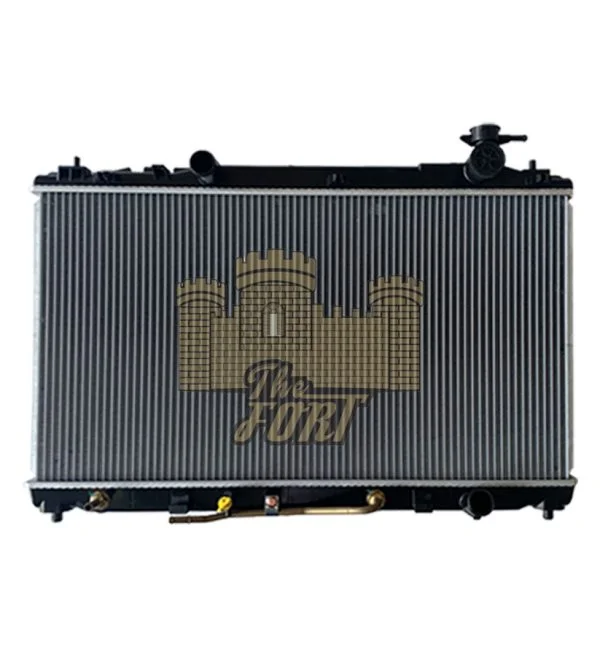
The type of radiator you choose plays a significant role in your total expenditure. Original Equipment Manufacturer (OEM) radiators, often from brands like Denso (a primary supplier for Toyota), offer the highest quality and an exact fit, but typically come with a premium price tag. You might pay anywhere from $150 to $300 for an OEM-equivalent part. On the other hand, aftermarket radiators can be found for as low as $60 to $150. While they offer cost savings, quality can vary widely. Brands like Spectra Premium or TYC are popular aftermarket choices, but it’s crucial to research reviews to ensure you’re not sacrificing durability for a lower price. For instance, opting for a cheaper aftermarket radiator might save you $50 upfront but could lead to another replacement sooner if it’s poorly constructed.
Labor Rates and Shop Choice
Where you get the work done significantly impacts labor costs. Dealerships typically have the highest hourly rates, often ranging from $120 to $150 or more per hour. For a job that usually takes 2-3 hours, this can quickly add up to $240-$450 just for labor. Independent mechanics or local auto repair shops often have more competitive rates, usually between $80 and $120 per hour. This difference alone could save you $50 to $150 on labor for the same repair. For example, a dealership might quote you $600 total, while a trusted local shop could do the same job for $450 to $500, using comparable quality parts. Always get multiple quotes!
When to Replace Your Radiator: Symptoms, Prevention, and Next Steps
Knowing when your radiator is failing and how to prevent it can save you from costly engine damage. Catching problems early is crucial for your 2007 Camry’s longevity.
Recognizing Radiator Failure Symptoms
Your Camry often gives clear warnings when its radiator is on its way out. Here are the most common signs:
- Engine Overheating: The most obvious symptom. If your temperature gauge is consistently rising into the red zone, or you see steam coming from under the hood, your radiator might be failing.
- Coolant Leaks: Puddles of green, pink, or orange liquid (depending on your coolant type) under your parked car are strong indicators. Leaks can originate from cracks in the plastic tanks, corrosion in the aluminum fins, or failing hose connections.
- Low Coolant Levels: If your coolant reservoir is consistently low despite topping it off, it indicates a leak somewhere in the cooling system, often the radiator.
- Discoloration or Sludge: Visible rust, corrosion, or a muddy brown sludge on or inside the radiator points to contamination or deterioration, which compromises its ability to cool.
- Failing Transmission (with integrated cooler): If your Camry has an automatic transmission with a cooler integrated into the radiator, a leak here could mix coolant and transmission fluid, leading to costly transmission damage.
Prevention and What to Do Next
Preventative maintenance is your best defense against premature radiator failure. Regularly check your coolant level and inspect the radiator for any visible damage or leaks. Following your Camry’s recommended service schedule for coolant flushes (typically every 30,000-50,000 miles or 2-3 years) helps keep the system clean and efficient.
If you suspect your radiator is failing, here are your next steps:
- Stop Driving Immediately: If your engine is overheating, pull over safely and turn off the engine to prevent severe damage.
- Do NOT Open Hot Radiator Cap: Never open a hot radiator cap; pressurized hot coolant can cause serious burns.
- Inspect Once Cooled: After the engine has completely cooled, check the coolant reservoir and look for visible leaks or damage around the radiator.
- Get a Professional Diagnosis: Have a qualified mechanic perform a pressure test to accurately locate any leaks or issues.
- Compare Quotes: Obtain several estimates for repair or replacement from different reputable shops.
Conclusion
Replacing the radiator in your 2007 Toyota Camry is a critical maintenance task that ensures your engine’s health and longevity. While costs can vary significantly based on part choice, labor rates, and your location, a typical replacement will set you back between $350 and $700. Prioritize quality parts, whether OEM or a reputable aftermarket brand, and seek quotes from trusted independent mechanics to get the best value.
Don’t ignore the warning signs of a failing radiator; addressing them promptly can prevent more extensive and expensive engine repairs down the line. Keep your Camry running cool and reliably for many more miles!
💬 Quick Questions & Answers
What is the average cost to replace a 2007 Camry radiator?
The average cost ranges from $300 to $700, including parts and labor, but prices vary by location and shop.
Can I replace a 2007 Camry radiator myself?
Yes, it’s a moderately difficult DIY job that can save you $100-$300+ in labor if you have mechanical experience.
What kind of radiator should I buy for a 2007 Camry?
Opt for an OEM or high-quality aftermarket radiator from a trusted brand like Denso or Spectra Premium for best performance.
How long does a 2007 Camry radiator replacement take?
A professional can typically complete the job in 2-4 hours, while a DIYer might take 4-6 hours or more.
What are signs my 2007 Camry radiator needs replacing?
Common signs include coolant leaks, engine overheating, a low coolant warning light, or visible corrosion/damage to the radiator.
❓ Frequently Asked Questions
What specifically contributes to the cost of a 2007 Toyota Camry radiator replacement?
The cost is primarily split between the radiator part itself (ranging from $100-$300 for aftermarket to $400+ for OEM) and labor. Other costs might include new coolant, hoses, clamps, and potentially a thermostat, which adds to the total repair.
What’s the difference in price and quality between OEM and aftermarket radiators for a 2007 Camry?
OEM radiators generally cost more but offer guaranteed fit and quality directly from Toyota. Aftermarket options are more affordable, varying widely in quality; choose reputable brands like Denso, Spectra Premium, or Koyo for reliable alternatives.
How much can I expect to save by doing a DIY radiator replacement on my 2007 Camry?
You can typically save $100 to $300 or more by performing the replacement yourself, as this eliminates the labor costs charged by mechanics. However, you’ll still need to purchase the radiator, coolant, and any necessary tools or replacement parts like hoses.
Are there any other components I should consider replacing along with the radiator for a 2007 Camry?
It’s highly recommended to replace the upper and lower radiator hoses and clamps, and potentially the thermostat, as these components are often stressed and can fail soon after a new radiator is installed. A complete cooling system flush is also a good idea.
How often should a 2007 Toyota Camry radiator be inspected or replaced preventatively?
Radiators don’t have a fixed replacement schedule, but they should be inspected during routine maintenance for signs of leaks, corrosion, or damage. Replacing coolant according to the manufacturer’s schedule helps prolong radiator life, typically every 30,000-50,000 miles.
What are the risks of driving with a faulty radiator in a 2007 Camry?
Driving with a faulty radiator can lead to severe engine overheating, which can cause irreparable damage to critical engine components like the head gasket, cylinder heads, or even the engine block. This can result in far more expensive repairs or complete engine replacement.