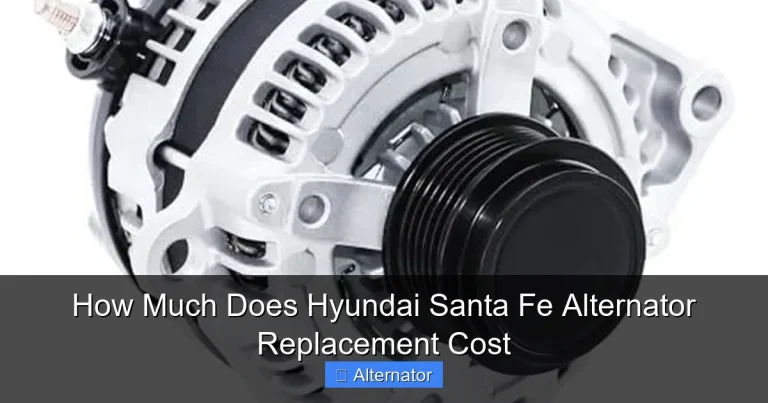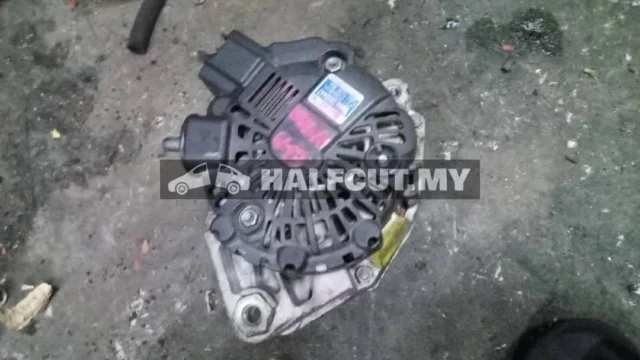
Hyundai Elantra Alternator Cost: Repair & Replacement Guide
📋 Table of Contents
The typical Hyundai Elantra alternator replacement cost ranges from $400 to $800, varying significantly based on the model year, labor rates, and parts quality. This expense usually covers both the new alternator unit and professional installation, ensuring your vehicle’s electrical system functions correctly.
🎯 Key Takeaways
- Expect $400-$800 for Hyundai Elantra alternator replacement.
- DIY saves labor but requires tools and expertise.
- Cost varies by model year, part type, and mechanic rates.
- Watch for dim lights, battery issues, and dashboard warnings.
- Compare quotes from multiple reputable repair shops.
Ever seen your Hyundai Elantra’s battery light flicker, only to realize your battery isn’t actually dead? More often than not, this symptom points directly to a failing alternator. This crucial component is responsible for generating power, keeping your battery charged, and running all your car’s electrical systems while the engine is on.
A dead alternator means your Elantra won’t start, or worse, it will die while you’re driving. Understanding the potential replacement cost upfront helps you budget effectively and avoid unexpected expenses. This guide will walk you through the various factors that influence the price of getting your Hyundai Elantra’s alternator replaced, ensuring you’re prepared for whatever comes your way.
Understanding Hyundai Elantra Alternator Replacement Costs
When your Elantra needs a new alternator, the total cost isn’t a single fixed number. Instead, it’s a combination of the part’s price and the labor involved in its installation. Knowing these components helps you understand the overall expense.
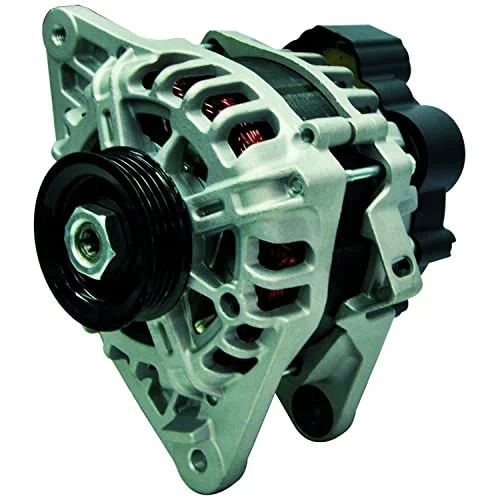
Typical Cost Breakdown: Parts vs. Labor
The alternator itself is a significant portion of the total cost. You have a few options, each with a different price point:
- New OEM (Original Equipment Manufacturer): These parts come directly from Hyundai or their approved suppliers. They offer guaranteed fit, high quality, and usually the best longevity. However, they are also the most expensive. Expect to pay anywhere from $250 to $500 or more for the part alone.
- New Aftermarket: Produced by third-party manufacturers, these alternators are a popular choice. They offer a good balance between cost and quality. Prices typically range from $180 to $350. Make sure to choose a reputable brand.
- Remanufactured/Rebuilt: These are used alternators that have been disassembled, cleaned, and had worn components replaced. They are the most budget-friendly option, often costing between $120 and $280. Always check the warranty carefully with remanufactured parts.
Labor costs also play a big role. Replacing an alternator on a Hyundai Elantra generally takes 1 to 3 hours, depending on the specific model year and engine configuration. Mechanic hourly rates vary widely based on your location and the shop’s overhead. You might see rates from $80 to $150 per hour. This translates to labor costs ranging from $80 to $450.
Considering both parts and labor, the total estimated cost for a Hyundai Elantra alternator replacement can fall between $200 and $950. This broad range highlights the importance of getting specific quotes.
What to Expect at the Mechanic
When you take your Elantra in for an alternator issue, the first step is usually a diagnostic check. Mechanics will confirm the alternator is indeed the problem, ruling out other electrical issues like a bad battery or faulty wiring. Once confirmed, they will:
- Disconnect the battery for safety.
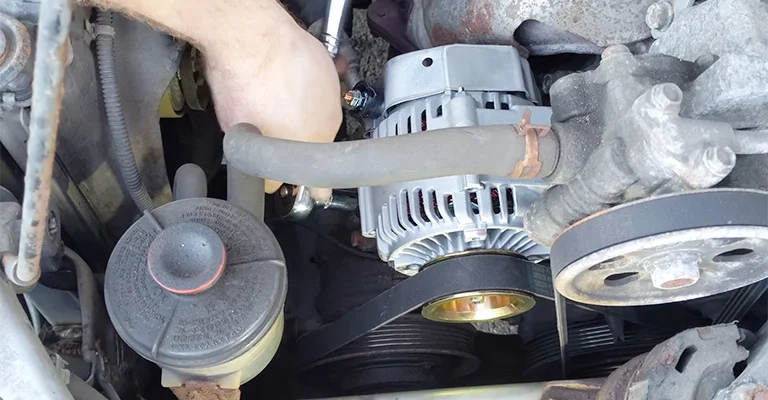
- Remove any components blocking access to the alternator (e.g., belts, tensioners, sometimes hoses or engine mounts).
- Remove the old alternator.
- Install the new or remanufactured alternator.
- Reinstall all removed components and reconnect the battery.
- Test the new alternator and the charging system to ensure everything is working correctly.
Some shops may include a small diagnostic fee or a “shop supplies” charge on top of the parts and labor. It’s always a good idea to ask for a detailed estimate before any work begins. Don’t hesitate to get quotes from a couple of different repair shops to compare prices and ensure you’re getting a fair deal.
Factors Influencing Your Elantra’s Alternator Cost
Several elements can affect how much you’ll pay for an alternator replacement. Understanding these helps you anticipate the final bill and make informed decisions.
Vehicle Year and Engine Type
The specific year of your Hyundai Elantra and its engine size significantly impact the alternator cost. Newer Elantra models often feature more technologically advanced alternators. These might have higher amperage outputs or integrated voltage regulators, making them more expensive to manufacture and purchase. For instance, an alternator for a 2020 Elantra might be pricier than one for a 2010 model.
Different engine types within the Elantra lineup also use distinct alternators. A 1.8L engine might require a different part number than a 2.0L engine. Always provide your mechanic with your exact Elantra year, make, model, and engine size. This ensures they quote you for the correct part, preventing delays and unexpected price changes.
Type of Alternator and Warranty
As mentioned earlier, your choice of alternator type—OEM, aftermarket, or remanufactured—is a primary cost driver. Beyond the initial price, consider the warranty offered with each option. A good warranty can save you money and headaches if the new part fails prematurely.
- OEM Alternators: Typically come with a solid warranty, often 12 months or more, sometimes even tied to your vehicle’s remaining factory warranty. This provides peace of mind regarding quality and longevity.
- Aftermarket Alternators: Warranties vary widely among brands. Some reputable aftermarket manufacturers offer warranties comparable to OEM, while others might provide shorter terms. Always inquire about the specific warranty details.
- Remanufactured Alternators: These usually have the shortest or most limited warranties, sometimes just 90 days to 6 months. While they offer the lowest upfront cost, a shorter warranty means a higher risk if the part fails again.
When comparing prices, don’t just look at the dollar amount. Ask about the length of the warranty for both the part and the labor. A slightly more expensive alternator with a comprehensive warranty might be a better long-term investment than a cheaper one with no protection. A reputable shop will stand behind their work and the parts they install.
DIY vs. Professional Replacement: Pros and Cons
Deciding whether to tackle an alternator replacement yourself or enlist a professional is a crucial part of managing the overall cost and ensuring a successful repair. Both options come with distinct advantages and disadvantages that warrant careful consideration.
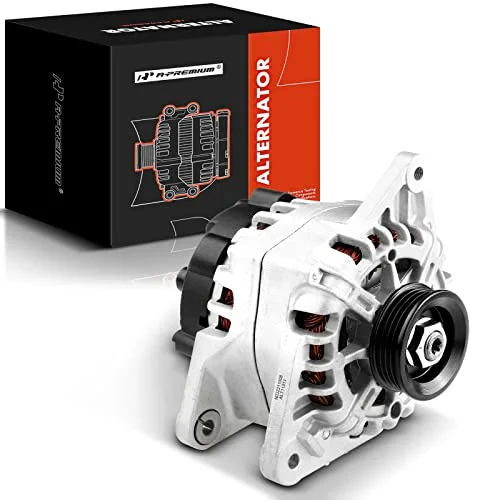
DIY Replacement: Weighing the Benefits and Risks
For the mechanically inclined, performing an alternator replacement on your Hyundai Elantra can seem like an attractive option. The primary benefit is undoubtedly the significant savings on labor costs, which can range from $150 to $300 or more depending on your location and the shop’s rates. Beyond the financial aspect, a DIY repair can be a rewarding learning experience, deepening your understanding of your vehicle. However, it’s essential to be realistic about the challenges. An alternator replacement isn’t just about unbolting and rebolting; it often involves navigating tight engine bays, disconnecting wiring harnesses correctly, and ensuring belt tension is spot-on. Mistakes can lead to further damage, costly tow bills, or even personal injury.
Consider these points before attempting a DIY replacement:
- Required Tools: Do you have the necessary socket sets, wrenches, a serpentine belt tool, and possibly a multimeter?
- Technical Know-How: Are you comfortable following a detailed repair manual (like a Haynes or Chilton guide) and understanding electrical connections?
- Time Commitment: Can you dedicate several hours, potentially a full afternoon, to the task without rushing?
- Risk Tolerance: Are you prepared for the possibility of encountering unexpected issues or causing new problems?
Professional Replacement: When to Trust the Experts
For most drivers, especially those without extensive automotive experience or the right tools, a professional replacement is the safer and often more practical choice. While it means paying for labor, you’re investing in expertise, efficiency, and peace of mind. A certified mechanic has the specialized tools, diagnostic equipment, and the training to quickly and correctly identify and resolve the issue. Most reputable shops also offer a warranty on both parts and labor, providing a safety net should something go wrong shortly after the repair. This can save you significant headaches and potential expenses down the line. Furthermore, a professional can often spot other underlying issues that might have contributed to the alternator’s failure, preventing future problems.
When seeking professional help, always:
- Get Multiple Quotes: Compare prices from at least 2-3 different reputable shops.
- Ask About Warranties: Confirm the duration and coverage for both parts and labor.
- Check Reviews: Look for shops with positive customer feedback regarding their alternator replacement services.
Signs of a Failing Alternator & Maintenance Tips
Being able to recognize the early warning signs of a failing alternator can save you from being stranded and potentially reduce overall repair costs by addressing the problem before it escalates. Proactive maintenance also plays a crucial role in extending the life of your Hyundai Elantra’s charging system.
Recognizing the Warning Signs
Your Elantra’s alternator doesn’t usually fail without giving you some hints. Paying attention to these symptoms can help you act quickly:
- Dashboard Warning Light: The most obvious sign is the “ALT,” “GEN,” or battery-shaped warning light illuminating on your dashboard. This means your charging system isn’t functioning correctly.
- Dim or Flickering Lights: If your Elantra’s headlights, interior lights, or dashboard lights seem dimmer than usual or flicker while driving, it indicates the alternator isn’t supplying enough power.
- Dead Battery: While a dead battery often points to the battery itself, if your battery repeatedly dies even after being jumped, the alternator might not be recharging it properly.
- Strange Noises: A grinding, whining, or squealing sound coming from under the hood can be a sign of worn-out bearings within the alternator or a loose/worn serpentine belt.
- Burning Smell: A smell resembling burning rubber or hot wires could indicate an overworked alternator, slipping serpentine belt, or electrical issues.
- Accessory Malfunctions: Power windows operating slowly, the radio cutting out, or other electrical accessories performing erratically can also point to insufficient power from the alternator.
Prolonging Your Alternator’s Lifespan
While alternators eventually wear out, certain practices can help extend their service life and keep your Elantra’s charging system healthy:
- Avoid Excessive Electrical Load: Using too many high-draw accessories (like powerful aftermarket sound systems, multiple phone chargers, and bright auxiliary lights) simultaneously can overwork your alternator, especially at low RPMs.
- Keep Battery & Cables Healthy: A weak or failing battery forces the alternator to work harder than necessary to keep it charged. Regularly test your battery and ensure its terminals are clean and free of corrosion.
- Check Serpentine Belt: Inspect your serpentine belt periodically for cracks, fraying, or excessive looseness. A worn belt can slip, preventing the alternator from spinning at its optimal speed and potentially causing premature wear.
- Address Leaks Promptly: Oil, coolant, or power steering fluid leaks can contaminate the alternator, leading to internal damage or corrosion. Fix any fluid leaks as soon as they are detected.
Conclusion
Understanding the Hyundai Elantra alternator replacement cost involves more than just the price tag of the part; it encompasses labor, your comfort with DIY work, and the proactive recognition of warning signs. While a new alternator can range from $150 to $400 for the part alone, the total professional cost typically falls between $300 and $700. Choosing between DIY and professional repair depends on your skills, tools, and willingness to accept risk. Remember, the key is to address symptoms like dim lights or a dashboard warning promptly.
Don’t wait until your Elantra leaves you stranded. If you suspect an alternator issue, have your vehicle’s charging system inspected by a qualified professional. Gather a few quotes, compare warranties, and make an informed decision to get your Elantra back on the road safely and reliably. Your car (and your wallet) will thank you!
💬 Quick Questions & Answers
What’s the average cost for a Hyundai Elantra alternator replacement?
Average Hyundai Elantra alternator replacement costs $400-$800, including parts and labor, depending on various factors.
Can I drive my Elantra with a failing alternator?
Driving with a failing alternator is risky as your car may die unexpectedly once the battery drains, potentially stranding you.
How long does an alternator typically last in a Hyundai Elantra?
Hyundai Elantra alternators typically last 7-10 years or 100,000-150,000 miles, though this can vary with driving conditions.
What are common symptoms of a bad alternator in an Elantra?
Symptoms include dim headlights, a dead battery, a battery warning light on the dashboard, or strange grinding noises.
Is replacing an Elantra alternator an expensive repair?
Yes, it can be moderately expensive due to the cost of the replacement part and the specialized labor required for installation.
❓ Frequently Asked Questions
What exactly influences the price of a Hyundai Elantra alternator replacement?
The price is influenced by the year and model of your Elantra, whether you choose OEM or aftermarket parts, regional labor rates, and the complexity of accessing the alternator. Newer models or those requiring specialized tools might incur higher labor costs, while premium OEM parts are generally more expensive than aftermarket options.
How much does the alternator part itself cost for a Hyundai Elantra?
The alternator unit for a Hyundai Elantra typically costs between $200 and $500. This price varies based on if it’s an OEM (Original Equipment Manufacturer) part, which is usually higher, or a more affordable aftermarket brand, as well as the specific model year and engine size of your vehicle.
What’s the typical labor cost for an Elantra alternator replacement?
Labor costs for replacing a Hyundai Elantra alternator usually range from $150 to $300. This depends on the mechanic’s hourly rate, which varies by location and shop type, and the amount of time required for the job, usually 1.5 to 3 hours, depending on accessibility.
Should I consider a rebuilt or new alternator for my Elantra?
Opting for a new alternator offers maximum longevity and a fresh warranty, minimizing future issues. A rebuilt alternator can be a more budget-friendly option, but ensure it comes from a reputable rebuilder with a good warranty, as quality can vary more.
Are there any diagnostic costs involved before replacement?
Yes, shops often charge a diagnostic fee, typically $75-$150, to accurately confirm the alternator is the issue. This fee might be waived or applied towards the repair cost if you proceed with their service, ensuring the problem isn’t misdiagnosed.
How can I save money on Hyundai Elantra alternator replacement?
To save money, compare quotes from multiple certified mechanics and consider reputable aftermarket alternators, which are often cheaper than OEM parts. If you have mechanical skills, a DIY replacement can save significantly on labor, but only attempt it if you’re confident in your abilities and have the correct tools.