
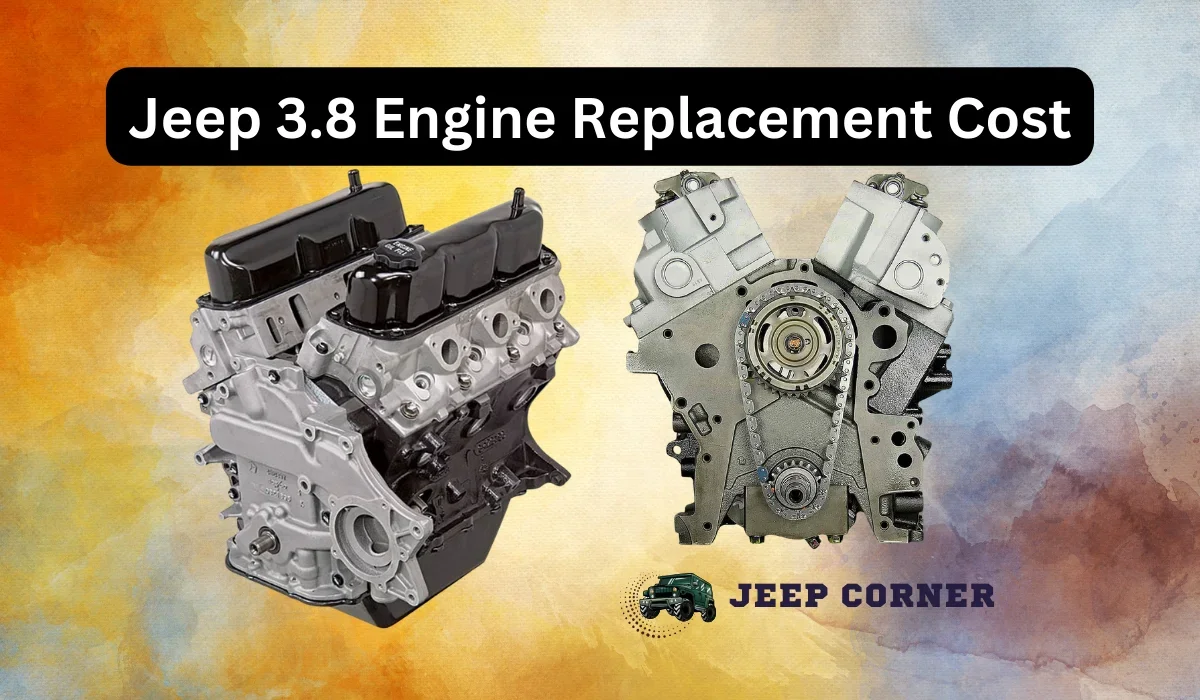
2002 Jeep Liberty Engine Replacement Cost: Your Full Guide
📋 Table of Contents
- 🎯 Key Takeaways
- Understanding the Cost Breakdown for Engine Replacement
- Types of Replacement Engines: Pros, Cons, and Pricing
- Finding a Reputable Mechanic and Saving on Labor Costs
- Is a 2002 Jeep Liberty Engine Replacement Worth the Investment?
- Conclusion
- 💬 Quick Questions & Answers
- ❓ Frequently Asked Questions
The cost for a 2002 Jeep Liberty engine replacement varies significantly, typically ranging from $2,500 to $6,000 depending on the engine type (new, remanufactured, used) and labor rates. Key factors like parts availability and mechanic expertise also play a crucial role in the overall expense.
🎯 Key Takeaways
- Expect costs from $2,500 to $6,000 for replacement.
- Always get multiple quotes from certified mechanics.
- Used engines offer savings but have higher risks.
- Evaluate if replacement cost exceeds vehicle value.
- Verify warranty on both parts and labor before proceeding.
Is your trusty 2002 Jeep Liberty showing signs of engine trouble? It’s a common concern for vehicles of this age. An engine problem can feel like a devastating blow, forcing you to consider a major repair or even a new car. But don’t despair just yet.
Replacing an engine is a significant decision. It involves a substantial investment and many moving parts. Understanding the full scope of the costs involved is crucial. This detailed guide will help you navigate the process, outlining what you can expect when facing a 2002 Jeep Liberty engine replacement.
Understanding the Cost Breakdown for Engine Replacement
Replacing an engine isn’t just about buying a new motor. Several factors contribute to the final price tag. Knowing these components will help you understand the quotes you receive and make informed choices.
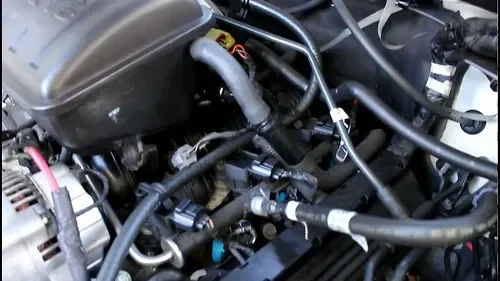
Labor Costs: The Biggest Variable
The labor involved in an engine replacement is a major part of your total bill. Mechanics charge hourly rates, and these rates can vary significantly. Factors like your geographic location and the type of repair shop influence these costs. Dealerships, for instance, often have higher hourly rates than independent garages.
Engine replacement is a complex and time-consuming job. It requires specialized tools and considerable expertise. A typical engine swap for a 2002 Jeep Liberty can take anywhere from 15 to 25 hours. If your mechanic charges $100 to $150 per hour, labor alone could range from $1,500 to $3,750. This wide range highlights why getting multiple, itemized quotes is so important. Always ask for a breakdown of estimated hours and the shop’s hourly rate.
Parts and Miscellaneous Expenses
Beyond the engine itself and labor, several other parts and fees add to the total cost. These are often necessary for a complete and reliable installation. You will need new fluids, including engine oil and coolant. Gaskets and seals are critical to prevent leaks and ensure proper sealing once the new engine is in place.
Consider replacing other wear items while the engine is out. These might include spark plugs, ignition coils, belts, and hoses. It’s usually more cost-effective to replace these components now rather than later. Motor mounts also often wear out over time. They should be inspected and replaced if necessary to ensure engine stability. Don’t overlook smaller costs like shop supplies, disposal fees for the old engine, and possibly a diagnostic fee if troubleshooting was extensive. These smaller expenses can easily add a few hundred dollars to your overall bill. Discuss with your mechanic which “ancillary” parts are essential versus recommended for long-term reliability.
Types of Replacement Engines: Pros, Cons, and Pricing
The type of replacement engine you choose will significantly impact the cost and reliability of your repair. Each option comes with its own set of advantages and disadvantages. Understanding these differences is key to making the best decision for your 2002 Jeep Liberty.
New Crate Engines: The Premium Choice
A “crate engine” is a brand-new engine, delivered directly from the manufacturer or an aftermarket supplier. These engines arrive fully assembled and ready for installation. Choosing a new crate engine offers the ultimate peace of mind. You get a fresh start with zero miles and a comprehensive warranty, typically ranging from 3 years or 36,000 miles. This option guarantees the highest quality and adherence to factory specifications.
However, new crate engines are almost always the most expensive option. For a 2002 Jeep Liberty, the high cost might be difficult to justify given the vehicle’s age and depreciated value. You might find yourself paying more for the engine than the car is worth. Expect to pay anywhere from $4,000 to $7,000 for the engine itself, before factoring in labor and other parts. This option is generally considered for newer vehicles or restoration projects.
Remanufactured and Used Engines: Balancing Cost and Risk
When budget is a concern, remanufactured or used engines offer more affordable alternatives. They present different levels of risk and reward.
- Remanufactured Engines: These engines have been completely disassembled, inspected, and rebuilt to factory specifications. Key worn parts like pistons, rings, and bearings are replaced with new components. They undergo extensive testing to ensure quality and performance.
- Pros: A good balance of cost and reliability. They come with a solid warranty, usually 1 to 3 years, offering more assurance than a used engine. They are a reliable step up from just dropping in a used engine.
- Cons: Still a significant investment, though more affordable than a brand-new unit.
- Pricing: A remanufactured engine for a 2002 Jeep Liberty typically ranges from $2,500 to $4,500.
- Used Engines (Salvage/Junk Yard): These engines are pulled from other vehicles that have been salvaged or deemed totaled. They are tested to ensure they run but are not rebuilt.
- Pros: This is the lowest upfront cost option. You might get lucky and find a low-mileage engine for a bargain.
- Cons: This is the riskiest choice. You inherit the engine’s unknown history, wear, and potential issues. Warranties are often very limited (e.g., 30-90 days) or non-existent. You could save money initially only to face another breakdown sooner.
- Pricing: Used engines can cost anywhere from $700 to $2,000, heavily dependent on mileage, condition, and availability.
- Tip: If considering a used engine, always ask for its original vehicle’s mileage, VIN, and proof of a compression test. A reputable seller should provide this information to give you confidence in your purchase.
Finding a Reputable Mechanic and Saving on Labor Costs
Once you have a clearer picture of potential engine and parts costs, the next crucial step is finding the right hands to perform the intricate work. Labor costs can vary significantly, often representing a substantial portion of your total bill. Choosing a trustworthy and skilled mechanic isn’t just about saving money; it’s about ensuring the job is done right the first time, preventing future headaches and expenses.
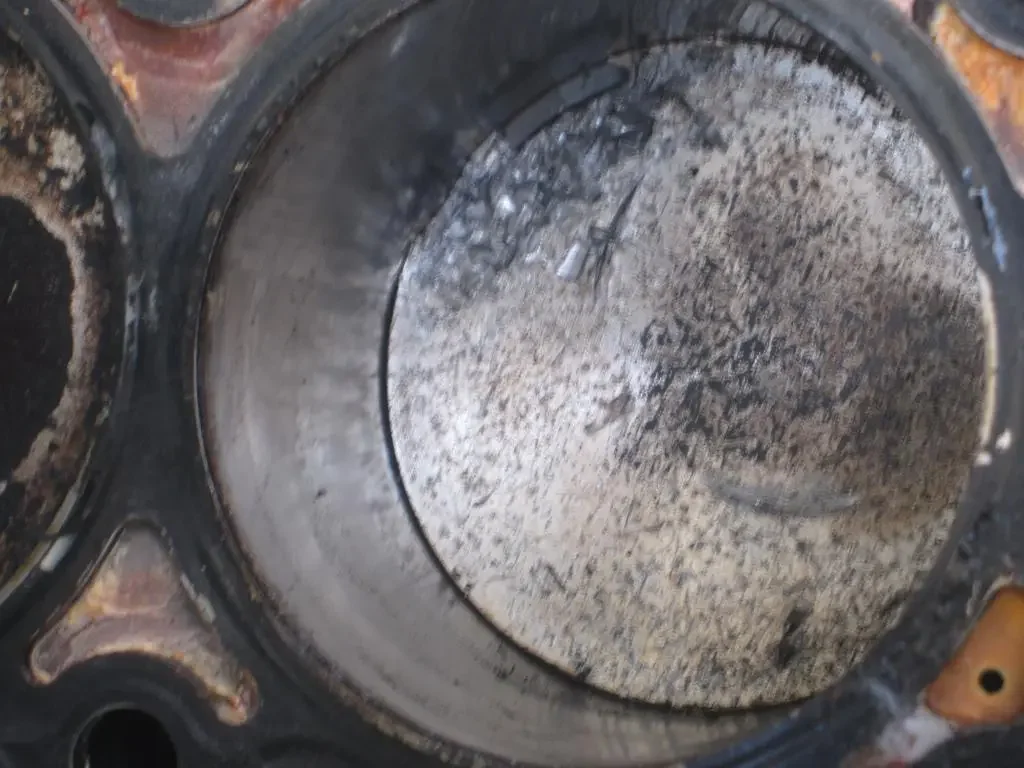
Vetting Potential Repair Shops for Quality and Value
Don’t just pick the first shop you find. Take your time to research and vet several potential repair centers. A good mechanic will be transparent about their pricing, process, and provide a clear warranty on their work. Here’s how to approach it:
- Check Online Reviews: Platforms like Google, Yelp, and the Better Business Bureau offer insights into other customers’ experiences. Look for patterns in reviews regarding professionalism, quality of work, and customer service.
- Verify Certifications: Ask if their technicians are ASE (Automotive Service Excellence) certified, especially for engine work. This indicates a commitment to industry standards and ongoing training.
- Get Multiple Quotes: Contact at least three different shops. Provide them with the same information about your vehicle and the work needed (engine replacement). Compare not just the final price, but also what’s included in that price (parts sourcing, warranty on parts and labor, estimated timeline).
- Ask Specific Questions: “Do you specialize in Jeeps or Mopar vehicles?” “What kind of warranty do you offer on engine replacements?” “How long have you been performing engine swaps?”
Negotiating Labor Rates and Considering DIY Options
While direct negotiation on hourly rates might be challenging at some established shops, understanding their pricing structure can help. Some shops might offer a flat rate for engine replacements, which can sometimes be more predictable than hourly billing for such a large job.
- Inquire About Labor Warranties: A strong labor warranty (e.g., 12 months/12,000 miles) is a good indicator of a shop’s confidence in their work.
- Consider Sourcing Parts: If you’re mechanically inclined and comfortable with the risk, you might save money by sourcing your own engine (new, remanufactured, or used). However, be aware that some mechanics prefer to supply the engine themselves to ensure quality control and simplify their warranty responsibilities. Always discuss this with the shop upfront, as some may refuse to install customer-supplied parts or offer a limited warranty in such cases.
Is a 2002 Jeep Liberty Engine Replacement Worth the Investment?
This is arguably the most critical question you’ll face. An engine replacement is a significant investment, and for a vehicle like a 2002 Jeep Liberty, which is over two decades old, it requires a careful cost-benefit analysis. It’s not just about the engine; it’s about the entire vehicle’s health and your long-term goals.
Assessing Your Vehicle’s Overall Condition Beyond the Engine
Before committing to an engine swap, take a brutally honest look at the rest of your Liberty. An engine is just one component, albeit a major one. What else might be lurking?
- Frame and Body Rust: Older Jeeps, especially in areas with harsh winters, can suffer from significant rust. Check the frame rails, floorboards, and suspension mounting points. Severe rust can make the vehicle unsafe or lead to other expensive repairs.
- Transmission Health: Is the transmission shifting smoothly? Are there any leaks or warning lights? A failing transmission on top of an engine replacement can quickly double your repair costs.
- Suspension, Brakes, and Tires: Are these components in good shape, or are they nearing the end of their life? Factor in the cost of new shocks, struts, brake jobs, or tires if they’re needed soon.
- Interior and Electrical: While often less critical for safety, a dilapidated interior or recurring electrical issues can diminish your driving experience and the car’s overall value.
To put it simply: if your 2002 Liberty is a rust-bucket with a dying transmission and worn-out suspension, even a brand-new engine won’t turn it into a reliable daily driver. You might be throwing good money after bad. Use resources like Kelley Blue Book or Edmunds to get a realistic estimate of your Jeep’s value in good condition. If the total projected repair costs significantly exceed this value, it’s a strong indicator to consider other options.
Comparing Replacement vs. New Vehicle Alternatives
Weigh the cost of the engine replacement against the financial implications of acquiring a different vehicle. Consider:
- New or Used Car Down Payment: How much would your engine replacement cost contribute as a down payment on a newer, more reliable used car, or even a modest new vehicle?
- Monthly Payments: Calculate what a reasonable monthly car payment would be for a replacement vehicle. Does this make more financial sense than a large, one-time repair?
- Insurance Costs: Newer vehicles often come with higher insurance premiums. Factor this into your budget.
- Reliability and Longevity: A successful engine replacement can give your Liberty many more years of life. But a newer vehicle, even a used one, might offer better fuel economy, modern safety features, and a manufacturer’s warranty for greater peace of mind.
The “worth it” factor often comes down to your personal budget, how much you love your Jeep, and its overall condition beyond the engine. If your Liberty is otherwise in excellent shape and holds sentimental value, an engine replacement might be a sensible way to keep a vehicle you enjoy for years to come without the burden of new car payments.
Conclusion
Replacing the engine in your 2002 Jeep Liberty is a significant decision, potentially ranging from $3,000 to over $6,000, depending on the engine type, its condition (used, remanufactured, new), and labor rates. The core takeaway is that this isn’t a one-size-fits-all cost; it’s a complex equation influenced by parts availability, mechanic choice, and your vehicle’s overall health.
Before you commit, take the time to gather multiple quotes from reputable shops and thoroughly assess your Liberty’s condition beyond the engine. Compare the investment needed against the value of your vehicle and the cost of acquiring a replacement. By doing your homework and weighing all the factors, you can make an informed decision that’s right for your wallet and your driving needs. Don’t rush into it – empower yourself with information and choose wisely.
💬 Quick Questions & Answers
What’s the average cost for a 2002 Jeep Liberty engine replacement?
The average cost typically ranges from $2,500 to $6,000, varying with parts and labor.
How much does labor typically cost for this job?
Labor usually accounts for $800-$1,500, requiring 10-20 hours of work depending on shop rates.
Is a used engine a good option for a 2002 Jeep Liberty?
A used engine can significantly lower costs but carries higher risk regarding its unknown history and remaining lifespan.
How long does the replacement process take?
The complete replacement process usually takes 1 to 3 business days, depending on mechanic availability and engine sourcing.
Should I replace the engine or buy a new vehicle?
Compare the replacement cost to your vehicle’s current market value and your budget for a new vehicle before deciding.
❓ Frequently Asked Questions
What factors significantly influence the total cost of a 2002 Jeep Liberty engine replacement?
Key factors include the type of replacement engine (used, remanufactured, new), regional labor rates, and the need for additional parts like gaskets, fluids, or sensors. Unexpected complications during the repair can also add to the overall expense.
What are the advantages and disadvantages of choosing a remanufactured engine?
Remanufactured engines offer a good balance of cost and reliability, as they are rebuilt to original factory specifications and often come with a solid warranty. While more expensive than a used engine, they provide greater peace of mind and extended longevity.
How can I find a trustworthy mechanic for this complex job?
Look for mechanics with good online reviews, certifications (like ASE), and specific experience with Jeep models. Always get multiple detailed quotes in writing and ensure they offer a warranty on both parts and labor for the replacement.
What maintenance should I perform after getting a new engine to ensure its longevity?
After engine replacement, adhere strictly to the manufacturer’s recommended service schedule, including timely oil changes, fluid checks, and filter replacements. Pay close attention to any unusual noises or warning lights and address them promptly.
Are there specific issues with the 2002 Jeep Liberty’s engine that often lead to replacement?
Common issues leading to replacement in the 2002 Jeep Liberty (often with the 3.7L V6) can include persistent oil sludge buildup if maintenance is neglected, leading to premature wear, and sometimes cylinder head issues. Excessive mileage or severe overheating can also cause irreparable damage.
Can I finance an engine replacement, and what are my options?
Many repair shops offer financing options through third-party lenders, or you might consider a personal loan from your bank or credit union. Some credit card companies also offer promotional interest rates for large purchases, which could be an option depending on your credit score.