Nissan Altima Rear Shock Replacement Cost: Your Complete Guide
📋 Table of Contents
Replacing Nissan Altima rear shocks typically costs between $300 and $600 per pair, including parts and labor, depending on the parts chosen and shop rates. This crucial repair significantly improves your vehicle’s ride comfort, handling, and safety, preventing further wear on other suspension components.
🎯 Key Takeaways
- DIY replacement saves significant labor costs.
- Compare OEM vs. aftermarket shock prices carefully.
- Always replace rear shocks in pairs for balance.
- Get multiple quotes from local repair shops.
- Prompt replacement prevents further suspension damage.
Have you ever felt your nissan-altima-strut-replacemen-featured.webp” title=”nissan altima strut replacemen featured.webp”>Nissan Altima riding a bit too bouncy? Or maybe you’ve noticed an unsettling clunking sound coming from the rear suspension? These could be tell-tale signs that your rear shock absorbers are worn out and crying for attention. Ignoring these signals isn’t just uncomfortable; it can seriously impact your car’s safety, handling, and even lead to premature tire wear.
Understanding the cost of replacing your Nissan Altima‘s rear shocks is crucial for any car owner. It helps you budget effectively, avoid unexpected expenses, and make informed decisions about your vehicle’s maintenance. In this comprehensive guide, we’ll break down everything you need to know about the expenses involved, so you can tackle this repair with confidence and keep your Altima riding smoothly for miles to come.
Understanding Nissan Altima Rear Shock Replacement Costs
When you’re facing a rear shock replacement, the total bill primarily breaks down into two main components: the cost of the parts themselves and the labor required for installation. Knowing these separate figures helps you understand where your money is going and allows for better comparison when getting quotes.
The Basics: Parts vs. Labor Breakdown
The price of the rear shock absorbers can vary significantly. For a Nissan Altima, you can expect to pay anywhere from $50 to $200 per shock for quality aftermarket units, or even more for original equipment manufacturer (OEM) parts. Since rear shocks are typically replaced in pairs for balanced handling, you’ll need to double this figure for the parts cost. On top of the parts, labor is a major factor. Most mechanics charge an hourly rate, and replacing both rear shocks usually takes between 1.5 to 3 hours, depending on the mechanic’s experience and the specific challenges of your Altima’s year and model. Hourly labor rates can range from $75 to $150 or even higher. Combining these factors, your total cost for replacing both rear shocks on your Altima will typically fall within the range of $300 to $700. This range includes both the parts and the installation, giving you a clear financial picture.
What’s Included in the “Shock” Price?
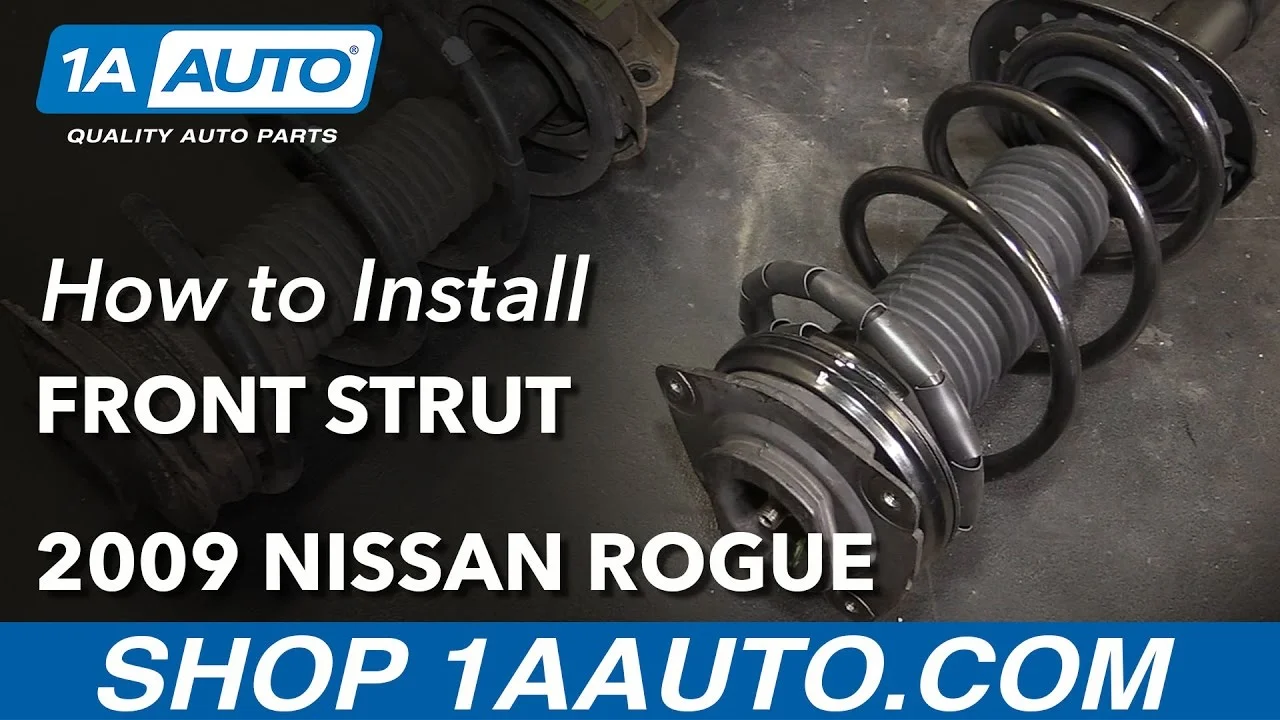
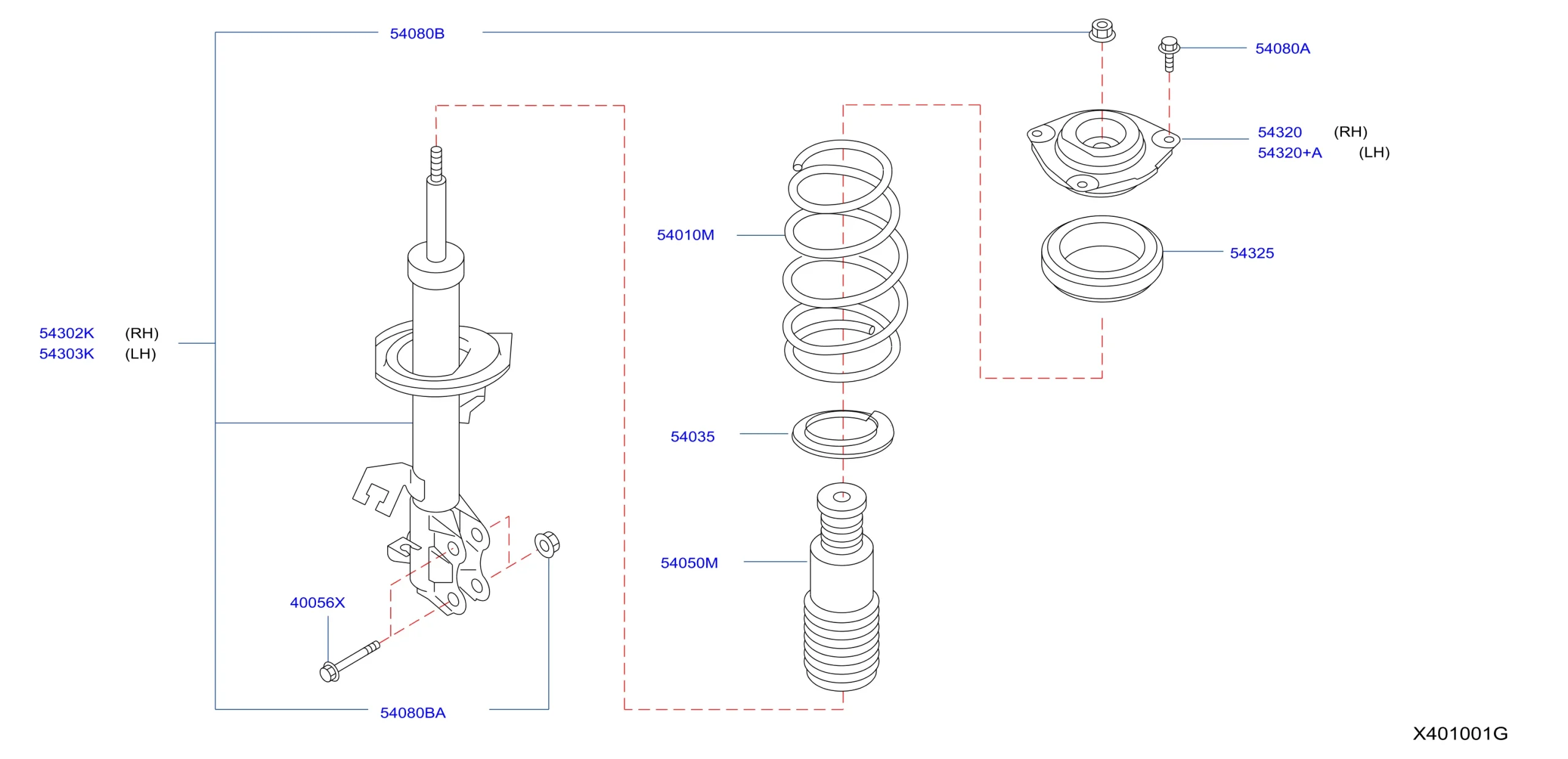
When you purchase a “shock absorber,” you are generally buying the main dampening component. However, some suppliers or mechanics might offer a “shock assembly” or a “kit.” It’s important to clarify what’s included. Often, along with the main shock, you might need new components such as:
- Mounts: The upper and lower pieces that attach the shock to your car’s frame.
- Dust boots: These protect the shock shaft from dirt and debris, extending its life.
- Bump stops: Small rubber cushions that prevent the suspension from bottoming out harshly.
Sometimes these smaller parts are sold separately, adding a bit to your overall cost. Always ask for a detailed quote that specifies all included parts and labor charges. This transparency helps you avoid any surprises on your final bill and ensures you’re getting a complete and proper repair.
Factors Influencing Your Total Shock Replacement Bill
The final price you pay for replacing your Nissan Altima’s rear shocks isn’t a one-size-fits-all number. Several key factors can significantly influence the total cost. Understanding these elements will empower you to make smarter choices and potentially save money without compromising safety or quality.
Vehicle Year, Model, and Trim Level
The specific year and trim level of your Nissan Altima play a significant role in the cost. Newer models, especially those with more advanced suspension systems or higher trim levels, might require specialized shocks that are more expensive than those for older, more basic Altima models. For example, a 2020 Altima with a particular suspension setup might use different and pricier shocks compared to a 2010 Altima. Always provide your mechanic with your Altima’s exact year, make, and model to ensure they quote you for the correct parts. Using the wrong shocks can lead to poor performance and potentially unsafe driving conditions.
Part Quality: OEM vs. Aftermarket vs. Performance
The type of shock absorber you choose also heavily impacts the price and performance. You generally have three main categories:
- OEM (Original Equipment Manufacturer): These are parts identical to what came with your Altima from the factory. They are typically the most expensive but offer guaranteed fit and quality.
- Aftermarket: These parts are made by companies other than Nissan. Brands like KYB, Monroe, and Bilstein are popular. Aftermarket shocks range widely in price and quality. You can find excellent quality aftermarket options that perform as well as or better than OEM for less money, but also very cheap, low-quality options that won’t last.
- Performance: While less common for standard Altima rear shock replacement, some drivers might opt for performance shocks. These are designed for enhanced handling and ride quality, often at a significantly higher cost. They are usually not necessary for daily driving.
Choosing a reputable aftermarket brand often provides the best balance of cost and durability for most Altima owners. Be wary of extremely cheap shocks, as they may wear out quickly, leading to another replacement sooner than you’d like.
Where You Get the Work Done
The shop you choose for the repair will also affect your bill. Different types of service centers have varying labor rates and parts markups:
- Dealerships: Nissan dealerships typically have the highest labor rates and exclusively use OEM parts. While expensive, you often get factory-trained technicians and a strong warranty on parts and labor.
- Independent Mechanics: Local independent shops often offer more competitive labor rates than dealerships. They usually provide options for both OEM and quality aftermarket parts, giving you more flexibility. This can be a great option for balancing cost and expertise.
- Specialty Suspension Shops: These shops focus specifically on suspension and might have more specialized knowledge, though their rates can be comparable to or slightly higher than general independent mechanics.
- Do-It-Yourself (DIY): If you have the right tools, mechanical skills, and safety equipment, replacing rear shocks yourself can save you significant labor costs. However, it requires careful attention to detail and can be dangerous if done incorrectly.
Always get at least two or three quotes from different types of shops. Make sure these quotes are “apples to apples”—meaning they specify the same quality of parts and scope of work—to ensure you’re comparing accurately. This practice will help you find the best value for your Altima’s shock replacement.
DIY vs. Professional Nissan Altima Rear Shock Replacement
Once you understand the costs, the next big decision is often whether to tackle this job yourself or hand it over to a certified mechanic. Both routes have their distinct advantages and disadvantages when it comes to replacing your Altima’s rear shocks.
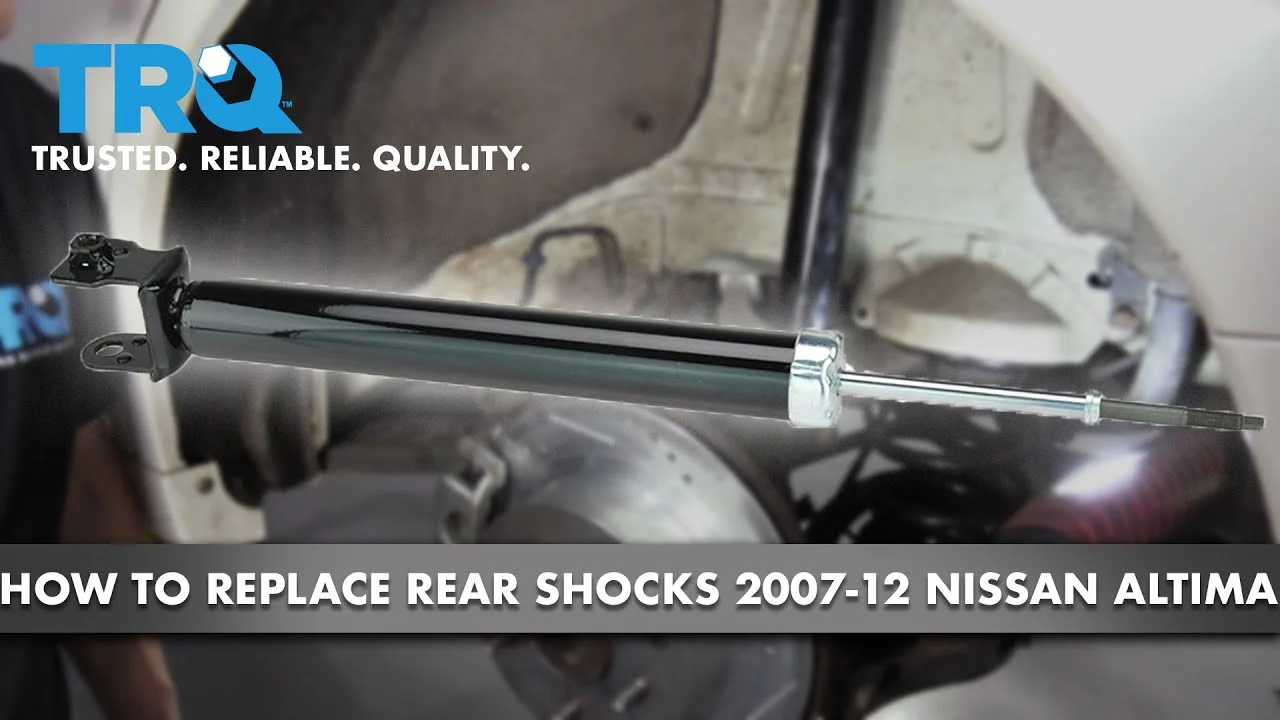
The DIY Route: Saving Money (and Your Back)
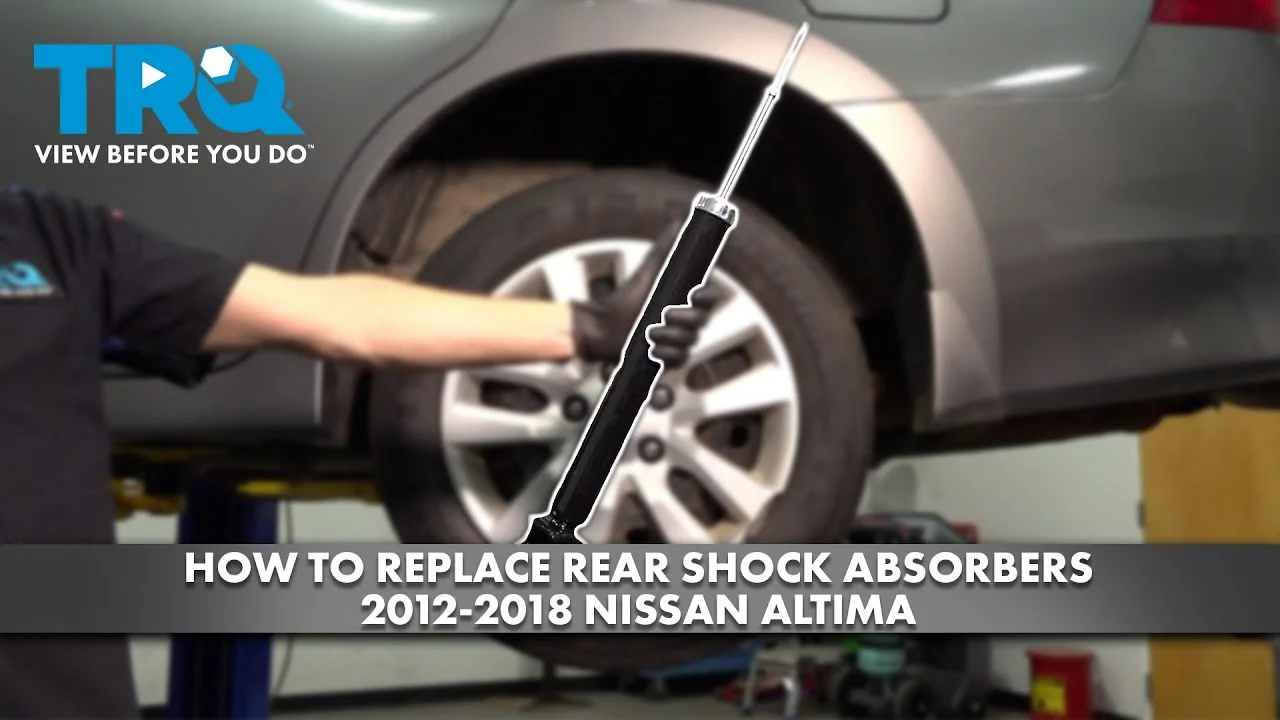
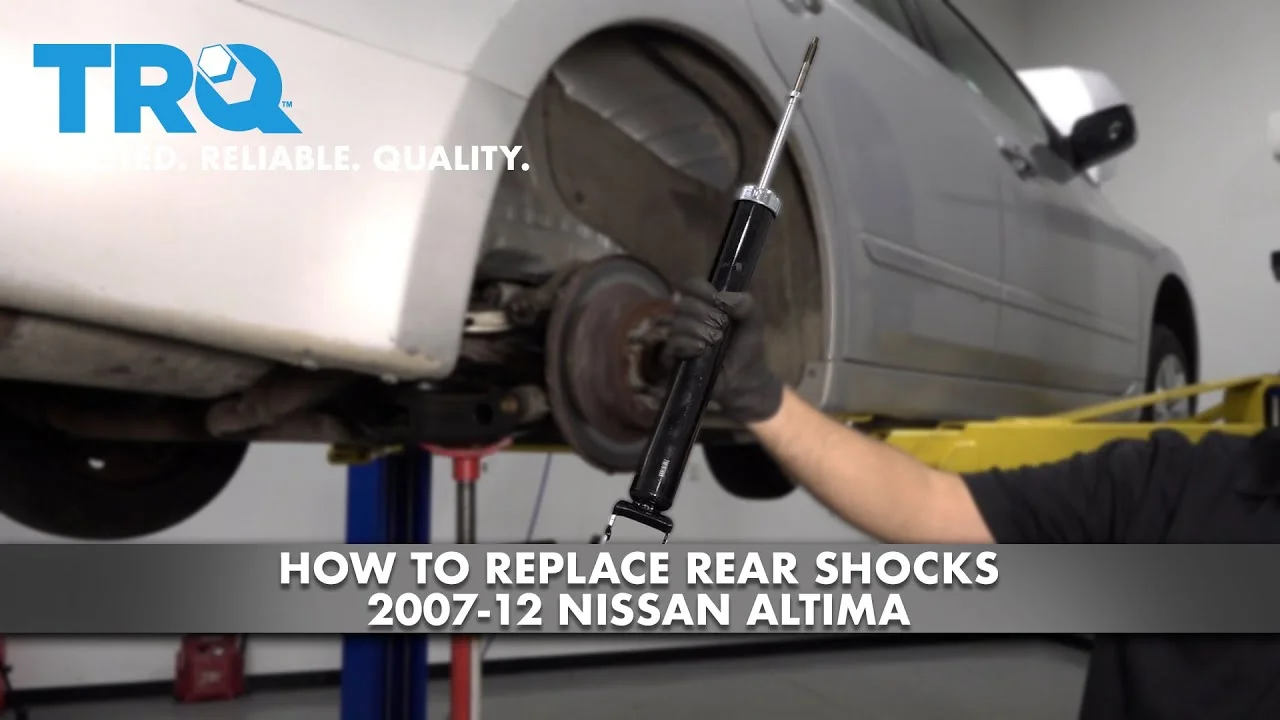
For the mechanically inclined, a DIY rear shock replacement can be an appealing option, primarily because it eliminates labor costs. If you have the right tools and a bit of experience, you could save hundreds of dollars. The process typically involves safely lifting the car, removing the wheels, unbolting the old shock, and installing the new one. Most rear shocks on an Altima are a relatively straightforward “bolt-on” replacement, meaning you won’t usually need a spring compressor, which is a specialized tool often required for front struts.
However, going DIY isn’t for everyone. You’ll need:
- Basic mechanical knowledge: Understanding how to safely lift a vehicle and work with suspension components.
- Essential tools: A reliable jack, jack stands, a comprehensive socket and wrench set, and potentially a torque wrench to ensure proper tightening.
- Time: Even for an experienced DIYer, this job can take 2-4 hours, especially if you encounter rusted bolts.
Safety is paramount. Always use jack stands, wear appropriate safety gear, and never work under a vehicle supported only by a jack.
Why Trust a Professional? Expertise and Peace of Mind
Opting for a professional replacement offers significant advantages, especially if you’re uncomfortable working on your car or lack the necessary tools. Mechanics have specialized lifts, pneumatic tools, and the experience to complete the job efficiently and correctly. They can also identify other potential issues with your suspension system that might be contributing to wear or poor performance.
Benefits of professional service include:
- Expertise: Trained technicians know the exact specifications and torque settings for your Altima.
- Safety: Professionals have the right equipment to perform the job safely and reliably.
- Warranty: Most reputable shops offer a warranty on both parts and labor, providing peace of mind.
- Time-saving: A professional can often complete the job much faster than a DIY enthusiast.
While the labor cost increases the overall price, the assurance of a job done right, often with a warranty, can be a worthwhile investment for many Altima owners.
Signs of Worn Shocks and Benefits of Timely Replacement
Ignoring worn-out shocks isn’t just uncomfortable; it can be dangerous. Your Altima’s shocks play a critical role in handling, braking, and overall vehicle control. Knowing the warning signs can help you prevent further issues and enjoy a safer, smoother ride.
Is It Time? Common Warning Signs
Your Altima will often tell you when its rear shocks are ready for replacement. Pay attention to these common indicators:
- Excessive Bounciness: If your Altima bounces multiple times after hitting a bump or dips excessively when braking or accelerating, your shocks are likely worn. A simple “bounce test” can confirm this: push down hard on the rear bumper and release. If the car bounces more than 1-2 times, it’s a red flag.
- Rough or Uncomfortable Ride: Do you feel every little bump and imperfection in the road? A harsh, jarring ride is a strong indicator of failing shocks.
- Nose Diving or Excessive Sway: Worn rear shocks can cause your Altima’s front end to “dive” significantly during braking, or the car to sway excessively when cornering or driving in crosswinds.
- Fluid Leaks: Visually inspect your shocks for any signs of oily fluid leaking. This indicates a seal has failed, and the shock is no longer effective.
- Uneven Tire Wear: “Cupping” or “scalloping” patterns on your tires (patches of wear alternating with patches of less wear) can be a symptom of worn suspension components, including shocks.
- Strange Noises: Clunking, rattling, or thumping sounds coming from the rear suspension, especially over bumps, can signal worn shock mounts or failed internal components.
Don’t wait for these issues to become severe; early detection can save you from more costly repairs down the line.
The Rewards of New Shocks
Replacing worn rear shocks offers a host of benefits that go far beyond just a smoother ride. It’s an investment in your Altima’s performance, safety, and longevity:
- Improved Ride Comfort: The most immediate benefit you’ll notice is a significantly smoother, more comfortable ride. Bumps will be absorbed effectively, reducing cabin vibrations.
- Enhanced Handling and Control: New shocks restore your Altima’s stability, reducing body roll and improving its ability to hug the road, especially during turns or evasive maneuvers.
- Better Braking Performance: With proper suspension, your tires maintain better contact with the road, leading to shorter stopping distances and improved braking control.
- Reduced Tire Wear: By ensuring consistent tire contact with the road, new shocks prevent the uneven wear patterns caused by excessive bouncing, extending the life of your tires.
- Increased Safety: Ultimately, new shocks mean better control over your vehicle, which is crucial for safe driving in all conditions, from highway cruising to emergency braking.
Timely replacement isn’t just about comfort; it’s about maintaining the engineered performance and safety features of your Nissan Altima.
Your Altima’s Ride: A Worthwhile Investment
Replacing your Nissan Altima’s rear shocks is a crucial maintenance task that directly impacts your vehicle’s safety, comfort, and handling. We’ve explored the varying costs involved, from the parts themselves to the labor whether you choose DIY or professional installation. While the price tag can range widely, investing in quality shocks and professional installation often pays dividends in the long run.
Don’t ignore the warning signs your Altima gives you. If you’re experiencing excessive bounciness, a rough ride, or other suspension issues, it’s time to act. Get your Altima inspected by a trusted mechanic to accurately diagnose the problem and get a precise quote. Compare options, make an informed decision, and restore your Altima to its optimal driving condition. Your safety and comfort on the road are worth it!
💬 Quick Questions & Answers
What is the average cost for Nissan Altima rear shock replacement?
The average cost ranges from $300 to $600 for a pair of rear shocks, covering both parts and labor.
How long does it take to replace rear shocks on an Altima?
A professional mechanic can typically replace both rear shocks in 1-2 hours.
Do I need to replace both rear shocks at once?
Yes, it’s highly recommended to replace both rear shocks simultaneously to maintain balanced handling and ride stability.
What are common signs that Altima rear shocks are bad?
Signs include excessive bouncing, a harsh ride, vehicle squatting, clunking noises, or uneven tire wear.
Can an average DIYer replace Altima rear shocks?
Yes, it’s a moderately difficult DIY job requiring basic tools, jack stands, and potentially a spring compressor.
❓ Frequently Asked Questions
Why do Nissan Altima rear shocks need replacement, and how often?
Rear shocks wear out due to constant movement, road conditions, and accumulated mileage, typically needing replacement every 50,000 to 100,000 miles, though this can vary greatly based on driving habits. They degrade over time, losing their ability to dampen road imperfections effectively.
What specific parts are typically included in a full rear shock replacement?
A full replacement usually includes the shock absorber itself, new mounting hardware, dust boots to protect the shock rod, and sometimes new bump stops. Depending on the design, you might also consider replacing the upper shock mounts if they show signs of wear.
How does choosing OEM vs. aftermarket shocks affect cost and performance for an Altima?
OEM (Original Equipment Manufacturer) shocks generally cost more but ensure a factory-spec ride and fit. Aftermarket options, often more affordable, can offer varying levels of performance, from basic replacements to upgraded sport or comfort-tuned shocks, impacting both cost and your Altima’s handling feel.
What specific tools and safety precautions are required for a DIY Nissan Altima rear shock replacement?
For a DIY replacement, you’ll need a car jack, jack stands, a wrench set, sockets, a torque wrench, and potentially a spring compressor if your Altima uses coil-over shocks. Always prioritize safety by using proper jack stands, wheel chocks, and wearing safety glasses.
What are the consequences of not replacing worn-out rear shocks on my Nissan Altima?
Neglecting worn rear shocks can lead to several problems, including reduced braking efficiency, poor handling, premature tire wear, a less comfortable ride, and increased stress on other suspension components like springs and bushings, potentially leading to more expensive repairs.
Is a wheel alignment necessary after replacing only the rear shocks on a Nissan Altima?
While replacing only rear shocks typically doesn’t directly alter steering geometry, it is still advisable to have your alignment checked afterward, especially if the vehicle exhibited uneven tire wear or other suspension issues prior to the repair. This ensures optimal tire life and vehicle stability.