2014 Honda Accord Alternator Replacement Cost: What to Expect
📋 Table of Contents
Replacing a 2014 Honda Accord alternator typically costs between $400 and $700, largely depending on parts and labor rates. This includes the price of a new or remanufactured alternator, plus 1-2 hours of shop time. DIY can save on labor but requires mechanical skill.
🎯 Key Takeaways
- Expect $400-$700 for 2014 Accord alternator replacement.
- Labor costs are 1-2 hours at $100-$150 per hour.
- Choose OEM, aftermarket, or remanufactured alternators.
- Consider DIY for labor savings if mechanically skilled.
- Get multiple quotes to compare repair prices.
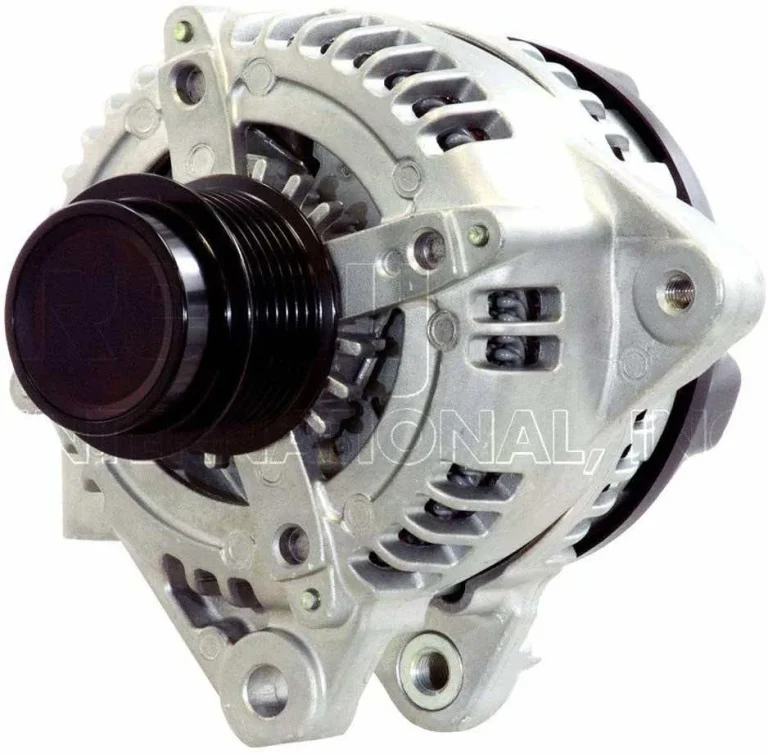
Has your 2014 honda-accord-engine-rebuild-cost-1.webp” title=”honda accord engine rebuild cost 1.webp”>Honda Accord started having trouble starting? Maybe your dashboard battery light is glowing brightly? These are often the first alarming signs that your alternator might be failing. An alternator is vital; it keeps your car’s electrical systems running and recharges the battery while you drive. Without a working one, your car will simply die.
If you own a 2014 Honda Accord, understanding the potential cost of an alternator replacement is smart. It helps you budget wisely and ensures you make informed decisions when your reliable vehicle needs this common repair. Don’t let a surprise repair bill catch you off guard. Let’s break down what you can expect.
Average Costs: Parts, Labor, and Total Estimates
When your 2014 Honda Accord needs a new alternator, the overall cost can vary quite a bit. This depends largely on the parts you choose and where you get the work done. However, we can give you some solid estimates to start with.

The Alternator Part Itself
The cost of the alternator unit is a significant portion of the total. You have a few options, each with a different price point:
- OEM (Original Equipment Manufacturer) Alternators: These are identical to the part your Honda had from the factory. They offer the best fit and often come with a strong warranty. Expect to pay between $300 and $600 for an OEM part.
- Aftermarket Alternators: Made by third-party manufacturers, these can be a good value. Their quality varies, so research is key. Prices typically range from $150 to $400.
- Remanufactured Alternators: These are used alternators that have been rebuilt with new worn components. They are often the most budget-friendly choice. You might find these for $100 to $250.
Always consider the warranty offered with any part. A longer warranty often indicates higher confidence in the part’s quality.
Labor Charges Explained
Labor costs for an alternator replacement can also fluctuate. This job usually takes a mechanic between 1.5 and 3 hours to complete. Most repair shops charge an hourly rate for labor.
- Independent Shops: These tend to have lower hourly rates, often between $80 and $120 per hour. Your total labor cost could be $120 to $360.
- Dealerships: Honda dealerships generally have higher hourly rates, typically $120 to $180 per hour. This means labor could cost you $180 to $540.
In total, combining parts and labor, you can generally expect to pay anywhere from $250 to $1,000 for a 2014 Honda Accord alternator replacement. This range accounts for all the variables we just discussed.
Factors Influencing Your 2014 Honda Accord Alternator Replacement Cost
Understanding the average costs is a great starting point. Now, let’s dive deeper into the specific factors that will ultimately shape your final bill. Being aware of these elements empowers you to make smarter choices and potentially save money.
Choosing Your Parts: OEM vs. Aftermarket vs. Remanufactured
The type of alternator you decide to install is perhaps the most significant cost factor. Each option comes with its own set of trade-offs:
- OEM (Original Equipment Manufacturer) Parts:
- Cost: Highest price point.
- Pros: Guaranteed perfect fit, highest quality control, often backed by a comprehensive Honda warranty. These parts are designed specifically for your 2014 Accord.
- Cons: Can significantly increase your total repair bill.
- Aftermarket Parts:
- Cost: Mid-range pricing.
- Pros: Wider selection of brands, potentially innovative designs, and good value for money if you choose a reputable brand.
- Cons: Quality can vary greatly. Some cheaper options might fail sooner, leading to more repairs down the line.
- Remanufactured Parts:
- Cost: Most affordable option.
- Pros: Environmentally friendly as they reuse existing components, significantly lower cost.
- Cons: Longevity can be less predictable than new parts. Ensure they come with a solid warranty to protect your investment.
When discussing options with your mechanic, ask about their experience with specific aftermarket or remanufactured brands. A good warranty from the parts supplier is crucial for any choice beyond OEM.
Where You Get the Job Done: Dealership vs. Independent Shop
The choice of where you take your Honda for repair also heavily impacts the labor cost and overall experience. Both options have distinct advantages:
- Honda Dealerships:
- Pros: Technicians are factory-trained on Honda vehicles, access to specialized tools and diagnostic equipment, genuine Honda parts used by default, and usually a more formal warranty on labor and parts.
- Cons: Higher hourly labor rates, often leading to a more expensive repair.
- Independent Repair Shops:
- Pros: Typically lower hourly labor rates, personalized service, often more flexible with part choices (OEM, aftermarket, remanufactured), and convenient locations.
- Cons: Quality of technicians can vary. It’s important to choose a shop with good reviews and certified mechanics (like ASE certification).
Many independent shops specialize in Hondas or Asian imports, offering dealership-level expertise without the premium price. Always get at least two quotes before committing to a repair. Don’t be afraid to ask about their experience with your specific car model.
Signs of Alternator Failure and When to Replace It
Understanding the common indicators of a failing alternator can save you from being stranded and potentially prevent further damage to your 2014 Honda Accord's electrical system. Don't wait until your car won't start; catching these symptoms early is crucial.

Common Symptoms to Watch For
Your Accord is quite good at giving you clues when its alternator is struggling. Pay attention to these tell-tale signs:
- The "BAT" Warning Light: This is often the most direct indicator. When your dashboard's battery light (which typically looks like a battery icon) illuminates, it means your charging system isn't working correctly.
- Dimming or Flickering Lights: Are your headlights, interior lights, or dashboard lights looking a bit dim, especially at idle? This suggests the alternator isn't generating enough power for all your electrical components.
- Slow or Malfunctioning Accessories: If your power windows are sluggish, your radio cuts out, or your heated seats aren't as warm, it could be a sign of insufficient power from the alternator.
- Strange Noises: A failing alternator can sometimes produce a whining or grinding sound from under the hood. This might indicate a worn-out bearing within the alternator itself.
- Difficulty Starting or Stalling: Ultimately, if your alternator isn't charging the battery, the battery will drain. This leads to slow engine cranking or a completely dead battery, leaving you unable to start the car.
Timely Diagnosis Prevents Bigger Problems
Ignoring these symptoms can quickly turn a manageable repair into a major headache, leaving you stranded. When you notice any of these signs, prompt action is key. A simple test at most auto parts stores can confirm if your alternator or battery is the culprit.
- Observe your dashboard for any illuminated warning lights, especially the battery icon.
- Note any changes in the performance of your electrical accessories.
- Listen for unusual noises emanating from the engine bay.
- If in doubt, get your battery and charging system tested by a professional or at a local auto parts store.
Saving Money: DIY vs. Professional & Warranty Options
When faced with an alternator replacement, you have options that can significantly impact the final cost. Deciding whether to tackle it yourself or hire a professional, and understanding part warranties, are key to managing your expenses effectively.
Weighing DIY Against Professional Installation
For some, replacing a 2014 Honda Accord alternator might be a feasible DIY project, while for others, professional help is the smarter choice.
- DIY Installation: If you're mechanically inclined and have the right tools (a socket set, torque wrench, multimeter, and basic car jack/stands), you could save hundreds on labor costs. The 2014 Accord's alternator is generally accessible, but proper belt tensioning and electrical connections are critical. However, if you lack experience or confidence, mistakes can be costly and even dangerous.
- Professional Installation: Opting for a certified mechanic provides peace of mind. They have specialized tools, diagnostic equipment, and expertise to ensure the job is done correctly and safely. Many shops also offer a warranty on both parts and labor, which is invaluable if issues arise shortly after the repair.
Practical Example: If you've successfully changed brakes or a serpentine belt before, you might find the alternator replacement manageable. For intricate engine work, a professional will always be the safer bet.
Maximizing Savings with Part Warranties and Used Options
The type of replacement part you choose also plays a major role in both cost and long-term reliability.
- New Alternators: These typically come with the best warranties (e.g., 1-year to limited lifetime), offering the most assurance against future failures. They are the most expensive upfront but can be a wise investment.
- Remanufactured Alternators: Often a great middle-ground, remanufactured units are factory-rebuilt to meet OEM specifications. They are less expensive than new ones and usually come with a decent warranty (e.g., 1-2 years), making them a popular choice.
- Used Alternators: Sourced from salvage yards, these are the cheapest option but come with significant risks. They rarely have a warranty and their operational history is unknown, meaning they could fail again very soon. This option is generally not recommended for a critical component like an alternator.
Always ask about the warranty when purchasing any replacement part, regardless of whether you're installing it yourself or having a professional do it. A solid warranty can protect you from paying for the same repair twice.
- Honestly assess your comfort and skill level for a DIY project.
- Always inquire about the warranty duration and terms for any replacement alternator you consider.
- Consider a high-quality remanufactured alternator for a balance of cost and reliability.
- If going professional, collect and compare quotes from at least 2-3 reputable shops.
Final Thoughts on Your Accord's Alternator
Navigating an alternator replacement for your 2014 Honda Accord doesn't have to be a guessing game. The total cost typically ranges from $350 to $700+, influenced by your choice of part, labor rates, and whether you DIY or opt for professional service. Recognizing the early signs of failure, like dimming lights or that tell-tale battery warning light, is your first line of defense.
Don't delay diagnosis if you suspect an issue, as prompt action can prevent further electrical problems. Whether you roll up your sleeves or enlist a trusted mechanic, empower yourself with knowledge about part warranties and repair options. Making an informed decision ensures your Accord stays reliably charged and keeps you safely on the road for years to come.
💬 Quick Questions & Answers
How much is an alternator for a 2014 Honda Accord?
An alternator unit typically costs $200-$400, depending on whether it’s OEM, aftermarket, or a remanufactured part.
What’s the labor cost for replacing a 2014 Accord alternator?
Labor usually runs $100-$300, accounting for 1-2 hours of work at shop rates of $100-$150 per hour.
Can I replace the alternator myself?
Yes, if you have basic mechanical skills and tools, replacing it yourself can save significantly on labor costs.
How long does a 2014 Accord alternator last?
A factory alternator typically lasts 80,000 to 150,000 miles, but this can vary based on driving conditions.
Is it better to use an OEM or aftermarket alternator?
OEM offers guaranteed fit and quality, while aftermarket can be more affordable. Remanufactured is a budget-friendly, reliable option.
❓ Frequently Asked Questions
What’s the average total cost for a 2014 Honda Accord alternator replacement, including parts and labor?
The average total cost ranges from $400 to $700. This includes roughly $200-$400 for the alternator part itself (OEM, aftermarket, or remanufactured) and $100-$300 for 1-2 hours of labor at typical shop rates.
What specific factors influence the cost of replacing my 2014 Honda Accord alternator?
Key factors include the type of alternator (OEM is pricier than aftermarket or remanufactured), regional labor rates, and whether you go to a dealership versus an independent mechanic. The complexity of the specific Accord trim level might also slightly affect labor time.
What are the common signs my 2014 Honda Accord alternator is failing, and how soon should I replace it?
Common signs include a battery warning light on the dashboard, dimming headlights, power windows operating slowly, or a whining noise from under the hood. It’s crucial to replace it immediately once diagnosed to avoid being stranded, as it can stop charging the battery completely.
Can I save money by using a remanufactured alternator for my 2014 Honda Accord, and are they reliable?
Yes, opting for a remanufactured alternator can significantly reduce parts cost, often saving $50-$150 compared to a new unit. High-quality remanufactured alternators are typically reliable and come with a warranty, making them a popular, cost-effective choice.
What’s involved in a DIY alternator replacement for a 2014 Honda Accord, and what tools do I need?
A DIY replacement involves disconnecting the battery, removing the serpentine belt, unbolting the old alternator, and installing the new one. You’ll need basic hand tools like a ratchet set, wrenches, a breaker bar, and potentially a serpentine belt tensioner tool. Always consult a repair manual.
Does a failing alternator on a 2014 Honda Accord impact other electrical components or the battery life?
Absolutely. A failing alternator will not properly charge the battery, leading to battery drain and eventually complete failure. It can also cause inconsistent voltage to other electrical components, potentially affecting their performance or lifespan if not addressed promptly.