Toyota Highlander Alternator Replacement Cost Guide
📋 Table of Contents
The average Toyota Highlander alternator replacement cost ranges from $400 to $700, including parts and labor. This price can vary significantly based on the Highlander’s model year, engine type, chosen parts (OEM vs. aftermarket), and your geographic location.
🎯 Key Takeaways
- Average replacement cost is $400-$700 for parts and labor.
- DIY replacement can save $150-$300 on labor costs.
- OEM alternators are pricier but often offer better longevity.
- Get a diagnostic test to confirm alternator failure first.
- Compare quotes from multiple mechanics for best pricing.
Have you ever noticed your Toyota Highlander’s headlights dimming, or perhaps a battery warning light flickering on your dashboard? These are often the first signs that a critical component under your hood, the alternator, might be struggling. This small but mighty device is responsible for generating electricity to power all your vehicle’s electrical systems and recharge your battery while the engine runs.
Understanding the potential cost of an alternator replacement is crucial for any Highlander owner. Nobody wants to be caught off guard by unexpected repair bills. Knowing what to expect can help you budget, make informed decisions, and ensure your reliable SUV stays on the road without draining your wallet unnecessarily. Let’s break down the costs involved.
Breakdown of Toyota Highlander Alternator Replacement Costs
Replacing your Toyota Highlander’s alternator involves two primary expenses: the cost of the part itself and the labor to install it. These two components make up the total bill you’ll receive. It’s helpful to consider each separately to understand where your money is going.
Parts Cost: What You Pay for the Alternator Itself
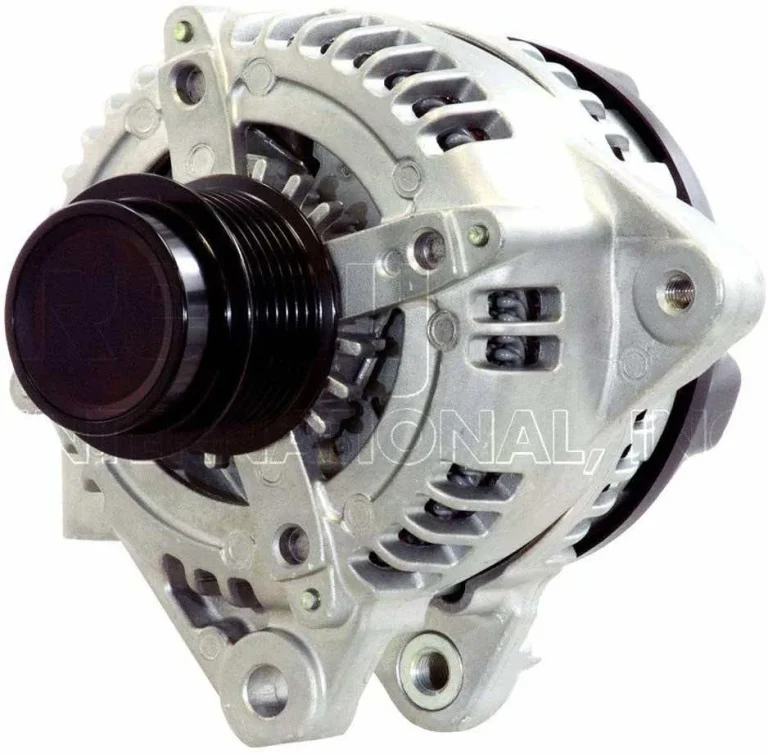
The alternator unit can vary significantly in price. This often depends on whether you choose an original equipment manufacturer (OEM) part, an aftermarket part, or a remanufactured one. OEM parts are made by Toyota and typically offer the highest quality and perfect fit, but they are also the most expensive. Aftermarket parts are produced by third-party companies. They can be a good value, but quality varies. Remanufactured alternators are original parts that have been rebuilt and tested. They offer a balance of cost and reliability.
- OEM Alternator: You can expect to pay anywhere from $300 to $600 for an OEM alternator for your Toyota Highlander.
- Aftermarket Alternator: These usually range from $150 to $400. Quality can be a factor, so research brands.
- Remanufactured Alternator: These often fall between $100 and $300, providing a cost-effective option.
Always ensure any replacement part comes with a warranty. This gives you peace of mind if an issue arises soon after installation.
Labor Cost: The Mechanic’s Bill
The labor involved in replacing an alternator will depend on where you take your vehicle and how long the job takes. A skilled mechanic can typically replace a Highlander alternator in 1.5 to 3 hours. Some models, especially hybrid versions, might take longer due to more complex access or additional components.
- Hourly Shop Rates: These can range from $80 to $150 per hour, sometimes more in urban areas.
- Total Labor Estimate: For a Toyota Highlander, expect labor costs to be between $120 and $450.
When you combine parts and labor, the total estimated cost for a Toyota Highlander alternator replacement typically falls between $220 and $1,050. This wide range highlights why understanding the influencing factors is so important.
Factors Influencing Your Highlander Alternator’s Price
Several elements can significantly impact the final price you pay for an alternator replacement. Being aware of these can help you better anticipate expenses and potentially save money. Each Highlander is unique, and so too can be its repair costs.
Your Highlander’s Model Year and Trim
Not all Toyota Highlander alternators are created equal. The specific model year of your Highlander plays a big role. Newer Highlanders, particularly those with more advanced electronics or hybrid powertrains, often use more sophisticated and therefore more expensive alternators. For example, a Highlander Hybrid might have a different type of alternator system compared to a gasoline-only model, potentially increasing both parts and labor costs.
Older Highlanders might have simpler, more common alternators that are cheaper and easier to source. Always provide your mechanic with your exact year, make, and model information. This ensures they quote you correctly for the right part and the appropriate labor time.
Where You Get the Work Done
The choice of repair facility is another major factor in your total cost. Different types of shops have varying overheads and labor rates, which directly impact your bill.
- Dealerships: Toyota dealerships typically use OEM parts and have factory-trained technicians. This often means higher prices, but also a high level of expertise and guaranteed OEM quality. Expect to pay premium rates.
- Independent Mechanic Shops: These shops usually offer a good balance of quality and cost. They might use aftermarket or remanufactured parts, giving you more options. Their hourly rates are often lower than dealerships.
- Specialty Auto Shops: Some shops focus solely on electrical systems. They might have specific expertise, which can be beneficial, but their pricing can vary.
- DIY (Do-It-Yourself): If you have the tools, skills, and time, replacing the alternator yourself can save you a significant amount on labor costs. However, it requires mechanical aptitude and confidence. If you make a mistake, it could be more costly in the long run.
Always get at least two or three quotes from different reputable shops. Compare not just the total price, but also the warranty offered on both parts and labor. Your location also matters; repair costs can be higher in metropolitan areas compared to rural regions due to varying costs of living and business overheads.
<h2>DIY vs. Professional Alternator Replacement for Savings</h2>
<p>When facing an alternator replacement, many Highlander owners ponder whether to tackle it themselves or call a professional. Both options have distinct cost implications and considerations.</p>
<h3>Weighing the Cost Savings of DIY</h3>
<p>The most significant saving in a DIY alternator replacement is <strong>labor cost</strong>. Professionals typically charge anywhere from $100 to $200 per hour, and an alternator job can take 1.5 to 3 hours. So, doing it yourself could save you $150 to $600 just on labor!</p>
<p>However, DIY isn’t for everyone. You’ll need a decent set of tools, including socket wrenches, a serpentine belt tool, and possibly a multimeter for testing. If you don’t own these, the initial tool investment can eat into your savings. A Toyota Highlander alternator replacement, while not the most complex repair, does require some mechanical aptitude and patience.</p>
<p>Here’s a simplified look at the DIY process:</p>
<ol>
<li><strong>Safety First:</strong> Disconnect the negative battery terminal to prevent electrical shorts.</li>
<li><strong>Access:</strong> Depending on your Highlander’s year and engine, you might need to remove air intake components or other obstacles.</li>
<li><strong>Belt Removal:</strong> Use a serpentine belt tool to release tension and remove the drive belt from the alternator pulley.</li>
<li><strong>Electrical Disconnect:</strong> Unplug the electrical connector and unbolt the main power wire.</li>
<li><strong>Unbolt and Remove:</strong> Remove the mounting bolts holding the alternator in place and carefully extract it.</li>
<li><strong>Installation:</strong> Install the new alternator in reverse order, ensuring all connections are secure and the belt is properly tensioned.</li>
</ol>
<p>Always consult your Highlander’s specific service manual for detailed instructions!</p>
<h3>When to Call in the Experts</h3>
<p>Despite the potential savings, there are compelling reasons to opt for professional help. If you’re not comfortable working under the hood, lack the necessary tools, or simply don’t have the time, a mechanic is your best bet. Professionals bring:</p>
<ul>
<li><strong>Expertise and Efficiency:</strong> They can diagnose the issue accurately and complete the repair quickly and correctly.</li>
<li><strong>Proper Tools:</strong> Shops have specialized tools that make the job easier and safer.</li>
<li><strong>Warranty Protection:</strong> Most shops offer a warranty on parts and labor, providing peace of mind. If the new alternator fails prematurely, they’ll fix it at no extra cost.</li>
<li><strong>Complexities:</strong> Some Highlander models have alternators that are harder to access, making professional installation more appealing.</li>
</ul>
<p>Ultimately, the choice comes down to your comfort level, experience, and budget. For many, the peace of mind and warranty offered by a professional service outweigh the potential DIY savings.</p>
<h2>Recognizing a Failing Alternator and Preventative Tips</h2>
<p>Knowing the signs of a dying alternator can save you from being stranded and potentially reduce repair costs by addressing the issue early.</p>
<h3>Key Indicators Your Alternator is Failing</h3>
<p>Your Highlander will usually give you some warnings before its alternator completely gives up. Pay attention to these common symptoms:</p>
<ol>
<li><strong>Battery Warning Light:</strong> This is often the most direct sign. A battery-shaped icon (or “ALT” / “GEN” for Generator) illuminating on your dashboard indicates a problem with the charging system. It doesn’t always mean your battery is bad, but rather that it’s not receiving a charge from the alternator.</li>
<li><strong>Dimming or Flickering Lights:</strong> Headlights that appear dim, interior lights that flicker, or the dashboard lights losing brightness, especially at idle, point to insufficient power from the alternator.</li>
<li><strong>Malfunctioning Accessories:</strong> Your Highlander’s electrical accessories like the radio, power windows, air conditioning, or infotainment system might start acting erratically or fail entirely when the alternator isn’t supplying enough voltage.</li>
<li><strong>Strange Noises:</strong> A grinding or whining noise coming from under the hood can indicate worn bearings within the alternator. This noise often intensifies with engine RPM.</li>
<li><strong>Frequent Dead Battery:</strong> If your battery constantly dies, especially after being jump-started, it’s a strong indicator that the alternator isn’t recharging it properly. The alternator is responsible for keeping your battery topped up while the engine runs.</li>
<li><strong>Burning Smell:</strong> An odor resembling burning rubber or hot wires could indicate an overworked alternator, slipping belt, or electrical shorts.</li>
</ol>
<p>If you notice any of these signs, it’s wise to have your charging system checked by a professional without delay. Ignoring them can lead to being stranded or even damage to other electrical components.</p>
<h3>Proactive Measures to Extend Alternator Life</h3>
<p>While alternators are designed to last, a few preventative steps can help prolong their lifespan and keep your Highlander running smoothly:</p>
<ul>
<li><strong>Regular Battery Checks:</strong> Ensure your battery is in good health. A weak or failing battery puts extra strain on the alternator as it constantly tries to recharge it.</li>
<li><strong>Avoid Overloading Electrical Systems:</strong> Try not to run too many high-draw accessories (e.g., heated seats, defroster, high-beam lights, powerful stereo) simultaneously, especially at low RPMs or when the engine is off.</li>
<li><strong>Inspect Drive Belt:</strong> Periodically check the serpentine belt for cracks, fraying, or excessive looseness. A worn or loose belt can slip, preventing the alternator from spinning at full efficiency. Replace it if necessary.</li>
<li><strong>Address Fluid Leaks Promptly:</strong> Oil, coolant, or power steering fluid leaks can contaminate the alternator, leading to premature failure. Get any leaks fixed as soon as you notice them.</li>
<li><strong>Clean Alternator:</strong> Ensure the alternator and its connections are free from dirt, dust, and corrosion. A wire brush can clean terminals, improving conductivity.</li>
</ul>
<p>By being mindful of these tips and addressing any warning signs quickly, you can help ensure your Toyota Highlander’s alternator performs reliably for years to come.</p>
<h2>Conclusion</h2>
<p>Navigating a Toyota Highlander alternator replacement involves understanding the core costs: the part itself (typically $150-$400 for aftermarket, $400-$700+ for OEM) and labor (ranging from $150-$600, depending on hourly rates and vehicle year). Total costs usually fall between $300 and $1,300. While DIY offers significant labor savings, it requires mechanical skill and proper tools. For many, the peace of mind and warranty of professional service are invaluable.</p>
<p>Don’t ignore the warning signs of a failing alternator like dim lights or a dashboard battery light. Acting quickly can prevent breakdowns and potentially higher repair costs. Get multiple quotes from trusted mechanics, or if you’re skilled, consider a DIY approach with a quality aftermarket part. Prioritizing this repair ensures your Highlander remains reliable and safe for every journey ahead!</p>
💬 Quick Questions & Answers
How much does a Toyota Highlander alternator part cost?
The alternator part itself typically costs between $200 and $450, depending on whether it’s an OEM or aftermarket unit.
How long does it take to replace a Highlander alternator?
A professional mechanic usually takes 1 to 3 hours to replace a Toyota Highlander alternator.
What are common signs of a failing Highlander alternator?
Common signs include dimming lights, a battery warning light, strange noises, or difficulty starting the vehicle.
Can I drive my Highlander with a bad alternator?
Driving with a bad alternator is risky as your battery won’t recharge, leading to a breakdown once the battery dies.
Is it worth buying an OEM alternator for a Highlander?
OEM alternators often provide superior durability and a perfect fit, which can justify their higher cost for long-term reliability.
❓ Frequently Asked Questions
What is the typical range for Toyota Highlander alternator replacement cost?
For a Toyota Highlander, expect to pay between $400 and $700 for a complete alternator replacement. This includes the cost of the new alternator, which can be $200-$450, plus 1-3 hours of labor at $75-$150 per hour.
Should I choose an OEM or aftermarket alternator for my Highlander?
While OEM alternators offer guaranteed compatibility and often better longevity, aftermarket options can be significantly cheaper, ranging from $100-$300. Consider your budget and how long you plan to keep the vehicle when deciding.
What diagnostic steps confirm a Highlander alternator failure?
Mechanics typically test the battery voltage and then the alternator’s output voltage while the engine is running. They might also check the serpentine belt tension and connections to rule out other electrical issues causing similar symptoms.
What tools are needed for a DIY Toyota Highlander alternator replacement?
For a DIY replacement, you’ll generally need a socket set, wrench set, serpentine belt tool (or breaker bar), a torque wrench, battery terminal cleaner, and potentially a jack and jack stands for easier access.
How can I extend the life of my Toyota Highlander’s alternator?
To extend its life, ensure your battery is healthy, avoid overloading the electrical system with too many aftermarket accessories, and regularly check your serpentine belt for proper tension and wear.
Are there different alternator costs for various Highlander model years?
Yes, newer Highlander models, especially those with more complex electrical systems or higher output requirements, may have more expensive alternators. Variations also occur between 4-cylinder and V6 engines.