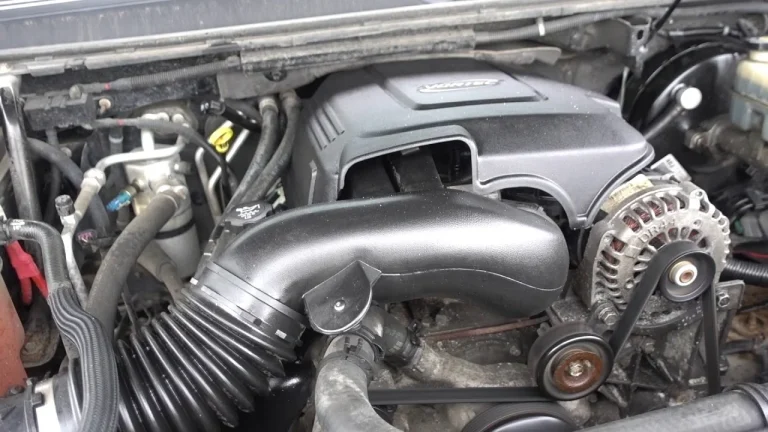
How Much Does a Toyota 4Runner Water Pump Replacement Cost?
📋 Table of Contents
Replacing a Toyota 4Runner water pump is a crucial maintenance task, typically costing between $400 and $800 depending on parts and labor rates. This essential repair prevents engine overheating and significant damage, making it a wise investment in your vehicle’s longevity. Understanding the cost breakdown helps you budget effectively.
🎯 Key Takeaways
- Expect $400-$800 for 4Runner water pump replacement.
- DIY can halve costs by saving on labor.
- Timely replacement prevents costly engine damage.
- Always compare multiple repair shop estimates.
- Consider replacing timing belt simultaneously.
That subtle whine under the hood, or a mysterious puddle of green liquid. Sound familiar? For many Toyota 4Runner owners, these can be early warnings from a crucial component: your water pump. This vital part keeps your engine cool. It prevents catastrophic damage.
Ignoring a failing water pump can lead to engine overheating. This can cause cracked cylinder heads or warped engine blocks. Repair costs then skyrocket. Understanding the replacement cost upfront helps you budget. It lets you make informed decisions. It protects both your wallet and your beloved 4Runner.
Understanding Toyota 4Runner Water Pump Replacement Costs
The Critical Role of Your Water Pump and Common Failure Signs
Your Toyota 4Runner’s engine generates immense heat. The water pump is its cooling system’s heart. It circulates coolant (antifreeze) through the engine. This process dissipates heat. Without a functioning water pump, your engine would quickly overheat. Severe engine damage would follow.
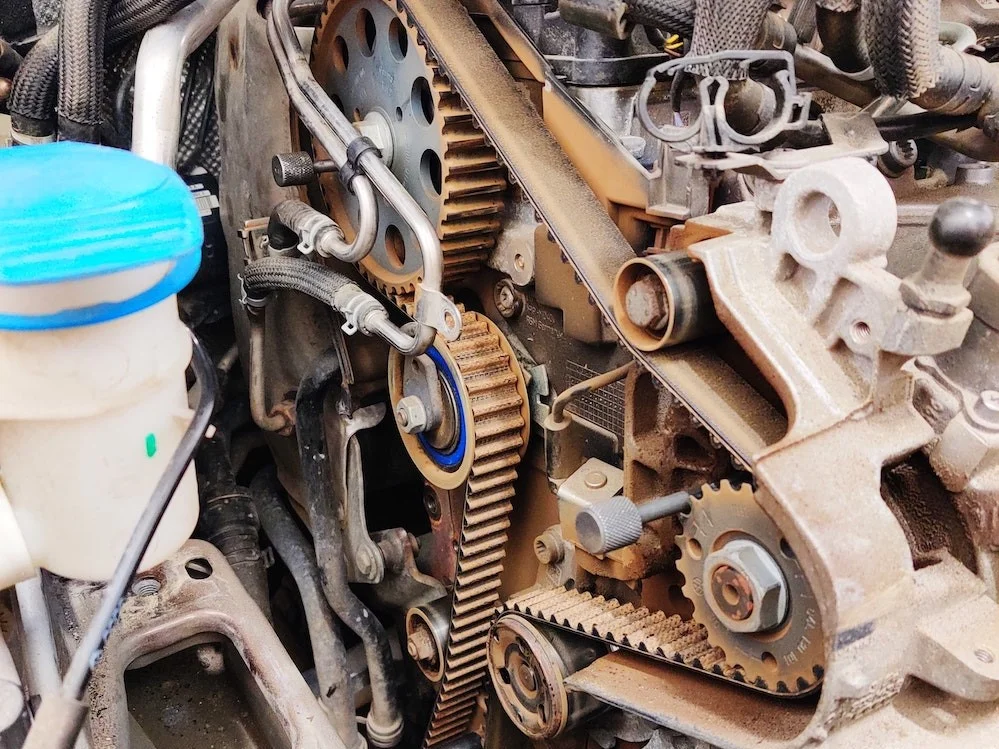
Water pumps contain seals and bearings that wear out. Common signs of failure include a distinct whining noise from worn bearings. You might also see coolant leaking from under your vehicle. This indicates a seal failure. An illuminated dashboard temperature warning light or steam from under the hood are urgent signals of overheating. Do not ignore these. Pull over safely. Seek immediate professional help. Catching issues early saves significant repair money.
Breaking Down the Average Cost Range for Replacement
When replacing your 4Runner’s water pump, expect a range of costs. These typically cover both parts and labor. On average, anticipate paying anywhere from $400 to $800 for the entire replacement. The part itself usually costs between $100 and $250. This depends heavily on choosing an Original Equipment Manufacturer (OEM) part or an aftermarket equivalent.
Labor charges form a significant bill portion. Replacing a water pump can be time-consuming. It often requires removing other engine components for access. Labor costs typically range from $300 to $550. This varies by shop’s hourly rate and your geographic location. Always ask for a detailed, itemized quote. This helps you understand costs. Consider your 4Runner’s age and mileage. Other components, like the timing belt, are often replaced concurrently. Combining these jobs saves labor costs long-term.
Factors Influencing Your Total Repair Bill
The Impact of Parts Quality: OEM vs. Aftermarket Options
The type of water pump you choose impacts your total expense. You have two main options: Original Equipment Manufacturer (OEM) parts or aftermarket parts.
OEM parts are from Toyota or an approved supplier. They match your factory-installed part. These offer the best fit, quality, and lifespan, with a reliable warranty. The downside? They are usually the most expensive. You pay a premium for this peace of mind.
Aftermarket parts are from other companies. They are designed to fit and function like the original. Quality and price vary widely. Some reputable brands offer good quality at a lower price. Others are cheaper but may compromise durability. Always research aftermarket brands. Read reviews and consider the warranty. A cheaper part might save money now but could fail sooner, leading to another costly repair. Discuss options with your mechanic for reliable alternatives.
Labor Rates, Shop Type, and Additional Services
Where you get your water pump replaced significantly impacts labor costs. Hourly rates differ across regions; city mechanics often charge more. The type of repair shop also affects the price.
Toyota dealerships typically have higher labor rates. Their technicians are factory-trained and use genuine parts. Independent repair shops often have lower hourly rates. Many are highly skilled and offer excellent service, with more flexibility on part choices. Getting multiple quotes is always smart.
Consider bundled services. In many 4Runner models, the water pump is driven by the timing belt. If your timing belt is due (e.g., every 90,000 miles), replace both. Labor to access the water pump is similar to the timing belt. Replacing them together avoids paying twice for similar labor. This saves hundreds of dollars. Your mechanic might also suggest replacing the serpentine belt, tensioner, or radiator hoses. These are easier to access when the water pump is serviced. Always inquire about recommended additional services.
DIY vs. Professional Installation: Cost & Complexity
When facing a water pump replacement, one of the biggest decisions is whether to tackle it yourself or hire a professional. Both options have significant implications for your wallet and your peace of mind.
The DIY Route: Savings vs. Skill
If you’re an experienced home mechanic with a well-stocked toolbox, replacing your 4Runner’s water pump yourself can save you a substantial amount on labor costs. You’ll only pay for the parts, which, as we discussed, range from $100 to $300. This can effectively shave off $500 to $1000 from the total bill.
However, this is not a job for the faint of heart or the inexperienced. The water pump on a Toyota 4Runner is typically located behind other components, often requiring the removal of the serpentine belt, fan shroud, and sometimes even the alternator or power steering pump to access it. It’s a multi-hour endeavor (expect 4-8 hours, or more for novices) that demands specific tools like a torque wrench to ensure proper sealing, fluid catch pans, and knowledge of how to properly bleed the cooling system to avoid air pockets. An incorrect installation can lead to coolant leaks, overheating, or even further engine damage, turning your cost savings into a much larger expense.
Professional Installation: Peace of Mind & Expertise
Opting for a professional mechanic, while more expensive upfront, offers several undeniable benefits. You’re paying for expertise, specialized tools, and the efficiency of someone who performs this repair regularly. A certified mechanic will ensure the job is done correctly, using the right parts and following manufacturer specifications, which is crucial for a vital component like the water pump.
Furthermore, most reputable repair shops offer a warranty on both the parts and the labor. This means if the new water pump fails prematurely or if there’s an issue with the installation, you’re covered. For many 4Runner owners, the peace of mind knowing the job is done right and backed by a guarantee far outweighs the higher cost. Unless you’re highly confident in your mechanical abilities and have the time and tools, professional installation is generally the recommended path for this critical repair.
Signs Your Water Pump Needs Replacement & What to Do Next
Catching a failing water pump early can save your engine from catastrophic damage. Your 4Runner will usually give you some clear warnings.
Key Indicators of a Failing Water Pump
- Coolant Leaks: This is one of the most common signs. You might notice a puddle of coolant (often green, pink, or orange) under the front of your 4Runner, especially when it’s parked. Leaks typically occur from a failing gasket or a crack in the pump housing.
- Engine Overheating: If your temperature gauge starts creeping into the red zone, or you see steam coming from under the hood, your water pump might not be circulating coolant effectively. This is a critical warning sign that should not be ignored.
- Whining or Grinding Noises: A worn-out water pump often produces an audible whining, grinding, or growling sound from the front of the engine. This is usually caused by failing bearings inside the pump, which can progressively worsen over time.
- Steam from Radiator/Engine: A visible plume of steam or a sweet, burning smell indicates that your engine is severely overheating due to a lack of coolant circulation.
- Dashboard Warning Lights: Your “Check Engine Light” or a specific “Coolant Temperature Warning Light” might illuminate, signaling a problem with your cooling system, which could directly point to a failing water pump.
What to Do When You Suspect a Problem
If you notice any of these symptoms, taking immediate action is crucial to prevent further damage to your Toyota 4Runner’s engine. Here’s a quick guide:
- Stop Driving Immediately: If your engine is overheating, pull over to a safe location as soon as possible and turn off the engine. Continuing to drive an overheating vehicle can lead to warped cylinder heads, blown head gaskets, and other extremely costly repairs.
- Inspect for Leaks: Once the engine has cooled down (never open a hot radiator cap!), check for visible coolant leaks around the water pump, hoses, and radiator.
- Check Coolant Level: Verify the coolant level in your overflow reservoir and, if safe to do so, in the radiator itself. Low coolant can be a symptom or a cause of overheating.
- Listen for Noises: If the engine is cool and safe to start, listen carefully for any abnormal noises coming from the water pump area.
- Consult a Professional: Even if you’re planning a DIY repair, getting a professional diagnosis can confirm the issue and prevent misdiagnosis. If your vehicle is overheating, it’s safest to have it towed to a reputable mechanic rather than risking further damage by driving it.
Conclusion
A failing water pump is a critical issue that demands prompt attention for your Toyota 4Runner. While the specific cost can vary based on your location, your 4Runner’s year, and whether you choose OEM or aftermarket parts, you can generally expect to pay anywhere from $100-$300 for parts and an additional $500-$1000 for labor if you go the professional route. DIY can save you money, but it requires significant mechanical skill and time.
Don’t ignore the warning signs like leaks, strange noises, or overheating. Addressing a failing water pump quickly is key to preventing more severe and expensive engine damage. Get a professional diagnostic, weigh your repair options, and invest in keeping your reliable 4Runner running smoothly for years to come.
💬 Quick Questions & Answers
What is the average cost for a Toyota 4Runner water pump replacement?
The average cost ranges from $400 to $800, including both parts and labor.
Can I replace a 4Runner water pump myself?
Yes, experienced DIYers can, potentially saving significantly on labor costs.
How long does a water pump replacement take?
Professionally, it usually takes 3-5 hours, but DIY can take longer.
What are the signs of a failing water pump?
Common signs include coolant leaks, engine overheating, and a whining noise from the engine.
Does a water pump replacement usually include the timing belt?
Often, yes, especially on models where the water pump is driven by the timing belt, to save on future labor.
❓ Frequently Asked Questions
What specific components contribute to the total Toyota 4Runner water pump replacement cost?
The total cost includes the water pump itself (ranging $70-$200 for OEM or aftermarket), new coolant, gaskets, and potentially a new timing belt or accessory belts. Labor is the largest factor, typically $300-$600, varying by region and shop.
How does the vehicle’s year and engine type affect the water pump replacement cost for a 4Runner?
Newer 4Runner models or those with different engine configurations (e.g., V6 vs. V8 in older generations) might have varying labor times or specific parts that influence the total cost. The accessibility of the water pump can significantly impact labor hours required for the repair.
Are there any hidden costs or recommended additional services when replacing a 4Runner water pump?
Often, technicians recommend replacing the timing belt (if applicable) and tensioners simultaneously, as they require similar labor access. A coolant flush and replacement of old or worn hoses are also common additions to ensure the entire cooling system’s integrity.
What’s the difference in cost between using OEM and aftermarket water pump parts for a Toyota 4Runner?
OEM (Original Equipment Manufacturer) water pumps are generally more expensive but offer guaranteed fit and quality directly from Toyota. Aftermarket parts can save you 20-50% on material costs; while many are reliable, always research reputable brands to avoid premature failures.
How can I reduce the overall cost of my Toyota 4Runner water pump replacement without compromising quality?
To reduce costs, consider getting multiple quotes from independent mechanics versus dealerships, as labor rates vary. Opting for reputable aftermarket parts instead of OEM where appropriate can save on material costs, and if skilled, performing the labor yourself offers significant savings.
What long-term benefits and savings can I expect from a timely Toyota 4Runner water pump replacement?
A timely water pump replacement prevents catastrophic engine damage from overheating, which can lead to warped cylinder heads or blown head gaskets costing thousands to repair. It ensures reliable engine cooling, extends the overall vehicle lifespan, and avoids inconvenient and costly breakdowns.