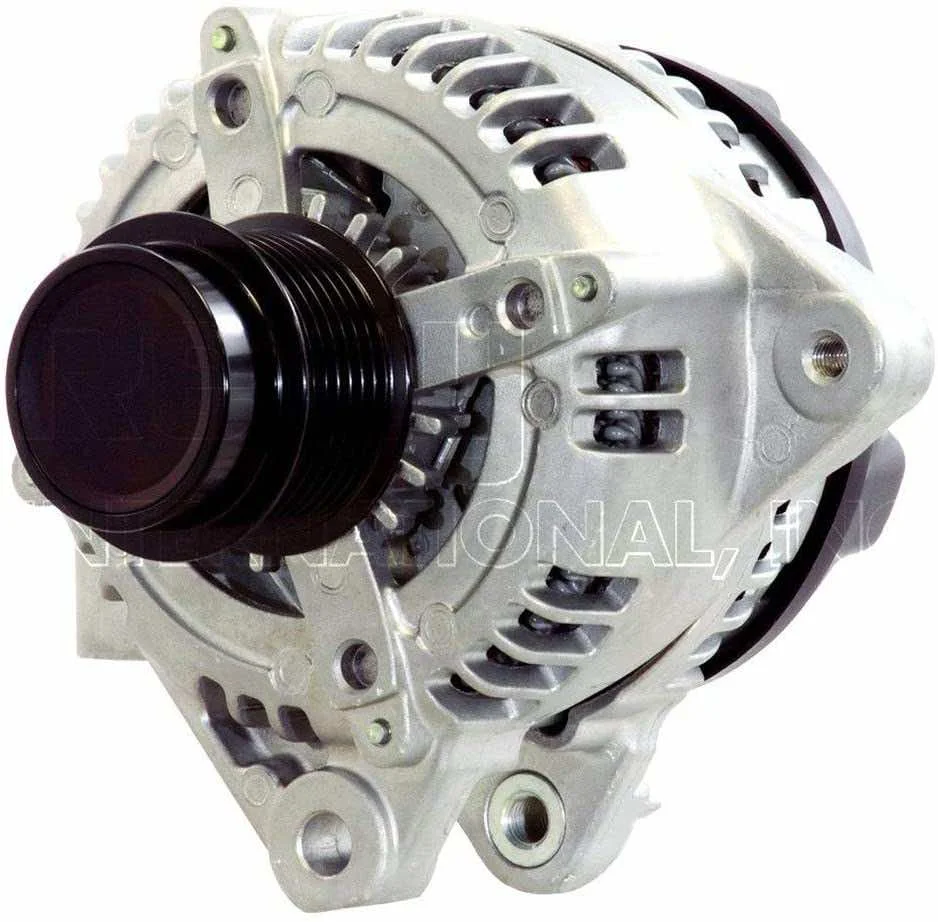
2010 Toyota Camry Alternator Replacement Cost: Your Complete Guide
📋 Table of Contents
- 🎯 Key Takeaways
- Average Costs: Parts vs. Labor Breakdown for a 2010 Camry Alternator
- Factors Influencing Your 2010 Toyota Camry Alternator Replacement Cost
- DIY vs. Professional Installation: Weighing Your Options and Savings
- Symptoms of a Failing Alternator and When to Seek Replacement
- Conclusion: Keep Your Camry Charged and Ready
- 💬 Quick Questions & Answers
- ❓ Frequently Asked Questions
The 2010 Toyota Camry alternator replacement cost typically ranges from $350 to $700, significantly varying based on whether you opt for OEM or aftermarket parts and professional or DIY installation. This comprehensive price includes both the alternator unit itself and the labor fees, which can differ widely among mechanics and locations.
🎯 Key Takeaways
- Takeaway 1:Get multiple quotes to compare prices.
- Takeaway 2:Consider DIY for potential labor savings.
- Takeaway 3:Aftermarket parts often cost less than OEM.
- Takeaway 4:Watch for dim lights, battery warnings.
- Takeaway 5:A quick diagnosis prevents further issues.
Ever been driving your 2010 Toyota Camry and noticed a dimming dashboard light, or perhaps a strange whining sound from under the hood? These subtle clues could be your car’s way of telling you its alternator is struggling. Your alternator is a vital component. It generates electricity to power your car’s electrical systems. This includes your lights, radio, and air conditioning. It also recharges your car’s battery as you drive. Without a working alternator, your car will eventually stop dead.
If you suspect your 2010 Camry needs a new alternator, understanding the potential replacement cost is essential. This guide will break down everything you need to know. We will cover average costs, the difference between parts and labor, and other factors that influence the final price. Knowing these details empowers you to make informed decisions. You can budget wisely and ensure you get a fair deal. Let’s dive into what you can expect when facing this common car repair.
Average Costs: Parts vs. Labor Breakdown for a 2010 Camry Alternator
Replacing the alternator on your 2010 Toyota Camry involves two main expenses: the cost of the new part and the labor to install it. On average, you can expect the total cost to range anywhere from $400 to $800. This range can fluctuate based on several factors we will explore. Getting a clear quote that separates parts and labor is always a good first step.
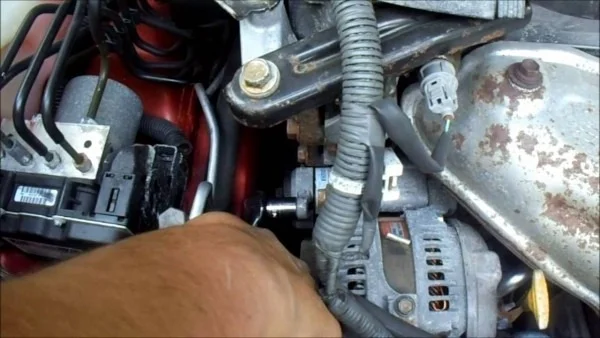
Understanding Alternator Part Costs
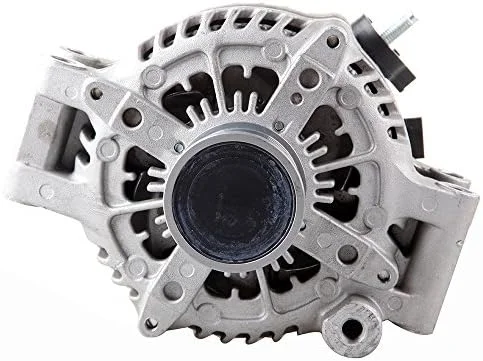
The price of the alternator itself can vary significantly. This depends on the type you choose. You generally have three main options:
- OEM (Original Equipment Manufacturer) Alternators: These are genuine Toyota parts. They offer the best fit and often come with a strong warranty. However, they are typically the most expensive. Expect to pay between $300 and $550 for an OEM part for your 2010 Camry.
- Aftermarket Alternators: These are made by third-party manufacturers. They are designed to fit your Camry. Prices for aftermarket alternators are usually lower. They can range from $150 to $350. Quality can vary widely among brands. It is wise to choose a reputable brand with good reviews.
- Remanufactured Alternators: These are used alternators that have been rebuilt. Worn components are replaced, and the unit is tested. They are the most budget-friendly option. Prices typically fall between $100 and $250. Remanufactured parts often come with a shorter warranty than new ones.
Always ask your mechanic about the warranty that comes with the part. A longer warranty offers greater peace of mind.
Labor Costs for Installation
The labor portion of your bill covers the mechanic’s time and expertise. Installing an alternator on a 2010 Toyota Camry is a fairly common job. It usually takes between 1.5 to 3 hours. Mechanic labor rates vary widely by region and shop. You might see hourly rates from $75 to $150 per hour. This means labor costs could range from approximately $110 to $450.
Some shops might charge a flat rate for the job. This includes diagnosis and installation. Always confirm if diagnosis fees are separate. A good mechanic will inspect your entire charging system. This ensures the alternator is truly the problem. They will also test the new alternator after installation. This guarantees everything works correctly before you leave the shop.
Factors Influencing Your 2010 Toyota Camry Alternator Replacement Cost
While we have discussed average costs, several key factors can cause your final bill to lean higher or lower within that range. Being aware of these elements helps you understand your quote better. It also allows you to make more informed choices about where and how you get your repair done. You want a good balance of quality and cost.
Where You Get the Work Done
The type of repair shop you choose significantly impacts the labor cost. Different establishments have different overheads and pricing structures:
- Dealerships: Toyota dealerships typically have the highest labor rates. They often use OEM parts exclusively. You might pay premium prices, but you generally receive factory-trained technicians and genuine parts. Expect total costs closer to the higher end of the $600-$900 range.
- Independent Mechanics: Local, independent repair shops often offer more competitive pricing. Their labor rates are usually lower than dealerships. They may also be more flexible with part choices (OEM, aftermarket, remanufactured). This can bring your total cost down to the $400-$700 range.
- Chain Auto Repair Stores: Places like Midas or Meineke fall somewhere in the middle. They offer standard pricing and generally use aftermarket parts. Costs here are often competitive, falling into the $450-$750 range.
Always get at least two or three quotes from different types of shops. This helps you compare prices and services. Don’t be afraid to ask for a detailed breakdown of parts and labor for each quote.
Type of Alternator Chosen and Warranty
As mentioned, the specific alternator part you select directly affects the cost. However, it also influences the longevity and reliability of your repair. Here’s a quick recap and more detail on warranty:
- OEM (Genuine Toyota): Highest cost, but usually comes with a 1-year or 12,000-mile warranty. Some dealerships offer longer warranties for parts installed by them. Best for peace of mind.
- Aftermarket: Moderate cost. Warranties can range from 90 days to a limited lifetime. Researching brand reputation is crucial here. Some aftermarket brands offer quality comparable to OEM. Others might be less reliable.
- Remanufactured: Lowest cost. Warranties are often shorter, sometimes only 30-90 days. This makes them a riskier choice for long-term reliability. However, they can be a good option if your budget is very tight.
Consider the warranty length and coverage. A cheaper part with a short warranty might cost you more in the long run if it fails prematurely. Investing a little more upfront for a quality part with a good warranty can save you headaches and money down the road. For your 2010 Camry, a reliable aftermarket or OEM part often offers the best value.
DIY vs. Professional Installation: Weighing Your Options and Savings
Deciding whether to tackle your 2010 Camry’s alternator replacement yourself or enlist a professional can significantly impact your total cost. It boils down to your comfort level with car repairs, the tools you have, and the value you place on your time versus potential savings.
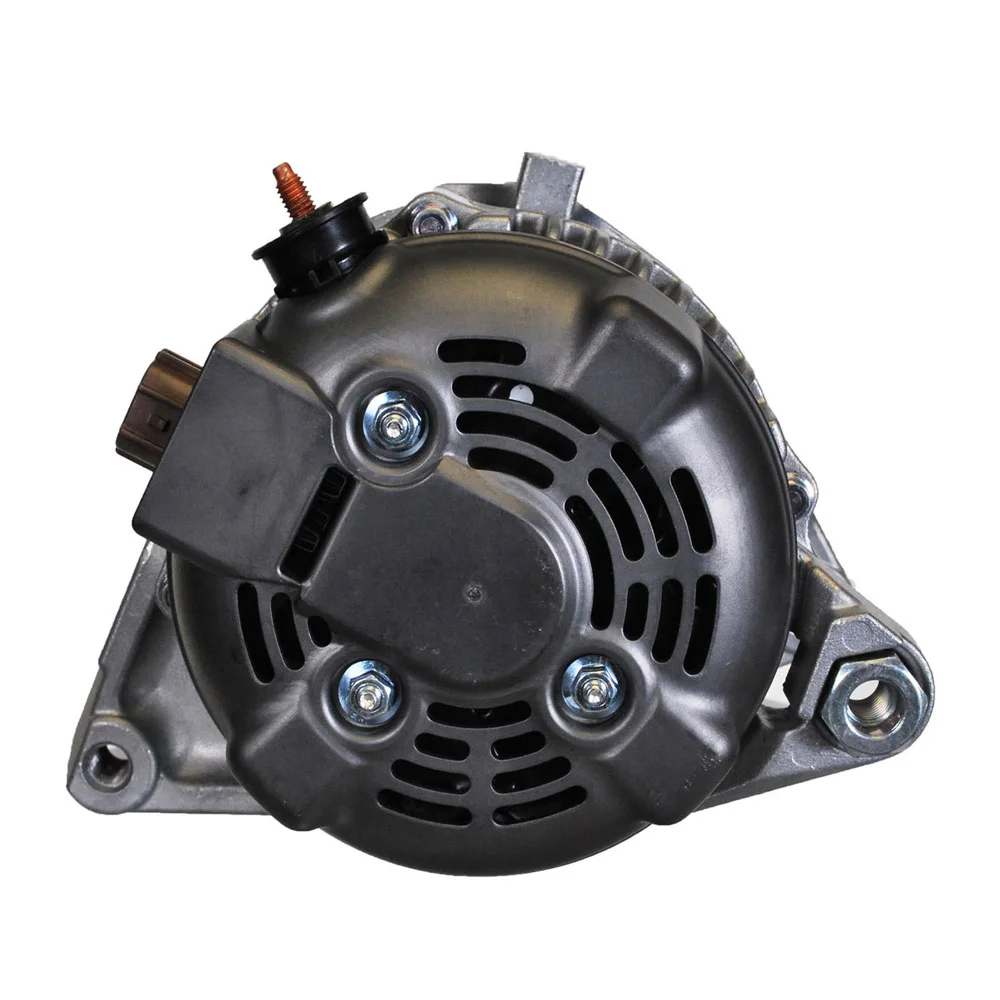
The DIY Savings Potential: What You Can Save
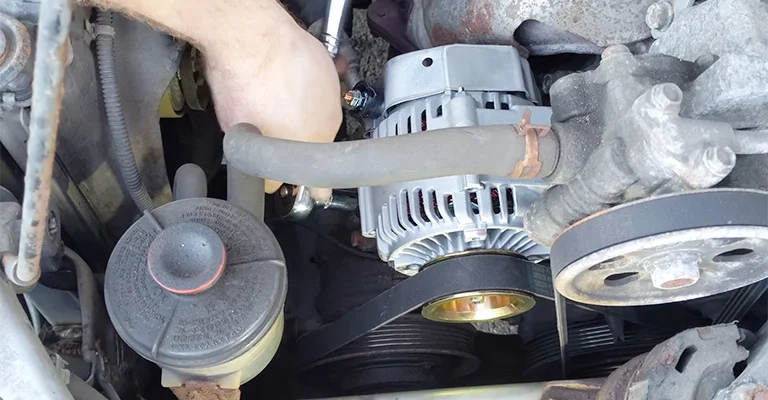
The primary benefit of a DIY replacement is saving on labor costs, which typically range from $150 to $400 or more for an alternator job. While the task isn’t overly complex for someone with basic mechanical skills, it does require certain tools and a good chunk of time. You’ll need a socket set, wrenches, a multimeter for testing, and potentially a serpentine belt tool. An experienced DIYer might complete the job in 2-4 hours. Remember, safety first: always disconnect the battery before starting any electrical work!
Here’s a simplified breakdown of DIY steps:
- Disconnect Battery: Always start by disconnecting the negative battery terminal.
- Locate and Access: Find the alternator, usually on the side of the engine, and make sure you have enough space to work.
- Remove Serpentine Belt: Use a tensioner tool to relieve tension and remove the belt.
- Unbolt Alternator: Disconnect electrical connections and unbolt the old alternator.
- Install New Alternator: Reverse the process – bolt in the new unit, reconnect electrical, re-tension the belt, and finally, reconnect the battery.
When Professional Help is Best: Peace of Mind and Expertise
If you’re new to car repairs, lack the necessary tools, or simply prefer to avoid the hassle, a professional installation is your best bet. Mechanics have specialized tools, diagnostic equipment, and the experience to perform the replacement efficiently and correctly. They can also spot other potential issues, like a worn serpentine belt or a struggling battery, ensuring your entire charging system is in top shape. Plus, most shops offer a warranty on both parts and labor, providing peace of mind. For example, if the new alternator fails prematurely due to an installation error, they’ll fix it for free. This can be invaluable, especially for critical components like an alternator.
Symptoms of a Failing Alternator and When to Seek Replacement
Knowing the warning signs of a failing alternator can save you from being stranded and prevent further damage to your 2010 Toyota Camry. Don’t wait for your car to completely shut down before taking action.
Clear Warning Signs to Watch For
Your Camry’s charging system is designed to give you clues when the alternator is starting to struggle. Paying attention to these symptoms can help you diagnose the problem early:
- Battery Warning Light: This is the most common and obvious sign. A light shaped like a car battery will illuminate on your dashboard, indicating a problem with the charging system.
- Dimming or Flickering Lights: Your headlights, interior lights, or dashboard lights might appear dimmer than usual or flicker while driving. This is because the alternator isn’t consistently providing enough power.
- Slow or Malfunctioning Accessories: Power windows might move slower, your radio could cut out, or the air conditioning might not blow as cold. These are all signs of insufficient electrical power.
- Strange Noises: A failing alternator can sometimes produce a grinding, whining, or squealing noise. This often indicates worn bearings or a misaligned pulley within the alternator.
- Frequent Dead Battery: While a dead battery can have many causes, if your battery repeatedly dies even after being recharged, the alternator is likely failing to keep it charged.
Don’t Ignore These Red Flags: Act Fast
Ignoring alternator symptoms can lead to inconvenient breakdowns and potentially costly repairs. A completely dead alternator means your car will run solely on battery power until it drains, which usually isn’t very long. Imagine you’re driving home, and suddenly your headlights dim significantly, your radio goes silent, and your dashboard lights vanish—that’s a tell-tale sign of an alternator that has given up. At this point, your car will eventually lose all electrical power and stall, leaving you stranded. If you notice any of these signs, it’s crucial to get your charging system checked by a professional without delay. A quick diagnostic can confirm if your alternator is the culprit and help you get it replaced before you’re stuck on the side of the road.
Conclusion: Keep Your Camry Charged and Ready
Replacing the alternator on your 2010 Toyota Camry is an inevitable maintenance task, but understanding the costs and options can make the process much smoother. While parts alone can range from $150 to $400, total professional installation costs typically fall between $400 and $750, depending on your location and chosen shop. DIY can save you significant labor costs if you’re comfortable with the repair.
Crucially, pay attention to the warning signs—dimming lights, a battery warning on your dash, or strange noises are your car’s way of telling you something’s wrong. Don’t delay addressing these symptoms. Get a diagnostic check at the first sign of trouble and compare quotes from reputable shops. A well-functioning alternator is key to your Camry’s reliability, ensuring smooth drives for miles to come!
💬 Quick Questions & Answers
What’s the average cost for a 2010 Camry alternator replacement?
The average cost ranges from $350 to $700, including both parts and labor.
How much does a new alternator part cost for a 2010 Camry?
The alternator part itself typically costs between $150 and $400, depending on whether it’s OEM or aftermarket.
What is the labor cost for a 2010 Toyota Camry alternator replacement?
Labor costs usually fall between $100 and $300, varying by mechanic rates and location.
Can I replace a 2010 Camry alternator myself?
Yes, it is a manageable DIY task for experienced home mechanics, requiring basic tools and about 1-3 hours.
What are common symptoms of a bad alternator in a 2010 Camry?
Common signs include a dashboard battery warning light, dim headlights, slow power windows, or a dead battery.
❓ Frequently Asked Questions
Can you provide a detailed cost breakdown for a 2010 Toyota Camry alternator replacement?
Absolutely. The total cost of $350-$700 typically includes the alternator unit ($150-$400 for aftermarket/remanufactured to OEM) and 1-3 hours of labor ($100-$300 at $75-$120/hour), plus potential diagnostic fees or minor associated parts like belts.
What’s the difference between OEM and aftermarket alternators regarding cost and quality for a 2010 Camry?
OEM (Original Equipment Manufacturer) alternators are typically more expensive but offer guaranteed fit and quality. Aftermarket alternators (new or remanufactured) are more affordable, often ranging from $150-$250, but quality can vary, making it crucial to choose reputable brands.
How long does it typically take a mechanic to replace an alternator on a 2010 Toyota Camry?
A professional mechanic can usually replace an an alternator on a 2010 Toyota Camry within 1 to 3 hours. This timeframe can vary slightly based on the mechanic’s experience and any unexpected complications.
What are the definitive signs that my 2010 Camry’s alternator is failing and needs replacement?
Key indicators include the battery warning light illuminating on your dashboard, headlights dimming or flickering, power windows operating slowly, a noticeable whining or grinding noise, or frequent battery drain problems even after charging. A failing alternator can’t properly recharge the battery.
What happens if I continue to drive my 2010 Camry with a failing alternator?
Driving with a failing alternator will eventually lead to your car’s battery dying completely, causing your vehicle to shut down unexpectedly. This can leave you stranded and potentially damage other electrical components due to inconsistent power supply.
Are there any specific tips for saving money on a 2010 Toyota Camry alternator replacement?
To save money, consider getting quotes from multiple independent mechanics rather than just dealerships. You can also opt for a high-quality remanufactured or aftermarket alternator part, or, if skilled, attempt the replacement yourself to avoid labor costs.