Honda Pilot AC Compressor Replacement Cost: Your Ultimate Guide
📋 Table of Contents
Replacing your Honda Pilot AC compressor typically ranges from $700 to $1500, depending on part quality and labor rates. This critical repair restores your vehicle’s cooling system, ensuring comfortable rides and maintaining its overall value.
🎯 Key Takeaways
- Expect to pay $700-$1500 for a Honda Pilot AC compressor replacement.
- Labor costs are significant; always get multiple repair quotes.
- OEM parts are pricier but often more reliable than aftermarket options.
- Listen for grinding noises or weak airflow as failure signs.
- Consider replacing associated components like the drier/expansion valve.
Imagine this: The sun is blazing, your Honda Pilot is packed, and you’re heading out on a summer road trip. You crank the AC, anticipating that refreshing blast of cool air. But instead, you get nothing but warm, humid air. Sound familiar? A failing AC compressor is a common culprit behind this frustrating scenario, especially in a reliable workhorse like the Honda Pilot.
Getting your AC fixed isn’t just about comfort; it’s about safe driving. A fully functional air conditioning system keeps you alert and focused on the road. But when that compressor goes out, a big question pops up: What will this cost? Understanding the potential expenses for a Honda Pilot AC compressor replacement can save you stress and money. This guide will break down everything you need to know, helping you prepare for the repair.
Understanding Honda Pilot AC Compressor Replacement Costs
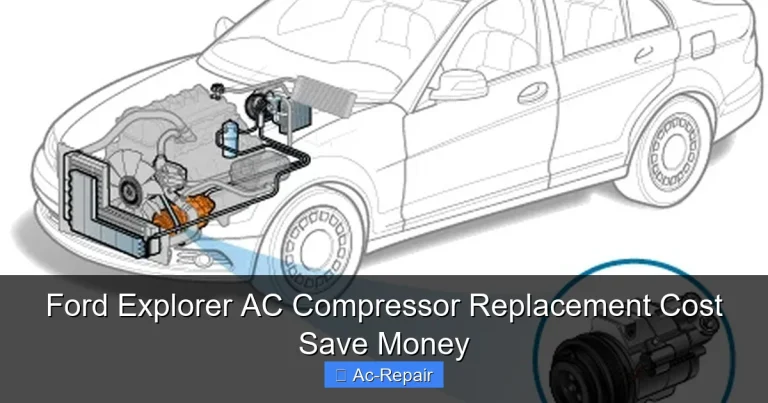
When your Honda Pilot’s AC stops blowing cold air, the compressor is often the first component investigated. This vital part is the heart of your vehicle’s air conditioning system. It circulates the refrigerant, pressurizing it to allow it to cool your cabin. When it fails, your entire AC system effectively shuts down. Replacing it involves both the cost of the part itself and the labor required for installation. Prices can vary significantly based on several factors, which we’ll explore.
What an AC Compressor Does and Why It Fails
Your Honda Pilot’s AC compressor works tirelessly to keep you cool. It’s an engine-driven pump that compresses the refrigerant gas, moving it through the system. This compression is what allows the refrigerant to absorb heat from your car’s interior. Over time, components inside the compressor, such as bearings or seals, can wear out. Electrical issues can also cause it to fail. Sometimes, a lack of refrigerant or oil can lead to premature failure due to insufficient lubrication. Recognizing these signs early can sometimes prevent a complete breakdown.
Average Cost Breakdown: Parts and Labor
The total cost for a Honda Pilot AC compressor replacement typically ranges from $800 to $1,500 or more. This figure includes both the cost of the new compressor and the labor involved in its installation. It’s important to understand how these two components break down:
- Parts Cost: The AC compressor itself can range from approximately $400 to $900. This price depends heavily on whether you choose an OEM (Original Equipment Manufacturer) part, an aftermarket part, or a remanufactured unit. Each option comes with its own price point and warranty considerations.
- Labor Cost: Labor charges usually fall between $300 and $600. This range reflects the time and expertise required to perform the replacement. Mechanics need to evacuate the old refrigerant, remove the old compressor, install the new one, add fresh refrigerant, and then thoroughly test the system. The job can take several hours, typically 3 to 6 hours, depending on the mechanic’s experience and the specific challenges presented by your Pilot’s model year.
Keep in mind that these are general estimates. Your actual cost could be slightly higher or lower depending on where you live and the shop you choose.
Key Factors Influencing Your Total Repair Price
While the average cost provides a good starting point, many variables can push your final bill up or down. Understanding these factors will empower you to make informed decisions and potentially save money. Don’t just settle for the first quote you receive; ask questions about these specific points to get a clear picture of the total expense.
The Impact of Parts: OEM vs. Aftermarket and Remanufactured
The type of AC compressor you choose has a huge impact on the overall cost. You generally have three main options for your Honda Pilot:
- OEM (Original Equipment Manufacturer) Parts: These are identical to the part your Pilot had from the factory. They offer the highest quality and guaranteed compatibility. However, they are also the most expensive option, often costing significantly more than aftermarket alternatives. They typically come with a solid warranty, providing peace of mind.
- Aftermarket Parts: Produced by third-party manufacturers, these parts are designed to meet or exceed OEM specifications. They are generally more affordable than OEM parts, ranging from good quality to more budget-friendly options. The quality can vary widely among brands, so research is key. A reputable brand often provides a good balance of cost and reliability.
- Remanufactured Parts: These are original compressors that have been rebuilt to factory specifications. They are often the most economical choice. Skilled technicians refurbish them by replacing worn components. While they can offer significant savings, their reliability can depend on the quality of the remanufacturing process. Always ensure they come with a warranty.
Your mechanic might recommend a specific type based on their experience and your budget. Discuss the pros and cons of each with them before making a decision.
Labor Rates, Location, and Related Repairs
Labor costs are another major variable. Where you get your Honda Pilot serviced can significantly affect the hourly rate you pay. Dealerships, for example, typically have higher labor rates than independent repair shops. This is often due to specialized training, proprietary tools, and overhead costs. Geographical location also plays a role; shops in major metropolitan areas usually charge more per hour than those in smaller towns.
Beyond the compressor itself, there might be other parts that need attention. It’s common practice to replace several components simultaneously when the AC compressor fails, especially if there was a catastrophic failure (like internal debris). These “related repairs” add to your total cost:
- Refrigerant Recharge: New refrigerant is always needed after a compressor replacement. This cost is usually factored in, but confirm it.
- Receiver/Dryer or Accumulator: This component filters moisture and contaminants from the refrigerant. It’s almost always replaced along with the compressor to prevent new part failure and ensure system longevity.
- Expansion Valve or Orifice Tube: These regulate refrigerant flow. Replacing them is often recommended to ensure proper system operation and prevent blockages.
- Flushing the AC System: If your old compressor failed internally, metal shavings or debris could contaminate the entire system. A thorough flush is critical to remove these contaminants and prevent damage to the new compressor. This process adds significant labor time and cost.
Always ask your mechanic for a detailed breakdown of all recommended parts and services. This transparency helps you understand every aspect of your investment in keeping your Honda Pilot cool.
<h2>Signs Your Honda Pilot AC Compressor Needs Replacing</h2>
<p>Catching AC problems early can save you from a complete system breakdown and potentially higher costs. Your Honda Pilot often gives subtle (and not-so-subtle) clues when its AC compressor is struggling.</p>
<h3>Warning Sounds and Performance Drops</h3>
<p>One of the clearest indicators of a failing compressor is unusual noises. Listen for:</p>
<ul>
<li><strong>Grinding or Squealing:</strong> A persistent grinding sound when your AC is on often points to worn internal bearings or other mechanical issues within the compressor. A squealing noise might suggest a failing clutch or a loose serpentine belt.</li>
<li><strong>Clicking/Clunking:</strong> While a light click is normal when the compressor clutch engages, a loud clunk or rapid clicking might indicate the clutch is struggling to engage or disengage, or the compressor is seizing.</li>
</ul>
<p>Beyond sounds, pay attention to how your AC performs:</p>
<ul>
<li><strong>Weak or No Cold Air:</strong> If your Pilot’s vents are blowing warm or only slightly cool air, or if the cooling is inconsistent, it’s a prime sign. The compressor might not be effectively circulating refrigerant.</li>
<li><strong>Intermittent Cooling:</strong> Does your AC work sometimes but not others? This could indicate an electrical issue with the compressor clutch or an internal fault.</li>
</ul>
<h3>Visible Leaks and Malfunction Indicators</h3>
<p>Sometimes, the problem is more visually apparent or triggers other system warnings:</p>
<ul>
<li><strong>Refrigerant Leaks:</strong> Look for oily residue or puddles under your car, particularly around the compressor area. Refrigerant often has a slightly oily consistency, and a leak means your system is losing its cooling agent.</li>
<li><strong>Strange Odors:</strong> A burning smell could indicate an overheated compressor clutch or motor. A sweet, chemical smell might point to a refrigerant leak, which requires immediate attention.</li>
<li><strong>Dashboard Warning Lights:</strong> While there isn’t typically a dedicated “AC compressor” light, related issues like engine overheating due to compressor strain or electrical problems might trigger the “Check Engine” light or temperature warnings.</li>
</ul>
<p>If you notice any of these signs, don’t delay. A prompt diagnosis can prevent further damage to your Honda Pilot’s AC system.</p>
<h2>Smart Tips for Managing AC Repair Expenses</h2>
<p>Facing an AC compressor replacement bill can be daunting, but with a strategic approach, you can navigate the costs effectively and ensure you get quality service without overspending.</p>
<h3>Comparing Quotes and Choosing Wisely</h3>
<p>Don’t settle for the first estimate you receive. Smart consumers always shop around. Here’s how to do it:</p>
<ol>
<li><strong>Get Multiple Quotes:</strong> Contact at least three different repair shops – a Honda dealership, a reputable independent mechanic specializing in AC, and a trusted auto repair chain. Provide them with the specifics of your Honda Pilot (year, model, engine type).</li&
<li><strong>Understand the Breakdown:</strong> Ask for a detailed quote that separates parts cost (compressor, dryer, expansion valve/orifice tube, refrigerant, labor). This helps you compare apples to apples.</li&
<li><strong>Inquire About Parts Quality:</strong> Ask if they use OEM (Original Equipment Manufacturer), aftermarket, or remanufactured compressors. While OEM is often best, a high-quality aftermarket part with a good warranty can offer significant savings.</li>
<li><strong>Check Warranties:</strong> A good repair shop will offer a warranty on both parts and labor. Ensure you understand the terms and duration. A longer warranty often signifies confidence in their work and parts.</li>
<li><strong>Read Reviews:</strong> Before committing, check online reviews and ask for recommendations. A cheaper price isn’t a deal if the work isn’t reliable.</li>
</ol>
<h3>DIY Maintenance and Preventative Measures</h3>
<p>While compressor replacement isn’t a DIY job for most, simple preventative maintenance can prolong your AC system’s life and sometimes prevent minor issues from becoming major ones.</p>
<ul>
<li><strong>Regular AC Usage:</strong> Even in winter, run your AC for 10-15 minutes once a month. This keeps seals lubricated and prevents components from seizing.</li>
<li><strong>Replace Cabin Air Filter:</strong> A clogged cabin air filter restricts airflow, making your AC system work harder. It’s an easy and inexpensive part to replace yourself every 12,000-15,000 miles.</li>
<li><strong>Keep Condenser Clear:</strong> The condenser, located in front of your radiator, needs clear airflow to dissipate heat. Periodically check and gently clean it of leaves, bugs, and debris.</li>
<li><strong>Annual AC Check-up:</strong> Consider having your AC system professionally inspected annually. Technicians can check refrigerant levels, pressure, and overall component health, catching small issues before they escalate.</li>
</ul>
<p>These proactive steps won’t prevent all failures, but they significantly reduce the chances of premature compressor wear.</p>
<h2>Conclusion: Keeping Your Cool on the Road</h2>
<p>Understanding the factors influencing Honda Pilot AC compressor replacement costs, recognizing the warning signs, and knowing how to manage repair expenses are crucial for any Pilot owner. While prices can vary based on parts, labor, and location, being informed empowers you to make the best decisions.</p>
<p>Don’t ignore the early symptoms of a failing AC. Get your system professionally diagnosed at the first sign of trouble and always compare quotes from reputable shops. By being proactive and prepared, you can minimize stress and expense, ensuring your Honda Pilot keeps you and your passengers comfortably cool on every journey.</p>
💬 Quick Questions & Answers
What’s the average cost for a Honda Pilot AC compressor replacement?
The average cost typically falls between $700 and $1500, covering both parts and labor.

How long does AC compressor replacement take on a Honda Pilot?
The job usually requires 2-4 hours of labor, but total shop time can be longer depending on scheduling.
Can I drive my Honda Pilot with a bad AC compressor?
While you can drive it, prolonged use with a failing compressor can cause further damage to the AC system or engine.
What are common signs of a failing Honda Pilot AC compressor?
Symptoms include warm air, loud noises (grinding/clunking) when the AC is on, or the compressor clutch not engaging.
Is replacing a Honda Pilot AC compressor a DIY task?
Due to specialized tools, refrigerant handling, and vacuuming requirements, it’s generally best left to professional mechanics.
❓ Frequently Asked Questions
What components are usually included in the Honda Pilot AC compressor replacement cost?
The total cost typically includes the new AC compressor itself, a new receiver/drier (accumulator), an expansion valve, refrigerant, and labor. Replacing these associated parts is crucial for system longevity and preventing future issues.
What’s the difference in cost and quality between OEM and aftermarket Honda Pilot AC compressors?
OEM compressors are generally more expensive but offer guaranteed fit and quality directly from Honda. Aftermarket options can be cheaper but vary widely in reliability; research brands thoroughly to avoid premature failure.
Are there other parts that might need replacement alongside the AC compressor?
Yes, it’s highly recommended to replace the receiver/drier and expansion valve whenever the compressor is replaced. Sometimes, a condenser flush or replacement is also needed if internal contaminants are suspected, which adds to the total cost.
How can I get an accurate quote for my Honda Pilot AC compressor replacement?
Visit several reputable mechanics for detailed estimates, ensuring they specify part brands, labor hours, and any additional components. A proper diagnosis including system pressure checks is essential to identify all necessary repairs for an accurate quote.
What are the common causes of AC compressor failure in Honda Pilots?
Typical causes include lack of lubrication from low refrigerant levels, clutch failure, electrical issues, or simply wear and tear over time. Contamination within the AC system from a previous component failure can also lead to premature compressor failure.
What is the typical lifespan of an AC compressor in a Honda Pilot?
A Honda Pilot’s AC compressor typically lasts 8-12 years or 100,000-150,000 miles, but this can vary based on maintenance, usage patterns, and environmental factors. Regular AC system checks and timely refrigerant top-offs can help extend its life.