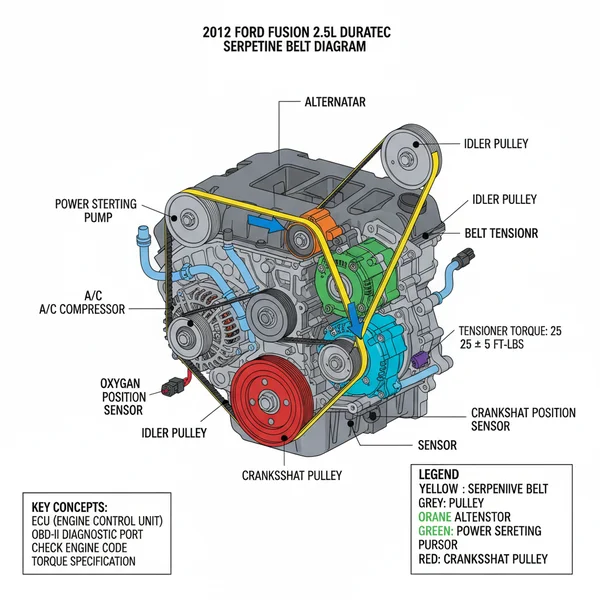
Chevy 4.3 V6 Engine Diagram – Complete Guide
The Chevy 4.3 V6 engine diagram visually details all major engine components, their arrangement, and connections. It is invaluable for understanding the engine’s layout, performing maintenance, locating parts for replacement, and troubleshooting issues. This resource helps mechanics and DIYers efficiently identify problem areas and plan repairs.
📌 Key Takeaways
- To visualize and understand the complex layout of the Chevy 4.3 V6 engine for maintenance and repair.
- Identifying the Engine Control Unit (ECU) and its related sensors for diagnostics.
- Always disconnect the battery before working on electrical components and refer to the correct torque spec for fasteners.
- Use the diagram alongside an OBD-II scanner when a check engine light appears to pinpoint issues.
- When diagnosing engine problems, performing component replacement, or understanding system interactions.
Chevy 4.3 V6 Engine Diagram – Complete Guide
If you own a vehicle equipped with the robust Chevy 4.3 V6 engine, understanding its inner workings is crucial for maintenance, repair, and optimal performance. Locating the correct Chevy 4.3 V6 engine diagram is the first step towards confidently tackling DIY tasks or simply gaining a deeper appreciation for this power plant. This comprehensive guide will walk you through the key aspects of these diagrams, ensuring you can interpret them effectively and utilize them for various automotive needs. We’ll cover everything from component identification to troubleshooting common issues, empowering you with the knowledge to keep your 4.3 V6 running smoothly.
Decoding Your Chevy 4.3 V6 Engine Diagram
A detailed engine diagram for your Chevy 4.3 V6 serves as an invaluable map, providing a visual breakdown of its complex systems. Whether you’re looking at a diagram for the accessory belt routing, the cooling system, or the intricate electrical pathways, each element is designed to convey specific information. Typically, these diagrams will feature various components labeled with names or numbers, often accompanied by legends or keys that explain symbols, color-coding, or numerical references.
You’ll find representations of critical components such as the intake manifold, exhaust manifolds, cylinder heads, and valve covers. Important peripheral systems are also clearly laid out, including the serpentine accessory belt path, which drives components like the alternator, power steering pump, and water pump. Diagrams will illustrate the coolant flow through the radiator, engine block, and heater core, as well as the oil lubrication system.
Variations in the Chevy 4.3 V6 engine over its production run mean that diagrams can differ slightly based on the specific generation and application. Early versions might feature Throttle Body Injection (TBI), while later models incorporated Central Port Injection (CPI) or Multiport Fuel Injection (MPFI), each with distinct fuel delivery system layouts. Furthermore, differences in vehicle models (e.g., trucks versus SUVs) or optional equipment (like air conditioning) can alter accessory drive configurations or electrical harnesses. Always aim to consult a diagram specific to your vehicle’s exact make, model, and year for the most accurate information.
While diagrams provide a general layout, always verify component locations and routing against your physical engine, especially for specific sensor placements or bracket configurations.
Key Elements You’ll Find in a 4.3 V6 Engine Diagram:
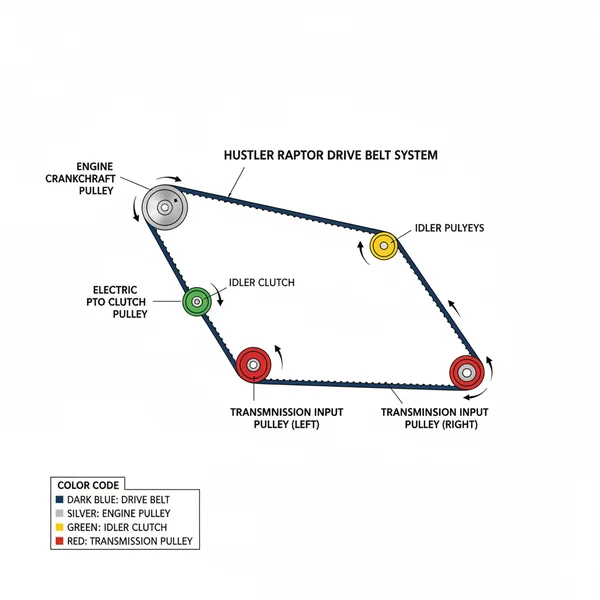
- ✓ Accessory Belt Routing: Shows the path of the serpentine belt around the crankshaft pulley, alternator, water pump, power steering pump, and AC compressor (if equipped).
- ✓ Cooling System: Illustrates the radiator, thermostat housing, water pump, and hoses, detailing the coolant flow path.
- ✓ Fuel System: Diagrams may show the fuel lines, fuel injectors, fuel rail, and fuel pressure regulator.
- ✓ Electrical & Sensor Locations: Points out crucial sensors (e.g., O2 sensors, MAF, MAP, Crankshaft Position Sensor, Camshaft Position Sensor) and their connections to the main wiring harness and the ECU (Engine Control Unit).
- ✓ Vacuum System: Detailed diagrams may include vacuum lines, check valves, and their connections to components like the PCV valve and brake booster.
- ✓ Ignition System: Shows spark plug wires, distributor (on older models), or coil packs (on newer models).
Step-by-Step Guide: Reading and Utilizing Your Engine Diagram

Mastering the art of reading a Chevy 4.3 V6 engine diagram can significantly simplify automotive repairs and maintenance. Follow these steps to effectively interpret and apply the information found in these essential guides.
Step 1: Identify Your Specific Diagram and Its Legend
- ✓ Ensure the diagram you are using matches your vehicle’s exact year, model, and engine configuration. Minor differences can lead to incorrect repairs.
- ✓ Locate the legend or key. This will explain any symbols, abbreviations, color codes, or numerical labels used throughout the diagram. Understanding the legend is fundamental to deciphering the rest of the information.
Step 2: Orient Yourself and Locate Major Systems
- ✓ Start by orienting the diagram to reflect the physical layout of your engine bay. Often, the front of the engine is indicated.
- ✓ Identify the major systems you need to focus on: the cooling system (radiator, hoses, water pump), the accessory drive (belts, pulleys), the electrical system (sensors, wiring harnesses, ECU), or the fuel system.
Step 3: Pinpoint Specific Components and Their Connections
- ✓ Once you’ve located the relevant system, find the specific component you’re interested in, such as the alternator, thermostat housing, or a particular sensor.
- ✓ Trace its connections: follow the lines representing hoses (for fluids like coolant flow), wires (for electrical signals to the ECU), or the accessory belt path. This helps you understand how different parts interact.
Step 4: Understand Flow and Direction
- ✓ For fluid systems, arrows often indicate the direction of flow (e.g., hot coolant flow out of the engine, through the radiator, and back in). This is crucial for bleeding systems or understanding cooling efficiency.
- ✓ For electrical diagrams, arrows or specific wire numbers indicate signal paths and connections to grounds or power sources.
Step 5: Note Specifications and Warnings
- ✓ Many diagrams include important specifications, such as torque specs for bolts, fluid capacities, or resistance values for electrical components. Always adhere to these specifications.
- ✓ Look for any specific warnings or notes that may be provided, especially regarding critical components or procedures.
Always disconnect the vehicle’s battery before performing any electrical work. Allow the engine to cool completely before working on the cooling system to prevent severe burns from hot fluids or components.
Tools and Materials Needed:
- ✓ Your specific Chevy 4.3 V6 engine diagram (from a service manual or trusted online source).
- ✓ Basic hand tools (sockets, wrenches, screwdrivers).
- ✓ Multimeter (for electrical troubleshooting).
- ✓ Torque wrench (essential for tightening fasteners to specified torque specs).
- ✓ Safety glasses and gloves.
Common Issues & Troubleshooting with Your Diagram

The Chevy 4.3 V6 engine diagram becomes an indispensable tool when you encounter common problems or warning signs. By understanding the visual layout of your engine’s systems, you can more efficiently diagnose and address issues.
Addressing the “Check Engine Light”
One of the most frequent issues drivers face is the illumination of the check engine light. This light indicates that the ECU has detected a fault. Your first step should be to retrieve the diagnostic code using an OBD-II scanner. Once you have the code, the engine diagram can help you locate the corresponding sensor or component. For example, if the code points to a faulty oxygen sensor, the diagram will show you its exact location in the exhaust system and its wiring connections back to the ECU. Similarly, a misfire code might lead you to examine ignition components, which are clearly mapped out.
Overheating and Cooling System Faults
If your engine is overheating, consult the cooling system diagram. This will visually guide you through the coolant flow, helping you identify potential blockages in hoses, a failing water pump (its location is clear), or a malfunctioning thermostat. You can trace the path of the coolant to pinpoint where the issue might be occurring.
Accessory Belt Squeals or Breakage
A common issue is a squealing or broken accessory belt. The diagram provides the precise routing of the belt, allowing you to easily confirm if it’s installed correctly or if a pulley is out of alignment. This visual reference is invaluable for quick and accurate belt replacement.
While diagrams aid diagnosis, some complex electrical faults or internal engine problems require specialized tools and expertise. If you’re unsure or uncomfortable, seeking professional help is always the safest option to prevent further damage.
Tips & Best Practices for Your Chevy 4.3 V6
To ensure the longevity and reliability of your Chevy 4.3 V6, integrating your understanding of the engine diagram with proactive maintenance and best practices is key. Here are some expert tips to help you get the most out of your engine and its accompanying documentation.
Always keep a physical or digital copy of your specific vehicle’s service manual and its Chevy 4.3 V6 engine diagram handy. These manuals often include detailed step-by-step procedures, specific torque specs for every fastener, and crucial diagnostic flowcharts that complement the visual diagrams.
Maintenance Recommendations:
- ✓ Regular Fluid Checks: Periodically check engine oil, coolant, power steering fluid, and brake fluid levels. The diagram helps locate reservoirs and drain points. Ensure your coolant flow is unobstructed and at the correct level.
- ✓ Accessory Belt Inspection: Regularly inspect your accessory belt for cracks, fraying, or excessive wear. Use the diagram to confirm correct tensioner operation and routing. Replace it at recommended intervals or if signs of wear are present.
- ✓ Ignition System Checks: Replace spark plugs and wires (or coil packs) according to the maintenance schedule. The diagram helps identify firing order and component locations.
- ✓ Timing Chain Consideration: While the 4.3 V6 typically uses a durable timing chain (not a belt), it’s good practice to be aware of symptoms of wear (rattling noises, especially on startup). While replacement is complex, knowing its location from a diagram is beneficial.
- ✓ Sensor Cleaning/Inspection: Periodically inspect and clean Mass Air Flow (MAF) sensors and other accessible sensors. The diagram shows their precise placement.
Cost-Saving Advice:
- ✓ DIY Common Repairs: By leveraging your engine diagram, you can confidently perform simpler tasks like replacing an accessory belt, a thermostat, or even some sensors, saving on labor costs.
- ✓ Preventative Maintenance: Adhering to a strict maintenance schedule, guided by your diagram, prevents small issues from escalating into expensive major repairs.
Quality Component Recommendations:
- ✓ OEM or Trusted Aftermarket: For critical components, especially sensors connecting to the ECU, consider using Original Equipment Manufacturer (OEM) parts or high-quality aftermarket brands that have a proven track record. Cheap components can lead to repeat failures or inaccurate readings, potentially triggering the check engine light again.
- ✓ Fluids: Always use the correct type and specification of engine oil, coolant, and other fluids as recommended by your vehicle’s manufacturer.
Conclusion
Mastering the Chevy 4.3 V6 engine diagram is a powerful skill that transforms complex engine systems into an understandable blueprint. This guide has equipped you with the knowledge to read, interpret, and utilize these diagrams for everything from routine maintenance to in-depth troubleshooting. By understanding the layout of your engine, the flow of its fluids, and the connections of its electrical components, you gain a significant advantage in keeping your vehicle reliable and performing its best. Embrace the diagram as your go-to reference, and enjoy the satisfaction of maintaining your Chevy 4.3 V6 with confidence.
Frequently Asked Questions
What is Chevy 4.3 V6 engine diagram?
A Chevy 4.3 V6 engine diagram is a visual representation detailing the layout, components, and connections of the 4.3-liter V6 engine. It helps identify parts like the ECU, sensors, and fuel system. This diagram is crucial for mechanics and DIY enthusiasts performing maintenance, troubleshooting, and repairs, ensuring accurate component location and system understanding.
How do you read Chevy 4.3 V6 engine diagram?
Reading a Chevy 4.3 V6 engine diagram involves understanding symbols, lines representing connections, and component labels. Start by identifying major systems (e.g., ignition, fuel), then trace individual circuits or component locations. Pay attention to wire colors, pin numbers, and cross-references to manuals, which help interpret the diagram accurately for diagnostics or component installation.
What are the parts of Chevy 4.3 V6?
The Chevy 4.3 V6 engine comprises numerous parts including the engine block, cylinder heads, crankshaft, camshaft, pistons, intake and exhaust manifolds, and fuel injectors. Key electronic components include various sensors, ignition coils, and the Engine Control Unit (ECU), which manages engine operations. The diagram illustrates how these parts are assembled and interconnected for proper function.
Why is the ECU important?
The Engine Control Unit (ECU) is vital for the Chevy 4.3 V6 as it’s the ‘brain’ of the engine management system. It processes data from sensors, adjusts fuel delivery, ignition timing, and emission controls. When the check engine light illuminates, the ECU stores a diagnostic code that helps identify specific engine malfunctions, making it indispensable for proper vehicle operation and repair.
What is the difference between an engine diagram and a wiring diagram?
An engine diagram primarily illustrates the physical layout and mechanical components of the Chevy 4.3 V6 engine, showing where parts are located relative to each other. A wiring diagram, however, focuses on the electrical connections, wire paths, and electronic circuits, often including the ECU and sensor connections. Both are essential but serve different purposes in repair and diagnosis.
How do I use Chevy 4.3 V6 engine diagram?
Use the Chevy 4.3 V6 engine diagram to locate specific components during repairs, verify proper assembly, or understand system interactions. When troubleshooting a check engine light, it helps identify sensors or actuators implicated by an OBD-II diagnostic code. Always consult the diagram before disassembling or reassembling parts, ensuring correct placement and sequence, and apply correct torque spec for fasteners.