How Much Does Hyundai Tucson Engine Replacement Cost
Replacing a Hyundai Tucson engine can be a significant financial undertaking, typically costing anywhere from $4,000 to upwards of $8,000. This wide range depends on crucial factors like opting for a new, rebuilt, or used engine, the specific model year, and varying labor rates. Always secure detailed quotes to understand the full investment for your specific vehicle.
Hearing that dreaded knock from under the hood of your beloved Hyundai Tucson can feel like a punch to the gut. Or maybe it’s the ominous glow of the “Check Engine” light, refusing to go away. Whatever the symptom, when a mechanic delivers the news that your engine is failing, a wave of panic often washes over you. Your mind immediately jumps to the big question: “How much is this going to cost?”
For many Hyundai Tucson owners, the prospect of an engine replacement is a daunting one. It’s not a minor repair; it’s a major undertaking that can significantly impact your wallet and your daily life. You’re likely wondering if it’s even worth it, what your options are, and how to navigate this stressful situation. Don’t worry, you’re not alone. Thousands of Tucson owners have faced similar dilemmas, and understanding the ins and outs of Hyundai Tucson engine replacement cost is your first step toward making an informed decision.
This comprehensive guide is designed to be your friendly companion through this challenging time. We’ll break down everything you need to know about replacing your Hyundai Tucson engine, from recognizing the signs of trouble to understanding the various factors that influence the final bill. We’ll explore different engine types, compare repair shops, and offer practical tips to help you save money and make the best choice for your situation. Let’s dive in and demystify the complex world of engine replacement.
Key Takeaways
- Costs range widely: Expect several thousand dollars for replacement.
- Get multiple quotes: Compare independent shops and dealerships thoroughly.
- Labor is significant: A large portion of the cost covers installation hours.
- New vs. used engines: Parts cost varies greatly by engine type.
- Evaluate car’s worth: Decide if replacement makes financial sense.
- Check warranty/recalls: Your engine might be covered for free.
Quick Answers to Common Questions
What’s the typical Hyundai Tucson engine replacement cost?
You can expect the Hyundai Tucson engine replacement cost to typically range between $4,000 and $8,000. This wide range covers both the engine part itself and the labor involved, so it’s a significant investment.
What factors heavily influence the final replacement cost?
Several key factors impact your Hyundai Tucson engine replacement cost, including whether you opt for a new, remanufactured, or used engine, the specific year and model of your Tucson, and the labor rates at the shop you choose. Dealerships often charge more than independent mechanics.
Is a used engine a much cheaper option for my Tucson?
Yes, choosing a used engine can significantly reduce your Hyundai Tucson engine replacement cost, often placing it in the lower end of the spectrum. However, keep in mind that used engines come with varying warranties and might have a shorter lifespan than a new or remanufactured one.
How much of the total cost is typically allocated to labor?
Labor can account for a substantial portion of the Hyundai Tucson engine replacement cost, often ranging from $1,000 to $2,500 or even more, as the procedure is complex and time-consuming. The actual engine unit makes up the remainder of your bill.
When should I consider an engine replacement versus just buying a new car?
Evaluating the Hyundai Tucson engine replacement cost against the vehicle’s overall condition and market value is crucial. If your Tucson is otherwise reliable and the repair cost is less than half the value of a comparable used car, replacement is usually a smart move to extend its life.
📑 Table of Contents
- When Does a Hyundai Tucson Engine Need Replacing? Recognizing the Warning Signs
- Breaking Down the Hyundai Tucson Engine Replacement Cost: What Factors Influence It?
- Typical Range of Hyundai Tucson Engine Replacement Cost: Numbers to Expect
- Dealership vs. Independent Mechanic: Where to Get Your Engine Replaced?
- Saving Money and Making Smart Decisions on Your Engine Replacement
- Conclusion
When Does a Hyundai Tucson Engine Need Replacing? Recognizing the Warning Signs
Before we talk about the cost, let’s understand why you might even be considering a new engine for your Tucson. Spotting the early warning signs can sometimes prevent a complete engine failure, or at least prepare you for the inevitable. Ignoring these signals can lead to more severe damage and a higher Hyundai Tucson engine replacement cost.
Common Symptoms of Engine Failure
- Loud Knocking or Ticking Noises: This is perhaps the most notorious symptom, often referred to as “rod knock.” It’s usually a deep, rhythmic knocking sound that gets louder as you accelerate. This indicates serious internal damage, often to the connecting rod bearings.
- Excessive Smoke from the Exhaust:
- Blue smoke: This typically means your engine is burning oil.
- White smoke: Usually indicates burning coolant, often from a blown head gasket or cracked engine block/head.
- Black smoke: Points to an overly rich fuel mixture, which can be a sign of fuel system problems or internal engine issues affecting combustion.
- Loss of Power and Poor Acceleration: If your Tucson feels sluggish, struggles to climb hills, or takes longer than usual to get up to speed, your engine might be losing compression or experiencing significant internal wear.
- Illuminated Check Engine Light: While this light can signify many things, specific codes (like P0301-P0304 for misfires, P0420 for catalytic converter issues, or P0171 for a lean condition) can point to underlying engine problems that, if left unaddressed, could lead to engine failure.
- Excessive Oil Consumption: If you find yourself constantly topping off your engine oil between changes, it’s a red flag. This can be due to worn piston rings, valve seals, or other internal components.
- Overheating: Frequent or severe overheating can warp cylinder heads, crack the engine block, and damage gaskets, often leading to irreversible engine damage.
Common Engine Issues in Hyundai Tucsons
It’s important to acknowledge that some Hyundai Tucson models, particularly those equipped with the 2.0L and 2.4L GDI (Gasoline Direct Injection) Theta II engines from certain model years (roughly 2011-2019), have been subject to significant scrutiny and recalls due to manufacturing defects. These issues primarily involved premature wear of the connecting rod bearings, leading to severe engine knocking and eventual seizure. If your Tucson falls within these model years and engine types, it’s especially crucial to pay attention to these warning signs and check for any outstanding recalls or extended warranty coverage, which could significantly impact your Hyundai Tucson engine replacement cost.
Other less common but still possible issues include GDI injector carbon buildup, timing chain wear, and oil sludge accumulation if maintenance schedules aren’t strictly followed.
Breaking Down the Hyundai Tucson Engine Replacement Cost: What Factors Influence It?
When you get an estimate for a Hyundai Tucson engine replacement cost, you’ll notice it’s not just one number. Several key factors contribute to the total, and understanding them will help you evaluate quotes and make informed decisions.

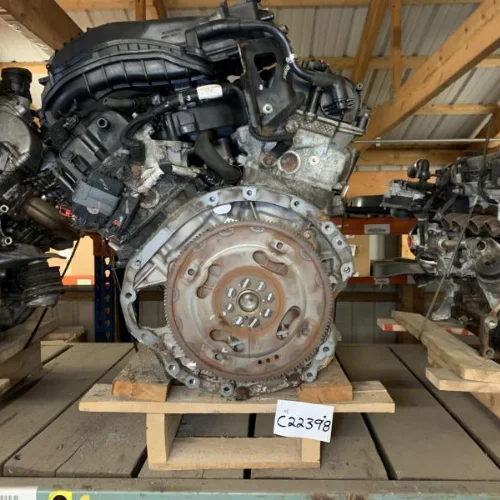
Visual guide about hyundai tucson engine replacement cost
Image source: familysavingshubs.com
Type of Replacement Engine
This is often the biggest variable in the total cost:
- New Crate Engine (OEM): This is a brand-new engine directly from the manufacturer (Hyundai). It comes with a full factory warranty and is essentially like having a brand-new engine in your car. This option offers the highest reliability and longevity but also comes with the highest price tag.
- Remanufactured/Rebuilt Engine: These engines are used engines that have been professionally disassembled, inspected, cleaned, and had all worn or damaged parts replaced with new or reconditioned components. They undergo rigorous testing to meet or exceed OEM specifications. Remanufactured engines typically come with a good warranty (often 3 years/100,000 miles) and offer an excellent balance of cost and reliability. They significantly reduce the Hyundai Tucson engine replacement cost compared to a new engine.
- Used Engine (Salvage/Junk Yard): This is the most budget-friendly option. A used engine is pulled from another vehicle, often one that was totaled for reasons other than engine failure. The major drawback here is the unknown history and condition of the engine. While some reputable salvage yards offer short warranties (e.g., 30-90 days), there’s a higher risk involved. You might save money upfront, but you could face another engine failure sooner than expected.
Labor Costs
Engine replacement is a labor-intensive job. The cost of labor varies widely based on:
- Shop Type: Dealerships typically have higher hourly labor rates than independent mechanics.
- Geographic Location: Labor rates can be significantly higher in metropolitan areas or regions with a higher cost of living.
- Complexity: While a Tucson engine replacement is a standard procedure, some engine designs can be more complex to work on, requiring more hours. Expect 15-25 hours of labor for a full engine swap.
Additional Parts and Fluids
An engine replacement isn’t just the engine itself. Many “one-time use” parts and fluids need to be replaced:
- Gaskets and Seals: New gaskets (like intake manifold gaskets, exhaust manifold gaskets, and timing cover gaskets) and seals are crucial for a leak-free installation.
- Fluids: New engine oil, coolant, and possibly transmission fluid (if drained during the process) are essential.
- Filters: A new oil filter, air filter, and sometimes a fuel filter.
- Spark Plugs: It’s wise to install new spark plugs with a new or remanufactured engine.
- Belts and Hoses: Often, belts (serpentine, timing if applicable) and some hoses are replaced as a preventative measure while the engine is out.
- Sensors: Sometimes oxygen sensors, crank position sensors, or other peripheral sensors connected to the engine might need replacement, or are simply easier to replace during the engine swap.
Towing and Diagnostic Fees
Don’t forget these often-overlooked costs. If your Tucson is immobile, you’ll need to pay for towing. Diagnostic fees will also be charged to confirm the engine failure before proceeding with the replacement.
Typical Range of Hyundai Tucson Engine Replacement Cost: Numbers to Expect
Now for the numbers you’ve been waiting for. It’s important to remember these are general estimates. The actual Hyundai Tucson engine replacement cost can vary significantly based on your specific model year, engine type (e.g., 2.0L, 2.4L, 1.6T, 2.5L), where you live, and the chosen repair facility.
Let’s break down the estimated costs for different engine types and service options:
- New OEM Engine:
- Engine Part Cost: $5,000 – $8,000+
- Total Estimated Cost (Parts + Labor + Incidentals): $8,000 – $12,000+
- Best for: Owners wanting peak reliability, maximum lifespan, and a strong factory warranty, often for newer vehicles or those with high sentimental value.
- Remanufactured/Rebuilt Engine:
- Engine Part Cost: $3,500 – $6,000
- Total Estimated Cost (Parts + Labor + Incidentals): $6,000 – $9,500
- Best for: A good balance of cost and reliability, offering a solid warranty and renewed performance without the premium of a new engine. This is often the most popular choice for a Hyundai Tucson engine replacement cost.
- Used Engine (Salvage/Junk Yard):
- Engine Part Cost: $1,500 – $3,500
- Total Estimated Cost (Parts + Labor + Incidentals): $3,500 – $6,500
- Best for: Budget-conscious owners, or if the overall value of the car is low. Be aware of the higher risk and usually shorter warranty.
Labor Costs: Expect labor to range from $1,500 to $3,000 (15-25 hours at $100-$150+ per hour, depending on the shop and location). This is a significant portion of the total Hyundai Tucson engine replacement cost.
Example: For a 2017 Hyundai Tucson with a 2.4L GDI engine requiring replacement, you might receive a quote for a remanufactured engine around $4,500 for the part itself. Add approximately $2,000 for labor and another $500-$1,000 for fluids, gaskets, and other incidentals, bringing the total to roughly $7,000-$7,500. This is a very common scenario for a Hyundai Tucson engine replacement cost.
Dealership vs. Independent Mechanic: Where to Get Your Engine Replaced?
When facing a major repair like an engine replacement, one of the biggest decisions is choosing where to have the work done. Both dealerships and independent shops have their pros and cons regarding Hyundai Tucson engine replacement cost and quality.
Dealership Advantages and Disadvantages
- Advantages:
- Factory-Trained Technicians: Dealership mechanics specialize in Hyundai vehicles and have access to brand-specific training, tools, and diagnostic equipment.
- Genuine OEM Parts: They typically use new, genuine Hyundai parts, ensuring compatibility and often carrying a stronger parts warranty.
- Warranty: Dealerships often offer excellent warranties on both parts and labor, providing peace of mind. If your vehicle is still under an extended warranty or recall, this is usually the place to go.
- Disadvantages:
- Higher Cost: Dealerships almost always have higher labor rates and potentially higher markups on parts, leading to a significantly higher Hyundai Tucson engine replacement cost.
- Less Flexibility: They are less likely to install customer-supplied parts (like a used engine) or explore more budget-friendly options.
Independent Mechanic Advantages and Disadvantages
- Advantages:
- Lower Cost: Independent shops typically have lower overhead, resulting in lower hourly labor rates and a potentially lower overall Hyundai Tucson engine replacement cost.
- Flexibility: They might be more willing to work with different engine types (remanufactured, used) or even install an engine you source yourself (though this comes with risks).
- Personalized Service: Many independent shops offer a more personalized experience and can be more communicative throughout the repair process.
- Disadvantages:
- Varying Quality: The quality of work can vary significantly between independent shops. It’s crucial to research their reputation, check reviews, and ask for references.
- Less Specialized: While many are highly skilled, they might not have the brand-specific tools or the same depth of knowledge for every Hyundai model as a dealership technician.
- Warranty: Warranties on parts and labor might be shorter or less comprehensive compared to a dealership.
Practical Tip: Always get at least three written quotes – one from a dealership and two from reputable independent mechanics. Compare not just the total price but also what’s included in that price, the type of engine, and the warranty offered.
Saving Money and Making Smart Decisions on Your Engine Replacement
Facing a major repair like engine replacement is tough, but there are ways to make the most of a difficult situation and potentially reduce your Hyundai Tucson engine replacement cost.
Is Repairing the Engine an Option?
Sometimes, a full engine replacement isn’t strictly necessary. If the issue is isolated (e.g., a blown head gasket, a single bent valve, or a crankshaft issue that can be machined), a repair might be possible. However, if the core components like the engine block, pistons, or connecting rods are extensively damaged, replacement is usually the more reliable and cost-effective long-term solution. A good mechanic will help you weigh the cost of a significant repair against the reliability and warranty of a full replacement.
Exploring Warranty and Recall Options
This is arguably the most crucial step for many Hyundai Tucson owners. Many Hyundai models, especially those with the 2.0L and 2.4L GDI engines (Theta II), were subject to recalls and extended warranties due to manufacturing defects that could lead to engine failure. If your Tucson is affected, Hyundai or Kia might cover the entire Hyundai Tucson engine replacement cost, or at least a significant portion, even if your original warranty has expired.
- Check for Recalls: Use your VIN to check the NHTSA (National Highway Traffic Safety Administration) website or Hyundai’s official recall page.
- Contact Hyundai Customer Service: Even if your car isn’t under an active recall, explain your situation. Hyundai has offered “goodwill” repairs or assistance to owners with documented maintenance history who experienced engine failure related to known issues.
- Document Everything: Keep all maintenance records, repair invoices, and communications with Hyundai or your dealer. This evidence can be vital if you need to pursue a claim.
Selling Your Tucson “As-Is” or Trading It In
In some cases, the Hyundai Tucson engine replacement cost might exceed the vehicle’s current market value. If your Tucson is older, has high mileage, or has other significant mechanical issues, it might not make financial sense to invest in a new engine. Consider these alternatives:
- Sell it “As-Is”: You can sell your non-running Tucson to a private party, a junkyard, or a salvage dealer. While you won’t get much, it frees you from the repair bill.
- Trade-In: Some dealerships might offer a small trade-in value for a vehicle with engine problems, especially if you’re purchasing a new car from them.
- Part Out: If you have the time and know-how, parting out a vehicle can sometimes yield more money than selling it whole, but it’s a labor-intensive process.
Preventive Maintenance to Extend Engine Life
While this won’t help if your engine has already failed, it’s a crucial reminder for future vehicles or for anyone whose Tucson engine is still healthy. Regular, diligent maintenance is the best defense against catastrophic engine failure:
- Follow Oil Change Schedules: Adhere strictly to Hyundai’s recommended oil change intervals, especially for GDI engines which can be prone to carbon buildup and oil consumption. Consider using synthetic oil if recommended.
- Check Fluid Levels Regularly: Monitor engine oil, coolant, and other fluid levels between services.
- Address Warning Lights Promptly: Don’t ignore the “Check Engine” light or other warning indicators. Get them diagnosed quickly.
- Scheduled Maintenance: Don’t skip other scheduled maintenance items like spark plug replacement, air filter changes, and coolant flushes.
Conclusion
Experiencing an engine failure in your Hyundai Tucson is undoubtedly a stressful and expensive situation. The Hyundai Tucson engine replacement cost is a significant investment, ranging from a few thousand dollars for a used engine to well over $10,000 for a brand-new OEM unit installed at a dealership. However, by understanding the factors involved, getting multiple quotes, and meticulously checking for recalls or extended warranty coverage, you can approach this challenge with confidence.
Remember, knowledge is power. Arm yourself with information, ask plenty of questions, and don’t rush into a decision. Weigh the cost of repair against the overall value of your vehicle and your personal circumstances. Whether you choose to replace the engine, pursue a warranty claim, or explore other options, taking a well-informed approach will help you navigate this difficult situation and get back on the road, or move on to your next vehicle, with peace of mind.
Frequently Asked Questions
What is the average Hyundai Tucson engine replacement cost?
The average Hyundai Tucson engine replacement cost can range significantly, typically falling between $4,000 and $7,000. This price often includes both the engine part itself (new, remanufactured, or used) and the labor required for installation. Specific model year, engine type, and geographical location can influence the final figure.
What factors influence the total cost of a Hyundai Tucson engine replacement?
Several factors impact the total Hyundai Tucson engine replacement cost, including the type of replacement engine (new, remanufactured, or used), the specific model year and engine size of your Tucson, and the labor rates of the repair shop. Additional costs may arise from replacing peripheral components like hoses, belts, or sensors that are typically replaced during an engine swap.
Is it more affordable to use a used or remanufactured engine for my Hyundai Tucson?
Yes, opting for a used or remanufactured engine can significantly reduce the overall Hyundai Tucson engine replacement cost compared to purchasing a brand-new engine from the manufacturer. While used engines are generally the cheapest, they come with higher risk; remanufactured engines offer a balance of lower cost and higher reliability as they are rebuilt to factory specifications.
How much of the Hyundai Tucson engine replacement cost is typically labor versus parts?
Generally, the engine part itself accounts for a substantial portion of the Hyundai Tucson engine replacement cost, often ranging from 50% to 70% of the total. The remaining 30% to 50% is allocated to labor, which can be extensive for an engine swap, typically requiring 10-20 hours of shop time depending on the vehicle and repair complexity.
Are there specific model years of the Hyundai Tucson that have higher engine replacement costs?
Yes, engine replacement costs can vary by model year, particularly if specific engine types are more complex, rarer, or prone to issues that make sourcing parts difficult. Later model years with more advanced engine technologies might have higher part costs, while older models could face scarcity of compatible used engines, impacting availability and price.
Does my Hyundai warranty cover the cost of an engine replacement?
Hyundai’s factory warranty, especially the powertrain warranty (typically 10 years/100,000 miles for the original owner), often covers engine replacement due to manufacturing defects. However, coverage depends on the vehicle’s age, mileage, service history, and if the failure was due to owner neglect or improper maintenance. Always check your specific warranty terms with a Hyundai dealership.