Labor Cost To Install Running Boards Is It Worth It
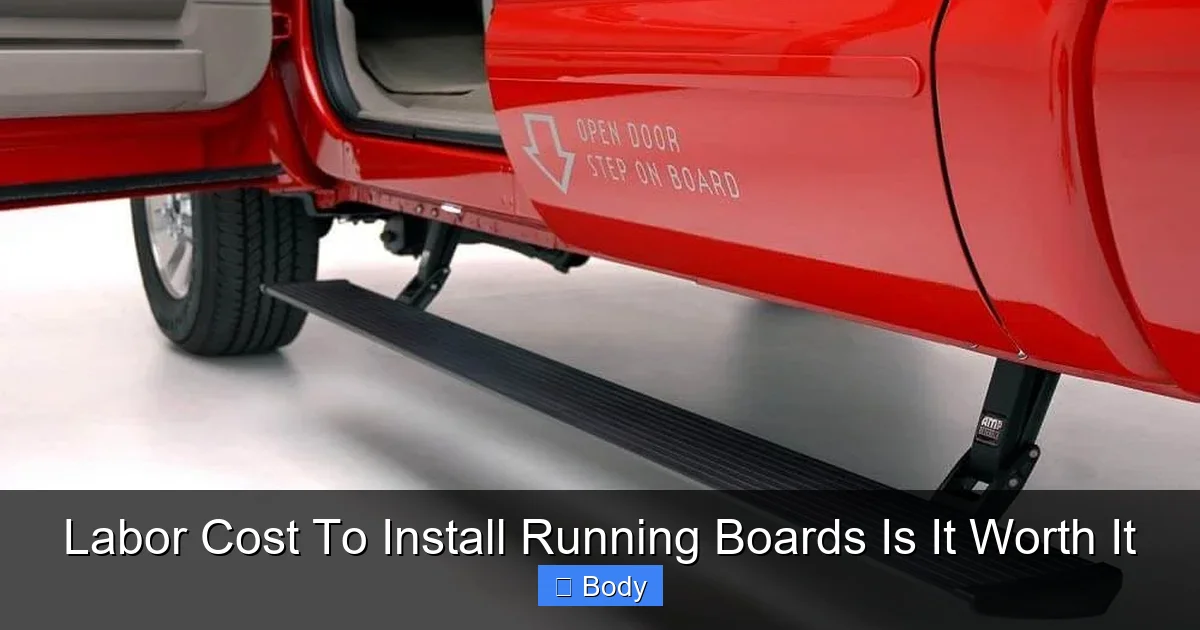
Featured image for labor cost to install running boards
Image source: garagedeed.com
Deciding if the labor cost to install running boards is “worth it” largely depends on your DIY comfort level versus the convenience and assurance of professional service. Expect labor costs to typically range from $100-$300, influenced by vehicle complexity and shop rates. While DIY can save money, paying for expert installation guarantees correct fitment and safety, often making it a worthwhile investment for optimal performance and peace of mind.
Your truck or SUV is more than just a vehicle; it’s an extension of your lifestyle. Whether you’re navigating urban jungles, hauling equipment, or embarking on outdoor adventures, convenience and accessibility are key. That’s where running boards come in. These practical accessories don’t just add a rugged aesthetic; they provide a crucial step up for easier entry and exit, protect your vehicle’s paint from road debris, and can even enhance its resale value.
However, once you’ve picked out the perfect set of running boards, the next big question looms: should you tackle the installation yourself, or hand it over to a professional? This decision often boils down to time, tools, skill, and most importantly, the labor cost to install running boards. For many, the allure of saving money on installation is strong, but is it always the wisest choice?
In this comprehensive guide, we’ll delve deep into the world of running board installation. We’ll break down the factors that influence the labor cost to install running boards, provide average price ranges, compare DIY versus professional routes, and ultimately help you decide if paying for expert installation is truly worth the investment for your specific situation.
Key Takeaways
- DIY is cost-effective: Save significantly on labor by installing running boards yourself.
- Professional costs vary: Expect $100-$300 for labor, depending on shop and vehicle.
- Factor installation time: DIY takes 1-3 hours; professional usually quicker and hassle-free.
- Assess your skill level: Most installations are bolt-on, suitable for DIY beginners.
- Gather necessary tools: A basic socket set and wrench often suffice for the job.
- Get multiple quotes: Compare local shops to find the best value for installation.
- Consider overall value: Weigh labor cost against convenience, safety, and aesthetic benefits.
Quick Answers to Common Questions
How long does it usually take to install running boards professionally?
The typical labor cost to install running boards is directly related to time. Professional installation usually takes between 1 to 3 hours, depending on your vehicle model and whether any drilling is needed.
What’s the average labor cost for a professional running board installation?
Generally, the labor cost to install running boards can range from $100 to $300. This estimate covers the mechanic’s time and expertise, but can vary by shop and location.
Can I save money on the labor cost by installing running boards myself?
Absolutely! If you’re comfortable with basic tools and auto work, a DIY installation eliminates the entire labor cost to install running boards. Just be sure to have the right equipment and follow the instructions carefully for a secure fit.
What factors influence the total labor cost to install running boards?
Several factors can affect the labor cost to install running boards, including your vehicle’s make and model (some are more complex), the running board design, and the hourly rate of the shop you choose. Always get a quote upfront!
Is paying the labor cost for professional running board installation worth it?
For many, yes! Paying the labor cost to install running boards ensures a proper, secure fit, saves you time and effort, and often comes with a warranty on the installation. It’s especially worthwhile if you’re not confident in your DIY skills.
📑 Table of Contents
- Understanding the Basics: What Are Running Boards and Why Install Them?
- Key Factors Influencing the Labor Cost to Install Running Boards
- Average Labor Cost to Install Running Boards: A Detailed Breakdown
- DIY Running Board Installation: Weighing the Savings Against the Challenges
- Is the Labor Cost To Install Running Boards Worth It? Making Your Decision
Understanding the Basics: What Are Running Boards and Why Install Them?
Before we dissect the costs, let’s establish a clear understanding of what running boards are and the compelling reasons behind their popularity. Running boards are sturdy steps typically mounted along the side of a truck, SUV, or van, designed to provide a wider, more accessible platform for stepping into and out of the vehicle.
Types of Running Boards
The variety of running boards available is vast, catering to different needs, aesthetics, and budgets. Understanding the type can significantly impact the labor cost to install running boards.
- Fixed Running Boards: These are permanently mounted to the vehicle’s frame and remain in place at all times. They come in various styles, from flat boards to tubular nerf bars. Installation is generally straightforward, often involving bolt-on brackets.
- Nerf Bars: A popular subset of fixed running boards, nerf bars are typically round or oval tubular steps. They offer a rugged look and provide good foot traction.
- Power Steps (Automatic Running Boards): These sophisticated running boards automatically extend when a door opens and retract when closed. They often come with integrated lighting. While convenient and aesthetically sleek, their installation involves significant electrical work, driving up the labor cost to install running boards considerably.
- Hoop Steps: Also known as wheel-to-wheel steps, these are individual steps usually positioned below each door, offering a minimalist look and targeted stepping points.
Benefits of Running Boards
Beyond their visual appeal, running boards offer several practical advantages:
- Easier Entry and Exit: This is the primary benefit, especially for lifted vehicles, children, elderly passengers, or those with mobility challenges.
- Vehicle Protection: They act as a barrier against road debris, mud, and door dings from adjacent vehicles, protecting your lower body panels.
- Enhanced Aesthetics: Running boards can complete the look of your vehicle, adding a rugged, refined, or sporty touch depending on the style chosen.
- Improved Accessibility: They provide a stable platform for accessing roof racks, making it easier to load and unload cargo.
Key Factors Influencing the Labor Cost to Install Running Boards
The price you’ll pay for professional installation isn’t a fixed number. Several critical factors come into play, influencing the total labor cost to install running boards. Being aware of these variables will help you understand quotes and make an informed decision.
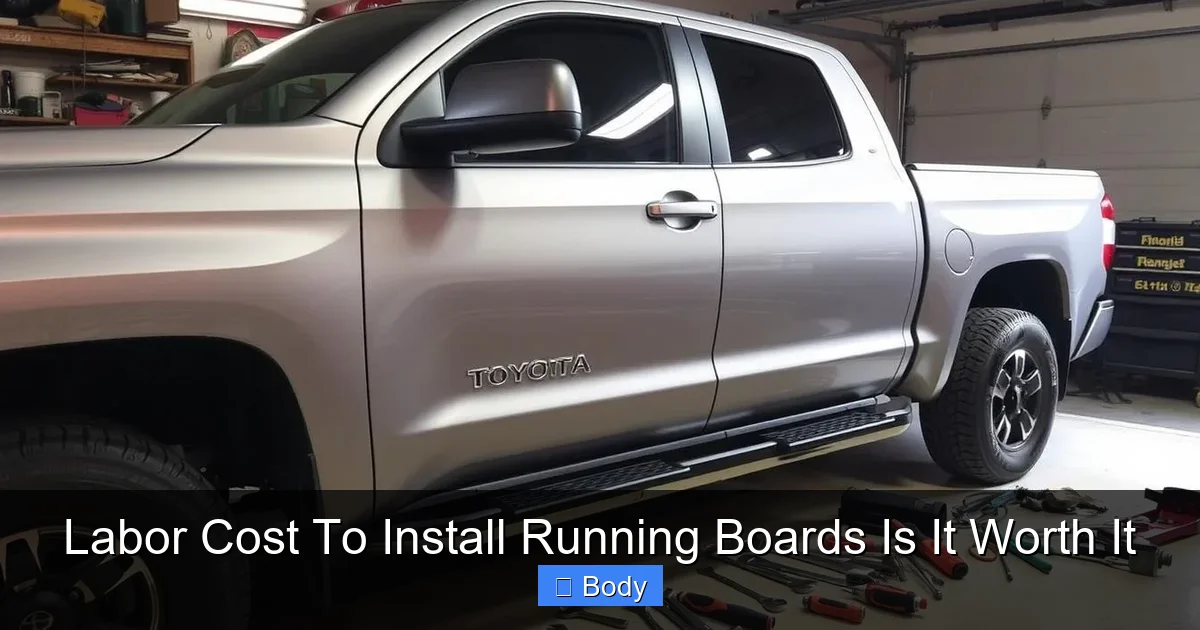
Visual guide about labor cost to install running boards
Image source: cdn.shopify.com
Vehicle Make and Model Specifics
Not all vehicles are created equal when it comes to installing accessories. Some are designed with pre-drilled holes and mounting points, making installation a breeze. Others may require more involved procedures.
- Trucks vs. SUVs vs. Vans: Generally, trucks and larger SUVs often have more straightforward mounting options. Smaller SUVs or Crossovers might have tighter clearances or require more specific bracketry.
- Aftermarket vs. OEM Compatibility: While many aftermarket running boards are designed for direct bolt-on installation, some older vehicles or specific models might require minor modifications. OEM (Original Equipment Manufacturer) boards are typically a perfect fit but can be more expensive.
- Existing Mounting Points or Drilling Required: If your vehicle doesn’t have existing mounting points, drilling into the frame or rocker panels may be necessary. This significantly increases installation time and complexity, directly impacting the labor cost to install running boards.
Type of Running Boards
As discussed, the complexity of the running board itself is a major cost driver.
- Manual/Fixed Running Boards: These are the simplest to install, typically involving bolting brackets to the vehicle frame. The labor cost to install running boards of this type is on the lower end.
- Power/Automatic Steps: These require extensive electrical wiring, often tapping into the vehicle’s door sensors, power source, and potentially even its CAN bus system. This is a delicate and time-consuming process that demands specialized skills, making the labor cost to install running boards for power steps substantially higher.
Geographic Location and Shop Rates
Just like real estate, automotive service costs vary by location. A mechanic in a major metropolitan area will likely charge more per hour than one in a rural setting.
- Urban vs. Rural: Expect higher hourly rates in cities with a higher cost of living.
- Dealership vs. Independent Auto Shop vs. Custom Shop: Dealerships typically have the highest hourly rates due to overhead, specialized training, and often, brand-specific tools. Independent auto shops usually offer more competitive rates. Custom accessory shops might fall in between or higher if specialized fabrication is involved.
- Average Hourly Rates: Across the U.S., hourly rates for automotive technicians can range from $75 to $125 at independent shops, and from $100 to $175+ at dealerships.
Additional Services and Unexpected Issues
Sometimes, the installation isn’t a clean slate. These extra factors can add to the final bill.
- Removal of Old Running Boards/Rock Sliders: If you’re replacing existing steps, the removal process adds labor time. Old, rusted bolts can be particularly stubborn, extending the job.
- Rust or Damaged Frame: Older vehicles might have rust on the frame or mounting points, which needs to be addressed before new running boards can be securely installed. This can add significant time and potentially material costs for repairs.
- Wiring for Illuminated or Power Steps: Beyond the basic electrical hookup for power steps, any additional lighting features will add to the complexity and thus the labor cost to install running boards.
Average Labor Cost to Install Running Boards: A Detailed Breakdown
To give you a clearer picture, let’s look at typical labor cost ranges for different types of running board installations. Remember, these are averages, and your specific quote may vary based on the factors mentioned above.
Manual/Fixed Running Boards (e.g., Nerf Bars, Standard Fixed Boards)
These installations are generally straightforward, typically requiring standard hand tools and minimal specialized knowledge.
- Estimated Time: 1 to 3 hours, depending on the vehicle and specific running board design.
- Typical Labor Cost Range: $75 – $300. This range reflects variations in shop rates and installation complexity (e.g., a simple bolt-on on a common truck vs. a more intricate fitment on a less common SUV).
- Factors Influencing Cost: A vehicle with pre-drilled holes and easy access to mounting points will be on the lower end. If drilling or minor modifications are needed, the time and cost will increase.
Power/Automatic Running Boards (e.g., AMP Research PowerSteps)
These sophisticated systems involve mechanical and electrical integration, making them significantly more complex and costly to install.
- Estimated Time: 3 to 6+ hours. The electrical wiring, sensor installation, and testing require meticulous work.
- Typical Labor Cost Range: $300 – $700+. High-end installations with custom wiring or challenging vehicle architectures can push this even higher.
- Factors Influencing Cost: The primary driver here is the extensive electrical work. Technicians need to be skilled in vehicle electrical systems, ensuring proper connections and functionality without interfering with other vehicle electronics.
Breaking Down Hourly Rates
To further understand how the above ranges are calculated, here’s a rough guide to hourly labor rates:
- Independent Auto Shops: $75 – $125 per hour
- Dealerships: $100 – $175+ per hour
- Specialized Custom Shops: Can be $125 – $200+ per hour for highly specialized work or unique vehicles.
When getting quotes, always ask for an itemized breakdown that includes the estimated labor hours and the shop’s hourly rate. This transparency helps you understand the true labor cost to install running boards.
DIY Running Board Installation: Weighing the Savings Against the Challenges
For many handy individuals, the thought of saving on the labor cost to install running boards by doing it themselves is appealing. While certainly possible, it’s crucial to understand both the advantages and the potential pitfalls.
Advantages of DIY
- Significant Cost Savings: This is the most obvious benefit. You eliminate the entire labor cost to install running boards, potentially saving hundreds of dollars.
- Sense of Accomplishment: Successfully installing an accessory on your own vehicle provides a gratifying feeling.
- Flexibility in Timing: You can work at your own pace and schedule, without needing to coordinate with a shop.
Disadvantages and Potential Pitfalls
- Requires Tools: You’ll need a good set of sockets, wrenches, a torque wrench (crucial for proper tightening), and potentially a drill, rivet gun, or wire strippers/crimpers for more complex installations.
- Physical Effort: Installation often involves lying on the ground, lifting heavy parts, and maneuvering in tight spaces. A second pair of hands is often invaluable.
- Risk of Error: Improper installation can lead to wobbly running boards, stripped bolts, damaged vehicle frame, or, in the case of power steps, electrical issues that could affect other vehicle systems.
- Time Commitment: While a professional might take 1-3 hours for fixed boards, a first-timer might spend 4-8 hours or more, especially for complex kits.
- Voiding Warranty: While rare, improper DIY installation or damage caused during the process could potentially void certain vehicle warranties, particularly for electrical systems if not done correctly.
When to Consider DIY
- Simple Fixed Running Boards: If the running boards are a direct bolt-on application with clear instructions and your vehicle has existing mounting points.
- Mechanical Aptitude: You have experience with automotive repairs, understand torque specifications, and are comfortable working under your vehicle.
- Proper Tools: You own or have access to all the necessary tools.
- A Helping Hand: Many running board installations are much easier with two people.
When to Opt for Professional Installation
- Complex Power Steps: The electrical work involved makes this type of installation best left to professionals. The risk of damaging vehicle electronics or having non-functional steps is high for DIYers.
- Lack of Tools, Time, or Experience: If you’re missing any of these, a professional will save you frustration, potential damage, and unexpected costs.
- Concerns About Warranty: Professional installation, especially by certified technicians, often comes with a labor warranty, giving you peace of mind.
- Drilling or Extensive Modification Required: If your running boards require drilling into the vehicle frame or body, precision is key. Mistakes can lead to serious structural issues or rust.
Is the Labor Cost To Install Running Boards Worth It? Making Your Decision
Ultimately, deciding whether the labor cost to install running boards is “worth it” comes down to a personal assessment of your specific needs, budget, and comfort level with DIY projects. Let’s break down how to weigh your options.
Assessing Your Specific Needs
- Frequency of Use: Will the running boards be used daily by multiple passengers, or are they mainly for occasional aesthetics? Higher usage might warrant professional installation for reliability.
- Who Uses the Vehicle: If children, elderly passengers, or individuals with mobility issues regularly use your vehicle, ensuring the running boards are securely and perfectly installed for safety is paramount.
- Budget: Be realistic about your total budget, including both the cost of the running boards themselves and the installation. Sometimes, the added cost of professional installation prevents headaches down the road.
- Desired Features: If you’re eyeing power-retractable boards, the convenience is undeniable, but it comes at a higher installation price point due to the electrical complexity.
Comparing Total Cost (Parts + Labor)
To truly evaluate the worth, you need to look at the full picture.
- Example Scenario 1: Basic Fixed Boards
- Parts Cost: $200 – $500
- DIY Labor Cost: $0
- Professional Labor Cost: $75 – $300
- Total DIY: $200 – $500
- Total Professional: $275 – $800
In this scenario, if you have the tools and confidence, DIY offers significant savings. The labor cost to install running boards is a smaller percentage of the total.
- Example Scenario 2: Power Retractable Boards
- Parts Cost: $800 – $2000+
- DIY Labor Cost: $0 (but not recommended due to complexity and risk)
- Professional Labor Cost: $300 – $700+
- Total DIY: $800 – $2000+ (assuming successful, risky DIY)
- Total Professional: $1100 – $2700+
Here, the labor cost to install running boards is a substantial but often necessary part of the total investment. The specialized work justifies the expense for most owners.
Long-Term Value and Peace of Mind
Consider the less tangible benefits of professional installation:
- Warranty on Labor: Reputable shops typically offer a warranty on their installation work, covering any issues that might arise.
- Correct and Safe Installation: Professionals ensure that running boards are installed correctly, securely, and according to manufacturer specifications, preventing potential safety hazards or damage to your vehicle.
- Enhanced Resale Value: A professionally installed, high-quality accessory can add to your vehicle’s appeal and value when it’s time to sell.
- Time Saved: Your time is valuable. Forgoing the DIY route frees up your weekend for other activities.
The decision to pay the labor cost to install running boards is a balance between initial expense, personal capability, and the desire for peace of mind. For simple, fixed running boards, a confident DIYer with the right tools can save money. However, for complex power steps or if you lack experience, the investment in professional installation is almost certainly worth it. It ensures safety, reliability, and proper functionality, guaranteeing that your new running boards will serve you well for years to come.
Frequently Asked Questions
What is the typical labor cost to install running boards professionally?
The average labor cost generally ranges from $100 to $250, but this can vary significantly based on your vehicle’s make and model, as well as your geographic location. Installations requiring specialized tools or more complex fitting might incur higher charges.
Can I save money by installing running boards myself, or is professional installation recommended?
Many running board kits are designed for DIY installation with basic tools and clear instructions, potentially saving you the entire labor cost. However, professional installation ensures proper fitment, safety, and durability, which can be invaluable if you’re not comfortable with automotive work.
How long does it usually take for a shop to complete the installation of running boards?
For most standard vehicles, the professional installation of running boards typically takes between 1 to 2 hours. More complex installations, or those that require drilling into the vehicle frame, might extend this timeframe slightly.
What factors specifically influence the labor cost to install running boards?
Key factors include the complexity of the running board design, whether drilling is required for mounting (some are no-drill), and the specific make and model of your vehicle. Regional labor rates and the type of shop (dealership vs. independent garage) also play a significant role.
Considering the labor cost, is it truly worth paying professionals to install running boards?
Paying for professional installation can be well worth the labor cost for peace of mind, ensuring the running boards are securely and correctly mounted, which is crucial for both safety and long-term durability. It’s especially advisable if you lack the necessary tools, time, or experience for a proper DIY installation.
Do dealerships charge more for the labor cost to install running boards compared to independent auto shops?
Generally, dealerships tend to have higher hourly labor rates than independent auto repair shops, which can result in a higher overall labor cost for installation. It’s often beneficial to get quotes from both types of establishments to compare pricing and find the best value.