2014 Honda Accord Brake Pads & Rotors: Cost Guide
📋 Table of Contents
- 🎯 Key Takeaways
- Breakdown of 2014 Honda Accord Brake Pad & Rotor Costs
- OEM vs. Aftermarket Parts: What’s the Difference and Cost Impact?
- DIY vs. Professional Installation: Savings, Tools, and Time
- Tips to Save Money on Your 2014 Honda Accord Brake Job
- Conclusion
- 💬 Quick Questions & Answers
- ❓ Frequently Asked Questions
Replacing brake pads and rotors on a 2014 Honda Accord can range from $300 to $600 per axle, depending on part quality and labor rates. This includes both parts and professional installation, with DIY options offering potential savings on labor.
🎯 Key Takeaways
- Costs vary by part quality (OEM vs. aftermarket) and labor rates.
- DIY replacement saves labor, requiring specific tools and skill.
- Budget $300-$600 per axle for professional brake replacement.
- Choose quality pads/rotors for optimal safety and longevity.
- Get multiple quotes to effectively compare service prices.
Do you ever hear that tell-tale squeal when you hit the brakes in your 2014 accord/brake-pad-replacement-cost” target=”_blank” rel=”noopener noreferrer” title=”Honda Accord Brake Pad Replacement Cost Estimates”>honda-accord-engine-rebuild-cost-1.webp” title=”honda accord engine rebuild cost 1.webp”>Honda Accord? Or maybe you feel a pulsing sensation through the pedal? These are often clear signs that your brake pads and rotors need attention. Ignoring these warnings isn’t just uncomfortable; it’s a significant safety risk for you and everyone else on the road.
Understanding the potential costs for brake repair can feel daunting. You want to make sure your Accord stops reliably without breaking the bank. This guide will help you navigate the expenses involved in replacing brake pads and rotors for your 2014 Honda Accord. We’ll give you clear insights into what to expect and how to make smart choices for your budget and safety.
Breakdown of 2014 Honda Accord Brake Pad & Rotor Costs
Your 2014 Honda Accord relies on a robust braking system. When it’s time for new brake pads and rotors, the total cost involves several factors. These include the parts themselves, the labor for installation, and any additional fees. It’s smart to prepare for these expenses to maintain your vehicle’s safety and performance.
Parts Cost: Pads and Rotors Explained
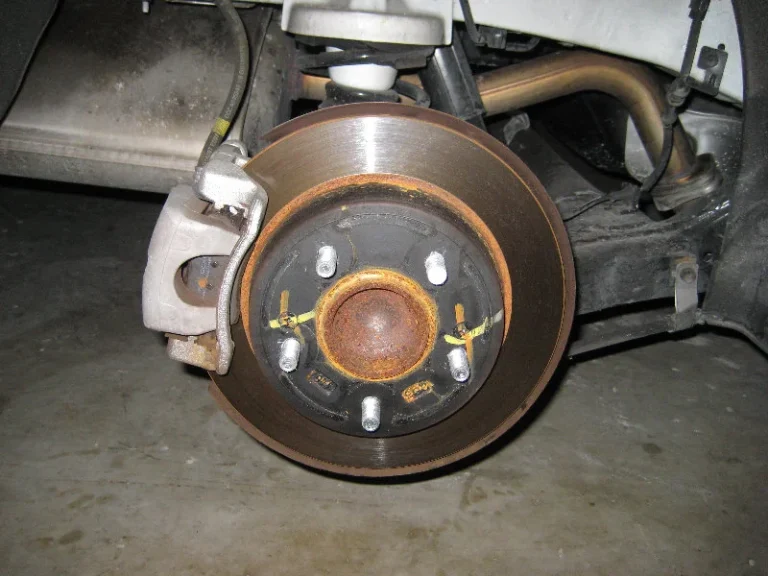
The core of your brake job cost comes from the parts. For a 2014 Honda Accord, you’ll typically replace both brake pads and rotors together for optimal performance. Prices can vary between front and rear axles. Front components sometimes cost more due to greater stopping demands. Rotors are the metal discs the pads clamp onto. Pads are the friction material that wears down. Often, you can buy these components as a convenient kit.
- Brake Pads (per axle): Quality aftermarket sets range from $30 to $100. Original Equipment Manufacturer (OEM) pads might be $70 to $150.
- Brake Rotors (per axle): A pair of aftermarket rotors could cost $60 to $150. OEM rotors are usually $100 to $200 for a pair.
For just the parts for one axle (pads and rotors), you’re looking at approximately $90 to $350. Remember, replacing all four corners means doubling this parts estimate for a complete overhaul.
Labor Cost: Professional Installation Explained
Unless you’re a seasoned DIY mechanic, professional installation is almost certainly necessary. Brake pad and rotor replacement is a standard job for most auto repair shops. Labor rates vary by your location and the type of shop you choose. Independent garages often have lower hourly rates than dealerships. A mechanic will remove the old components, clean the caliper assembly, and install the new pads and rotors. They will also inspect other critical brake components like brake lines and calipers for any wear or damage.
- Per Axle Labor: Most shops charge 1 to 2 hours of labor per axle for this task. At average shop rates of $80 to $150 per hour, this translates to $80 to $300 per axle for labor.
Combining parts and labor, a complete brake job on one axle for your 2014 Honda Accord could range from $170 to $650. If you need to do all four wheels, expect this cost to roughly double, placing you in the $340 to $1300 range. Always get a detailed, written quote before authorizing any work to avoid surprises.
OEM vs. Aftermarket Parts: What’s the Difference and Cost Impact?
When replacing brake pads and rotors on your 2014 Honda Accord, you have a crucial choice to make. You can go with Original Equipment Manufacturer (OEM) parts or opt for aftermarket components. This decision impacts not only the cost but also performance, durability, and even warranty. Understanding these differences helps you select the best option for your driving style and budget, ensuring your Accord stops safely and reliably.
Original Equipment Manufacturer (OEM) Parts: The Factory Standard
OEM parts are identical to the components that originally came installed on your Honda Accord when it left the factory. These parts are designed, tested, and manufactured specifically for your vehicle by Honda or its approved suppliers. They promise a perfect fit, reliable performance, and often come with a strong manufacturer’s warranty. Choosing OEM gives you peace of mind. You know the components meet Honda’s strict specifications for quality and safety. Your car will feel and perform exactly as it did when it was brand new. However, this premium quality and assurance generally come at a higher price point.
- Pros: Guaranteed perfect fit and quality, designed specifically for your Accord, maintains original performance, often includes a strong warranty.
- Cons: Generally the most expensive option available on the market.
- Cost Impact: Expect to pay 20-50% more for OEM brake pads and rotors compared to good quality aftermarket alternatives. For instance, if a set of aftermarket pads costs $50, an OEM set might easily be $75-$100.
If you prioritize factory-level performance, original longevity, and don’t mind the higher investment, OEM parts are an excellent choice. They are especially popular among those who want to maintain their vehicle’s original resale value or adhere strictly to manufacturer guidelines for maintenance.
Aftermarket Parts: Value and Variety for Your Accord
Aftermarket parts are manufactured by companies other than Honda. This industry is vast and competitive, offering a wide range of options in terms of quality, performance, and price. You can find everything from budget-friendly choices to high-performance upgrades. Many reputable aftermarket brands produce excellent brake components that meet or even exceed OEM specifications. These companies often innovate with materials and design. They might offer options like ceramic pads for less brake dust or slotted rotors for better heat dissipation and cooling. The key to choosing aftermarket parts is to select a trusted brand, as quality can vary significantly across different manufacturers.
- Pros: Wide range of prices and performance levels, potential for upgrades, more readily available from various retailers, generally more affordable.
- Cons: Quality can vary widely; thorough research is crucial, potential for minor fitment issues with very cheap or generic parts, may not always carry the same warranty as OEM components.
- Cost Impact: Aftermarket options can save you significantly, often 20-50% less than OEM parts. A complete aftermarket brake kit for one axle might be $90-$150, versus an OEM kit which could be $150-$250.
When considering aftermarket parts, always focus on established brands known for quality and reliability. Companies like Akebono, Brembo, Raybestos, and Wagner are often excellent choices for brake components for your Accord. They typically offer a great balance of cost savings and reliable performance. Discuss your specific driving habits and needs with your mechanic. This conversation will help you choose aftermarket parts that best suit you. You can often achieve similar, or even improved, performance to OEM for a lower price, making aftermarket a very popular and smart choice for many 2014 Accord owners.
DIY vs. Professional Installation: Savings, Tools, and Time
Deciding between tackling a brake job yourself or trusting a professional significantly impacts the overall cost. Both options have their merits, depending on your skill level, available tools, and time.
The DIY Approach: What You Need to Know
For the mechanically inclined, a DIY brake job on your 2014 Honda Accord can lead to substantial savings. You’re primarily paying for parts, cutting out labor costs entirely. This can save you anywhere from $150 to $300 per axle.
However, it’s not without its requirements. You’ll need specific tools, including:
- A reliable car jack and sturdy jack stands
- A lug wrench and socket set
- A torque wrench (crucial for proper wheel lug nut and caliper bolt tightening)
- A brake caliper compressor tool (or a large C-clamp)
- Safety glasses and gloves
Expect to spend 2-4 hours per axle if you’re new to the task. Always follow a reliable repair manual or video guide for your specific Accord model, and prioritize safety above all else.
When to Choose a Professional
If you lack the tools, time, or confidence in your mechanical skills, a professional installation is the safer bet. While it costs more upfront due to labor charges (typically $75-$150 per hour), you gain peace of mind and often a warranty on both parts and labor.
Professional mechanics have specialized equipment and experience to quickly diagnose and fix any unforeseen issues, such as a seized caliper or a rusted bolt. They can also ensure proper bleeding of the brake lines if necessary and perform a road test to verify optimal performance.
Tips to Save Money on Your 2014 Honda Accord Brake Job
Whether you’re going DIY or hiring a pro, there are smart ways to reduce the expense of your 2014 Honda Accord’s brake job without compromising safety.
Smart Parts Purchasing
The cost of parts can vary widely, so a little research goes a long way. Don’t just buy the first set of pads and rotors you see.
- Shop Around Online: Websites like RockAuto.com, Amazon, and Advance Auto Parts/AutoZone often have competitive prices. Compare different brands and read reviews.
- Look for Sales and Bundles: Many retailers offer discounts, especially around holidays. You can often find “pads and rotors kits” that are cheaper than buying components separately.
- Consider Aftermarket Quality: While OEM (Original Equipment Manufacturer) parts are great, reputable aftermarket brands like Akebono, Centric, Wagner, or PowerStop offer excellent quality at a lower price point. Just ensure they meet or exceed OEM specifications.
- Local Parts Stores: Sometimes, local stores will price match or have good deals, especially if you have a loyalty program. Plus, you can often pick up parts the same day.
Preventative Maintenance and Timely Repairs
The best way to save money on brake repairs is to avoid major issues in the first place.
- Regular Inspections: Have your brakes checked every 10,000 to 15,000 miles, or at least once a year. Catching worn pads early can prevent rotor damage.
- Don’t Procrastinate: Ignoring squealing or grinding noises will only make things worse. Worn-out pads that start grinding metal-on-metal will quickly destroy your rotors, turning a simple pad replacement into a more expensive pads-and-rotors job. In extreme cases, it can even damage calipers.
- Drive Smart: Aggressive driving and frequent hard braking wear out your brakes much faster. Practice smooth acceleration and deceleration, and try to coast to a stop when possible.
Conclusion
Replacing the brake pads and rotors on your 2014 Honda Accord is a critical maintenance item for your safety. Costs can range significantly, from as low as $200 for a DIY single-axle job with economy parts to upwards of $700 or more per axle for premium parts and professional installation. By understanding your options for parts quality, considering a DIY approach if you’re capable, and staying proactive with maintenance, you can manage these costs effectively.
Your next step should be to assess your comfort level with DIY work and gather quotes for both parts and professional labor. No matter what, ensure your Accord stops safely and reliably. Don’t compromise on brake health!
💬 Quick Questions & Answers
What’s the average cost for 2014 Honda Accord brake pads and rotors?
Expect to pay around $300-$600 per axle, covering both parts and labor for a professional replacement.
Can I just replace the brake pads on my 2014 Accord?
It is highly recommended to replace both pads and rotors together for optimal braking performance and safety.
How often do 2014 Honda Accord brakes need replacement?
Typically, brakes last between 30,000 to 70,000 miles, depending on driving style and conditions.
Is there a cost difference between front and rear 2014 Accord brakes?
Yes, front brakes often cost more due to larger components and generally experiencing greater wear.
Does a brake job include a brake fluid flush?
No, a brake fluid flush is typically a separate service and not usually included in a standard brake pad and rotor replacement.
❓ Frequently Asked Questions
What factors influence the total cost of 2014 Honda Accord brake pad and rotor replacement?
The total cost primarily depends on whether you opt for OEM (Original Equipment Manufacturer) or aftermarket parts, the labor rates of your chosen mechanic or shop, and if you are replacing one or both axles. Premium or performance-oriented parts will also increase the price point.
How much does labor typically cost for a 2014 Honda Accord brake job?
Labor costs for a 2014 Honda Accord brake job generally range from $100 to $200 per axle, typically taking 1 to 2 hours of work. These rates can vary significantly based on your geographic location and the specific mechanic’s hourly shop rates.
What are the common signs that my 2014 Honda Accord needs new brake pads and rotors?
Key indicators include squealing or grinding noises when braking, a noticeable vibration through the steering wheel or brake pedal, a soft or spongy brake pedal feel, or a visible reduction in braking efficiency. A visual inspection might also reveal excessively thin pads or deeply grooved rotors.
Is it worth investing in higher-quality brake parts for my 2014 Honda Accord?
Yes, investing in higher-quality brake pads and rotors often provides superior stopping power, extended lifespan, and reduced noise levels, especially for spirited driving or frequent city stops. They can be a worthwhile investment for enhanced safety and long-term performance.
Can I perform the 2014 Honda Accord brake pad and rotor replacement myself to save money?
Performing a DIY brake job on your 2014 Honda Accord can save you a significant amount on labor costs, potentially $100-$200 per axle. However, it requires specific tools like a jack, jack stands, torque wrench, and caliper tools, along with a good understanding of mechanical procedures and a strong commitment to safety.
Should I replace all four brake pads and rotors at once on my 2014 Honda Accord?
While front brakes often wear faster than rear brakes due to more braking force, it’s wise to inspect all four at the same time. If wear is similar on both axles, replacing all four ensures balanced braking performance and can be more efficient in terms of labor time if done together.