How Much Do Hyundai Elantra Brake Pads & Rotors Cost?
📋 Table of Contents
Understanding the total cost for Hyundai Elantra brake pads and rotors replacement is essential for budgeting and safety. Prices typically range from $300 to $700 per axle, influenced by parts quality and labor rates. Prioritize professional inspection to ensure optimal braking performance.
🎯 Key Takeaways
- Takeaway 1:Total cost varies significantly by parts quality and labor rates.
- Takeaway 2:Budget $300-$700 per axle for professional pads and rotors replacement.
- Takeaway 3:Choose between OEM, aftermarket, or performance brake components wisely.
- Takeaway 4:DIY replacement can save substantially on labor expenses.
- Takeaway 5:Never compromise safety; address brake issues promptly.
That subtle squeal or soft grinding sound from your Hyundai Elantra might be more than just an annoyance. It’s often your car’s way of telling you something important: your brake pads and rotors might need attention. Ignoring these signals can lead to serious safety issues and much more expensive repairs down the road.
Understanding the cost of replacing brake pads and rotors on your Elantra is essential for every car owner. It helps you budget for necessary maintenance and avoid surprises. In this post, we’ll break down exactly what goes into your Elantra’s braking system and what you can expect to pay for parts and labor.
Understanding Hyundai Elantra Brake System Components
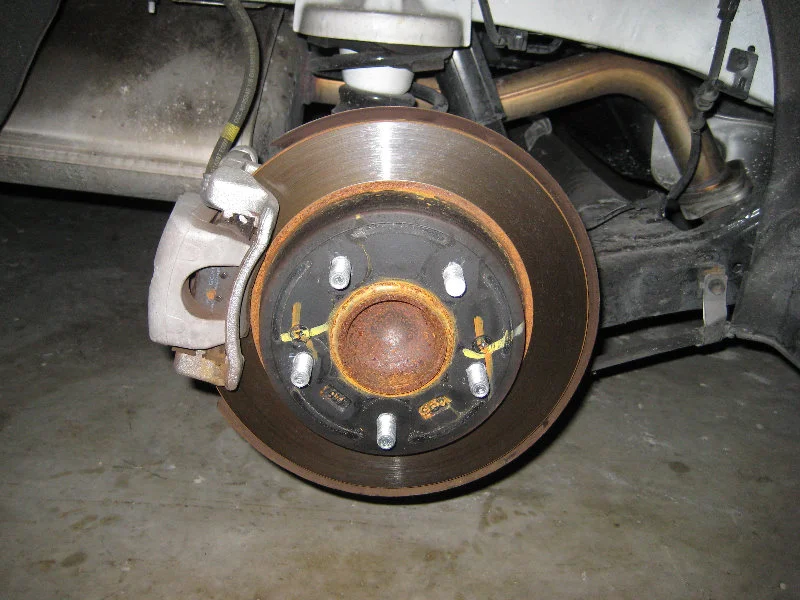
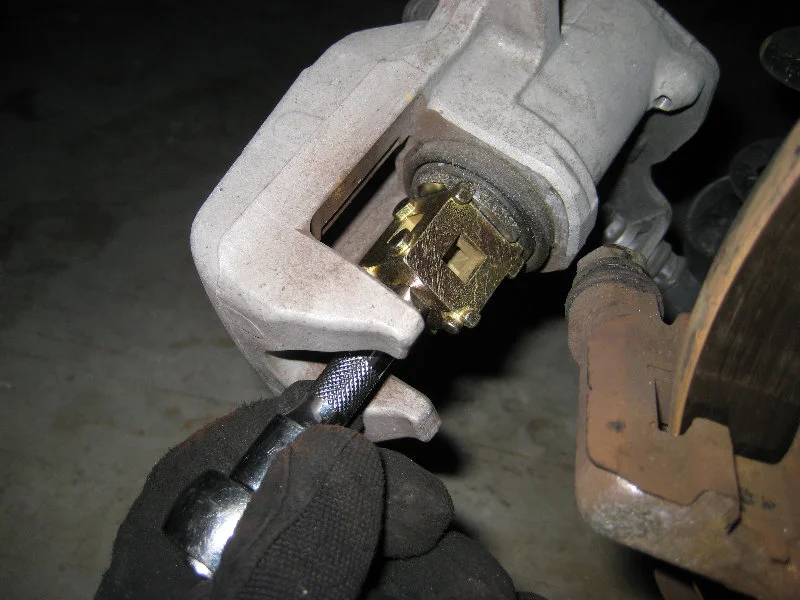
Your Hyundai Elantra’s braking system is vital for your safety. It brings your vehicle to a stop reliably. Knowing its basic parts helps you understand maintenance and costs. The key players are the brake pads, rotors, and calipers. They work together to stop your car by creating friction and heat.
Regular checks of these parts are essential. Technicians often inspect your brake pads and rotors during service. This helps catch problems early. Being informed about your brakes makes you a smarter car owner.
Brake Pads: The Friction Makers
Brake pads create the friction needed to slow your car. When you press the pedal, calipers squeeze the pads against the rotors. This friction stops your wheels.
Your Elantra can use different types of brake pads:
- Semi-Metallic Pads: These are common. They offer good braking and handle heat well. They might be a bit noisier and create more dust.
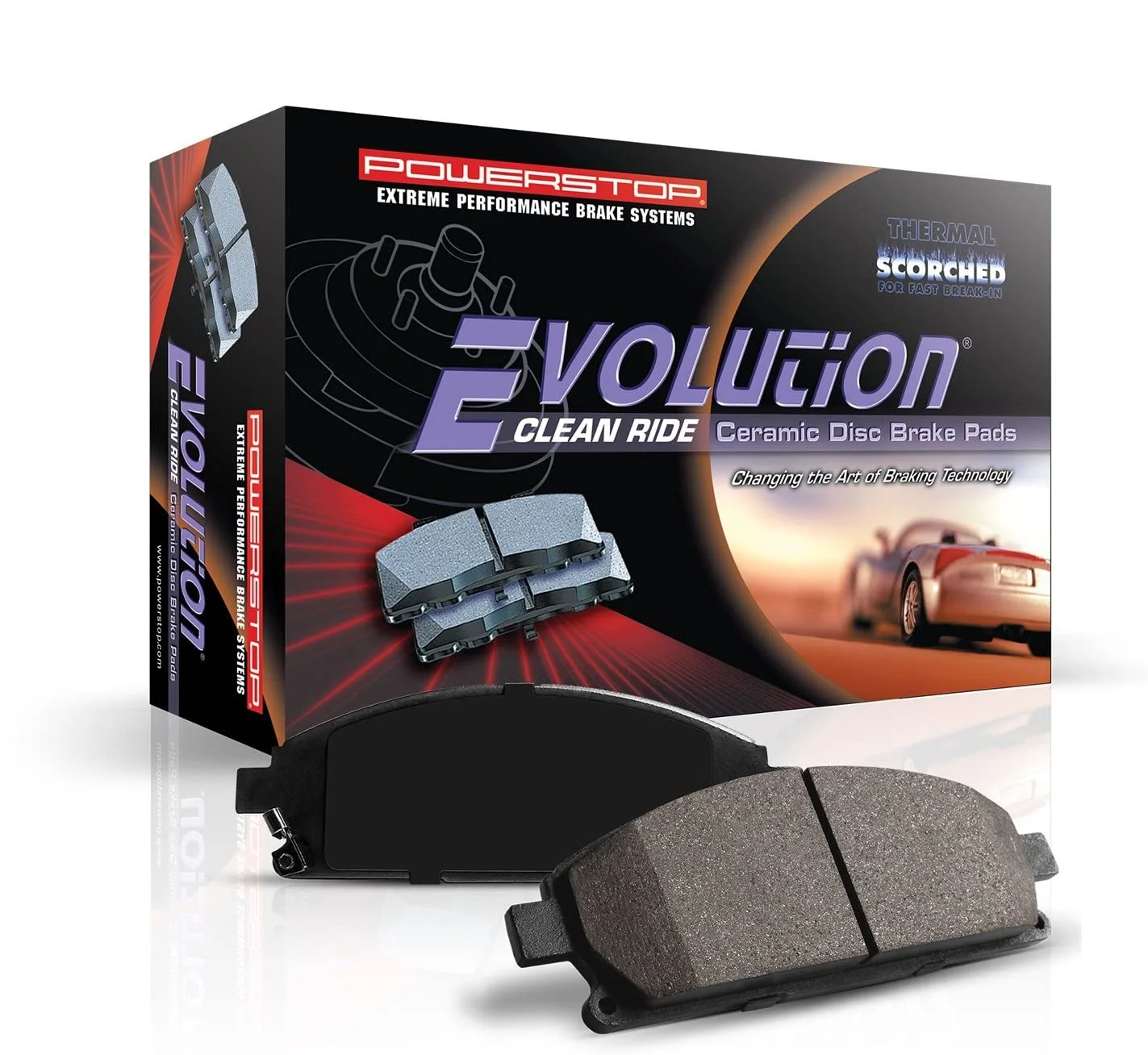
- Ceramic Pads: Many Elantra owners prefer these. They are quiet, produce less dust, and last longer. They perform great in various temperatures.
Most pads have a wear indicator. This metal tab makes a loud squealing sound when pads get too thin. This means it’s time for new pads. Ignoring this sound can damage your rotors severely.
Brake Rotors: The Heat Dissipators
Brake rotors are large metal discs on your wheels. Brake pads clamp onto them. Their main job is to provide a friction surface and dissipate the heat from braking. They act like giant cooling plates.
Rotors wear down over time. They can get grooves, rust, or warp from extreme heat. A pulsating feeling in your brake pedal means a warped rotor. This needs immediate attention. Most Elantras use vented rotors. These have channels for air flow, helping them cool down faster.
Thin or damaged rotors cannot cool properly. This reduces braking power and increases stopping distances. Rotors are often replaced, not just resurfaced, when they are too worn. This ensures safe and optimal braking for your Elantra.
Breakdown of Hyundai Elantra Brake Pads & Rotors Cost
Let’s look at the costs. Replacing brake pads and rotors on your Hyundai Elantra varies in price. Many things affect the final bill. These include your location, part choices, and whether you go to a dealership or an independent mechanic.
It’s best to replace both pads and rotors together. This gives you the best braking and makes your new parts last longer. Don’t skimp on safety or quality for your brakes.
Cost of Parts: Pads and Rotors
The parts themselves are a big part of the total cost. Prices change based on brand and quality.
- Brake Pads (per axle set, front or rear):
- Aftermarket (Standard): Expect to pay $30 to $70.
- Aftermarket (Premium/Ceramic): These can range from $50 to $100+.
- OEM (Dealership): These parts typically cost $70 to $150+.
You’ll buy one set for the front wheels and one for the rear.
- Brake Rotors (per rotor, you need two per axle):
- Aftermarket (Standard): A single rotor might cost $40 to $80.
- Aftermarket (Premium): These can go from $70 to $150+.
- OEM: Dealership rotors often fall into the $80 to $200+ range.
Rotors are always replaced in pairs for balanced braking.
For just the parts on one axle (front or rear), expect to pay $110 (standard aftermarket) to $400+ (premium OEM). Double this if you need both axles done.
Labor Costs and Total Estimates
Labor is the other main cost. Getting quotes from different shops can save you money.
- Hourly Rates: Mechanic labor rates typically range from $80 to $150 per hour. Dealerships are usually higher.
- Time Required:
- One axle (pads and rotors): This usually takes 1 to 2 hours.
- Both axles: This could take 2 to 4 hours.
This includes a basic visual inspection of other brake parts.
Here’s a rough total estimate for your Elantra:
- Per Axle (Front or Rear):
- Parts: $110 – $400+
- Labor: $80 – $300
- Total Per Axle: $190 – $700+
- Both Axles (Front and Rear):
- Parts: $220 – $800+
- Labor: $160 – $600
- Total For All Four Wheels: $380 – $1400+
These are estimates. They don’t include things like brake fluid flushes or caliper replacement, which might be necessary. Always ask for a detailed quote first.
Factors Influencing Your Total Brake Replacement Bill
While we’ve given you some general cost ranges, the final price tag for your Hyundai Elantra’s brake job isn’t a fixed number. Several crucial factors can sway your total bill significantly, from the parts you choose to where you get the work done.
Type of Parts: OEM, Aftermarket, or Performance?
The components you select are a major cost driver. Each option has its pros and cons regarding price, durability, and performance:
- OEM (Original Equipment Manufacturer) Parts: These are genuine Hyundai parts, identical to what came with your Elantra from the factory. They offer guaranteed fit, performance, and often a warranty. Expect to pay the most for OEM pads and rotors, typically at a dealership or authorized service center.
- Aftermarket Parts: Produced by third-party manufacturers, aftermarket parts offer a wide spectrum of quality and price. You can find budget-friendly options that perform adequately or premium aftermarket brands that rival OEM quality, sometimes even exceeding it (e.g., Akebono, Bosch, Raybestos). These can be a great way to save money without sacrificing too much quality.
- Performance Parts: If you’re an enthusiastic driver or simply want superior stopping power and heat dissipation, performance brake pads and rotors (e.g., slotted, drilled rotors, ceramic pads) are an option. They come with a higher price tag but offer enhanced performance under demanding conditions. Most everyday Elantra drivers won’t need these.
Labor Rates and Location
The cost of labor can vary dramatically depending on where you live and the type of shop you choose. For instance:
- Dealerships: Hyundai dealerships generally have the highest labor rates due to specialized technicians, genuine parts, and comprehensive warranties. You’re paying for peace of mind and brand-specific expertise.
- Independent Mechanics: Local garages and independent repair shops often have lower hourly labor rates compared to dealerships. They can be an excellent value, especially if you find a reputable shop with experienced technicians. Always check reviews!
- Chain Repair Shops: Places like Pep Boys, Firestone, or Midas often offer competitive pricing and frequent promotions. Quality can vary, so research individual locations.
Location also plays a role; labor costs in a major metropolitan area like Los Angeles will typically be higher than in a smaller town.
Tips for Saving Money on Hyundai Elantra Brake Repair
Brake replacement is a necessary expense, but that doesn’t mean you can’t be smart about it. Here are some actionable tips to help you keep more cash in your wallet while ensuring your Elantra remains safe.
DIY vs. Professional Installation
One of the biggest areas for potential savings is labor. If you’re mechanically inclined and have the right tools, performing a brake job yourself can drastically cut costs:
- Gather Your Tools: You’ll need a jack, jack stands, lug wrench, socket set, torque wrench, C-clamp or caliper compression tool, and brake cleaner.
- Purchase Parts Online: Buying your own aftermarket brake pads and rotors from reputable online retailers (like RockAuto, PartsGeek, or Amazon) often yields significant savings compared to buying them directly from a shop.
- Watch Tutorials: YouTube is packed with step-by-step guides specific to the Hyundai Elantra. Watch a few to ensure you understand the process fully before starting.
- Safety First: If you’re unsure at any point, it’s always safer to consult a professional. Brakes are a critical safety system!
However, if DIY isn’t your comfort zone, don’t force it. The money saved isn’t worth risking your safety or damaging other components.
Regular Inspections and Maintenance
Preventative care is often cheaper than reactive repairs. Staying on top of your Elantra’s brake health can prevent minor issues from becoming costly headaches:
- Listen and Feel: Pay attention to any squealing, grinding, or pulsating when you brake. These are early warning signs.
- Visual Checks: Every time you get your tires rotated or oil changed, ask your mechanic to visually inspect your brake pads. Many shops offer this for free. You can also peek through your wheels to check pad thickness if you know what to look for.
- Don’t Delay: Replacing pads when they’re thin can often save your rotors. If pads wear down completely, the metal backing plate grinds directly into the rotor, almost guaranteeing you’ll need new rotors too. This is a common way a simple pad replacement turns into a full pads-and-rotors job.
- Brake Fluid Checks: Ensure your brake fluid is at the correct level and isn’t contaminated. Brake fluid flushes are occasionally recommended to maintain optimal performance and prevent corrosion.
By being proactive, you can often catch issues early, leading to simpler, less expensive repairs.
Conclusion
Understanding the cost of Hyundai Elantra brake pads and rotors doesn’t have to be a mystery. While prices can range from a few hundred dollars for a basic DIY job to over $700 for a full dealership replacement, being informed empowers you to make the best decision.
Prioritize your safety by never ignoring brake warning signs. Get multiple quotes, consider quality aftermarket parts, and don’t underestimate the power of regular inspections. Taking these steps will help you maintain your Elantra’s stopping power without breaking the bank. Drive safe!
💬 Quick Questions & Answers
What’s the average cost for Hyundai Elantra brake pads?
Expect to pay $35-$100 per axle for pads, depending on material and brand.
How much do Hyundai Elantra brake rotors cost?
Rotors typically cost $40-$120 each, varying by type, quality, and material.
Is it cheaper to replace pads and rotors at home?
Yes, DIY replacement significantly saves on labor costs, potentially $150-$300 per axle.
How often should Elantra brake pads and rotors be replaced?
Pads usually last 30,000-70,000 miles, rotors 50,000-70,000 miles, depending on driving habits.
Should I replace both pads and rotors together?
It’s highly recommended to replace both simultaneously for optimal braking performance, longevity, and safety.
❓ Frequently Asked Questions
What is the typical full service cost for Hyundai Elantra brake pads and rotors replacement?
A full professional service for replacing both pads and rotors on one axle of a Hyundai Elantra generally costs between $300 and $700. This includes parts (pads and rotors), labor, and shop supplies, but can vary by location and shop rates, making it wise to get multiple quotes.
What are the main differences between OEM and aftermarket brake parts for an Elantra?
OEM (Original Equipment Manufacturer) parts are designed specifically for your Elantra, ensuring perfect fit and performance, but are often more expensive. Aftermarket parts offer a wider range of prices and performance levels, sometimes providing better value or specialized performance, but quality can vary greatly between brands.
Can I just replace the brake pads on my Elantra without replacing the rotors?
While technically possible, it’s generally not recommended to replace just the pads unless your rotors are in excellent condition with no significant wear, warping, or minimum thickness issues. Replacing both ensures even braking, extends the life of the new pads, and prevents premature wear or noise issues.
How do I know if my Hyundai Elantra needs new brake pads and rotors?
Common signs include squealing or grinding noises when braking, a vibrating steering wheel or brake pedal, a spongy or soft brake pedal, or a longer stopping distance. A visual inspection of pad thickness (below 3mm) and rotor surface (grooves, rust) can also reveal severe wear.
Are there different types of brake pads available for the Hyundai Elantra, and how do they affect cost?
Yes, common types include organic (cheapest, quietest), semi-metallic (good performance, moderate dust), and ceramic (premium, low dust, quiet, higher cost). Your choice impacts performance, longevity, noise, and overall cost significantly, with ceramic pads being the priciest but often offering the best feel and longest life.
What impact does driving style have on the lifespan and replacement frequency of Elantra brakes?
Aggressive driving, frequent heavy braking, and city driving with lots of stop-and-go traffic will wear out brake pads and rotors much faster than conservative highway driving. Anticipating stops, maintaining a safe following distance, and smooth, gradual braking can significantly extend the life of your brake components, saving you money on frequent replacements.