Toyota 4Runner Brake Pad Replacement Cost: Your Full Guide
📋 Table of Contents
The cost to replace Toyota 4Runner brake pads typically ranges from $150 to $400 per axle, depending on parts quality and labor. This guide helps you understand the factors influencing the price, from choosing between OEM and aftermarket pads to professional vs. DIY options, ensuring you make an informed decision for your vehicle’s safety.
🎯 Key Takeaways
- Expect $150-$400 per axle for 4Runner brake pad replacement, including parts and labor.
- DIY replacement significantly cuts labor costs, but requires specific tools and mechanical aptitude.
- Choosing OEM, aftermarket, or performance pads impacts cost and braking feel.
- Get brakes inspected every 10,000-15,000 miles, or annually, for optimal safety.
- Often, rotors should be replaced or resurfaced alongside new pads for best performance.
Your brake-pad-replacement-cost” target=”_blank” rel=”noopener noreferrer” title=”Toyota 4Runner Brake Pad Replacement Cost Estimates”>Toyota 4Runner is a reliable beast, built for adventure. But even the toughest vehicles need maintenance, especially when it comes to safety. Did you know your brake system is the most critical safety feature on your entire vehicle? It’s true. Those pads and rotors literally save lives every day.
Understanding the cost of brake pad replacement helps you plan and make smart decisions. It’s a common maintenance task, and knowing what to expect can ease any stress. We’ll break down all the costs, so you’re fully prepared and can keep your 4Runner stopping safely.
Understanding Toyota 4Runner Brake Pad Replacement Costs: Parts & Labor Breakdown
The Cost of Brake Pads Themselves
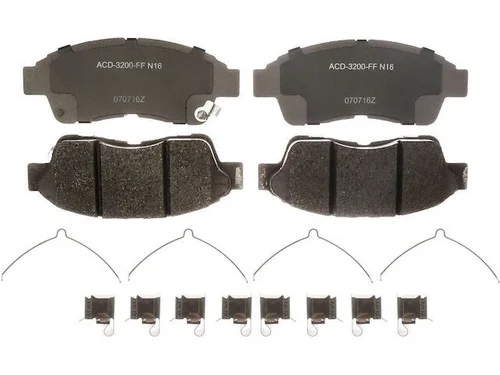
When you need new brake pads for your 4Runner, the first cost is the pads themselves. These aren’t one-size-fits-all items. Prices vary a lot based on the brand and the material. You can choose between original equipment manufacturer (OEM) pads or aftermarket options. OEM pads are made by Toyota, designed specifically for your vehicle. They often come with a higher price tag. Expect to pay anywhere from $80 to $150 per axle for these quality pads.
Aftermarket pads offer more choices and can be more budget-friendly. These are made by independent manufacturers. Some aftermarket brands are excellent, offering performance similar to OEM. Others might be cheaper but compromise on quality or lifespan. For aftermarket pads, you might spend $40 to $100 per axle. Always research brands and read reviews before making a choice. Remember, you’ll need pads for both the front and rear axles.
Labor Costs: What You’re Paying For
Beyond the parts, you’ll pay for the expertise to install them. Labor costs are a significant portion of any brake job. These costs can fluctuate greatly based on where you live and the type of shop you choose. A dealership typically charges more per hour than an independent mechanic. Shop rates often range from $75 to $150 per hour.
Replacing brake pads on a Toyota 4Runner is a relatively straightforward job for a trained technician. It usually takes about 1 to 2 hours per axle. This means your total labor bill for just pads could be between $150 and $300. Some shops might quote a flat rate for a brake job, which simplifies things. Always ask for a detailed estimate before any work begins. This way, you understand exactly what you are paying for.
So, combining parts and labor for just brake pads on one axle (front or rear), you’re generally looking at a range of $190 to $450. If you need both front and rear pads replaced, that figure will essentially double.
Factors Influencing Your 4Runner Brake Pad Cost: Pad Types, Rotors & More
Choosing Your Brake Pad Material
The type of brake pad material you select significantly impacts both performance and cost. Each material has its own set of characteristics:
-
Semi-Metallic Pads: These are a common, budget-friendly choice. They contain metal fibers and other fillers.
- Pros: Strong stopping power, good for various temperatures, generally affordable.
- Cons: Can be noisier, produce more brake dust, and might wear rotors slightly faster.
If you prioritize strong stopping power on a budget, semi-metallic pads are a solid option for your 4Runner.
-
Ceramic Pads: Made from ceramic fibers, these are a premium choice.
- Pros: Very quiet, produce minimal brake dust, excellent durability, gentler on rotors.
- Cons: Higher upfront cost, can be less effective in extreme cold compared to semi-metallic.
For a quieter ride and less wheel dust, ceramic pads are worth the extra investment. They often last longer, too.
Rotors: Replacement or Resurface?
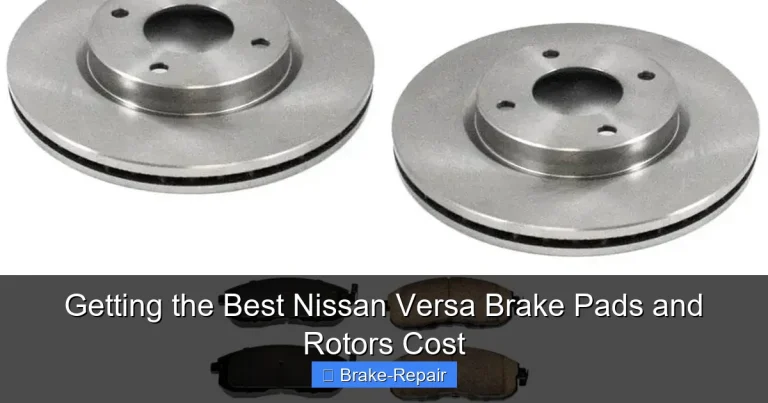
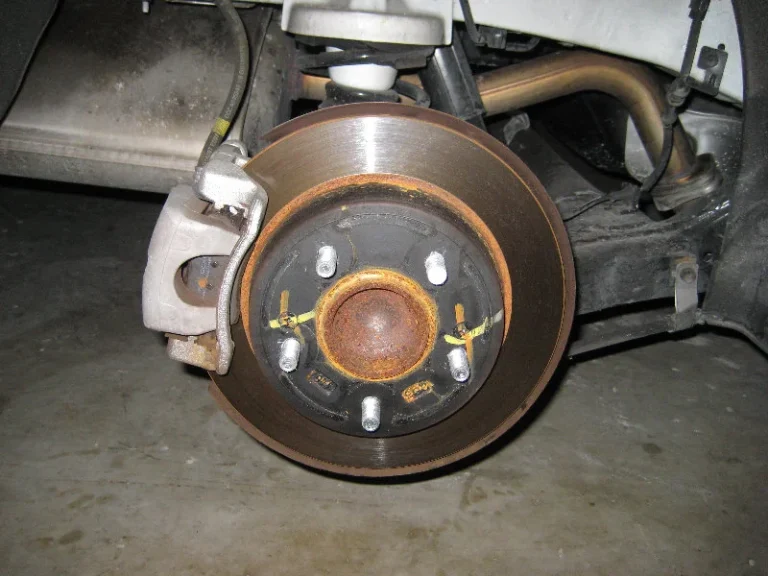
Your brake pads press against brake rotors – the large metal discs behind your wheels. When you replace pads, your mechanic will always inspect these rotors. Worn rotors can impact braking performance and safety. There are two main options if your rotors show wear:
-
Rotor Resurfacing: If wear is minor, rotors can be “resurfaced.” This involves machining a thin layer off the surface to make it smooth again.
- Cost: Resurfacing is cheaper than replacing, typically $20-$50 per rotor. This is only possible if the rotors have enough thickness remaining for safety.
-
Rotor Replacement: For heavily worn, grooved, or warped rotors, replacement is often the only safe option. New rotors ensure optimal braking.
- Cost: New rotors add significantly to your bill, often $50-$150+ per rotor for parts. Labor for replacement also adds to the cost.
Always follow your mechanic’s advice regarding rotors. Your safety depends on a fully functional brake system. Ignoring worn rotors can lead to poor braking performance and vibrations. Occasionally, brake calipers might also need attention, but this is less common during a routine pad swap.
<h2>DIY vs. Professional Brake Pad Replacement for Your Toyota 4Runner: Pros & Cons</h2>

<p>When it comes to replacing your 4Runner's brake pads, you essentially have two paths: tackle it yourself or hand it over to the pros. Both have their merits and drawbacks, largely impacting your overall cost and peace of mind.</p>
<h3>DIY Approach: Save Money, But Consider the Risks</h3>
<p>Choosing the DIY route means you'll only pay for parts, potentially saving hundreds in labor costs. A set of premium brake pads might run you <strong>$80-$150 per axle</strong>, plus the cost of tools if you don't already own them (jack, jack stands, wrench set, C-clamp). It can be a rewarding learning experience for the mechanically inclined. However, brake replacement is a critical safety task. Improper installation can lead to brake failure, compromised stopping power, or uneven wear, which could result in more costly repairs down the line or, worse, an accident. It's also time-consuming, typically taking <em>2-4 hours</em> for someone with moderate experience.</p>
<h3>Professional Service: Peace of Mind and Expertise</h3>
<p>Opting for a professional mechanic, whether at a dealership or an independent shop, means you're paying for their expertise, specialized tools, and often a warranty on parts and labor. This typically adds <strong>$100-$300 per axle</strong> to the total cost. The main advantage here is safety and assurance. Mechanics have the experience to spot related issues (like worn rotors or seized calipers) that a DIYer might miss. Plus, if any issues arise after the service, you're usually covered by their guarantee. While more expensive upfront, the peace of mind knowing your brakes are correctly installed and warrantied is invaluable, especially for such a crucial safety system.</p>
<h2>When to Replace Your 4Runner Brake Pads and How to Save Money</h2>
<p>Knowing when to act is key to both your safety and your wallet. Delaying a necessary brake pad replacement can lead to more extensive and costly repairs, like needing new rotors or even calipers.</p>
<h3>Signs Your 4Runner Needs New Brake Pads</h3>
<p>Your 4Runner will often give you clear indications when its brake pads are reaching the end of their life. Pay attention to these common symptoms:</p>
<ul>
<li><strong>Squealing or Chirping:</strong> Most brake pads have a small metal indicator that creates a high-pitched squeal when the pads are worn thin. This is your first warning.</li>
<li><strong>Grinding Sound:</strong> If you hear a deep grinding noise when braking, it means the pads are completely worn, and metal is rubbing against metal. This damages your rotors and is a critical warning.</li>
<li><strong>Vibration or Pulsation:</strong> A vibrating steering wheel or brake pedal often indicates warped rotors, which can be caused by severely worn pads or overheating.</li>
<li><strong>Longer Stopping Distance:</strong> If your 4Runner takes longer to stop than usual, your brake pads might be too thin to create effective friction.</li>
<li><strong>Brake Warning Light:</strong> Some newer 4Runner models have electronic wear sensors that trigger a dashboard warning light when pads are low.</li>
</ul>
<p>It's also wise to have your brakes inspected <em>every 10,000-15,000 miles</em> or at least once a year, especially if you do a lot of towing or off-roading.</p>
<h3>Smart Strategies to Reduce Your Brake Pad Costs</h3>
<p>While brake pads are a consumable item, there are ways to manage and potentially lower your overall replacement expenses:</p>
<ul>
<li><strong>Regular Inspections:</strong> Catching wear early prevents minor issues from becoming major, costlier repairs.</li>
<li><strong>Compare Quotes:</strong> Don't settle for the first estimate. Get quotes from at least three different shops (dealership, independent, chain stores) to compare prices for parts and labor.</li>
<li><strong>Choose Quality Aftermarket Parts:</ok> OEM parts are excellent, but high-quality aftermarket pads from reputable brands (e.g., Akebono, Wagner, Power Stop) can offer similar performance and longevity at a lower price point.</li>
<li><strong>Adopt Gentle Driving Habits:</strong> Aggressive braking and sudden stops wear down pads much faster. Anticipate stops, coast more often, and avoid tailgating to extend pad life.</li>
<li><strong>Ask for Promotions:</strong> Many shops offer seasonal discounts or coupons for brake services. Always ask if any promotions are available.</li>
</ul>
<h2>Conclusion</h2>
<p>Replacing your Toyota 4Runner's brake pads is a critical maintenance task for safety and performance. The cost can vary significantly based on your choice of parts, whether you DIY or hire a professional, and your specific 4Runner model. While DIY offers potential savings, professional service provides expertise and peace of mind. By recognizing the signs of wear early and employing smart strategies like comparing quotes and choosing quality parts, you can effectively manage your replacement costs. Don't compromise on brake safety – it's an investment in your 4Runner's reliability and your own security. Get an inspection today and keep your adventurer stopping strong!</p>
💬 Quick Questions & Answers
How much do Toyota 4Runner brake pads cost?
Just the brake pads for a Toyota 4Runner typically cost between $30 and $100 per axle, depending on the brand and material type.
What’s the labor cost for 4Runner brake replacement?
Labor for replacing 4Runner brake pads usually ranges from $80 to $150 per axle, taking about 1 to 2 hours per axle.
Should I replace rotors with pads?
It is highly recommended to at least resurface or ideally replace rotors when installing new brake pads for optimal braking performance and longevity.
How often do 4Runner brake pads need replacing?
Toyota 4Runner brake pads typically need replacement every 30,000 to 70,000 miles, depending on driving habits and pad material.
Can I replace 4Runner brake pads myself?
Yes, replacing 4Runner brake pads is a common DIY task if you have basic mechanical skills, the right tools, and follow proper safety procedures.
❓ Frequently Asked Questions
What is the average total cost for Toyota 4Runner front and rear brake pad replacement?
The total average cost for replacing both front and rear brake pads on a Toyota 4Runner typically ranges from $300 to $800, which usually includes parts and labor. This price can increase if rotor replacement or additional brake system work is needed.
How do OEM, aftermarket, and performance brake pads differ in cost and quality for a 4Runner?
OEM pads offer original factory fit and performance at a moderate cost. Aftermarket pads vary widely in price and quality, with budget options being cheaper but potentially less durable, while premium aftermarket options can match or exceed OEM. Performance pads are usually the most expensive, designed for specific driving conditions, offering superior stopping power but potentially more noise or dust.
What specific tools are needed for a DIY Toyota 4Runner brake pad replacement?
For a DIY 4Runner brake pad replacement, you’ll need a jack and jack stands, a lug wrench, a C-clamp or brake caliper piston compressor tool, a ratchet set with appropriate sockets, a torque wrench, and potentially a wire brush or brake cleaner.
What are common signs that my Toyota 4Runner brake pads need replacing?
Common signs include a squealing or grinding noise when braking, a dashboard brake warning light, a vibrating steering wheel when braking, a soft or spongy brake pedal, or a visual inspection revealing thin brake pad material (less than 3-4mm).
Is it necessary to bleed the brakes when only replacing pads on a 4Runner?
Generally, you do not need to bleed the brakes when only replacing pads, as you’re not introducing air into the hydraulic system. However, if the brake fluid reservoir was overfilled and fluid was pushed out, or if the brake fluid looks old, a brake fluid flush and bleed might be beneficial.
How can I get an accurate quote for 4Runner brake pad replacement from a mechanic?
To get an accurate quote, call several local mechanics or dealerships and specify your Toyota 4Runner’s year, model, and trim. Ask for a breakdown of parts cost (pads, rotors if needed) and labor, and inquire if they include a brake inspection as part of the service.