VW Passat Brake Pads & Rotors Cost: Ultimate Guide
📋 Table of Contents
Replacing VW Passat brake pads and rotors can vary significantly in cost, typically ranging from $400 to $900 per axle for parts and labor. Understanding the factors that influence this price, such as part quality and whether you DIY or hire a professional, is crucial for budgeting. You can potentially save by choosing aftermarket parts or tackling the job yourself.
🎯 Key Takeaways
- Costs vary; expect $400-$900 per axle for Passat brake replacement.
- Choose between OEM and aftermarket parts to impact pricing significantly.
- DIY saves labor costs, but requires tools and mechanical know-how.
- Always replace pads and rotors simultaneously for optimal performance.
- Shop around for quotes from multiple mechanics for best value.
Ever felt that slight shudder or heard an unfamiliar squeal when you hit the brakes in your VW Passat? Your car’s braking system is vital. It keeps you and your passengers safe. Understanding its components and maintenance costs is crucial for every Passat owner.
Replacing brake pads and rotors might seem daunting. But knowing the potential costs helps you plan. You can make informed decisions. This guide will break down everything about VW Passat brake pads and rotors cost. We’ll cover components, options, and what to expect financially.
Understanding VW Passat Brake Pad & Rotor Costs: Components & Factors
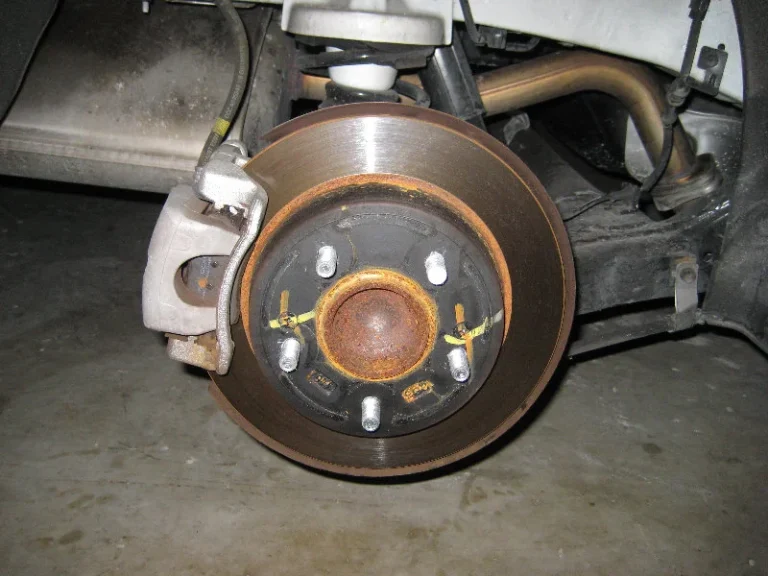
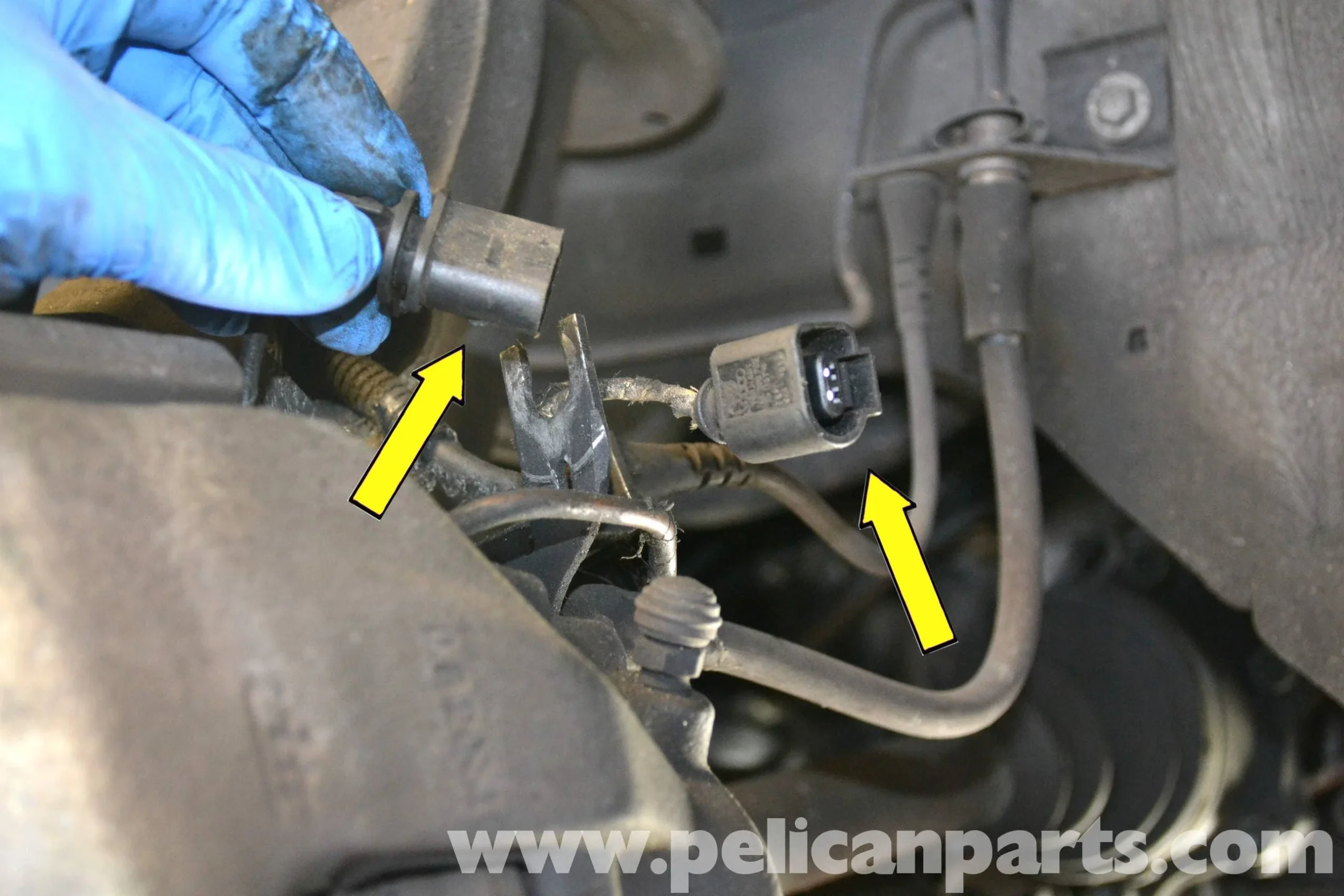
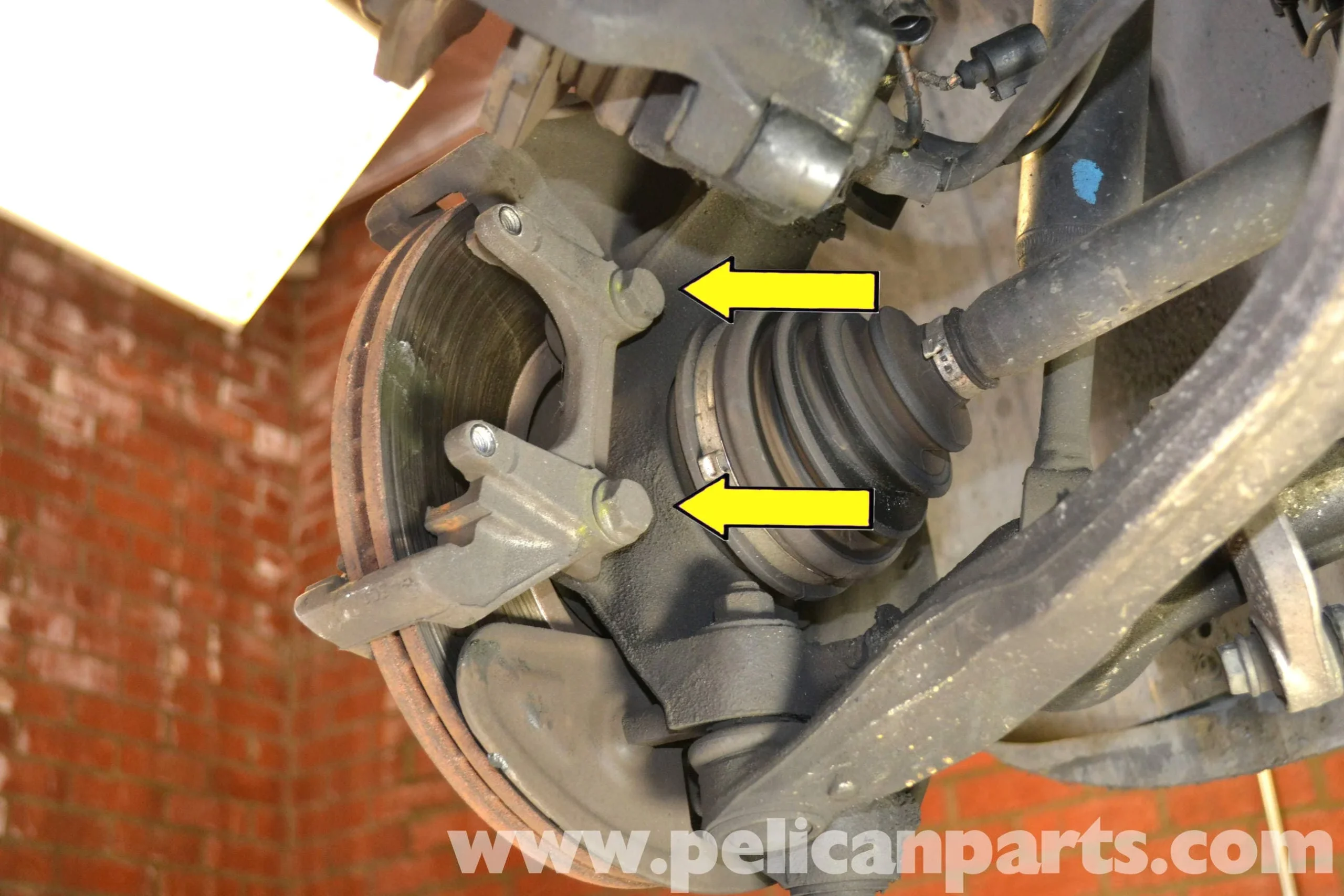
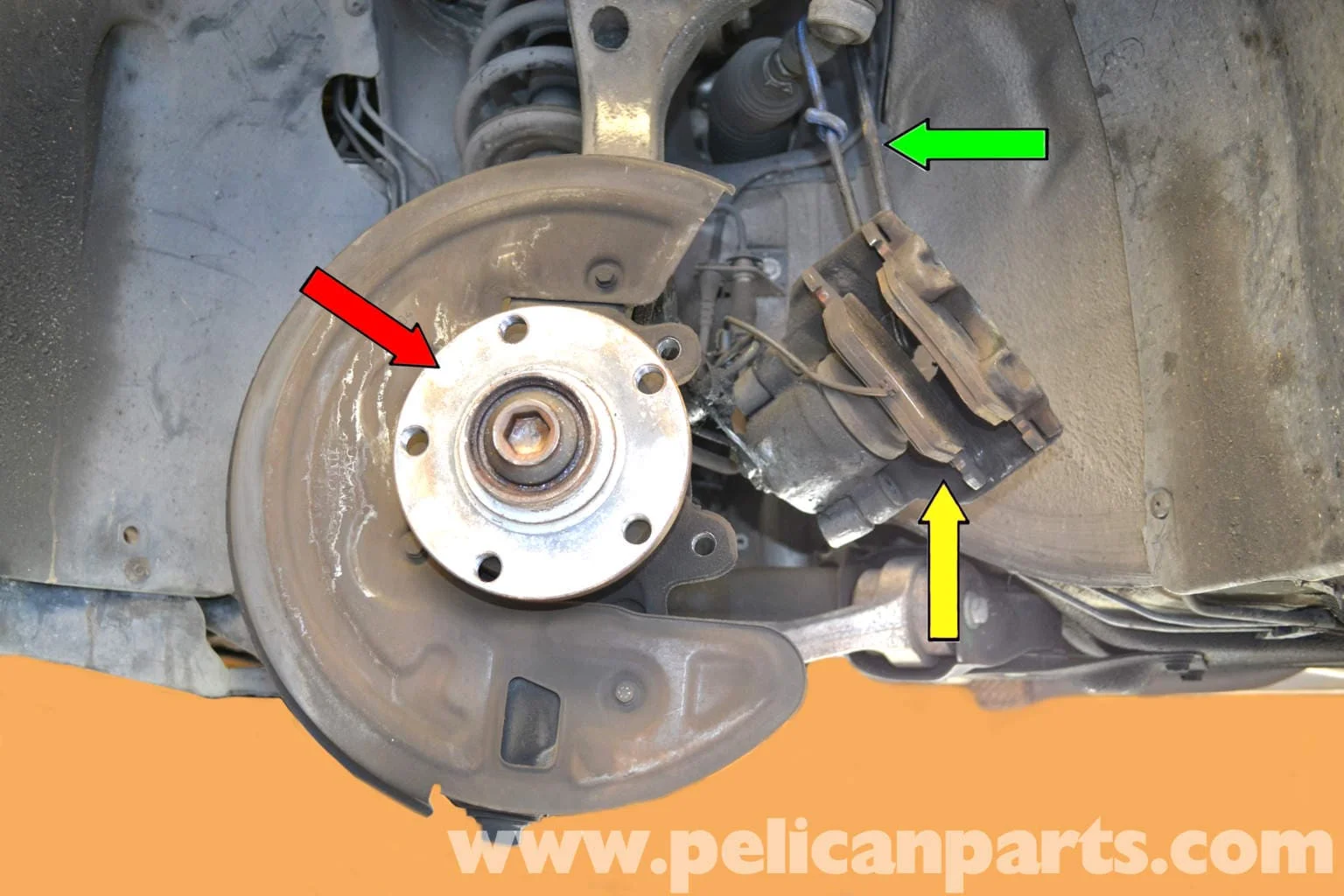
When you talk about your Passat’s brakes, you’re primarily looking at two main components: the pads and the rotors. These parts work together to slow your vehicle down. Their quality and type significantly impact the overall cost of a brake job.
The Core Components: Pads and Rotors Explained
-
Brake Pads: These are friction materials. They press against the rotors. This action creates the friction needed to stop your car. Passat brake pads typically come in two main types:
- Semi-metallic pads are common. They offer good stopping power. They are durable and often more affordable.
- Ceramic pads are quieter. They produce less dust. They last longer and perform well in various conditions. They usually cost a bit more than semi-metallic options.
-
Brake Rotors: Sometimes called discs, these are the metal plates that the pads clamp onto. They dissipate heat. Rotors must be smooth and strong.
- Most Passats come with standard plain rotors.
- You can also find slotted or drilled rotors. These offer improved cooling and wet performance. They come at a higher price point.
Key Factors Influencing Your Bill
Several elements contribute to the final price tag for your Passat’s brake service:
- Labor Costs: This is a big part of the expense. Shop rates vary widely by region and type of shop (dealership vs. independent mechanic). Expect labor to be roughly 30-50% of your total bill.
- Vehicle Model Year and Trim: Newer Passats or those with performance packages might use larger or more specialized brake components. These can be more expensive.
- Driving Habits: Aggressive driving, frequent city stops, or towing can wear out brakes faster. This means more frequent replacements.
- Geographic Location: Parts availability and labor rates differ across states and cities. Prices in major metropolitan areas are often higher.
OEM vs. Aftermarket: Passat Brake Part Options & Price Comparison
When you need new brake pads and rotors for your VW Passat, you essentially have two paths: original equipment manufacturer (OEM) parts or aftermarket parts. Each has its pros and cons, especially concerning cost and performance.
Original Equipment Manufacturer (OEM) Parts
OEM parts are made by the same companies that originally supplied VW for your Passat. They are often branded with the Volkswagen logo. Think of them as factory-direct replacements. When you choose OEM, you are getting parts identical to those installed when your car was new.
-
Pros:
- Perfect Fit: You are guaranteed a precise fit and optimal compatibility with your Passat’s braking system.
- Quality Assurance: OEM parts meet Volkswagen’s strict quality and safety standards. This offers peace of mind.
- Consistent Performance: They are designed to provide the exact braking feel and performance as when your car was new.
-
Cons:
- Higher Cost: OEM parts are typically the most expensive option. This is due to brand recognition and guaranteed quality.
For a full set of OEM front brake pads and rotors for a VW Passat, you might expect to pay anywhere from $300 to $600 just for the parts, depending on your specific model and year. Rear sets can be slightly less, usually $250 to $500.
Aftermarket Alternatives: Quality and Value
Aftermarket brake parts are manufactured by companies other than the original equipment supplier. These companies specialize in producing parts for many car brands, including VW. The aftermarket world is vast, offering a wide range of quality and price points.
-
Pros:
- Lower Cost: Aftermarket parts are generally more affordable than OEM options. You can often save 20-50% on parts.
- Wider Selection: You have more choices. You can pick pads for specific needs, like low dust, quiet operation, or enhanced performance.
- Innovation: Some aftermarket brands develop parts with improved designs or materials beyond OEM specifications.
-
Cons:
- Varying Quality: Not all aftermarket parts are created equal. You need to research reputable brands.
- Potential Fitment Issues: While rare with major brands, minor discrepancies can sometimes occur with lesser-known manufacturers.
Popular and trusted aftermarket brands for VW Passat brakes include Bosch, Akebono, StopTech, and Brembo. For front aftermarket pads and rotors, you could expect parts to range from $150 to $450. Rear sets might be $120 to $380. Always choose a reputable brand to ensure safety and performance.
<h2>DIY vs. Professional Installation: Labor Costs & Savings</h2>

<p>Once you understand parts costs, the next major factor is installation. This choice significantly impacts your total expense, weighing convenience and expertise against your budget.</p>
<h3>Understanding Professional Labor Costs</h3>
<p>Hiring a professional means paying for their time and skill. Labor rates for brake service generally range from <strong>$100 to $150+ per hour</strong>, varying by location and shop type. A complete brake job (pads and rotors) for one axle can take <em>1.5 to 2.5 hours</em>. This translates to roughly <strong>$150 to $375 in labor per axle</strong>. For instance, a full front and rear brake job at an independent shop charging $120/hour could add <strong>$400-$600</strong> to your bill just for labor. Dealerships often have higher rates.</p>
<h3>The DIY Route: Savings and Considerations</h3>
<p>If you're comfortable with car mechanics and have the necessary tools (jack stands, torque wrench, caliper compressor), replacing your Passat's brakes yourself can lead to substantial savings, <em>eliminating all labor costs</em>. You'd only pay for parts. Many VW Passat owners find this a manageable DIY project with numerous online guides available.</p>
<p>However, consider the time investment (perhaps 3-5 hours per axle for a beginner), the safety implications of incorrect installation, and the initial cost of tools if you don't already own them. <strong>Safety is paramount</strong>; if uncertain, professional installation is always the wisest choice.</p>
<h2>Tips to Save Money on Your VW Passat Brake Replacement</h2>
<p>Brake replacement is an essential maintenance item, but smart choices can significantly reduce the cost without compromising safety or quality. Here are practical tips to save money.</p>
<h3>Smart Parts Purchasing Strategies</h3>
<ol>
<li><strong>Shop Online & Compare:</strong> Websites like RockAuto, PartsGeek, and Amazon often offer competitive prices for quality aftermarket brake pads and rotors. Compare prices across several sites for your specific Passat model. <em>Always double-check fitment.</em></li>
<li><strong>Look for Sales & Bundles:</strong> Many retailers offer promotions or bundled kits (pads and rotors together) which can be more cost-effective than buying components separately. Keep an eye out for holiday or seasonal sales.</li>
<li><strong>Consider Reputable Aftermarket Brands:</strong> Brands like Akebono, Bosch, Brembo, or Zimmerman often provide performance equivalent to or better than OEM parts at a lower price point. Research reviews to ensure quality.</li>
</ol>
<h3>Proactive Maintenance and Timely Replacement</h3>
<ol start="4">
<li><strong>Don't Delay Replacement:</strong> Ignoring early signs of wear (like squealing) can lead to more severe damage, turning a simple pad job into an expensive pad-and-rotor replacement, or even caliper issues.</li>
<li><strong>Regular Brake Inspections:</strong> Have your brakes checked during routine services like tire rotations or oil changes. Early detection of wear allows you to budget and plan, avoiding emergency repairs.</li>
<li><strong>Practice Smooth Driving:</strong> Aggressive braking and stop-and-go traffic accelerate wear. Driving smoothly and anticipating stops can significantly extend the life of your brake components, saving you money in the long run.</li>
</ol>
<h2>Conclusion</h2>
<p>Replacing brake pads and rotors on your VW Passat is a significant, yet crucial, maintenance task. As we've seen, the total cost can vary widely, primarily influenced by your choice of parts (OEM vs. aftermarket) and whether you opt for DIY installation or professional service.</p>
<p>Remember to always prioritize safety. Don't compromise on quality components, especially for brakes. Get multiple quotes, compare parts prices online, and assess your own mechanical skills honestly before tackling the job yourself. By making informed decisions and staying proactive with maintenance, you can manage your VW Passat brake costs effectively.</p>
<p>Drive safely and confidently, knowing your Passat's brakes are in top condition!</p>
💬 Quick Questions & Answers
What’s the average cost to replace VW Passat brake pads and rotors?
Expect to pay $400 to $900 per axle, covering both parts and labor.
Can I just replace the brake pads on my Passat?
While possible, it’s highly recommended to replace rotors too for safety and optimal braking.
Are OEM Passat brake parts worth the extra cost?
OEM parts offer guaranteed fit and quality, but aftermarket options can provide good value.
How long do VW Passat brake pads and rotors typically last?
On average, 30,000 to 70,000 miles, depending on driving habits and conditions.
What’s the approximate labor cost for a Passat brake job?
Labor typically ranges from $100 to $250 per axle, varying by shop and region.
❓ Frequently Asked Questions
What factors primarily influence the total cost of VW Passat brake pad and rotor replacement?
The total cost is primarily influenced by whether you choose OEM or aftermarket parts, the shop’s labor rates, and your geographic location. High-performance or ceramic brake kits will also increase the overall expenditure.
How much can I expect to save by performing a DIY brake job on my VW Passat?
You can typically save the entire labor cost, which ranges from $100 to $250 per axle, by doing it yourself. This saving is significant but requires the right tools, some mechanical experience, and a commitment to safety procedures.
What’s the difference in quality and price between OEM and aftermarket brake components for a VW Passat?
OEM (Original Equipment Manufacturer) parts guarantee a perfect fit and match the original factory specifications, often costing more. Aftermarket parts offer a wider range of price points and performance levels, sometimes exceeding OEM quality or providing better value, but fitment should always be verified.
Should I always replace both brake pads and rotors simultaneously on my VW Passat?
Yes, it is strongly recommended to replace both pads and rotors at the same time for optimal braking performance, longevity, and safety. New pads require a fresh, flat rotor surface to bed in properly, preventing premature wear and potential noise issues.
Are there specific signs that indicate my VW Passat needs new brake pads and rotors?
Common signs include squealing or grinding noises when braking, a vibrating or pulsating brake pedal, a spongy feeling in the pedal, or increased stopping distances. Visually inspecting the pads and rotors for excessive wear or scoring is also important.
What are some tips for finding a reputable mechanic for my VW Passat brake repair?
Look for mechanics with good online reviews, ask for referrals, and ensure they specialize in or have experience with European vehicles like VW. Always get multiple quotes and ask for a detailed breakdown of parts and labor before committing to any repair.