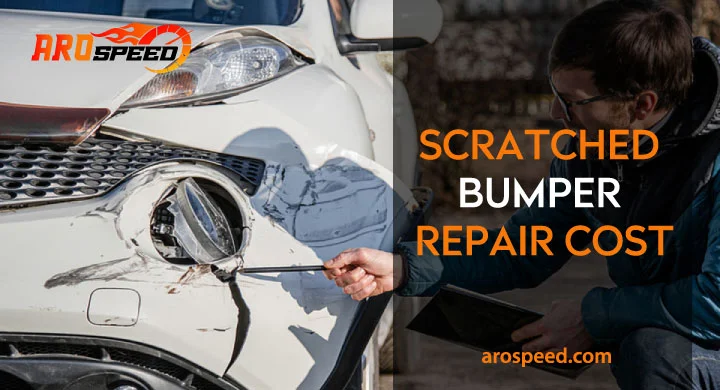
Ford Edge Rear Bumper Replacement Cost: Your Full Guide
📋 Table of Contents
Ford Edge rear bumper replacement costs typically range from $800 to $2,500, varying significantly based on damage extent, parts (OEM vs. aftermarket), and labor rates. Understanding these factors can help you budget accurately and choose the best repair option for your vehicle.
🎯 Key Takeaways
- Budget $800-$2,500 for Ford Edge rear bumper replacement.
- OEM parts and complex paint matching increase replacement costs.
- Always get 2-3 quotes from certified repair shops.
- Consider DIY partial repairs to potentially save money.
- Check insurance collision coverage for potential reimbursement.
Did you know a seemingly minor rear-end collision can sometimes lead to surprisingly high repair bills? You might think it’s just a dent, but modern vehicles, like your Ford Edge, pack a lot of technology into their bumpers. When that bumper takes a hit, it’s not always a simple fix. Understanding the potential costs upfront can save you a lot of stress and help you make smart decisions about your vehicle’s repair.
Your Ford Edge is a reliable SUV, and keeping it in top condition is important for your safety and resale value. Bumper damage is a common occurrence, unfortunately. Whether it’s a small scrape or a more significant crack, knowing what to expect for a rear bumper replacement is crucial. This guide will break down the costs involved, explain what influences those figures, and give you the knowledge you need to navigate the repair process with confidence.
Average Ford Edge Rear Bumper Replacement Costs
When your Ford Edge’s rear bumper needs replacing, you’re looking at a range of costs. This isn’t a one-size-fits-all scenario. The total bill typically includes the bumper cover itself, any necessary internal components, paint, and labor. You should budget anywhere from $800 to $2,500+ for a full rear bumper replacement on a Ford Edge. This range accounts for various factors we’ll explore.
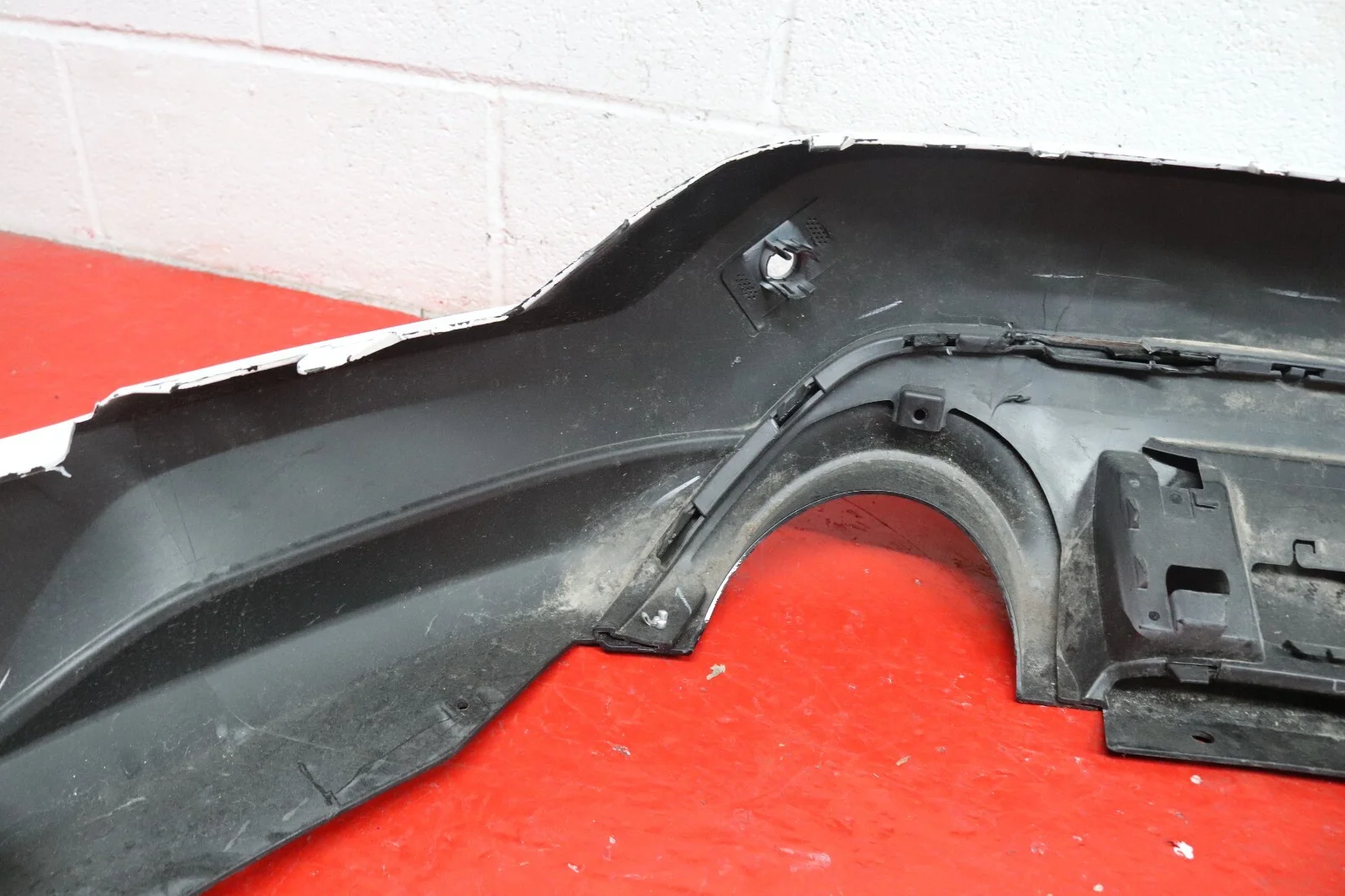
What to Expect: Parts, Labor, and Paint
The biggest chunk of your cost will usually be split between parts and labor. The bumper cover itself is a significant part of this. Original Equipment Manufacturer (OEM) parts, which come directly from Ford, are generally the most expensive but guarantee a perfect fit and quality. Aftermarket parts can be cheaper, sometimes saving you a few hundred dollars. However, their fit and finish might not always be perfect. Labor costs vary widely based on your location and the specific repair shop. High-end body shops in urban areas will likely charge more per hour than smaller, independent garages in rural areas. Painting the new bumper is also a specialized task. It requires expert color matching and several coats to blend seamlessly with your existing paintwork. This painting process alone can add several hundred dollars to the total.
Cost Breakdown by Damage Severity
The extent of the damage plays a huge role in your total cost. A minor scrape that only affects the paint might be repairable for a few hundred dollars. This often involves sanding, filling, and repainting. However, if the plastic bumper cover is cracked, dented beyond repair, or has broken mounting tabs, replacement is almost always the only option. Here’s a general breakdown:
- Minor Damage (Scuffs/Scratches): Often repairable, not replaceable. Cost: $200 – $600.
- Moderate Damage (Cracks/Deep Dents): Likely requires a new bumper cover. Cost: $800 – $1,500. This might involve just the bumper cover, paint, and labor.
- Severe Damage (Impact to internal components, multiple cracks): Bumper replacement, plus potential sensor recalibration or replacement. Cost: $1,500 – $2,500+. This can include damage to parking sensors, blind-spot monitoring systems, or the bumper beam itself. These advanced components significantly increase the repair bill.
Always get at least two estimates. Compare the parts included, labor hours, and warranty offered.
Factors Affecting Your Ford Edge Bumper Repair Bill
Your final bill for a Ford Edge rear bumper replacement isn’t just about the bumper cover itself. Many different variables can cause the price to swing up or down significantly. Understanding these factors will help you budget more accurately and avoid unexpected surprises.
Parts Quality and Labor Rates
The type of replacement parts you choose will directly impact your wallet. You generally have three main options:
- OEM (Original Equipment Manufacturer) Parts: These are identical to the parts your Ford Edge had from the factory. They offer perfect fit, finish, and durability. However, they are also the most expensive. Expect to pay a premium for OEM quality.
- Aftermarket Parts: These parts are made by third-party manufacturers. They are often more affordable than OEM parts. While many aftermarket parts are high quality, some may have slight differences in fit or material. Always ask your shop about the specific brand they use.
- Used or Recycled Parts: Sometimes, you can find a suitable used bumper cover from a salvage yard. This can be the cheapest option, but availability varies greatly. You also need to inspect the part carefully for hidden damage or imperfections. It will still need painting to match your vehicle.
Beyond parts, labor rates are a major factor. These vary widely based on geographical location, the shop’s reputation, and their certifications. A dealership or a specialized collision center will likely have higher hourly rates than a smaller, independent body shop. Always ask for an itemized quote that breaks down parts and labor hours.
Technology Features and Hidden Damage
Modern Ford Edge models are equipped with sophisticated technology packed right into the bumper. These features can significantly escalate repair costs:
- Parking Sensors: Many Edge models have ultrasonic sensors embedded in the rear bumper. If these are damaged, they need replacement and often recalibration, which adds to the labor cost.
- Blind-Spot Monitoring (BLIS) and Cross-Traffic Alert: These systems often have radar units located behind the bumper cover. Even a minor impact can damage these delicate and expensive components. They require precise recalibration by specialized equipment.
- Rearview Camera: The camera itself might be mounted in the tailgate, but wiring and sensors connected to the bumper could be affected.
Beyond visible damage, there’s the risk of hidden damage. A seemingly minor bumper impact can sometimes damage the underlying bumper beam, frame rails, or even exhaust components. A good body shop will always remove the bumper cover and thoroughly inspect for these hidden issues. Discovering structural damage after the initial estimate means a higher final bill. This is why thorough inspections are crucial from the start.
OEM vs. Aftermarket Parts: Smart Choices to Save
When facing a rear bumper replacement, one of the biggest decisions you’ll make that impacts cost is the choice between Original Equipment Manufacturer (OEM) and aftermarket parts. Understanding the difference can save you a significant amount.
Understanding Your Bumper Part Options
- OEM (Original Equipment Manufacturer) Parts: These are identical to the parts your Ford Edge was built with from the factory. They offer a perfect fit, guaranteed quality, and often come with a manufacturer’s warranty. The downside? They are typically the most expensive option. For a Ford Edge rear bumper cover, an OEM part could range from $350 to $700, depending on the specific model year and trim level, before paint and installation.
- Aftermarket Parts: Produced by third-party manufacturers, aftermarket bumper covers are designed to fit your Ford Edge but are not made by Ford. They are generally much more affordable, often costing $150 to $450. While quality can vary, many reputable aftermarket brands produce excellent parts that meet safety standards. The main potential drawbacks are slight differences in fit, finish, or material quality, which a skilled body shop can usually address during installation and painting.
- Certified Used Parts: Sometimes, you can find OEM parts from salvage yards or parts recyclers. These are often cheaper than new OEM parts and maintain the original quality. However, they might have minor imperfections or require more prep work. This is a great option for internal components like bumper absorbers or mounting brackets if the exterior cover is the primary issue.
Strategies to Reduce Repair Expenses
Beyond choosing between OEM and aftermarket, there are smart moves you can make to keep your overall cost down:
- Shop for Parts Yourself: Don’t just accept the body shop’s part quote. Call around to local dealerships, independent parts stores, and check online retailers (like RockAuto, PartsGeek, or even Amazon for specific parts). Sometimes, you can find the exact part at a lower price and bring it to the shop.
- Get Multiple Quotes: This cannot be stressed enough. Labor rates can vary significantly between shops. A quote from one shop for paint and labor might be hundreds of dollars less than another. Aim for at least three detailed estimates.
- Consider Your Insurance Deductible: If the repair cost is only slightly above your deductible, weigh the pros and cons of filing a claim. A small claim might lead to higher premiums in the long run. If your deductible is $500 and the repair is $700, paying out-of-pocket might be the more economical choice.
Finding a Reputable Shop and What to Ask
The quality of your repair hinges on the expertise of the body shop. Choosing the right place isn’t just about cost; it’s about getting a safe, durable, and aesthetically pleasing repair for your Ford Edge.
Qualities of a Great Body Shop
Look for these indicators to ensure you’re entrusting your vehicle to capable hands:
- Certifications: Shops with certifications like I-CAR Gold Class or specific manufacturer certifications (e.g., Ford-certified collision repair) demonstrate a commitment to ongoing training and industry best practices.
- Positive Reviews and Reputation: Check online reviews on Google, Yelp, and social media. Look for consistent praise regarding quality of work, customer service, and timely repairs.
- Transparency: A good shop will provide clear, itemized quotes that break down parts, labor, paint, and any miscellaneous fees. They should be willing to explain each line item.
- Warranty on Work: Reputable shops stand by their work. Ask about their warranty on labor and paint matching, which typically ranges from one year to a lifetime.
- Cleanliness and Professionalism: A tidy shop environment and professional staff are often indicators of attention to detail and organized operations.
Key Questions Before You Commit
Once you’ve narrowed down your choices, prepare a list of questions to ask each potential repair facility:
- “Can I get a detailed, itemized quote that clearly separates parts, labor, and paint?” This helps you compare apples-to-apples between shops and understand where your money is going.
- “What type of bumper cover will you be using (OEM, aftermarket, or certified used) and what is the brand if it’s aftermarket?” Knowing this helps you assess the quality and fit, and potentially find the part yourself for less.
- “What is your warranty on the repair work, including the paint match?” Ensure they guarantee their craftsmanship and the durability of the paint finish against fading or peeling.
- “How long will the repair take, and do you offer rental car assistance or have loaner vehicles?” Understanding the timeline helps you plan and minimizes inconvenience.
- “Do you have experience repairing Ford Edge models, and specifically with paint matching for my vehicle’s color?” Experience with your specific make and model can lead to a smoother, more accurate repair. Paint matching, especially for metallic or pearl colors, requires expertise.
Driving Away Confident
Replacing the rear bumper on your Ford Edge doesn’t have to be a daunting or overly expensive ordeal. By understanding the factors that influence cost – from the extent of damage and type of parts to labor rates and paint matching – you empower yourself to make informed decisions. Remember, the average cost typically falls between $700 and $1,500 for a full replacement, but this can fluctuate.
Your actionable next steps are clear: get multiple detailed quotes and discuss your part options (OEM vs. aftermarket) with each shop. Don’t hesitate to ask questions and trust your instincts about the professionalism of the repair facility. With a little research and careful consideration, your Ford Edge will be back on the road looking as good as new, without breaking the bank. Drive safely!
💬 Quick Questions & Answers
What’s the average cost to replace a Ford Edge rear bumper?
The average cost typically ranges from $800 to $2,500, depending on parts, labor, and paint complexity.
Is it cheaper to repair or replace a Ford Edge rear bumper?
Minor scuffs or dents can be repaired cheaper, but significant damage usually warrants a full replacement.
Does insurance cover rear bumper replacement?
Yes, collision coverage usually covers bumper replacement costs, minus your deductible.
How long does Ford Edge rear bumper replacement take?
The replacement process typically takes 1-3 days, including paint matching and drying time.
Are aftermarket bumpers as good as OEM for the Ford Edge?
Aftermarket bumpers can be cheaper but may vary in fit, finish, and material quality compared to OEM.
❓ Frequently Asked Questions
What specific factors drive the cost of a Ford Edge rear bumper replacement?
Key factors include the extent of damage (e.g., sensor damage), choice between OEM or aftermarket parts, paint matching complexity (metallic or pearl coats cost more), and local labor rates which vary significantly by region. Additional costs may arise if internal components like sensors or brackets also need replacement.
Should I choose OEM, aftermarket, or used parts for my Ford Edge rear bumper?
OEM parts guarantee a perfect fit and match original factory quality, but are the most expensive. Aftermarket parts are more affordable but quality can vary. Used parts from salvage yards offer cost savings but may have hidden damage or require more prep work.
How does paint matching impact the overall replacement cost for a Ford Edge bumper?
Paint matching is crucial for a seamless repair and is a significant cost component. Specialized metallic, pearl, or tri-coat paints on Ford Edge models require advanced techniques and more expensive materials to match perfectly, increasing labor and material costs compared to solid colors.
What kind of labor costs can I expect for a Ford Edge rear bumper replacement?
Labor costs typically range from $75 to $150 per hour, varying by location and shop expertise. A standard bumper replacement might involve 4-8 hours of labor, including removal, installation, painting, and any sensor calibration, adding a substantial amount to the total bill.
What should I look for in a repair shop when getting quotes for my Ford Edge?
When seeking quotes, look for shops with certified technicians, good reviews, and specific experience with Ford models. Ensure they provide a detailed estimate outlining parts, labor, paint, and any warranty offered on their work. Transparency about OEM vs. aftermarket options is also key.
Are there any hidden costs to consider when replacing a Ford Edge rear bumper?
Potential hidden costs can include recalibration of parking sensors or blind-spot monitoring systems embedded in the bumper, replacement of damaged internal foam absorbers, or unexpected rust treatment if bolts are seized. Always ask for a comprehensive estimate that covers all potential additional work.