Infiniti G35 Catalytic Converter Replacement Cost: A Full Guide
📋 Table of Contents
- 🎯 Key Takeaways
- Understanding Infiniti G35 Catalytic Converter Costs
- Factors Influencing Replacement Price: Parts and Labor
- DIY vs. Professional Installation: Weighing Your Options
- Symptoms of a Failing Cat and How to Prevent Future Issues
- Conclusion
- 💬 Quick Questions & Answers
- ❓ Frequently Asked Questions
The average cost to replace an Infiniti G35 catalytic converter ranges from $1,000 to $3,000 per converter, depending on part type and labor. This guide explores factors like OEM vs. aftermarket parts and labor rates to help you budget accurately for this essential repair.
🎯 Key Takeaways
- Budget $1000-$3000 per G35 catalytic converter replacement.
- Aftermarket converters offer a more affordable option.
- DIY replacement can save significantly on labor costs.
- Get multiple quotes for the best repair price.
- Address P0420/P0430 codes promptly to avoid issues.
Did your Infiniti G35 just flash that dreaded “Check Engine” light? If so, you might be facing a costly repair: a catalytic converter replacement. This crucial component keeps your car running clean and passes emissions tests. However, these little wonders are often targets for theft, and they simply wear out over time.
Understanding the potential costs involved can save you stress and money. You want your G35 to perform at its best without breaking the bank. This guide will help you navigate the complexities of catalytic converter replacement, giving you a clear picture of what to expect for your beloved Infiniti.
Understanding Infiniti G35 Catalytic Converter Costs
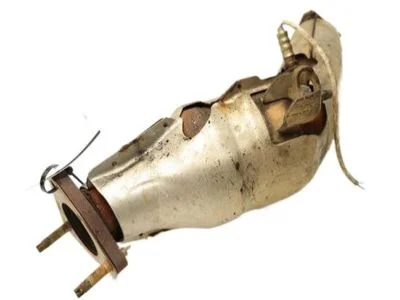
When your Infiniti G35 needs a new catalytic converter, the first thing you’ll likely wonder is, “How much will this cost me?” The price tag can vary quite a bit. Generally, you can expect to pay anywhere from $800 to $2,500 per converter. Remember, your G35 has two main catalytic converters, one for each bank of cylinders. Some models also have two smaller “pre-cats” integrated into the exhaust manifolds. This means you might need one, two, or even four replacements, significantly impacting the total.
The Big Picture: What Drives the Price?
Several factors play into the final cost. The primary drivers are the parts themselves. Original Equipment Manufacturer (OEM) catalytic converters are generally the most expensive option. They are designed specifically for your G35. Aftermarket converters offer a more budget-friendly alternative. However, their quality and longevity can differ greatly. It’s important to choose reputable brands. Always ensure any replacement meets local emissions standards.
OEM vs. Aftermarket: Your Choices
- OEM Converters: These are identical to the parts your G35 came with from the factory. They offer guaranteed fitment and performance. Expect to pay premium prices, often between $500 and $1,200 per unit for just the part. Their robust construction and specific precious metal content contribute to this higher cost.
- Aftermarket Converters: These are manufactured by third-party companies. They aim to replicate the function of OEM parts at a lower price point. You might find aftermarket units ranging from $200 to $600 per unit. Be cautious here; some cheaper options may not last as long. They might also struggle to meet strict emissions requirements in certain states like California. Always ask about the warranty and emissions compliance before purchasing. A good aftermarket converter can be a smart choice if you’re on a tighter budget. Just make your research thorough.
Factors Influencing Replacement Price: Parts and Labor
Beyond just the type of converter, many other elements influence your total bill. The parts cost is a significant portion, but labor can add up quickly too. Understanding these factors helps you budget accurately and make informed decisions. Don’t forget, the location of the repair shop can also play a role.
Breaking Down Parts Cost Variations
The specific type of catalytic converter needed for your Infiniti G35 is crucial. Is it the front “pre-cat” near the engine, or the main catalytic converter further down the exhaust? The G35 often uses a “Y-pipe” design with integrated converters for the main ones. Replacing the entire Y-pipe can be more expensive than just a single bolt-on unit.
Here’s what affects parts pricing:
- Precious Metals: Catalytic converters contain platinum, palladium, and rhodium. Global market prices for these metals fluctuate constantly. This directly impacts the cost of new converters.
- Emissions Standards: States with stricter emissions regulations (like California) require specific types of converters. These “CARB compliant” converters often cost more due to their advanced design.
- Converter Design: Some G35 models have simpler bolt-on designs. Others have converters welded into larger exhaust sections. The complexity of the part itself can drive up material costs.
The Labor Equation: Why Mechanics Charge What They Do
Labor costs are the other major component of your bill. Replacing a catalytic converter on an Infiniti G35 isn’t always a simple job. The amount of time it takes, combined with the shop’s hourly rate, determines this portion.
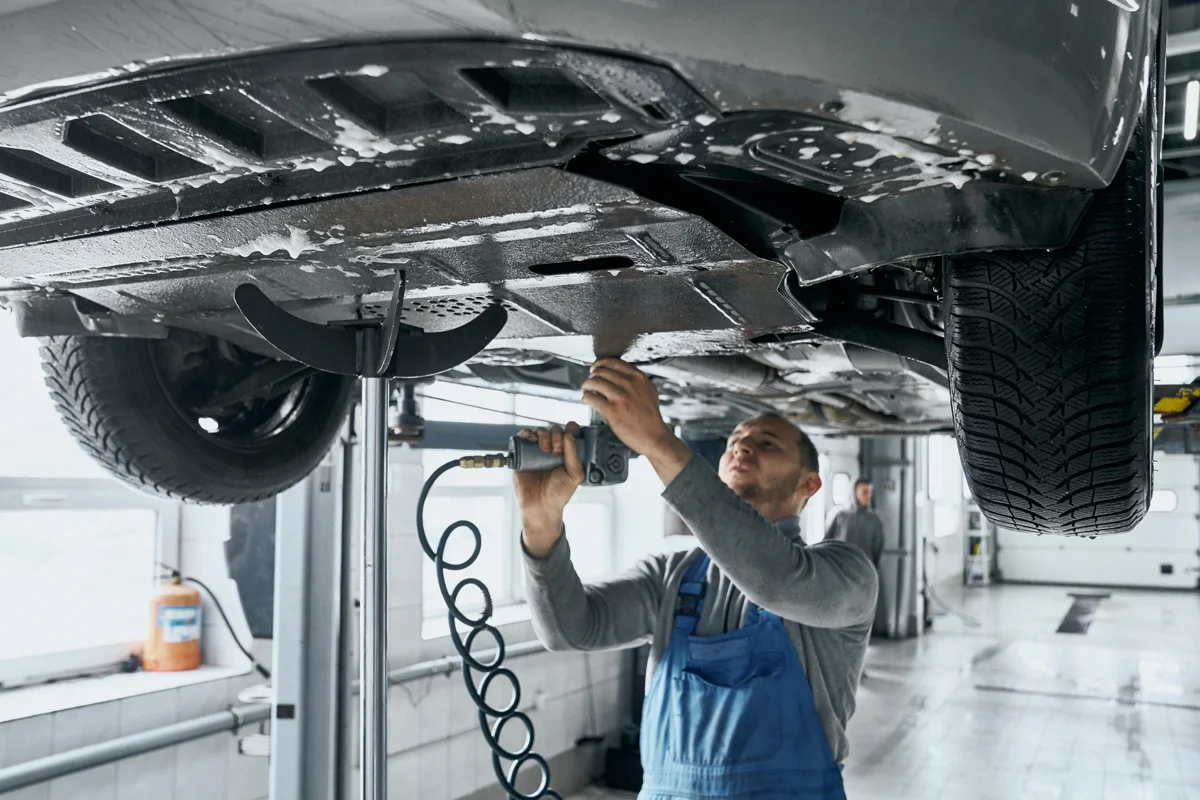
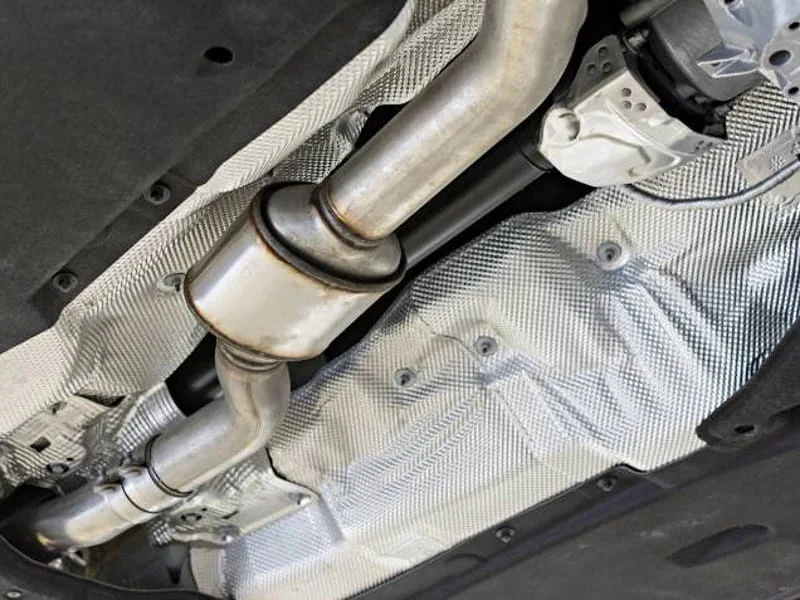
- Accessibility: Catalytic converters can be challenging to access. They are often tucked away underneath the vehicle. Sometimes, other exhaust components or heat shields need removal. This adds to the labor time.
- Shop Location and Rates: Labor rates vary significantly by region. A shop in a major metropolitan area will likely charge more per hour. Independent mechanics often have lower hourly rates than dealership service centers. Always get quotes.
- Additional Repairs: Sometimes, other exhaust components are rusty or damaged. This could require replacing gaskets, bolts, or oxygen sensors. These extras can add unexpected costs.
- Tools and Expertise: Proper installation requires specific tools and technical expertise. Mechanics need to ensure a secure, leak-free fit and clear any diagnostic trouble codes (DTCs).
Typically, you can expect 1 to 3 hours of labor for a single converter replacement. This time can increase if multiple units are involved, or if rust is an issue.
DIY vs. Professional Installation: Weighing Your Options
Once you understand the costs involved, the next big decision is whether to tackle the replacement yourself or leave it to the pros. Both approaches have their merits, largely depending on your mechanical skill level, available tools, and how much time you have.
The DIY Approach: For the Mechanically Inclined
If you’re an experienced DIYer and have the right tools, replacing your Infiniti G35’s catalytic converter can save you a significant amount on labor costs. This could shave anywhere from $200 to $500 off the total bill.
However, it’s not a job for the faint of heart. Here’s what you’ll need to consider:
- Tools & Equipment: You’ll need jack stands, a good socket set (likely including oxygen sensor sockets), penetrating oil for stubborn bolts, and potentially a cutting tool if the old converter is welded. Safety glasses and gloves are non-negotiable.
- Time Commitment: Expect this to be an all-day affair, especially if you encounter rusted or seized bolts. It’s rarely a quick swap.
- Technical Skill: Properly disconnecting and reconnecting exhaust components, dealing with fragile oxygen sensors, and ensuring a leak-free seal requires patience and mechanical aptitude.
While the savings are attractive, weigh them against the potential frustrations and the risk of damaging other components if you’re not fully confident.
Professional Installation: Peace of Mind
For most G35 owners, opting for professional installation is the safer, more convenient choice. A certified mechanic brings expertise, specialized tools, and often a warranty on both parts and labor.
Here’s why many choose this route:
- Expertise & Efficiency: Professionals can diagnose the issue accurately and perform the replacement efficiently, often within a few hours, thanks to their experience and power tools.
- Warranty: Most reputable shops offer a warranty on their work (e.g., 12 months/12,000 miles), giving you peace of mind should any issues arise post-replacement.
- Proper Disposal: Catalytic converters contain hazardous materials. A professional shop will handle the environmentally responsible disposal of your old unit.
- No Hassle: You avoid the dirty work, the seized bolts, and the potential for a day under your car.
While paying for labor increases the overall cost, the reliability and safety offered by a professional can be invaluable, especially for a crucial emissions component.
Symptoms of a Failing Cat and How to Prevent Future Issues
Understanding the signs of a failing catalytic converter can help you address the problem early, potentially preventing more costly damage or a breakdown. Furthermore, a few simple maintenance habits can significantly extend your new converter’s life.
Recognizing the Warning Signs
Your Infiniti G35 often provides clear indicators when its catalytic converter is on the fritz. Don’t ignore these signals:
- Check Engine Light (CEL): This is the most common symptom. Diagnostic codes like P0420 (Catalyst System Efficiency Below Threshold) or P0430 often point directly to a failing converter.
- Reduced Engine Performance: A clogged cat restricts exhaust flow, leading to noticeable sluggishness, poor acceleration, and decreased fuel efficiency. It feels like your engine is “choked.”
- Foul Odor: A strong smell of sulfur or rotten eggs from your exhaust is a classic sign. This happens when the converter can no longer process hydrogen sulfide gas properly.
- Rattling Sounds: If the ceramic matrix inside the converter breaks apart, you might hear a rattling or clunking sound coming from under your car, especially when starting or accelerating.
- Failed Emissions Test: Many states require emissions testing. A failing cat will almost certainly cause your G35 to fail, as it can’t reduce harmful pollutants effectively.
If you notice any of these symptoms, it’s crucial to have your vehicle inspected promptly.
Preventive Measures for Longevity
While catalytic converters aren’t designed to last forever, their lifespan can be significantly impacted by how well your engine runs. Here’s how to protect your new investment:
- Regular Maintenance: Stick to your G35’s recommended maintenance schedule. This includes oil changes, spark plug replacements, and air filter checks. A well-tuned engine prevents unburnt fuel from reaching and overheating the cat.
- Address Misfires Immediately: If your engine misfires, raw, unburnt fuel enters the exhaust system. This fuel can ignite inside the catalytic converter, causing extreme temperatures that melt its internal structure. Get misfires fixed ASAP!
- Use Quality Fuel: While not as critical as addressing misfires, using good quality fuel and avoiding cheap, low-octane gasoline can contribute to overall engine health and, by extension, cat longevity.
- Avoid Short Trips: Catalytic converters need to reach operating temperature to work efficiently. Frequent short trips where the engine never fully warms up can contribute to carbon buildup and reduce their effectiveness over time.
By keeping your engine in top shape, you’re directly contributing to a longer, healthier life for your Infiniti G35’s catalytic converter.
Conclusion
Replacing the catalytic converter on your Infiniti G35 can be a significant expense, but understanding the factors involved empowers you to make an informed decision. Costs vary widely based on the part type (OEM, aftermarket, or universal) and whether you choose a DIY repair or professional installation. Recognizing symptoms like a
Don’t let a failing catalytic converter keep your G35 off the road. Gather quotes from reputable mechanics, compare part options, and consider your comfort level with DIY work. Taking proactive steps will ensure your Infiniti runs cleanly and efficiently for miles to come!
💬 Quick Questions & Answers
How much does an Infiniti G35 catalytic converter replacement cost?
Expect to pay between $1,000 to $3,000 per converter for parts and labor, depending on the type of part and your location.
Can I drive with a bad catalytic converter on my G35?
While possible, it’s not recommended as it can lead to reduced power, poor fuel economy, and potential damage to other engine components.
What are common symptoms of a failing G35 catalytic converter?
Common signs include a ‘Check Engine’ light, reduced engine performance, a sulfur smell, and rattling from under the vehicle.
Are aftermarket catalytic converters good for the G35?
Aftermarket converters are generally more affordable and can be a good option, but ensure they meet emissions standards for your region.
How long do Infiniti G35 catalytic converters typically last?
Catalytic converters are designed to last the life of the vehicle, typically 100,000 to 150,000 miles, but they can fail prematurely due to engine issues.
❓ Frequently Asked Questions
What is the average cost breakdown for an Infiniti G35 catalytic converter replacement?
The total cost typically breaks down into $500-$1,500 for each aftermarket part or $1,000-$2,500+ for OEM, plus $200-$600 in labor. Prices can vary widely based on your chosen shop and part quality.
What’s the difference in cost and quality between OEM and aftermarket catalytic converters for the G35?
OEM (Original Equipment Manufacturer) converters are more expensive but offer guaranteed fitment and performance. Aftermarket options are significantly cheaper but quality can vary; always choose a reputable brand that meets local emissions standards.
Can I replace the catalytic converter myself on my Infiniti G35 to save money? What tools do I need?
Yes, skilled DIYers can replace a G35 catalytic converter, saving significantly on labor costs. You’ll need basic hand tools, a jack and jack stands, an oxygen sensor wrench, and potentially a cutting tool if bolts are seized.
What are the signs that my Infiniti G35 catalytic converter is going bad, and how quickly should I address it?
Watch for a P0420 or P0430 ‘Check Engine’ code, reduced acceleration, poor fuel economy, a rotten egg smell, or rattling sounds. Address these issues promptly as a failing converter can damage your engine or cause you to fail emissions tests.
Will a new catalytic converter improve my G35’s performance or fuel economy?
While a new converter won’t necessarily ‘improve’ performance beyond factory specs, replacing a clogged or failing one will restore lost power and fuel economy, making the vehicle run as intended by clearing exhaust flow restrictions.
Are there any common issues that cause Infiniti G35 catalytic converters to fail prematurely?
Premature failure is often linked to underlying engine problems like misfires, excessive oil consumption, or coolant leaks, which contaminate the catalytic converter and prevent it from functioning correctly. Always diagnose and fix these root causes first.