2005 Chevy Silverado Fuel Line Replacement Cost: A Full Guide
📋 Table of Contents
- 🎯 Key Takeaways
- Understanding 2005 Chevy Silverado Fuel Line Replacement Costs
- Factors Influencing Fuel Line Replacement Pricing
- DIY vs. Professional Fuel Line Replacement: Pros and Cons
- Preventative Maintenance and What to Look For
- Conclusion
- 💬 Quick Questions & Answers
- ❓ Frequently Asked Questions
Replacing the fuel lines on a 2005 Chevy Silverado can cost between $400 and $1,000, varying based on parts, labor rates, and the extent of damage. DIY can save significantly on labor, but requires specific tools and mechanical aptitude.
🎯 Key Takeaways
- Get multiple quotes to compare replacement costs.
- Inspect fuel lines regularly to prevent major failures.
- DIY replacement saves labor but needs proper tools.
- Choose quality parts for long-term reliability.
- Corrosion often causes 2005 Silverado fuel line issues.
Have you noticed a gasoline smell near your 2005 content 2.webp“>content 2.webp“>Chevy Silverado, or seen a drip under your truck? These are signs of a failing fuel line, a problem no owner should ignore. Fuel lines are vital. They safely transport fuel from your tank to the engine. When they corrode or crack, it’s more than an inconvenience; it’s a serious safety hazard.
Addressing a compromised fuel line quickly is crucial for safety and longevity. Ignoring leaks can lead to poor engine performance or even fire. Understanding potential replacement costs for your 2005 Chevy Silverado empowers you. This guide helps you navigate the process, understand expenses, and make informed repair decisions.
Understanding 2005 Chevy Silverado Fuel Line Replacement Costs
Typical Cost Ranges for Parts and Labor
Replacing your Silverado’s fuel lines involves two primary costs: parts and labor. Parts, covering supply, return, and vent lines, typically range from $100 to $400. This depends on OEM versus aftermarket options. OEM parts guarantee exact fit and durability but are pricier. Aftermarket options save money, though quality and fit vary. Prioritize reliability for safety.

Labor is usually the larger expense, typically $80-$150 per hour. Fuel line replacement on a 2005 Silverado is complex and time-intensive. It requires lifting the vehicle, safely draining fuel, and careful routing of new lines. Expect labor to take 3 to 7 hours. Your labor bill could range from $240 to $1050. Combining parts and labor, a complete replacement generally falls within $340 to $1450.
What Does a Fuel Line Replacement Involve?
Replacing fuel lines on a 2005 Chevy Silverado is a detailed, safety-critical process. Your truck is elevated for undercarriage access. Mechanics depressurize the fuel system and often drain some fuel. Old, corroded lines are meticulously disconnected from the tank, filter, and engine. Stubborn, rusted fittings can be challenging, potentially increasing labor time.
New lines are carefully routed along the chassis, mimicking the original path to prevent interference. Special clips secure these lines, minimizing vibration. Connections are remade at the tank, filter, and engine, ensuring a leak-free seal. A new fuel filter is often installed concurrently. Finally, the system is re-pressurized, and a thorough leak inspection confirms your truck is road-ready.
Factors Influencing Fuel Line Replacement Pricing
The Choice Between OEM and Aftermarket Parts
You’ll choose between OEM and aftermarket parts. OEM (Original Equipment Manufacturer) parts are from GM or its direct suppliers. They are identical to originals, guaranteeing exact fit, superior quality, and often a warranty. This premium quality translates to a higher price for your Silverado, offering peace of mind and long-term reliability.
Aftermarket parts come from independent companies; Dorman is popular. These are generally more affordable. While some meet or exceed OEM specifications, quality varies widely. Research brands and read reviews for reliability. Balancing cost savings with part quality is key for your truck’s longevity and safety, avoiding future issues.
Labor Rates and Geographic Location
Labor costs fluctuate significantly based on geographic location and shop type. Dealerships typically have higher hourly rates than independent mechanics. This is due to specialized tools, factory training, and overhead. Independent shops often offer competitive pricing, especially those specializing in trucks, providing quality service at better value.
Your physical location also impacts costs. Rates in large metropolitan areas or high cost-of-living regions are steeper than in rural areas. Significant rust on your Silverado’s chassis or fittings can extend labor time. Mechanics might spend extra time cutting or extracting corroded components, increasing your overall bill. Obtain multiple quotes from local shops to compare pricing effectively.
DIY vs. Professional Fuel Line Replacement: Pros and Cons
Once you’ve diagnosed the issue, the next big decision is whether to tackle the fuel line replacement yourself or hire a professional. Each option has distinct advantages and disadvantages when it comes to time, cost, and peace of mind.
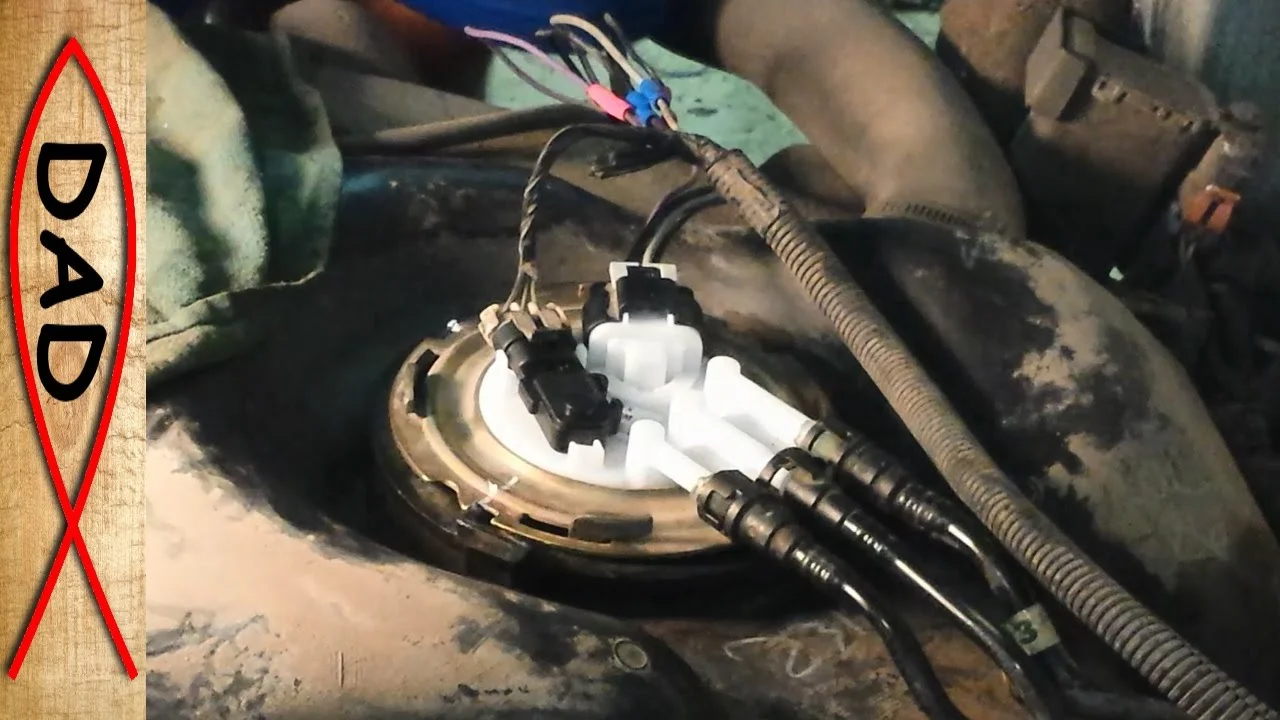
The DIY Approach: Saving Costs, Facing Challenges
Going the DIY route can significantly cut down on labor costs, potentially saving you hundreds of dollars. Many enthusiasts enjoy the challenge and satisfaction of repairing their own vehicle. However, it’s not a job for the faint of heart or the ill-prepared.
Considerations for DIY:
- Required Tools: You’ll need more than just basic wrenches. Fuel line disconnect tools, flare nut wrenches, a sturdy jack and jack stands, and safety gear are essential.
- Mechanical Skill: This job requires a good understanding of automotive systems, especially how to work with fuel lines and safely depressurize the fuel system.
- Time Commitment: Expect this to be an all-day project, especially if you encounter unexpected rusted bolts or routing challenges.
- Safety Risks: Working with gasoline is inherently dangerous. There’s a risk of fuel leaks, fire, and injury if the vehicle isn’t properly secured.
If you’re confident in your abilities and have the right tools, watching detailed video tutorials specific to the 2005 Silverado is highly recommended before you start.
Hiring a Professional: Peace of Mind, Higher Investment
For most Silverado owners, entrusting this repair to a certified mechanic is the preferred option. While it involves a higher upfront cost due to labor, it offers several key benefits:
- Expertise: Professionals have the experience and specialized tools to perform the job efficiently and correctly.
- Warranty: Most reputable shops offer a warranty on parts and labor, providing a safety net if issues arise post-repair.
- Safety: Mechanics are trained in proper safety procedures for working with fuel systems.
- Time-Saving: They can typically complete the job much faster than a DIYer, getting your truck back on the road sooner.
When seeking a professional, always get quotes from at least two different shops—a dealership and an independent mechanic. Independent shops often have lower labor rates but ensure they specialize in GM vehicles for the best results. Discuss the type of replacement lines (OEM vs. aftermarket) they plan to use, as this also impacts cost and longevity.
Preventative Maintenance and What to Look For
While some fuel line failures are inevitable due to age and environmental factors, proactive maintenance can significantly extend their lifespan and help you spot potential problems before they become critical and expensive.
Regular Inspections: Your First Line of Defense
Making a habit of regularly inspecting your Silverado’s fuel lines can save you a lot of headache and money. You don’t need to be a mechanic to do a basic visual check.
What to Look For:
- Visible Rust: Pay close attention to the metal sections of the fuel lines, especially where they run along the frame rails and near the fuel tank. Rust is the primary culprit for leaks on older Silverados.
- Cracks or Fraying: Inspect the rubber sections and flexible connectors for any signs of drying, cracking, or deterioration.
- Wet Spots or Drips: Any visible wetness around the fuel lines, fittings, or tank connection points is a red flag for a leak.
- Fuel Smell: A strong smell of gasoline, especially after the truck has been sitting or immediately after driving, is a clear indicator of a potential leak. Don’t ignore this!
Perform these checks during routine oil changes, tire rotations, or at least seasonally. A flashlight and a creeper can make the inspection much easier and more thorough.
Extending Fuel Line Life: Practical Tips
Beyond visual inspections, there are steps you can take to proactively protect your fuel lines from premature failure.
- Underbody Cleaning: If you frequently drive on salty roads or dusty trails, regularly washing the underside of your truck can help prevent corrosive build-up on the fuel lines and frame.
- Rust Prevention: Consider applying an undercoating or rust preventative product, especially in areas where corrosion is common. These create a barrier against moisture and salt.
- Avoid Debris: Be mindful of what you drive over. Sharp rocks or road debris can scrape, dent, or puncture fuel lines, leading to leaks.
- Mindful Repairs: If other underbody work is being done, ensure mechanics are careful not to damage the fuel lines in the process.
Remember, the 2005 Silverado is a robust truck, but its age makes certain components, like fuel lines, susceptible to wear. A little preventative care goes a long way in keeping it running reliably and safely.
Conclusion
Replacing the fuel lines on your 2005 Chevy Silverado is a significant repair, with costs varying widely based on parts, labor, and whether you choose a DIY approach or professional service. Expect to pay anywhere from $200 for DIY parts up to $1,000+ for a full professional replacement, using primarily OEM-equivalent parts and labor.
The key takeaways are to accurately diagnose the problem, understand the pros and cons of tackling it yourself versus hiring a pro, and always prioritize safety. More importantly, regular inspections and proactive maintenance are your best defense against unexpected fuel line failures. Address any signs of rust or leaks promptly to ensure your Silverado remains safe, reliable, and ready for the road ahead.
💬 Quick Questions & Answers
What is the average cost to replace 2005 Silverado fuel lines?
The average cost ranges from $400 to $1,000, depending on the parts needed and labor rates in your area.
Can I replace my 2005 Silverado fuel lines myself?
Yes, a DIY replacement is possible if you have mechanical experience, the right tools, and a safe working environment.
What are common symptoms of a bad fuel line?
Symptoms include fuel leaks, a strong gasoline smell, engine misfires, and reduced fuel efficiency.
How long does fuel line replacement take?
Professionally, it typically takes 2-4 hours, but DIY can take much longer depending on experience.
Are there different types of fuel lines for the 2005 Silverado?
Yes, there are supply, return, and sometimes vent lines, often made of nylon or steel, varying in material and complexity.
❓ Frequently Asked Questions
What’s included in the total cost for 2005 Chevy Silverado fuel line replacement?
The total cost usually includes the price of new fuel lines (supply, return, vent), clamps, connectors, and labor. Some repairs might also include a new fuel filter or quick-disconnect tools.
Why are 2005 Chevy Silverados prone to fuel line issues?
Many 2005 Silverados experience fuel line corrosion, especially in areas using road salt, due to their steel construction and exposure to environmental elements over time. This corrosion weakens the lines, leading to leaks.
How can I tell if my fuel lines are leaking on my 2005 Silverado?
Look for visible drips or wet spots under the vehicle, especially near the fuel tank or engine bay. A distinct gasoline smell, even when the engine is off, is also a strong indicator of a leak.
Is it safe to drive with a leaking fuel line?
No, it is extremely unsafe to drive with a leaking fuel line as it poses a significant fire hazard. Fuel leaks can also cause engine performance issues and environmental damage, so immediate repair is crucial.
What kind of fuel lines should I use for replacement on my 2005 Silverado?
For durability, many recommend upgrading to nylon or stainless steel braided lines, especially if the original steel lines failed due to corrosion. Ensure the replacement parts meet or exceed OEM specifications for compatibility and safety.
Can a failing fuel line cause my ‘Check Engine’ light to come on?
While a direct leak might not always trigger the ‘Check Engine’ light immediately, reduced fuel pressure or EVAP system issues caused by a compromised fuel line or connection can certainly illuminate it. It’s often accompanied by codes related to fuel system performance.