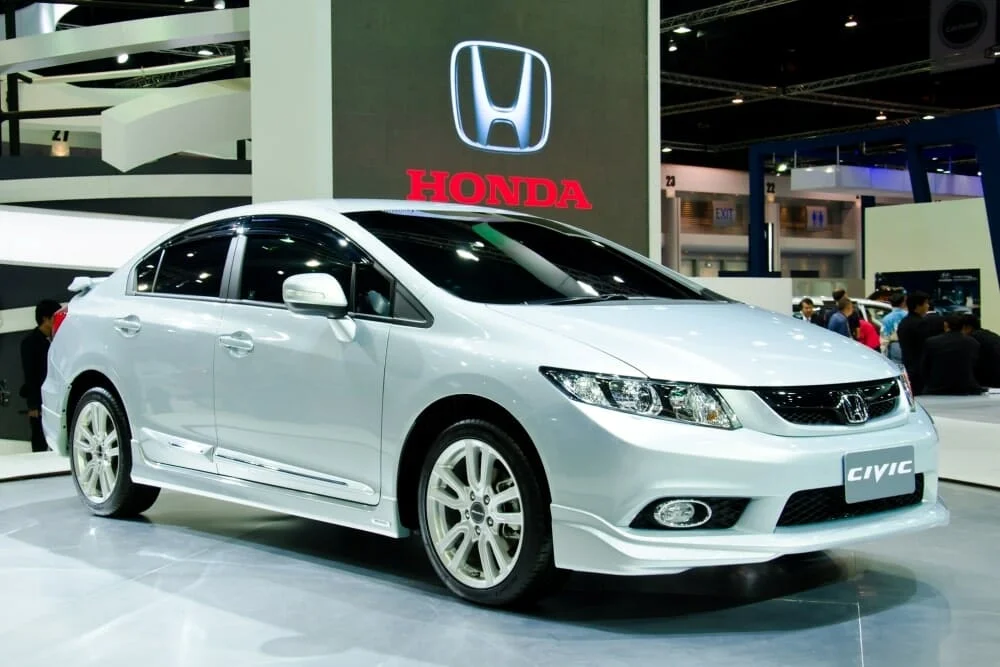
2008 Honda Civic Engine Replacement Cost: What to Expect
📋 Table of Contents
- 🎯 Key Takeaways
- Understanding Average Costs for a 2008 Honda Civic Engine Replacement
- Factors Influencing the Total Engine Replacement Cost
- New vs. Used vs. Remanufactured Engines: Pros & Cons
- Is Engine Replacement Worth It? Making the Decision
- Conclusion
- 💬 Quick Questions & Answers
- ❓ Frequently Asked Questions
Replacing a 2008 Honda Civic engine can cost anywhere from $2,500 to $6,000+, depending on factors like engine type (used, remanufactured), labor rates, and the severity of existing damage. Making an informed decision between replacement and buying a new car is crucial for financial peace of mind.
🎯 Key Takeaways
- Average costs range from $2,500 to $6,000+.
- Used engines are cheapest, remanufactured offer best value.
- Labor rates significantly impact the total price.
- Compare replacement cost versus your vehicle’s value.
- Always seek multiple quotes before committing to a shop.
Is your trusty 2008 civic/engine-replacement-cost” target=”_blank” rel=”noopener noreferrer” title=”Honda Civic Engine Replacement Cost Estimates – RepairPal”>Honda Civic showing signs of engine trouble? Perhaps you’ve been told a repair is too costly, or worse, that your beloved Civic needs a full engine replacement. Few things are as concerning for a car owner as facing such a significant repair. It’s a daunting decision, weighing the cost against the car’s remaining value and potential lifespan.
A 2008 Honda Civic is a reliable vehicle, but like all cars, engines eventually wear out. Understanding the potential engine replacement costs is crucial. This knowledge helps you make an informed choice, whether that means going ahead with the repair, selling your car, or exploring other options. Let’s break down what you can expect financially when replacing your Civic’s engine.
Understanding Average Costs for a 2008 Honda Civic Engine Replacement
When your trusty 2008 Honda Civic engine gives out, the first question is always, “How much will this cost?” Engine replacement is a significant investment. It’s crucial to understand the different engine types available and the associated labor expenses. This knowledge helps you budget accurately and make a smart decision.
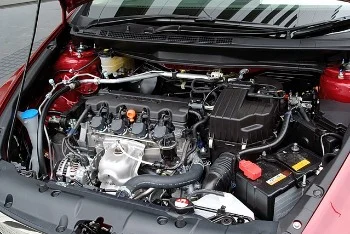
The Core Cost: New, Used, or Remanufactured Engines?
The biggest variable in your engine replacement cost is the engine itself. You have a few main options, each with a different price point and level of reliability.
- New Crate Engine: These are brand-new, factory-fresh engines. They offer the longest lifespan and usually come with a strong warranty. However, they are also the most expensive option, often ranging from $3,000 to $5,000 for a 2008 Civic engine alone.
- Used Engine (JDM or Salvage): A used engine is the most budget-friendly choice. Prices can vary greatly based on mileage and condition, typically from $800 to $2,000. Be cautious with used engines. Always ask for mileage, vehicle history, and a warranty, even if it’s limited. JDM (Japanese Domestic Market) engines are often popular for Hondas, sometimes offering lower mileage than domestic counterparts.
- Remanufactured/Rebuilt Engine: This option strikes a balance between cost and reliability. A remanufactured engine has been completely disassembled, inspected, and rebuilt to factory specifications. Worn parts are replaced with new ones. These typically cost between $2,000 and $3,500 and often come with a good warranty, usually 1-3 years.
Don’t Forget Labor: A Major Chunk of the Bill
An engine doesn’t just swap itself. The labor involved in replacing a 2008 Honda Civic engine is substantial. This is a complex job that requires specialized tools and expertise. Most mechanics will charge for 10 to 20 hours of labor for an engine swap.
Hourly labor rates vary significantly depending on your location and the type of shop. You might see rates anywhere from $80 to $150+ per hour. This means labor costs alone could easily range from $1,000 to $3,000 or even more. When you combine the engine cost with labor, a full replacement for your 2008 Civic could land anywhere from $2,000 for a cheap used engine swap to $8,000+ for a new engine installed at a dealership.
Factors Influencing the Total Engine Replacement Cost
While we’ve discussed the basic costs of the engine and labor, several other elements can push the final price tag up or down. Understanding these factors will help you prepare for the complete financial picture.
The Choice of Repair Shop: Dealership vs. Independent
Where you decide to have your engine replaced significantly impacts the overall cost. Each type of shop offers different advantages and price points.
- Honda Dealership: Dealerships typically have the highest labor rates. They specialize in Honda vehicles and use genuine OEM (Original Equipment Manufacturer) parts. You’ll get highly trained technicians familiar with your Civic, but you’ll pay a premium for that expertise and those parts. Expect top-tier quality but also top-tier pricing.
- Independent Mechanic Shop: Many independent shops specialize in Hondas or have extensive experience with them. Their labor rates are generally lower than dealerships, and they might offer a choice between OEM and more affordable aftermarket parts. Always choose a reputable shop with good reviews and ask for a detailed quote.
- Specialty Engine Shop: Some shops focus exclusively on engine repair and replacement. They often have specific expertise and efficient processes for engine swaps. Their pricing can be competitive, sometimes falling between independent shops and dealerships.
Hidden Costs and Necessary Additional Parts
An engine replacement is rarely just “engine in, engine out.” Many peripheral components and fluids need attention during the process, adding to the total expense. It is wise to budget an extra 10-20% for these unforeseen or necessary additions.
- Fluids and Gaskets: You’ll need new engine oil, coolant, and possibly transmission fluid if the transmission is removed. Various gaskets and seals (like intake manifold gaskets or exhaust manifold gaskets) will also need replacement.
- Belts, Hoses, and Spark Plugs: While the engine is out, it’s the perfect time to replace old belts (serpentine, timing belt if applicable), hoses, and spark plugs. These items are often easier and cheaper to replace during an engine swap than later.
- Engine Mounts: Your old engine mounts might be worn. Replacing them during the swap makes sense, as they are easily accessible.
- Ancillary Components: Sometimes, parts like the catalytic converter, oxygen sensors, or even certain sensors on the new (or remanufactured) engine might need to be replaced or transferred. Discuss these possibilities with your mechanic beforehand.
New vs. Used vs. Remanufactured Engines: Pros & Cons
When facing an engine replacement, one of the biggest decisions you’ll make is what type of engine to put in your 2008 Honda Civic. Each option—new, used, or remanufactured—comes with its own set of advantages, disadvantages, and, of course, price tags.
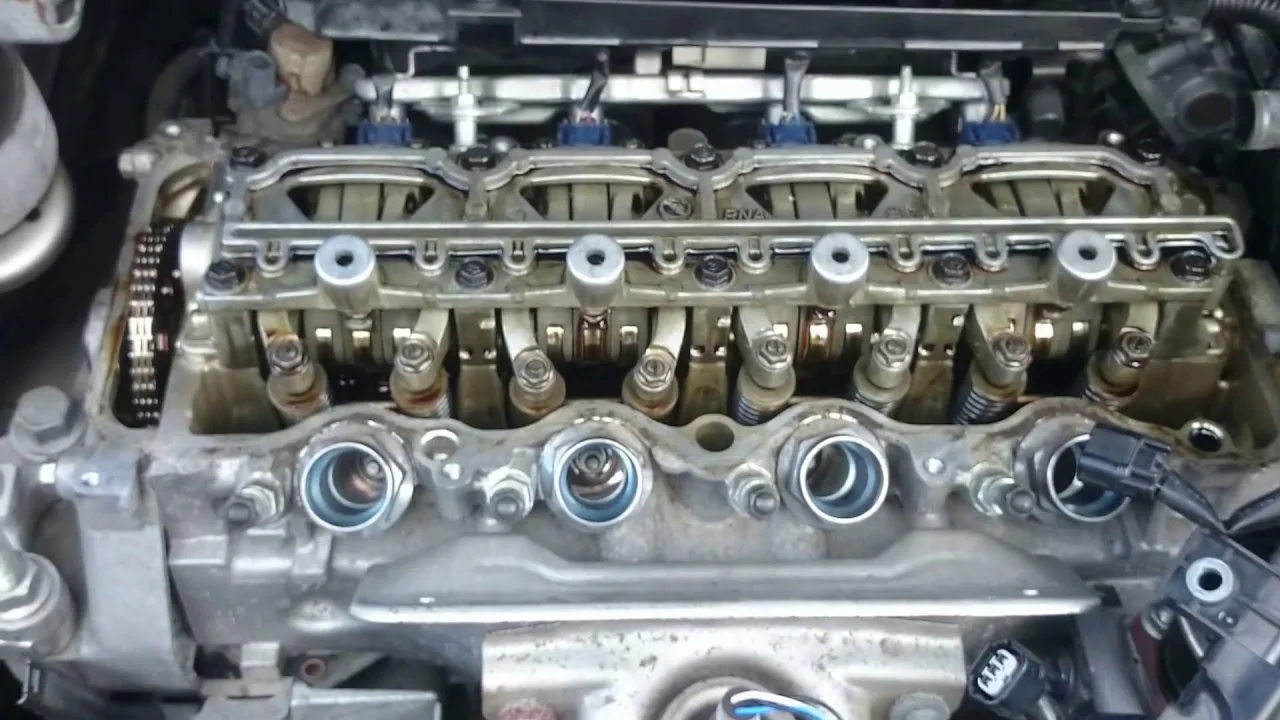
New Engines: The Premium Choice
A brand-new engine is exactly what it sounds like: a factory-fresh unit, often purchased directly from Honda or a certified parts distributor. This is typically the most expensive option, but it offers unparalleled peace of mind. You’re getting a zero-mile engine with the latest manufacturing specifications and a comprehensive warranty, usually for 3-5 years or 36,000-60,000 miles. For a 2008 Civic, a new engine might cost anywhere from $4,000 to $6,500 for just the part, before labor. While it’s a significant investment, it virtually eliminates concerns about past wear and tear, ensuring your Civic could run reliably for many more years, potentially adding significant value and longevity to the vehicle.
Used Engines: Budget-Friendly Gamble
Used engines, often referred to as “junkyard” or “salvage” engines, are pulled from other vehicles. These are by far the most affordable option, with prices ranging from $500 to $1,500 for the engine itself. The primary advantage is the lower upfront cost, making it tempting if you’re on a tight budget. However, they come with the highest risk. You don’t always know the engine’s true history, mileage, or how well it was maintained. While reputable salvage yards often offer a limited warranty (e.g., 30-90 days), it’s usually just for the part, not the labor to install it. If the used engine fails shortly after installation, you could be stuck paying for labor twice, turning your budget solution into a costly headache. Always ask for documentation of the donor vehicle’s mileage and condition.
Remanufactured Engines: The Balanced Option
Remanufactured engines strike a balance between cost and reliability. These are used engines that have been completely disassembled, inspected, cleaned, and had all worn or damaged parts replaced with new or re-machined components. This process brings the engine back to, or sometimes even exceeds, original factory specifications. Key components like pistons, rings, bearings, and seals are always replaced. A remanufactured engine for your 2008 Civic might cost between $2,000 and $3,500 for the unit. They typically come with a much better warranty than used engines, often 1-3 years or 12,000-36,000 miles, providing good protection against defects. This option offers a “like-new” performance without the premium price of a truly new engine, making it a popular choice for many Civic owners looking for reliability and value.
Is Engine Replacement Worth It? Making the Decision
Replacing an engine in an older car like a 2008 Honda Civic is a significant financial commitment. Before you greenlight the repair, it’s crucial to weigh the pros and cons and evaluate your car’s overall condition. This isn’t just about the engine; it’s about the entire vehicle and its future value to you.
Factors to Consider
To help you decide, ask yourself these questions:
- Overall Vehicle Condition: Beyond the engine, how is the rest of your Civic? Are there rust issues? Is the transmission healthy? How are the suspension, brakes, and tires? If your car has numerous other impending repairs, an engine replacement might be throwing good money after bad.
- Resale Value vs. Replacement Cost: Research the current market value of a 2008 Honda Civic in good condition in your area. If the cost of the engine replacement (including labor) approaches or exceeds the car’s market value, it might be more economical to sell the car for parts or scrap and put that money towards a newer vehicle. For example, if your Civic is worth $4,000 but the repair is $5,000, it’s a tough call.
- Emotional Attachment & Reliability Needs: Do you love your Civic? Has it been a faithful companion? Sometimes, emotional attachment plays a role. Also, consider your need for reliable transportation. A well-repaired Civic can often provide many more years of dependable service.
- Your Budget and Long-Term Plans: Can you comfortably afford the repair without undue financial strain? What are your long-term car ownership goals? If you plan to keep the car for another 3-5 years, the investment might be worthwhile. If you were already thinking of upgrading, this might be the push you need.
Calculating the Break-Even Point
Consider the “break-even point.” This is where the cost of the repair makes the car less valuable than replacing it with something else. Here’s a simple way to think about it:
- Step 1: Get comprehensive quotes. Obtain at least two detailed quotes for the engine replacement, specifying the type of engine (used, remanufactured, new) and including all labor and auxiliary parts.
- Step 2: Determine your car’s market value. Use resources like Kelley Blue Book (KBB.com) or Edmunds to estimate the private party sale value of your 2008 Civic in “good” or “fair” condition (as it would be without the engine issue, assuming it’s repaired).
- Step 3: Compare. If the repair cost is significantly less than the car’s market value, and the rest of the car is in good shape, replacement might be a sound financial decision. If the repair cost is close to or exceeds the market value, explore alternatives.
For example, if your Civic’s market value is $5,000 and a quality remanufactured engine replacement costs $3,500, you’re investing in an asset that could still be worth $1,500 more than the repair. However, if the repair is $6,000, you’d effectively be “upside down” on the investment.
Conclusion
Replacing the engine in your 2008 Honda Civic is a significant decision, heavily influenced by the type of engine you choose and your car’s overall condition. While a used engine offers the lowest initial cost, it carries the highest risk. A remanufactured engine presents a balanced option between cost and reliability, often being the most sensible choice for an older vehicle. A new engine provides ultimate peace of mind but comes with a premium price tag.
Before committing, get detailed quotes from reputable mechanics and thoroughly evaluate your Civic’s health beyond the engine. Compare the repair cost to the vehicle’s market value and consider how many more years you realistically expect to drive it. Your 2008 Honda Civic is a reliable vehicle, and a thoughtful engine replacement can give it a new lease on life. By weighing all your options carefully, you can make an informed decision that’s best for your budget and your driving needs.
💬 Quick Questions & Answers
How much does a 2008 Honda Civic engine replacement typically cost?
Expect to pay between $2,500 and $6,000, including parts and labor, varying by engine source and shop rates.
What type of engine is cheapest for replacement?
A used engine, often sourced from a salvage yard, is generally the most affordable option, though it carries higher risk.
How long does an engine replacement take?
Typically, an engine replacement takes 15-25 hours of labor, so plan for 2-5 days in the shop.
Is it cheaper to repair or replace the engine?
If internal damage is extensive, replacement is often more cost-effective than attempting complex repairs on major internal components.
Does a new engine come with a warranty?
Remanufactured and new engines usually come with a warranty, while used engines might have a very limited one or none at all.
❓ Frequently Asked Questions
What are the primary cost components of a 2008 Honda Civic engine replacement?
The total cost primarily breaks down into the engine itself (which can be used, remanufactured, or new) and labor charges, with potential additional costs for fluids, seals, and other minor parts needed for the swap.
How do I decide between a used, remanufactured, or new engine for my Civic?
A used engine is the cheapest but comes with higher risk; a remanufactured engine offers a balance of cost and reliability with a warranty; a new engine is the most expensive but provides peace of mind and the longest lifespan.
What factors determine the labor cost for an engine swap?
Labor costs depend on the mechanic’s hourly rate, the complexity of the specific 2008 Civic model (e.g., specific engine code), and whether the shop specializes in Honda vehicles, usually ranging from 15 to 25 hours.
Are there any hidden or additional costs I should anticipate during an engine replacement?
Yes, beyond the engine and labor, anticipate costs for new fluids (oil, coolant), spark plugs, accessory belts, hoses, possibly an exhaust manifold gasket, and potential diagnostic fees if the exact issue wasn’t clear initially.
How can I verify the quality of a replacement engine before installation?
For used engines, ask for the donor vehicle’s mileage and VIN; for remanufactured, ensure it comes from a reputable rebuilder with a comprehensive warranty; always have a trusted mechanic inspect any engine before purchase.
When is it more economical to replace the engine rather than buying a new car?
Engine replacement is often economical if the car’s body, transmission, and interior are in good condition, and its current market value after replacement significantly exceeds the repair cost, especially for a reliable model like the Civic.