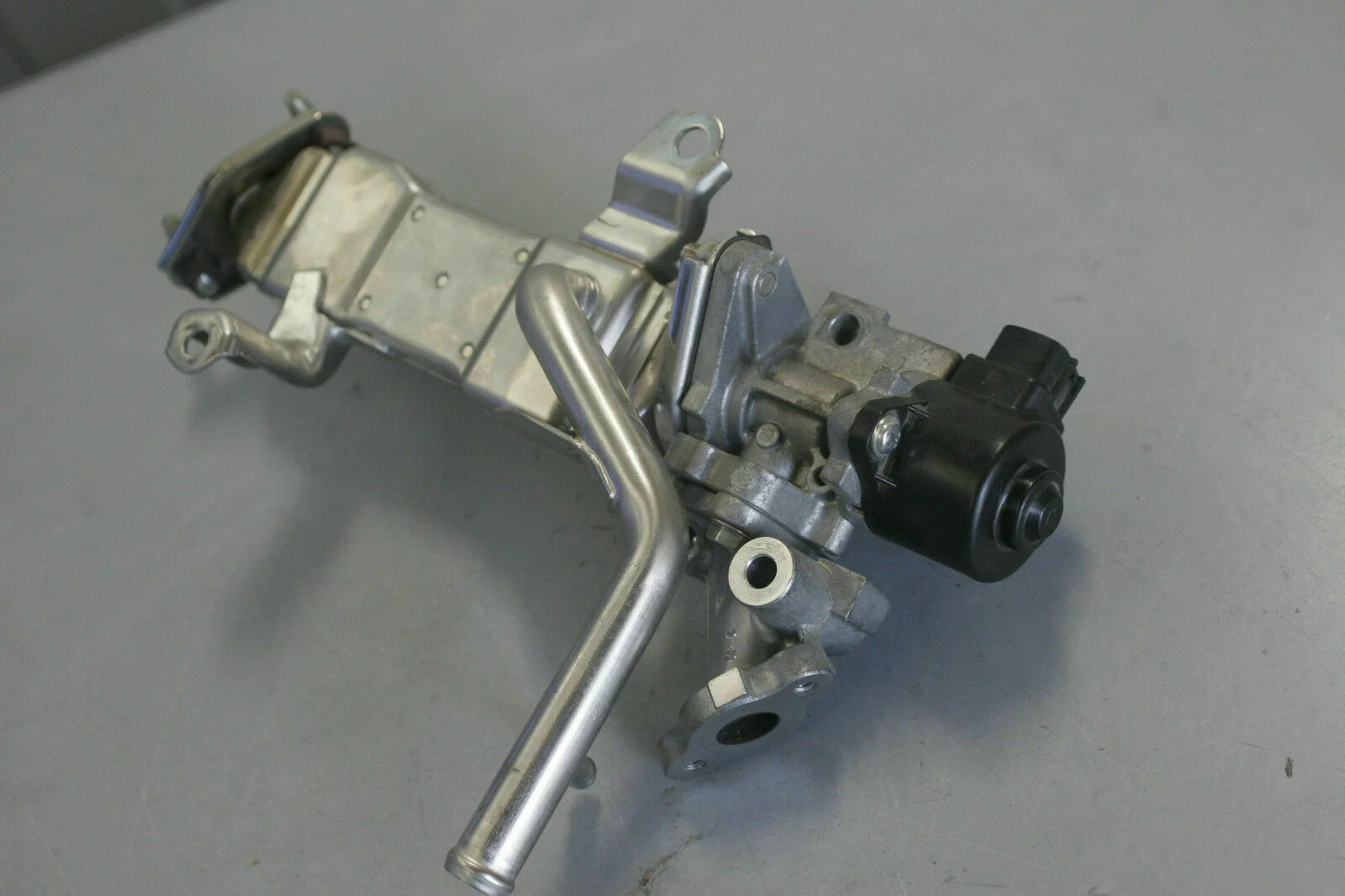
2010 Prius EGR Valve Replacement Cost: What to Expect
📋 Table of Contents
- 🎯 Key Takeaways
- Understanding 2010 Prius EGR Valve Function and Symptoms
- Detailed Cost Breakdown: Parts, Labor, and Diagnostics
- DIY EGR Valve Replacement vs. Professional Service
- Tips to Prevent Future EGR Valve Issues and Save Money
- Conclusion
- 💬 Quick Questions & Answers
- ❓ Frequently Asked Questions
The average cost to replace a 2010 Prius EGR valve ranges from $350 to $700, largely depending on labor rates and parts sourcing. It’s crucial to address EGR issues promptly to maintain fuel efficiency and prevent further engine damage. Understanding the cost breakdown can help you budget for this essential repair.
🎯 Key Takeaways
- Cost varies by parts, labor, and location.
- DIY replacement can save significant labor costs.
- Early diagnosis prevents more expensive repairs.
- Always use quality OEM or equivalent parts.
- Consider cleaning before full replacement.
Ever heard a strange hiss or felt your 2010 Prius struggling more than usual? You might be facing an EGR valve issue. This little part plays a crucial role in your car’s engine performance. It also helps with overall emissions control. Understanding this component is key for any Prius owner.
Ignoring a faulty EGR valve can lead to bigger problems. It often results in more costly repairs down the line. Knowing the potential replacement cost helps you budget effectively. It also empowers you to make informed decisions about your car’s maintenance. Let’s dive into what you need to expect.
Understanding 2010 Prius EGR Valve Function and Symptoms
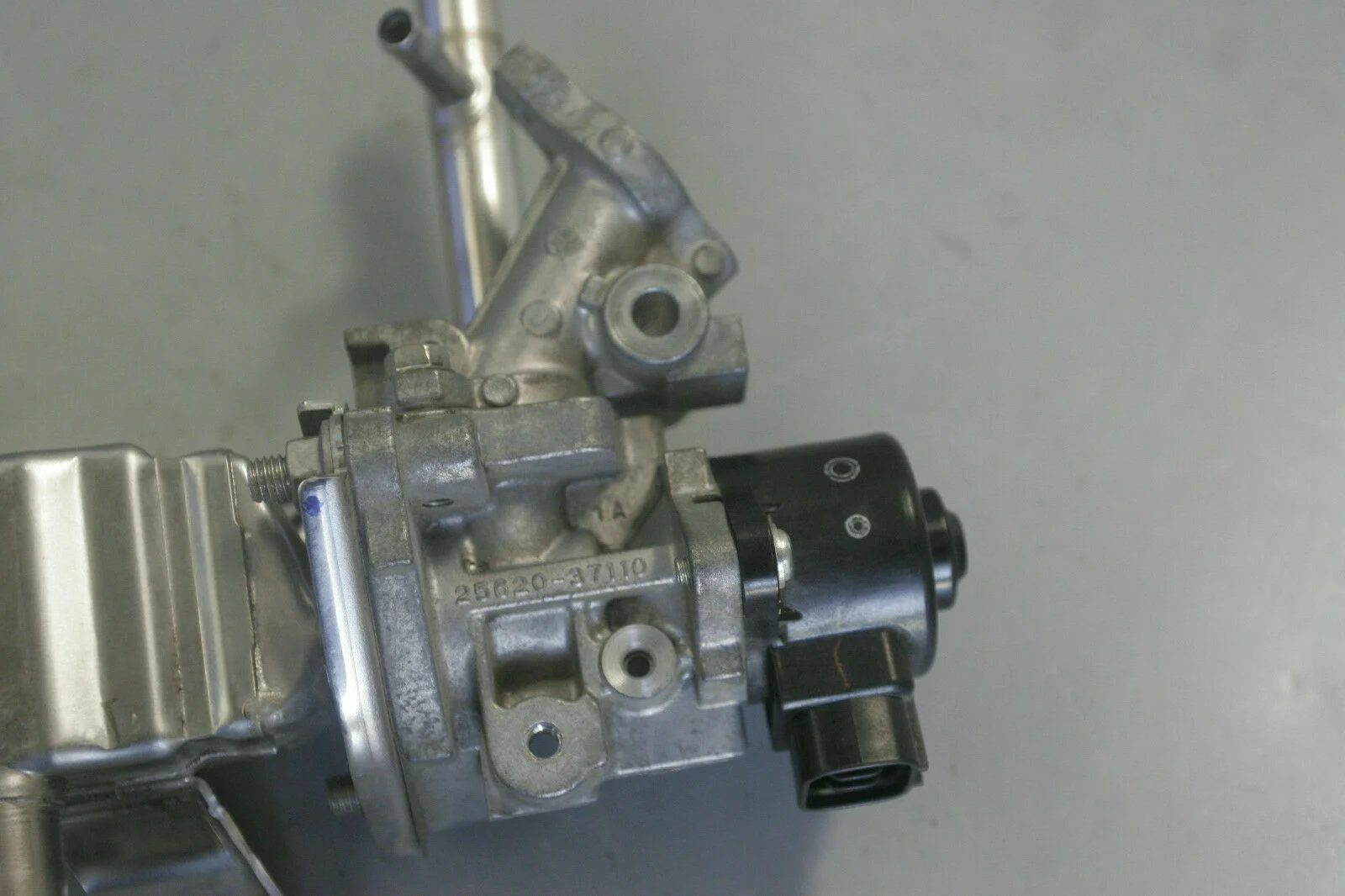
The Exhaust Gas Recirculation (EGR) valve is vital for your Prius. It helps your car run cleaner and more efficiently. The valve routes a small amount of exhaust gas back into the engine. This process cools combustion temperatures. It significantly reduces harmful nitrogen oxide (NOx) emissions. In your 2010 Prius, the EGR system is prone to carbon buildup. This buildup can make the valve stick or clog. When this happens, your car’s performance suffers. Understanding its role is key to recognizing problems early.
What the EGR Valve Does for Your Prius
Think of the EGR valve as an environmental helper. It takes some exhaust gases and puts them back into the engine. This isn’t just about emissions control. It also improves fuel economy. Cooler combustion means less stress on your engine. A properly working EGR system ensures your hybrid runs smoothly. It also helps you pass emissions tests. Your 2010 Prius relies on this component heavily. It’s part of its advanced hybrid design.
Common Symptoms of a Failing EGR Valve
How do you know if your EGR valve is failing? Your car will tell you. Look out for these signs. Recognizing them early can save you money.
- Check Engine Light: This is often the first indicator. Diagnostic codes like P0400, P0401, P0402, P0403, or P0404 may appear.
- Reduced Fuel Economy: You’ll notice more frequent trips to the gas station.
- Rough Idle or Stalling: Your engine might feel shaky or even die.
- Engine Knocking or Pinging: Unusual noises can signal a problem.
- Reduced Power/Acceleration: Your Prius might feel sluggish, especially uphill.
- Increased Emissions: You might fail an emissions inspection.
Practical Tip: If you see the Check Engine Light, get your car scanned. Many auto parts stores offer this service for free. This scan gives you the trouble codes. These codes help narrow down the issue. Don’t ignore these warnings. A simple check can prevent further damage.
Detailed Cost Breakdown: Parts, Labor, and Diagnostics
Now, let’s talk numbers. Replacing your 2010 Prius EGR valve involves parts, labor, and diagnostic fees. The total price can vary widely. It depends on the repair location and quality of parts chosen. Being prepared helps you budget effectively. You’ll avoid surprises. Understanding each cost component is important for you.
EGR Valve Part Costs: OEM vs. Aftermarket
The EGR valve itself is a significant cost. You have two main options:
- OEM (Original Equipment Manufacturer) Parts: These are genuine Toyota parts. They offer the best fit and reliability. Expect to pay between $150 and $350. They usually come with a warranty.
- Aftermarket Parts: Made by third-party manufacturers. Prices typically range from $80 to $250. Quality varies greatly. Specific Tip: Read reviews carefully. Choose reputable brands. The EGR cooler often needs cleaning or replacement too. A full OEM EGR system can be more expensive.
Cheaper isn’t always better. A low-quality aftermarket part might fail sooner. This means paying for labor twice. Invest in a reliable component for long-term savings.
Labor Costs and Diagnostic Fees
Labor is another big part of the total bill. Replacing an EGR valve on a 2010 Prius is not a quick job. It needs specific tools and expertise. Carbon buildup around the EGR cooler makes the job complex. The mechanic might need to clean the cooler. This cleaning adds to the labor time.
- Diagnostic Fee: Most shops charge $80 to $150. This covers the mechanic’s time. Often, this fee is waived if the repair is done at the same shop.
- Labor Hours: The job takes 2 to 4 hours. This includes removal, cleaning (if applicable), and installation. A heavily clogged EGR cooler takes longer. Specific Tip: Ask if the estimate includes cleaning the EGR cooler. This step is crucial.
- Hourly Shop Rate: Rates vary. Independent mechanics charge $80 to $120 per hour. Dealerships charge $120 to $180 per hour.
For labor alone, you could pay $160 to $720. Always get a written estimate first. Compare quotes from different places. This helps ensure fair pricing.
DIY EGR Valve Replacement vs. Professional Service
When facing an EGR valve issue, a critical decision point is whether to tackle the replacement yourself or entrust it to a professional mechanic. Each path has its own set of considerations, from cost savings to complexity.
The DIY Route: What You Need to Know
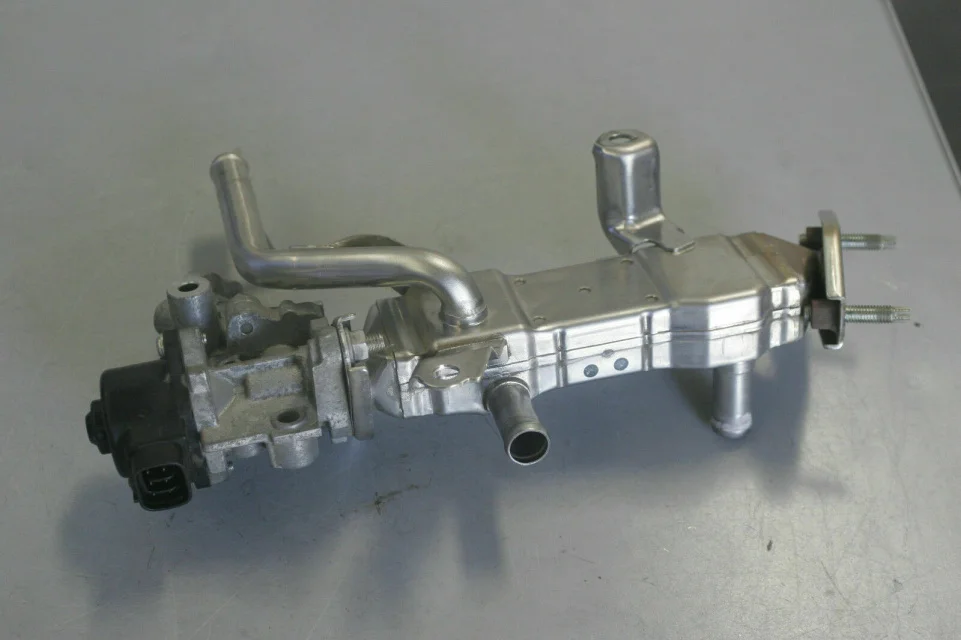
Opting for a DIY replacement can significantly reduce your overall cost, primarily by eliminating labor charges. The part itself for a 2010 Prius EGR valve typically ranges from $150 to $300, depending on whether you choose OEM or aftermarket. However, this is not a job for the faint of heart or the inexperienced.
Here’s what a DIY replacement often entails:
- Required Tools: You’ll need a comprehensive set of sockets, wrenches, pliers, and crucially, a torque wrench for proper reassembly. Coolant drain pans and a funnel for refilling are also essential.
- Time Commitment: Many experienced DIYers report spending anywhere from 4 to 8 hours on this task, or even a full weekend, especially if it’s their first time. The job often involves removing the intake manifold and dealing with coolant lines.
- Complexity and Risks: The EGR valve is buried deep in the engine bay. Accessing it requires careful removal of numerous components. There’s a risk of breaking fragile plastic clips, damaging coolant hoses, or improperly sealing gaskets upon reassembly, leading to new leaks or engine problems. Most importantly, you should also plan to clean or replace the EGR cooler, as it’s often the root cause of the valve getting stuck.
While the allure of saving hundreds of dollars in labor is strong, realistically assess your mechanical skills, available tools, and patience before committing to DIY.
Why Professional Service Might Be Worth It
For most Prius owners, professional service offers peace of mind and often a more thorough repair. Here’s why it might be the better option:
- Expertise and Efficiency: Certified technicians have specialized tools and experience with the Prius engine. They can quickly diagnose the problem, ensure all related components (like the EGR cooler) are properly addressed, and complete the job efficiently.
- Warranty: Most reputable repair shops offer a warranty on both parts and labor. This provides a safety net should the new EGR valve fail prematurely or if any issues arise from the installation.
- Comprehensive Service: A mechanic won’t just swap the valve. They’ll likely clean the EGR cooler, which is often equally or more clogged than the valve itself. They can also perform diagnostics to rule out other potential causes of your check engine light, preventing unnecessary replacements.
While the professional route means paying for labor, the added confidence, warranty, and expertise often justify the higher initial cost, ensuring the job is done right the first time.
Tips to Prevent Future EGR Valve Issues and Save Money
Prevention is always better than cure, especially when it comes to costly repairs like an EGR valve replacement. Adopting a proactive approach to your 2010 Prius’s maintenance can significantly extend the life of your EGR system and save you money down the road.
Regular Maintenance is Key
Don’t wait for the dreaded “Check Engine” light to illuminate. Incorporating specific preventative measures into your regular maintenance routine can stave off carbon buildup, the primary culprit behind EGR valve failures.
- Monitor Driving Habits: Frequent short trips, especially in stop-and-go city traffic, prevent the engine from reaching optimal operating temperatures needed to burn off carbon deposits effectively. If this describes your typical driving, consider longer highway drives occasionally.
- Use Quality Fuel: While not a direct solution, using reputable, quality gasoline can contribute to cleaner engine combustion, which indirectly reduces carbon buildup throughout the exhaust system, including the EGR.
- Timely Oil Changes: Regular oil changes with the manufacturer-recommended oil type help keep the engine running cleaner overall, minimizing internal combustion byproducts that can make their way into the EGR system.
These simple habits contribute to a healthier engine environment, reducing the stress on your EGR valve and cooler.
Proactive Cleaning and Inspection
Beyond general maintenance, specific attention to the EGR system can head off problems before they escalate. Think of it as a crucial “tune-up” for a known Prius weak point.
- Scheduled EGR System Cleaning: Many Prius specialists and experienced owners recommend a preventative EGR valve and cooler cleaning around every 80,000 to 100,000 miles. This involves removing, inspecting, and cleaning these components with specialized solvents to clear carbon buildup. This process is much less costly than a full replacement.
- DIY Cleaning Option: If you’re comfortable with basic mechanical work, cleaning the EGR valve and cooler can be a DIY project, saving on labor costs. Numerous online guides and videos specifically for the 2010 Prius illustrate the process using carb cleaner or dedicated EGR system cleaning solutions. This requires patience but can be highly effective.
- Listen for Subtle Signs: Before a complete failure, you might notice subtle symptoms like a slightly rougher idle, minor hesitation during acceleration, or a slight dip in fuel economy. Addressing these early warnings with a preventative cleaning can prevent a complete EGR valve blockage.
By investing a little time and effort in preventative cleaning and smart driving, you can significantly prolong the life of your 2010 Prius EGR valve and avoid an expensive emergency repair.
Conclusion
Navigating the cost of a 2010 Prius EGR valve replacement can be daunting, with prices varying widely from $400 to over $1,200 depending on the parts, labor, and whether you opt for professional service or DIY. While tackling the job yourself can save you hundreds in labor, it demands significant mechanical skill and time. For many, the peace of mind and warranty offered by a professional mechanic justify the higher cost.
Ultimately, the best strategy is prevention. Prioritize regular maintenance, including proactive cleaning of your EGR valve and cooler every 80,000 to 100,000 miles. Get multiple quotes from reputable shops, and carefully weigh your options. By being informed and proactive, you can keep your Prius running efficiently, avoid unexpected expenses, and enjoy many more miles on the road.
💬 Quick Questions & Answers
What’s the average cost for a 2010 Prius EGR valve replacement?
Expect to pay between $350 and $700, including parts and labor, depending on your location and shop.
Can I drive with a bad EGR valve in my Prius?
While possible, it’s not recommended as it can harm fuel economy, increase emissions, and lead to more severe engine damage over time.
How long does EGR valve replacement take?
A professional mechanic typically completes the job in 2-3 hours, though complexities can extend this timeframe.
Is EGR valve cleaning an option instead of replacement?
Yes, sometimes a thorough cleaning can resolve issues, especially if the valve is only partially clogged and not mechanically failed.
What are common symptoms of a failing EGR valve?
Common signs include a rough idle, reduced fuel economy, check engine light illumination, and potential engine stalling or hesitation.
❓ Frequently Asked Questions
What exactly influences the total cost of a 2010 Prius EGR valve replacement?
The total cost is primarily influenced by the price of the EGR valve itself (which can range from $150-$400 for OEM), labor rates (typically $100-$150 per hour for 2-3 hours), and any additional diagnostics or parts needed. Geographic location, the specific repair shop, and whether it’s an independent mechanic or dealership also play a significant role in final pricing.
What are the tell-tale signs that my 2010 Prius EGR valve needs attention?
Key indicators include a ‘Check Engine’ light illuminated on your dashboard, noticeable rough idling or engine hesitation, decreased fuel efficiency, and possibly a smell of fuel or exhaust. In severe cases, your Prius might experience stalling, poor acceleration, or even fail emissions tests, signaling a clogged or malfunctioning valve.
Is replacing the 2010 Prius EGR valve a DIY job for a moderately skilled mechanic?
While technically possible for someone with good mechanical skills and the right tools, it’s a moderately complex job involving coolant lines and often seized bolts due to heat exposure. If you’re not confident in your ability to follow detailed instructions and troubleshoot, professional replacement is recommended to avoid costly mistakes or further damage.
Should I replace my EGR valve with an OEM part or an aftermarket alternative?
For optimal performance and longevity in your 2010 Prius, an Original Equipment Manufacturer (OEM) EGR valve is generally recommended, though they are more expensive. High-quality aftermarket parts from reputable brands can be a more affordable alternative, but ensure they come with a good warranty and positive reviews to minimize the risk of premature failure.
What other components should I consider replacing or checking when doing an EGR valve replacement?
It’s wise to inspect the EGR cooler and associated gaskets when replacing the valve, as these can also become clogged or leak over time, particularly in older Prius models. Replacing the gaskets is highly recommended as part of the job to ensure a proper seal and prevent vacuum leaks or exhaust gas leaks, which could trigger new engine light codes.
How can I extend the life of my 2010 Prius EGR valve after replacement?
Regular maintenance is key to extending the life of your new EGR valve, including timely oil changes with the correct type of oil and using quality fuel. Occasionally, a professional intake system cleaning or using a fuel system cleaner designed for hybrid engines can help prevent the carbon buildup that commonly clogs EGR valves and coolers, thus prolonging its lifespan and efficiency.