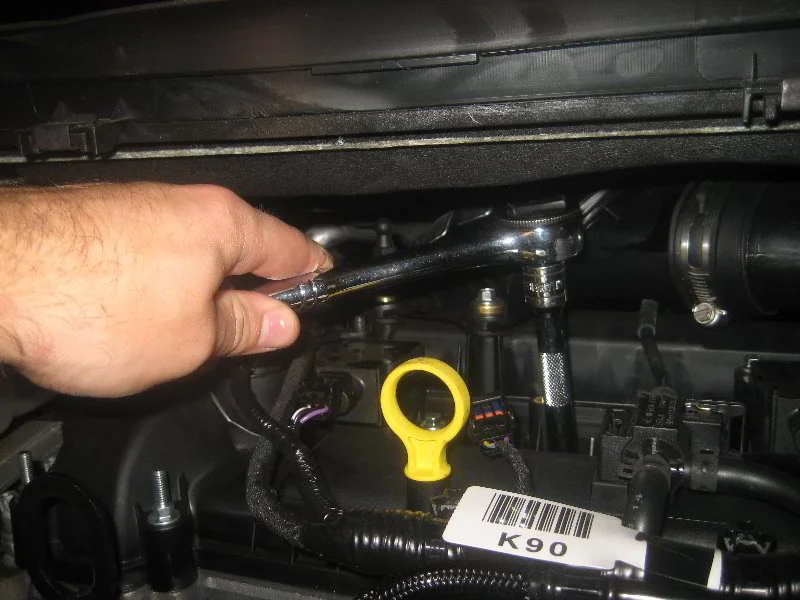
2013 Ford Escape Engine Replacement Cost: What to Expect
📋 Table of Contents
- 🎯 Key Takeaways
- Understanding the Average Cost of a 2013 Ford Escape Engine Replacement
- Factors Influencing 2013 Ford Escape Engine Replacement Costs
- New, Remanufactured, or Used: Which Engine Option is Best?
- When to Replace and How to Save Money on Your 2013 Escape Engine
- Making an Informed Decision for Your Escape
- 💬 Quick Questions & Answers
- ❓ Frequently Asked Questions
The average cost for a 2013 Ford Escape engine replacement typically ranges from $4,000 to $7,000, varying significantly based on engine type, labor rates, and whether you choose a new, remanufactured, or used engine. This price includes parts and labor, but additional costs can arise from unexpected repairs or necessary fluid replacements. Always compare quotes from certified mechanics.
🎯 Key Takeaways
- Engine replacement costs range from $4k-$7k for a 2013 Escape.
- Consider a remanufactured engine for value and reliability.
- Get multiple quotes from certified mechanics to compare prices.
- Factor in potential additional repairs and fluid costs.
- Evaluate vehicle’s overall condition before committing to replacement.
Has your trusty 2013 Ford Escape started making concerning noises, or perhaps it’s developed a serious engine problem? If you own one of these popular SUVs, you might already know about some of the engine issues that can arise, particularly with the 1.6L and 2.0L EcoBoost engines, such as coolant intrusion. Discovering your Escape needs a new engine is a major blow, both to your wallet and your daily routine.
Dealing with a blown engine is daunting. It forces you to make a tough decision: repair your existing vehicle or invest in a new one. Understanding the potential costs involved in an engine replacement for your 2013 Ford Escape is crucial. This information empowers you to make an informed choice, ensuring you’re prepared for what lies ahead without any nasty surprises.
Understanding the Average Cost of a 2013 Ford Escape Engine Replacement
When your 2013 Ford Escape requires an engine replacement, the first question on your mind is undoubtedly, “How much will this cost me?” The price can vary significantly, depending on several factors. However, knowing the average range helps you budget and plan effectively.
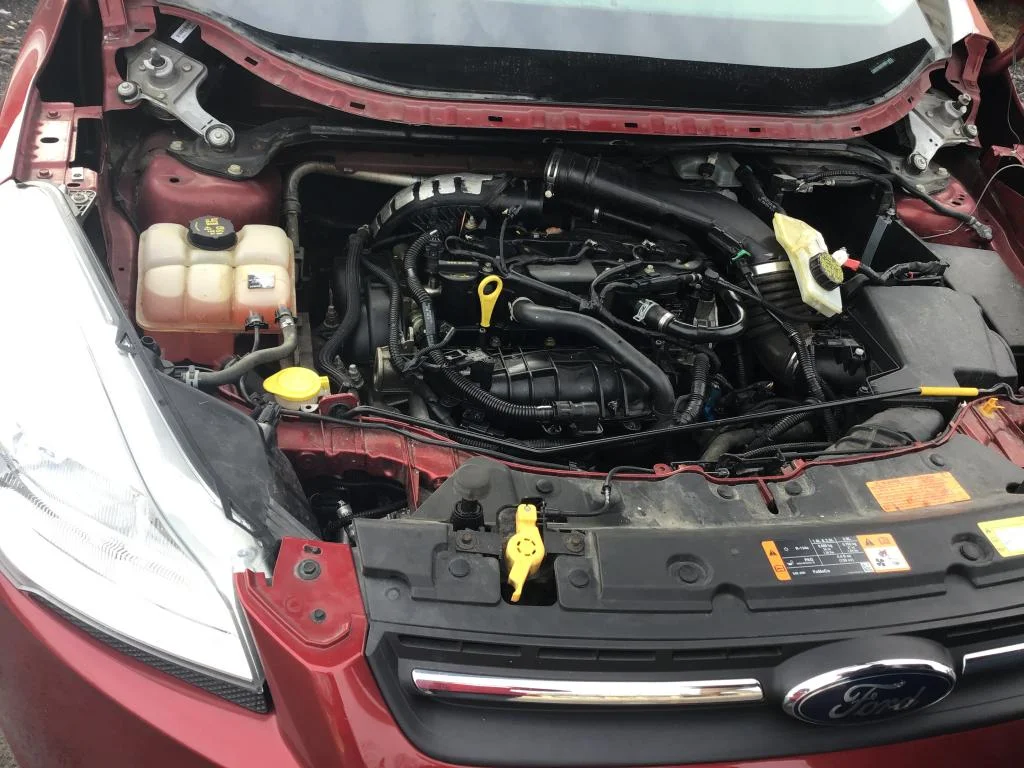
Breaking Down the Overall Price Tag
For a 2013 Ford Escape, you can generally expect to pay anywhere from $4,000 to $9,000 for a full engine replacement. This wide range accounts for different engine types and labor rates. This includes the cost of the replacement engine itself, along with the extensive labor involved in removing the old engine and installing the new one.
Factors like your geographic location and the specific mechanic or dealership you choose will influence the final bill. Getting multiple quotes is always a smart move to ensure you are getting a fair price for this significant repair.
Parts vs. Labor: What You’re Paying For
The total cost of an engine replacement is a combination of two primary components: the engine part cost and the labor cost. The engine itself will be the most substantial portion of the bill.
- Engine Part Cost: This can range from $2,000 for a good used engine to $6,000 or more for a brand-new or high-quality remanufactured unit. We will discuss these options in more detail shortly.
- Labor Cost: Swapping an engine is a time-consuming and complex job. It typically takes a skilled mechanic anywhere from 15 to 25 hours to complete. With labor rates often between $100 and $150 per hour, labor alone can add $1,500 to $3,750 to your total cost.
Remember that these figures are averages. Your specific situation might see costs at the lower or higher end of this spectrum. Always ask for a detailed estimate that breaks down both parts and labor.
Factors Influencing 2013 Ford Escape Engine Replacement Costs
The total cost of replacing your 2013 Ford Escape’s engine isn’t a fixed number. Many variables play a role in how much you’ll ultimately pay. Understanding these factors can help you make smarter decisions and potentially save money.
Type of Engine: New, Remanufactured, or Used?
The biggest cost differentiator is the type of replacement engine you choose. Each option comes with its own price point, warranty, and level of risk.
- New Engine: This is the most expensive option, often sourced directly from Ford or an OEM supplier. A new engine offers the highest reliability and typically comes with a comprehensive manufacturer’s warranty. You can expect to pay between $4,000 and $6,000 or even more for the part alone.
- Remanufactured Engine: This is a popular middle-ground choice. A remanufactured engine has been completely disassembled, inspected, cleaned, and rebuilt to original factory specifications. Worn parts are replaced with new ones. These often come with a good warranty (e.g., 3 years/100,000 miles) and offer excellent value. Costs typically range from $2,500 to $4,500 for the engine.
- Used Engine: The most budget-friendly option, a used engine is pulled from another vehicle. Its cost will depend on its mileage and condition. While cheaper (often $1,500 to $3,000), it carries the highest risk. Always ask about the mileage and any warranty offered, which might be limited to 30 or 90 days.
Your choice here significantly impacts both the initial cost and the long-term reliability of your Escape. Consider your budget and how long you plan to keep the vehicle.
Shop Location and Labor Rates
Where you have the work done makes a big difference in the final price. Labor rates vary considerably based on the type of repair shop and its geographic location.
- Dealerships: Ford dealerships often have the highest labor rates, sometimes exceeding $150 per hour. However, they specialize in Ford vehicles and use genuine OEM parts.
- Independent Mechanic Shops: These typically offer more competitive labor rates, often ranging from $100 to $130 per hour. Many independent shops have highly experienced technicians and can provide excellent service.
- Geographic Location: Shops in major metropolitan areas or regions with a higher cost of living will generally charge more than those in rural or less expensive areas.
It is always wise to obtain quotes from at least three different repair facilities. This allows you to compare prices and choose a reputable shop that fits your budget.
Additional Parts and Unexpected Issues
An engine replacement isn’t just about swapping one big component for another. There are numerous ancillary parts that often need replacement during the process. These “while you’re in there” items can add to your final cost.
Expect to pay for new fluids (oil, coolant), filters, gaskets, seals, spark plugs, and potentially new hoses or belts. If your 2013 Ford Escape has the 1.6L or 2.0L EcoBoost engine, its turbocharger may also need inspection or replacement if it’s nearing the end of its life, which can be an additional significant expense. Sometimes, unexpected issues are discovered once the old engine is removed, leading to unforeseen costs. Always ask your mechanic to factor in these potential extra costs when providing an estimate.
New, Remanufactured, or Used: Which Engine Option is Best?
Weighing Your Engine Replacement Choices
When facing an engine replacement, you’re not just buying “an engine”; you’re choosing from a spectrum of options, each with distinct pros and cons. Understanding these can significantly impact both your wallet and your long-term satisfaction. Let’s break them down:

- New Engine: This is a brand-new engine direct from the manufacturer or an OEM supplier.
- Pros: Comes with a full factory warranty (often 3 years/36,000 miles or more), guaranteed performance, and maximum peace of mind. You’re getting the freshest start possible.
- Cons: By far the most expensive option. For a 2013 Escape, a new engine can easily run upwards of $5,000 – $7,000 for the part alone.
- Remanufactured Engine: This type of engine has been completely disassembled, inspected, cleaned, and had all worn or damaged parts replaced with new or re-machined components. They often meet or exceed original factory specifications.
- Pros: A great balance of cost and reliability. They come with a substantial warranty (often 1-3 years), offer near-new performance, and are significantly cheaper than a brand-new unit. Many reputable companies specialize in remanufacturing, like Jasper Engines.
- Cons: Still a significant investment, typically $3,000 – $5,000 for the part.
- Used Engine: Sourced from another vehicle, often from a salvage yard.
- Pros: The cheapest upfront cost, potentially as low as $1,000 – $2,500 for the engine itself.
- Cons: This is where risk increases. You’re buying an engine with unknown history, mileage, and potential wear. Warranties are usually very limited (30-90 days) or non-existent. You might save money now but pay more in future repairs.
Aligning Your Choice with Your Escape’s Future
Your decision should align with how long you plan to keep your 2013 Escape. If you love your vehicle and want it to last another 5+ years, a remanufactured engine offers the best value and peace of mind. It’s a robust solution without the new engine price tag. If your Escape is otherwise in rough shape and you just need it to run for another year or two, a used engine, while risky, might be a consideration. However, always factor in the potential for additional costs if the used engine has hidden issues. Many mechanics advise against used engines for anything but the shortest-term solution due to the high labor cost of swapping an engine twice.
When to Replace and How to Save Money on Your 2013 Escape Engine
Spotting the Telltale Signs for Engine Replacement
Deciding between repairing an existing engine and replacing it entirely is a critical juncture. Here are the key indicators that often push the scale towards replacement for your 2013 Ford Escape:
- Catastrophic Failure: This includes a cracked engine block or cylinder head, a bent connecting rod, or spun main bearings that have severely damaged the crankshaft. These types of failures are often too costly or even impossible to repair reliably.
- Repair Costs Exceeding Replacement: If a mechanic quotes multiple major repairs (e.g., new turbo, extensive head work, and transmission issues) that individually might be fixable but collectively add up to more than the cost of a full engine swap, replacement becomes the smarter financial choice.
- Excessive Oil Consumption/Smoke: While some oil burning can be addressed, if your Escape is constantly gulping down oil, emitting blue smoke, and showing signs of severe internal wear (like worn piston rings or valve seals) at high mileage, a replacement might be more effective than a piecemeal overhaul.
- Persistent Recurring Issues: If you’ve addressed one major engine problem only for another, unrelated major problem to pop up shortly after, it could indicate the engine is simply worn out and nearing the end of its service life.
Always get a thorough diagnosis. Sometimes, a complex issue might seem like total failure but could be a more manageable repair, especially if your engine is otherwise in good shape.
Smart Strategies to Lower Your Engine Replacement Bill
An engine replacement is a big expense, but there are ways to manage the cost:
- Get Multiple Quotes for Labor: Labor is a significant part of the cost. Dealerships often charge the highest rates. Compare estimates from at least three reputable independent mechanics who specialize in Ford vehicles. Their hourly rates can vary by $30-$50, making a big difference over 15-20 hours of work.
- Source Your Own Engine (Carefully): While mechanics often prefer to source parts themselves, some reputable shops will install an engine you provide. This gives you more control over the part cost and choice (new, remanufactured, used). Just ensure it’s from a trusted supplier with a warranty.
- Look for Package Deals: Some shops might offer a slightly better deal if you bundle related services, like replacing the water pump, timing chain, or spark plugs at the same time the engine is out. It saves on future labor.
- Consider Your Vehicle’s Overall Condition: Before investing in a new engine, assess the rest of your Escape. Are the brakes, tires, suspension, and transmission in good shape? If the car has other major issues, it might be more economical to cut your losses and put the engine replacement money towards a newer vehicle.
Making an Informed Decision for Your Escape
Replacing the engine in your 2013 Ford Escape is a significant investment, but it doesn’t have to be a bewildering one. By understanding the core cost components—parts (new, remanufactured, used) and labor—and knowing when it’s truly time to replace, you can approach the situation with confidence. Weighing the pros and cons of each engine type against your budget and how long you plan to keep your vehicle is crucial. Remember, the cheapest upfront option isn’t always the most economical in the long run.
Your Next Steps:
- Get a Solid Diagnosis: Before any big decision, ensure a trusted mechanic accurately diagnoses the engine issue.
- Gather Detailed Quotes: Request itemized quotes from multiple shops for different engine options, including parts and labor.
- Evaluate Your Vehicle’s Value: Consider your Escape’s overall condition and market value to determine if the investment makes financial sense for you.
Don’t let engine trouble keep your 2013 Escape off the road permanently. With careful planning and smart choices, you can get it running reliably again and extend its life for years to come!
💬 Quick Questions & Answers
What’s the average cost to replace a 2013 Ford Escape engine?
The average cost typically falls between $4,000 and $7,000, including both parts and labor.
Does this cost include labor for the engine replacement?
Yes, the estimated range generally covers both the engine part itself and the labor required for installation.
Is it cheaper to use a used engine for my 2013 Escape?
Using a used engine is usually cheaper than a new or remanufactured one, but it comes with higher risks regarding its unknown history.
How long does a 2013 Ford Escape engine replacement take?
Most engine replacements typically take 1 to 3 full days of labor, depending on the mechanic’s experience and shop workload.
Is it worth replacing the engine on a 2013 Ford Escape?
It depends on the vehicle’s overall condition, mileage, and your budget; often, it’s worth it if the rest of the car is in good shape.
❓ Frequently Asked Questions
What are the main components of the engine replacement cost for a 2013 Ford Escape?
The cost primarily includes the engine itself (new, remanufactured, or used) and the labor for removal and installation. Additional expenses can arise from necessary new fluids, filters, gaskets, and ancillary parts like spark plugs or belts that are replaced during the process.
How do different engine types (1.6L EcoBoost, 2.0L EcoBoost, 2.5L) affect replacement cost for the 2013 Escape?
The specific engine size and type significantly influence the part cost, as availability and demand vary for each. For instance, the 1.6L EcoBoost might have different pricing compared to the 2.0L or 2.5L engine due to differing complexities or prevalence in the market.
What’s the difference in cost and warranty between a new, remanufactured, and used engine for a 2013 Ford Escape?
A new engine is the most expensive but offers a comprehensive factory warranty. Remanufactured engines are rebuilt to factory specifications with new wear parts, providing a balance of cost and reliability with a good warranty. Used engines are the cheapest but carry the most risk, often with limited or no warranty and unknown operational history.
What labor costs should I expect for a 2013 Ford Escape engine swap?
Labor costs for a 2013 Ford Escape engine swap typically range from $1,000 to $2,500. This depends on the mechanic’s hourly rate, which varies by location, and the complexity of accessing and replacing the specific engine type, with more complex engines requiring more hours.
What are common signs that a 2013 Ford Escape engine needs replacement instead of repair?
Signs indicating a need for replacement include severe knocking or grinding noises that won’t cease, excessive smoke from the exhaust after warm-up, significant loss of power, metal shavings in the oil, a hydro-locked engine, or repeated failures of major internal components. A failed compression test across multiple cylinders often points to severe internal damage.
Should I repair or replace my 2013 Ford Escape’s engine, or consider buying a new car altogether?
This decision depends on the vehicle’s overall condition, mileage, and your budget. If the frame, transmission, and other major components are sound and the vehicle’s remaining value justifies the engine cost, replacement can be more cost-effective than buying a new car. Compare the engine replacement cost to the value of a comparable used vehicle.