Whats Your Chevy Colorado Engine Replacement Cost
Replacing a Chevy Colorado engine is a substantial financial undertaking, with costs fluctuating significantly based on several key factors. Expect to budget anywhere from $4,000 to upwards of $10,000, heavily influenced by your truck’s model year, the specific engine type (like the 2.8L Duramax or 3.6L V6), and your choice between a new, remanufactured, or used engine. Labor rates and parts availability further define the final expenditure.
Whats Your Chevy Colorado Engine Replacement Cost
Picture this: you’re cruising down the highway in your trusty Chevy Colorado, maybe heading to a weekend adventure or just tackling your daily commute. Suddenly, a strange noise starts – a clunk, a rattle, or perhaps a persistent knocking. Your heart sinks. You know that sound. It’s the dreaded sign that something serious is happening under the hood, something that could mean a major hit to your wallet: an engine problem. For many of us, our trucks are more than just vehicles; they’re workhorses, family haulers, and companions on countless journeys. The thought of an engine replacement can feel like a punch to the gut, both emotionally and financially.
You’re not alone in feeling this way. Engine issues, especially those requiring a full replacement, are among the most expensive repairs any vehicle owner can face. And when it comes to a dependable truck like the Chevy Colorado, understanding the potential chevy colorado engine replacement cost is crucial for making informed decisions. It’s not just about the big number; it’s about weighing your options, exploring what factors influence that cost, and ultimately deciding if fixing your beloved truck is the right path forward. So, let’s talk candidly, friend-to-friend, about what you can expect.
Dealing with a failing engine is never easy, but arming yourself with knowledge can make the process less daunting. We’re going to dive deep into everything you need to know about replacing your Chevy Colorado’s engine, from the different types of engines available to the labor involved and even some smart strategies to help you manage the expense. Our goal here is to give you a clear, honest picture of the financial journey ahead so you can navigate it with confidence.
Key Takeaways
- Engine replacement costs vary significantly. Research your specific model.
- Used or remanufactured engines save money. Explore these cost-effective options.
- Labor charges are a major cost component. Factor in extensive shop hours.
- Always obtain multiple repair estimates. Compare quotes for the best deal.
- Evaluate truck’s value versus replacement cost. Make a financially sound decision.
- Seek warranties on both parts and labor. Protect your investment post-repair.
Quick Answers to Common Questions
What’s the typical Chevy Colorado engine replacement cost?
Generally, you’re looking at anywhere from $4,000 to $8,000 for parts and labor, but this can vary quite a bit depending on your specific model year and engine type.
What factors truly affect the final cost?
The biggest influences on your Chevy Colorado engine replacement cost are whether you choose a new, remanufactured, or used engine, along with the labor rates at your chosen repair shop.
Should I replace my engine or just buy a new truck?
That’s a smart question to ask! It usually boils down to the truck’s overall condition and its current value versus the high cost of engine replacement; if the rest of your Colorado is solid, replacement can be a worthwhile investment.
Can I save money on the Chevy Colorado engine replacement cost by using a used engine?
Yes, opting for a quality used engine can definitely lower your initial outlay compared to a brand-new one. However, always consider the mileage, history, and any warranty that comes with a used unit.
What if my Chevy Colorado engine is still under warranty?
If your truck is still covered by the factory powertrain warranty or an extended service contract, your Chevy Colorado engine replacement cost might be fully covered, potentially saving you a substantial expense! Always check your documentation right away.
📑 Table of Contents
- The Heartache of Engine Failure: Why Your Colorado Might Need a New Engine
- Breaking Down the Chevy Colorado Engine Replacement Cost: What’s Involved?
- Factors That Influence Your Final Chevy Colorado Engine Replacement Cost
- Navigating Your Options: New, Remanufactured, or Used Engines?
- Smart Strategies to Manage Your Chevy Colorado Engine Replacement Cost
- Conclusion
The Heartache of Engine Failure: Why Your Colorado Might Need a New Engine
Finding out your engine is failing is tough. It often comes after a long period of service, or sometimes, out of the blue. But why does an engine, especially one in a robust truck like the Chevy Colorado, eventually give up the ghost? Understanding the common culprits can sometimes help with prevention, but once the damage is done, knowing the signs is key.
Common Causes of Engine Trouble
- Lack of Maintenance: This is a big one. Skipping oil changes, ignoring warning lights, or neglecting coolant flushes can lead to severe internal damage over time. My cousin learned this the hard way with his older Silverado – years of putting off oil changes eventually caught up to him.
- Overheating: An engine that repeatedly overheats can warp cylinder heads, crack engine blocks, or cause piston damage. This can stem from a faulty radiator, water pump, or a simple coolant leak.
- Oil Starvation: Running an engine with critically low oil levels or using the wrong type of oil can lead to excessive friction, scoring of cylinder walls, and bearing failure.
- Timing Chain/Belt Issues: If your Colorado has a timing chain or belt, its failure can cause pistons to collide with valves, leading to catastrophic internal engine damage.
- Component Failure: Sometimes, individual components like fuel injectors, spark plugs, or even sensors can fail and, if left unaddressed, put undue stress on the entire engine, leading to bigger problems.
Signs It’s Time for a Replacement, Not Just a Repair
There’s a big difference between a minor repair and needing a whole new engine. So, how do you know if you’re looking at a full chevy colorado engine replacement cost?
- Persistent Knocking or Tapping Noise: A deep, rhythmic knocking that gets louder with acceleration usually indicates a serious internal bearing issue. This is often the death knell for an engine.
- Excessive Smoke from the Exhaust: Blue smoke suggests burning oil, while white smoke (not just cold weather condensation) might indicate a serious coolant leak internally, possibly a cracked block or head gasket failure.
- Metal Shavings in the Oil: If your mechanic finds metallic flakes in your oil, it’s a clear sign of significant internal wear and tear, indicating engine breakdown.
- Engine Seizure: The engine simply stops turning over or completely locks up. This is usually the result of catastrophic internal failure.
- Low Compression Across Multiple Cylinders: A compression test can reveal if your engine is losing its ability to compress fuel and air, which often points to worn piston rings, damaged valves, or cylinder issues that are too extensive to repair cost-effectively.
When these symptoms appear, often the cost of disassembling, diagnosing, and repairing the internal damage can quickly approach or even exceed the cost of replacing the entire engine. That’s when the tough decisions start.
Breaking Down the Chevy Colorado Engine Replacement Cost: What’s Involved?
Alright, let’s get down to brass tacks. The total chevy colorado engine replacement cost isn’t just one number; it’s a sum of several significant components. Think of it like building a house – you have the foundation, the frame, the finishing touches, and the labor to put it all together.

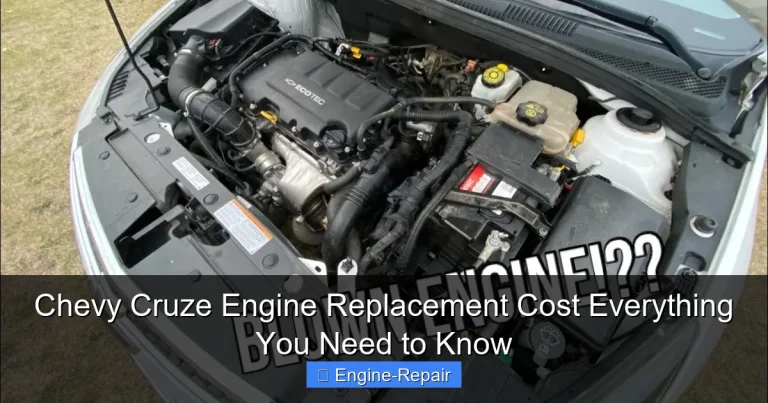
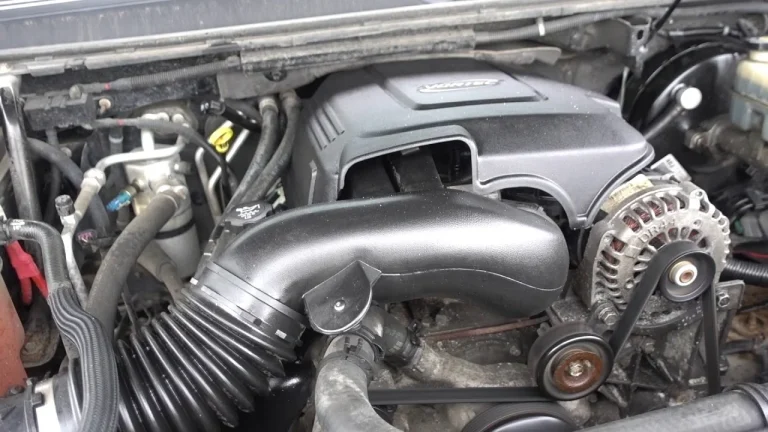
Visual guide about chevy colorado engine replacement cost
Image source: chevroletenginenews.com
The Engine Itself: New, Remanufactured, or Used?
This is arguably the largest part of your expense. You essentially have three main choices, each with its own price tag and implications:
- New Crate Engine: This is a brand-new engine, often straight from the manufacturer or a licensed supplier. It’s assembled from all new parts and typically comes with the best warranty. It’s the most expensive option but offers the most peace of mind.
- Remanufactured Engine: A remanufactured engine has been completely disassembled, inspected, cleaned, and rebuilt to original factory specifications (or better) with new or reconditioned parts. Critical components like pistons, rings, bearings, and gaskets are replaced. These often come with a good warranty and are a popular choice, balancing cost and reliability.
- Used (Salvage) Engine: This is an engine pulled from another vehicle, usually a wrecked one. Its history might be unknown, and its condition can vary wildly. It’s the cheapest option upfront but carries the most risk regarding longevity and potential hidden issues. You might get lucky, or you might end up with another problem sooner rather than later.
Labor Costs: The Mechanics’ Skill and Time
Replacing an engine is a highly complex and time-consuming job. It’s not something your average DIY enthusiast should attempt without extensive experience and specialized tools. Labor typically accounts for a significant portion of the total chevy colorado engine replacement cost.
- Hours Required: A full engine swap can take anywhere from 15 to 30+ hours, depending on the specific Colorado model year, engine type (e.g., 2.5L, 3.6L, 2.8L Duramax), and the shop’s efficiency. Diesel engines often take longer due to their complexity.
- Hourly Rate: Shop labor rates vary significantly based on geographic location and the reputation of the repair facility. Expect rates anywhere from $90 to $175 per hour, or even higher in metropolitan areas or specialty shops.
Ancillary Parts and Fluids: The Hidden Extras
An engine replacement isn’t just about the engine block itself. There are numerous other components and fluids that need to be replaced or are highly recommended during the process:
- Gaskets and Seals: New gaskets and seals are essential to prevent leaks.
- Fluids: New engine oil, coolant, and sometimes transmission fluid will be needed.
- Spark Plugs/Glow Plugs: Often replaced with the new engine.
- Hoses and Belts: It’s wise to replace old hoses and belts connected to the engine while everything is accessible.
- Filters: New oil filter, air filter, and possibly fuel filter.
- Engine Mounts: These may be worn and should be inspected and replaced if necessary.
- Other Components: Depending on what comes with the new or remanufactured engine, you might need to swap over or replace components like the water pump, alternator, starter, power steering pump, or A/C compressor. Some “long block” engines don’t include these, adding to your expense.
Factors That Influence Your Final Chevy Colorado Engine Replacement Cost
The price tag isn’t static. Several variables play a crucial role in determining your specific chevy colorado engine replacement cost. Understanding these can help you anticipate the total bill and ask the right questions when getting quotes.
Model Year and Engine Type (2.5L I4, 3.6L V6, 2.8L Duramax Diesel)
Your Colorado’s specific engine dictates a lot. The 2.5L four-cylinder engine, for example, will generally be less expensive to replace than the 3.6L V6, both in terms of the engine unit itself and potentially labor hours. The 2.8L Duramax diesel engine, known for its robustness, typically commands the highest replacement cost due to its specialized components and more complex systems. Parts for older model years might also be harder to source, potentially affecting costs.
Geographic Location and Shop Rates
Just like real estate, labor costs are heavily influenced by where you live. A shop in a bustling city with high overhead will likely charge more per hour than a smaller garage in a rural area. Always get quotes from multiple reputable shops in your area to get a sense of the local market rate for your chevy colorado engine replacement cost.
Warranty Considerations
A good warranty is invaluable for such a major repair. New engines typically come with the best warranties (e.g., 3-year/100,000-mile), followed by remanufactured engines (often 1-3 years). Used engines might have a very limited warranty (e.g., 30-90 days) or none at all. Factor the peace of mind and potential for future repairs into your decision. A cheaper engine with no warranty might end up costing you more in the long run.
Unexpected Surprises (Mounts, Hoses, etc.)
Even with a thorough estimate, sometimes mechanics uncover additional issues once the old engine is out. Worn engine mounts, cracked exhaust manifolds, or failing sensors that weren’t obvious before can add to the final bill. A good shop will communicate these findings to you before proceeding, giving you control over whether to include them in the repair. Always ask for an “out-the-door” price that includes all necessary fluids and ancillary parts.
Navigating Your Options: New, Remanufactured, or Used Engines?
Choosing the right type of replacement engine is one of the most significant decisions you’ll make regarding your chevy colorado engine replacement cost. Each option has its own set of pros and cons, especially concerning price, reliability, and warranty.
New Crate Engines: The Premium Choice
This is the gold standard. A new crate engine is exactly what it sounds like: a brand-new engine, often still in its shipping crate, sourced directly from GM or a major engine manufacturer. It’s built to factory specifications with all new components.
- Pros: Maximum reliability, best performance, longest warranty (often 3 years/100,000 miles), and complete peace of mind.
- Cons: Highest upfront cost, which can significantly drive up your overall chevy colorado engine replacement cost.
Estimated Engine Unit Cost: $5,000 – $10,000+ (depending on specific Colorado engine)
Remanufactured Engines: The Balanced Approach
Remanufactured engines offer an excellent middle ground. These are used engines that have undergone a rigorous rebuilding process. They are completely disassembled, cleaned, inspected, and then reassembled with new or fully reconditioned parts to meet or exceed OEM specifications. Key wear components like pistons, rings, bearings, and valve guides are always replaced.
- Pros: Very good reliability, often comes with a solid warranty (1-3 years/unlimited miles), significantly cheaper than new, and a more environmentally friendly option.
- Cons: Still a substantial investment, and quality can vary slightly between remanufacturers (so choose a reputable one!).
Estimated Engine Unit Cost: $3,500 – $7,500+ (depending on specific Colorado engine)
Used (Salvage) Engines: The Budget-Friendly Gamble
A used engine is pulled from another vehicle, typically one that has been in an accident but had a working engine. These are the cheapest option and can be tempting for those on a tight budget.
- Pros: Lowest upfront cost, making your initial chevy colorado engine replacement cost much lower.
- Cons: Highest risk. The engine’s history (mileage, maintenance, how it was driven) is often unknown. It might have hidden issues that only become apparent after installation. Warranties are usually very short (30-90 days) or non-existent. You might save money now, only to face another engine problem down the road.
Estimated Engine Unit Cost: $1,500 – $4,000+ (depending on specific Colorado engine, mileage, and condition)
Here’s a quick summary table of approximate costs to give you an idea:
Estimated Chevy Colorado Engine Replacement Component Costs (Engine Unit Only)
- New Crate Engine: $5,000 – $10,000+
- Remanufactured Engine: $3,500 – $7,500+
- Used (Salvage) Engine: $1,500 – $4,000+
- Labor (15-30+ hours @ $90-$175/hr): $1,350 – $5,250+
- Ancillary Parts & Fluids: $300 – $1,000+
Please remember these are rough estimates and can vary widely based on your specific Colorado model, location, and chosen repair facility. The total chevy colorado engine replacement cost will be the sum of these components.
Smart Strategies to Manage Your Chevy Colorado Engine Replacement Cost
Facing a potential engine replacement is a big deal, and the cost can be overwhelming. But there are smart ways to approach this situation to help manage your overall chevy colorado engine replacement cost and ensure you’re making the best financial decision.
Get Multiple Quotes
This is perhaps the most crucial step. Don’t settle for the first quote you get. Call at least three reputable shops in your area. Ask for detailed breakdowns of labor hours, parts costs (specifying new, remanufactured, or used engine), and any additional components they plan to replace. Compare these quotes carefully. Sometimes, a slightly higher quote might include a better engine warranty or more comprehensive ancillary part replacement, offering better long-term value.
Ask About Warranties (Parts and Labor)
A good warranty can save you from future headaches and expenses. For such a significant investment, ensure that both the replacement engine itself (whether new, remanufactured, or used) and the labor to install it are covered by a warranty. Understand the duration, what it covers, and what it specifically excludes. A 12-month/12,000-mile warranty on parts and labor is a good baseline to look for.
Consider Financing Options
If the upfront chevy colorado engine replacement cost is too steep, don’t despair. Many repair shops offer financing options, often through third-party providers. You might also consider a personal loan from a bank or credit union. Weigh the interest rates and terms carefully to ensure the monthly payments are manageable within your budget. Sometimes, investing in a new engine for your current truck makes more financial sense than taking on a new car payment.
DIY vs. Professional Installation (Proceed with Extreme Caution)
While the idea of saving on labor costs might be tempting, replacing an engine is an incredibly complex task that requires specialized tools, significant mechanical expertise, and often, specific computer diagnostics to ensure proper integration with your Colorado’s systems. For the vast majority of people, attempting a DIY engine swap is not advisable and can lead to more costly problems down the line. Unless you are a certified mechanic with experience in engine replacements, leave this job to the professionals. The risks of improper installation far outweigh any potential savings.
My friend Dave, an experienced shade-tree mechanic, once tried to put a new engine in his old truck. It took him weeks, and even then, he ran into electrical issues he couldn’t solve, ultimately having to tow it to a shop anyway. It ended up costing him more in the long run. Sometimes, paying for professional expertise is the true money-saver.
Conclusion
Finding out your Chevy Colorado needs an engine replacement is undoubtedly one of the most stressful experiences a truck owner can face. The sheer scale of the chevy colorado engine replacement cost can feel overwhelming, pushing many to question whether to repair or replace their entire vehicle. However, with the right information and a thoughtful approach, you can navigate this challenge effectively.
Remember, it’s not just about the lowest price; it’s about getting the best value for your hard-earned money. By understanding the different engine options, knowing what factors influence the cost, and implementing smart strategies like getting multiple quotes and understanding warranties, you can make an informed decision. Your Chevy Colorado has likely served you well, and with a new heart, it could continue to be a reliable companion for many more years to come. Take a deep breath, do your research, and choose the path that best suits your needs and budget. Your truck, and your wallet, will thank you for it.
Frequently Asked Questions
What is the average Chevy Colorado engine replacement cost?
The average Chevy Colorado engine replacement cost typically ranges from $4,000 to $8,000. This estimate includes both the cost of the replacement engine itself and the labor involved in its installation, but prices can vary widely based on several factors.
What factors can affect the total Chevy Colorado engine replacement cost?
Several factors influence the total Chevy Colorado engine replacement cost, including the specific engine type (e.g., 4-cylinder vs. V6, gasoline vs. diesel), whether you choose a new, rebuilt, or used engine, and regional labor rates. The year and trim level of your Colorado can also play a role in part availability and pricing.
How much does a new versus a used or rebuilt Chevy Colorado engine replacement cost?
A new Chevy Colorado engine replacement will generally be the most expensive option, often ranging from $5,000 to $7,000 just for the engine unit. A rebuilt engine typically costs less, from $3,000 to $5,000, while a used engine offers the lowest upfront Chevy Colorado engine replacement cost, usually between $2,000 and $4,000, though it carries more inherent risk.
How much of the Chevy Colorado engine replacement cost is attributed to labor?
Labor typically accounts for a significant portion of the Chevy Colorado engine replacement cost, often ranging from $1,000 to $2,500, depending on the mechanic’s hourly rate and the complexity of the job. Engine replacement can take anywhere from 10 to 20 hours of shop time, which adds up quickly.
Is a Chevy Colorado engine replacement a cost-effective choice compared to buying a new vehicle?
Deciding if a Chevy Colorado engine replacement is cost-effective depends on your truck’s overall condition, age, and mileage, as well as its current market value. If the rest of the truck is in good shape and has many years left, an engine replacement can be significantly cheaper than purchasing a new vehicle, making it a wise investment.
What components are usually included in the Chevy Colorado engine replacement cost?
The primary components included in the Chevy Colorado engine replacement cost are the replacement engine assembly itself and the labor required for its removal and installation. It also typically covers new fluids (oil, coolant), basic gaskets, and seals, though some shops might itemize additional ancillary parts like spark plugs or belts separately.