V12 Engine Cost: What to Expect & Why They’re Pricey
📋 Table of Contents
- 🎯 Key Takeaways
- The Initial Purchase Price: New vs. Used V12 Engines
- Factors Influencing V12 Engine Costs
- Beyond the Purchase: Installation, Maintenance, and Running Costs
- Is a V12 Engine Worth the Investment?
- The V12 Verdict: More Than Just a Price Tag
- 💬 Quick Questions & Answers
- ❓ Frequently Asked Questions
V12 engines are inherently expensive, ranging from $10,000 for a used unit to over $100,000 for new or specialized performance models. Their cost is driven by complex engineering, high-performance materials, and limited production. Expect significant additional expenses for installation, maintenance, and fuel.
🎯 Key Takeaways
- Cost varies widely:$10k (used) to $100k+ (new/specialty).
- Factors like condition, brand, and rarity heavily influence price.
- Beyond purchase, anticipate high installation and maintenance costs.
- Used V12s offer a more accessible entry point, but verify condition.
- Evaluate if a V12’s prestige and performance justify its significant expense.
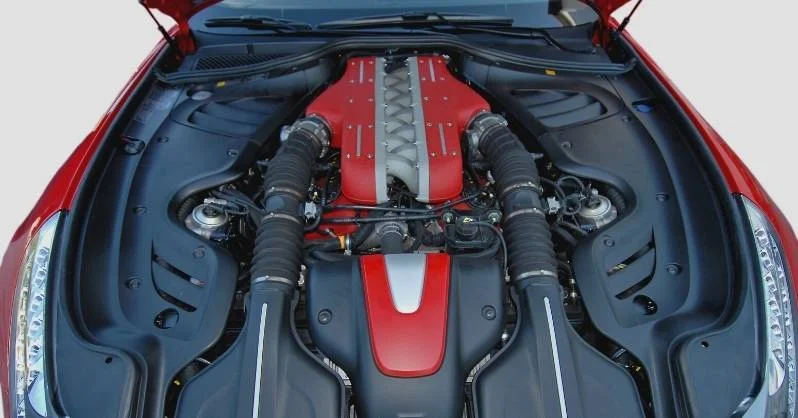
Ever peered under the hood of a luxury car or supercar and seen that mesmerizing V12 engine? It’s a symbol of power, prestige, and unparalleled engineering. But behind that awe-inspiring performance lies a significant question: how much does a V12 engine actually cost? You might be surprised by the figures.
Whether you’re an automotive enthusiast, considering a V12 swap, or simply curious about these magnificent machines, understanding their pricing is crucial. From initial purchase to ongoing maintenance, V12 engines command a premium. Let’s break down what you can expect when diving into the world of twelve-cylinder power.
The Initial Purchase Price: New vs. Used V12 Engines
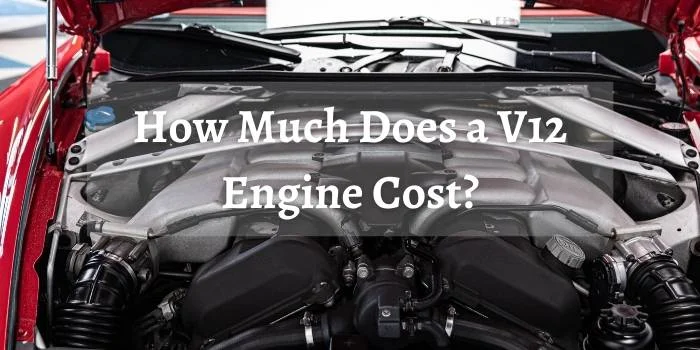
Buying a V12 engine is not like picking up a common four-cylinder unit. You are entering an exclusive market. The price difference between a brand-new V12 and a used one can be astronomical. Understanding these distinctions will help you set realistic expectations for your budget.
Brand New V12s: Exclusivity Comes at a Price
Finding a brand-new, standalone V12 engine for sale is incredibly rare. These are typically only available directly from ultra-luxury or exotic car manufacturers. Think Ferrari, Lamborghini, Rolls-Royce, or Aston Martin. You won’t find them on eBay or Amazon. They are custom-built components, often ordered for specific vehicle replacements.
Expect prices to start well into the six figures. A new V12 engine from a brand like Ferrari could easily run you over $100,000, and sometimes even more than $200,000. These prices reflect bespoke engineering, limited production, and the brand’s immense heritage. It’s a true collector’s item, primarily for owners of very specific high-end vehicles needing an exact replacement.
Navigating the Used V12 Market
The used market offers more options, but prices still vary wildly. You might find a used V12 engine for as low as $5,000 to $10,000 from an older, less desirable luxury sedan (e.g., a BMW 7-series or an older Mercedes-Benz S-Class). However, a low price often hints at high mileage, unknown history, or potential issues. Always investigate thoroughly.
On the higher end, a low-mileage V12 from a more modern or sought-after vehicle (like a recent Aston Martin or a specific Mercedes-AMG model) could easily fetch $20,000 to $50,000. Engines from rarer supercars, even used, can still command upwards of $70,000 to $100,000. Always ask for detailed service records, compression test results, and any available history when buying used.
Factors Influencing V12 Engine Costs
Many elements contribute to the final price tag of a V12 engine. It’s not just about the number of cylinders. Understanding these factors helps you appreciate the true value—and expense—involved. This knowledge will empower you to make more informed decisions.
Rarity and Brand Pedigree
The manufacturer plays a huge role in pricing. Engines from brands like Ferrari, Lamborghini, Bugatti, or Rolls-Royce are inherently more expensive due to their exclusive nature and limited production numbers. These brands build engines with specific designs and materials, adding to their cost. A V12 from a less exotic but still luxurious brand, like an older BMW or Mercedes, will be more affordable. Their production volumes were higher, making parts somewhat easier to find.
Rarity also affects availability. Some V12 engines were only made for a few years or for very limited production runs. When parts become scarce, their prices naturally climb. This is basic supply and demand at play in a very niche market. Consider how many units of that specific engine were originally produced. Fewer units mean higher prices.
Condition, Mileage, and Provenance
Just like with any used part, the engine’s condition and mileage are critical. A V12 with low mileage and documented maintenance history will always be worth more than one with high mileage and unknown past. Look for signs of damage, leaks, or previous repairs. Ask if it’s a “pull-out” from a running car or a “core” for rebuilding.
Provenance, or the engine’s history, also adds value. An engine known to be from a well-maintained vehicle, perhaps even one with a clean accident history, instills confidence. Engines that have been sitting for years, or were removed from crashed vehicles, usually come with a lower price tag but higher risks. Always factor in potential rebuilding costs when evaluating a cheaper, questionable engine. It might seem like a bargain initially, but hidden issues can quickly inflate your total expense.
Beyond the Purchase: Installation, Maintenance, and Running Costs
Buying a V12 engine is just the first step in a long, albeit thrilling, financial journey. The true cost of V12 ownership extends far beyond the initial price tag, encompassing complex installation, specialized maintenance, and significant running expenses.
The Complexities of V12 Installation
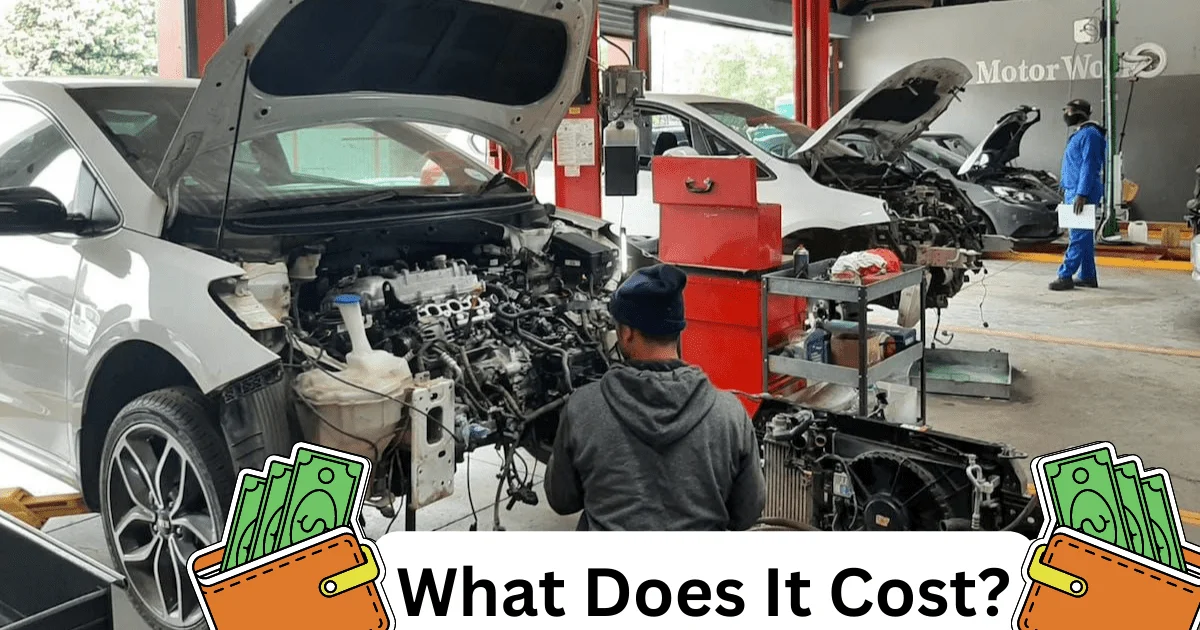
Swapping or installing a V12 engine, especially into a vehicle not originally designed for one, is a monumental task. It requires highly specialized skills, tools, and often extensive modifications to the vehicle’s structure. This isn’t a DIY weekend project for most enthusiasts.
- Engine Bay Modifications: V12s are large, requiring significant alterations to engine mounts, firewall, and even chassis components to fit.
- Exhaust and Cooling Systems: Custom fabrication is often necessary for exhaust headers and pipes, and the cooling system will need upgrading to handle the extra heat.
- Wiring and ECU Integration: Modern V12s come with sophisticated electronics. Integrating the engine’s ECU with the vehicle’s existing systems is a highly specialized job that can involve custom programming.
- Labor Costs: Due to the complexity and time involved, expert labor can easily push installation costs into the $10,000 to $30,000+ range, depending on the car and engine combination.
Ongoing Care and Fuel Consumption
Once installed, a V12 demands meticulous and often expensive upkeep. More cylinders mean more components that can wear out, and their exotic nature means parts and expertise come at a premium.
- Routine Maintenance: An oil change on a V12 might require 10-12 quarts of specialized synthetic oil. Spark plugs, coils, and injectors are all doubled compared to a V6. A standard service could cost anywhere from $1,000 to $3,000.
- Major Services: Timing belt/chain replacements, transmission services, or addressing complex sensor issues can quickly escalate into $5,000 to $15,000+ bills. For instance, removing a cylinder head on some V12s can be an engine-out job.
- Fuel Economy: Let’s be blunt: V12s are thirsty. Expect single-digit or low double-digit MPG figures (e.g., 8-15 MPG) in most driving conditions. Fuel bills can easily be several hundred dollars a month, even with moderate use.
Is a V12 Engine Worth the Investment?
After considering the hefty price tags for purchase, installation, and maintenance, the question naturally arises: is a V12 engine truly worth the investment? The answer largely depends on your priorities, budget, and passion.
The Unmatched Experience and Prestige
For many, the V12 isn’t just an engine; it’s an experience, a status symbol, and a piece of automotive art. There’s an undeniable allure that justifies the cost for dedicated enthusiasts:
- Peerless Smoothness: The inherently balanced design of a V12 delivers an unparalleled level of refinement and power delivery, making for an incredibly smooth ride.
- Iconic Sound: From the refined hum of a Rolls-Royce to the high-pitched wail of a Ferrari, the V12 engine note is truly distinctive and intoxicating.
- Exclusivity and Prestige: Driving a V12 car puts you in a very exclusive club. It’s a statement of engineering prowess and luxury that few other engines can match.
- Collector’s Appeal: Certain V12 engines, especially those from iconic brands, can appreciate in value over time, becoming sought-after collector’s items.
Weighing Practicality Against Passion
While the emotional appeal of a V12 is strong, it’s crucial to approach the decision with a clear understanding of the practical implications. This isn’t a purchase for the faint of heart or the tight of budget.
- Financial Commitment: A V12 requires a substantial financial commitment, not just upfront but throughout its ownership. This includes everything from insurance to specialized tires.
- Complexity and Reliability: While modern V12s are remarkably reliable, their complexity means that when things do go wrong, diagnosis and repair can be intricate and expensive.
- Intended Use: If you’re looking for an economical daily driver, a V12 is clearly not the answer. It’s best suited for grand touring, occasional spirited drives, or as a prized garage queen.
Ultimately, a V12 engine is an investment in passion, performance, and prestige. It’s for those who prioritize the unparalleled driving experience and mechanical artistry over pure financial prudence.
The V12 Verdict: More Than Just a Price Tag
The journey into V12 ownership is undoubtedly a costly one, from the initial engine purchase and complex installation to the ongoing specialized maintenance and fuel demands. Whether you’re eyeing a brand-new Mercedes-Benz V12, a vintage Lamborghini unit, or a crate engine for a unique project, prepare for a significant financial commitment at every turn.
However, for those who appreciate the pinnacle of automotive engineering, the silky-smooth power, and the iconic symphony of twelve cylinders, the V12 offers an unmatched driving experience. It’s more than just an engine; it’s a statement and an indulgence.
If the V12 dream resonates with you:
- Budget Meticulously: Factor in purchase, installation, significant maintenance reserves, and hefty running costs.
- Seek Expert Advice: Consult specialists in V12 engines for informed decisions on sourcing, compatibility, and long-term care.
Embrace the challenge, and you’ll be rewarded with an automotive marvel that truly stands apart.
💬 Quick Questions & Answers
What’s the average cost for a used V12 engine?
A used V12 engine can typically range from $10,000 to $30,000, depending on its condition, mileage, and the specific model.
How much does a new V12 engine cost?
New V12 engines, especially from luxury brands like Ferrari or Lamborghini, can cost $50,000 to well over $100,000.
Are V12 engines expensive to maintain?
Yes, V12 engines are significantly more expensive to maintain due to their complexity, specialized parts, higher labor costs, and increased fluid capacities.
Can I put a V12 engine in any car?
While technically possible with extensive modifications, installing a V12 in a car not designed for it is highly impractical and prohibitively expensive.
Why are V12 engines so expensive?
Their high cost is attributed to complex engineering, precision manufacturing, specialized materials, advanced technology, and limited production volumes.
❓ Frequently Asked Questions
What are the main components driving the high cost of V12 engines?
The cost stems from their intricate design, requiring precision manufacturing for 12 cylinders and associated components. High-performance materials like forged internals and sophisticated electronic management systems also contribute significantly, as does their limited production for high-end vehicles.
How do aftermarket V12 engines compare in cost to OEM units?
Aftermarket V12 engines are rare, with most being refurbished or specialized performance builds rather than mass-produced. They might offer a cost saving over a brand-new OEM unit from a luxury car manufacturer, but custom builds can still be incredibly expensive due to bespoke engineering and labor.
What are the hidden costs associated with a V12 engine swap?
Beyond the engine itself, hidden costs include custom fabrication for engine mounts and exhaust, upgrading the transmission and driveline to handle the power, and integrating complex electronics. Expect significant labor costs for such a specialized and time-consuming project.
Does the brand of the V12 engine significantly impact its price?
Absolutely. V12 engines from prestigious brands like Ferrari, Lamborghini, Rolls-Royce, or Mercedes-AMG command significantly higher prices due to their exclusivity, heritage, and advanced technology. A used BMW or Mercedes V12 might be less expensive than a Ferrari V12, even in similar condition.
What is the expected lifespan of a V12 engine, and how does that affect its value?
With proper maintenance, a V12 engine can last well over 100,000 miles, similar to other high-quality engines. However, their value is less about absolute mileage and more about service history, originality, and the prestige of the vehicle it came from, especially for collector cars.
Are there any specific V12 engines known for being more affordable or costly?
Older BMW M70/M73 V12s (from 750i/850i) or Mercedes M120 V12s (from S600/CL600) can be relatively ‘affordable’ in the used market (e.g., $5,000-$15,000 without accessories). Conversely, modern Ferrari, Lamborghini, or Pagani V12 engines, especially new or remanufactured, can easily exceed $100,000 due to their rarity and performance pedigree.