Scion tC Engine Replacement Cost: What to Expect in 2024
📋 Table of Contents
- 🎯 Key Takeaways
- Understanding Scion tC Engine Replacement Costs: Parts vs. Labor
- Exploring Your Options: New, Remanufactured, and Used Engines
- Key Factors Influencing Your Total Engine Replacement Bill
- Tips for Saving Money and Making an Informed Decision
- Navigating Your Scion tC Engine Replacement
- 💬 Quick Questions & Answers
- ❓ Frequently Asked Questions
Scion tC engine replacement costs can vary significantly, typically ranging from $2,500 to over $6,000 depending on the engine type (new, remanufactured, used) and labor rates. Understanding these factors is crucial for budgeting. Consider getting multiple quotes to find the best value and ensure a quality repair.
🎯 Key Takeaways
- Cost varies significantly by engine type and labor.
- Used engines are cheapest but carry inherent risks.
- Remanufactured engines offer best value with warranty.
- Always obtain multiple quotes from reputable mechanics.
- Factor in diagnostics, fluids, and other potential parts.
Is your beloved replacement-cost” target=”_blank” rel=”noopener noreferrer” title=”Scion tC Engine Replacement Cost Estimate by RepairPal”>engine
specifications”>Scion tC making some unsettling noises, or perhaps it’s stopped running altogether? If you’re facing the tough reality of a major engine issue, you’re likely wondering about the financial hit. An engine replacement can feel like a daunting prospect, especially when you’re unsure of the costs involved.Don’t worry, you’re not alone. Many Scion tC owners eventually reach this crossroads. Understanding the typical expenses for an engine replacement in 2024 is crucial. This detailed guide will break down the costs, explore your options, and help you make an informed decision for your car and your wallet.
Understanding Scion tC Engine Replacement Costs: Parts vs. Labor
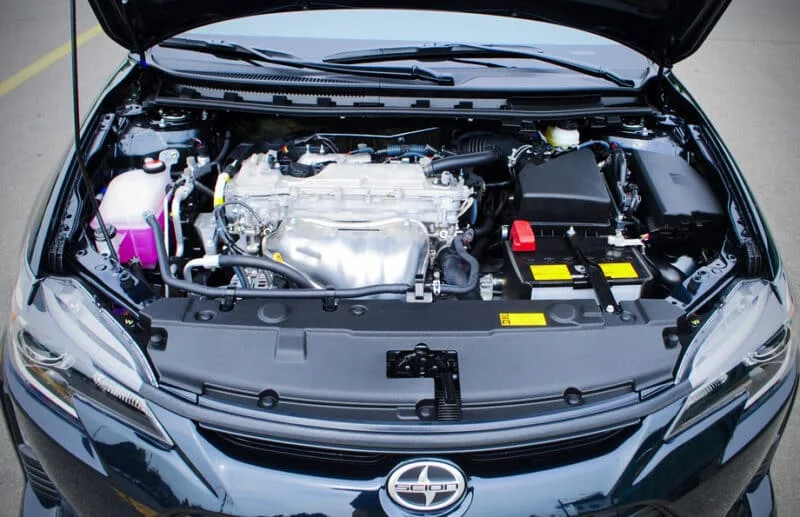
When you’re looking at a complete engine replacement for your Scion tC, the overall cost is essentially split into two major components: the price of the engine itself (parts) and the cost of having it installed (labor). Both factors can vary significantly depending on several variables. Knowing this breakdown helps you anticipate and budget more accurately.
Breaking Down the Price Tag
The “parts” cost isn’t just the engine block. It includes a range of other necessary items. This often covers new gaskets, seals, spark plugs, and various fluids like oil and coolant. Sometimes, additional components like belts or hoses might be recommended for replacement during the swap. For a Scion tC, engine prices can range widely based on its condition and origin, which we’ll discuss more shortly. Labor, on the other hand, is calculated by the mechanic’s hourly rate multiplied by the estimated hours for the job. Engine replacements are complex, time-consuming tasks. They typically require specialized tools and expertise. Expect a significant number of labor hours for a proper, thorough installation.
- Engine Unit: This is the core component. Its price depends on whether it’s new, remanufactured, or used.
- Associated Parts: Gaskets, seals, spark plugs, fluids (oil, coolant, power steering fluid, etc.), oil filter.
- Labor Hours: A standard engine swap for a Scion tC might take anywhere from 12 to 20 hours, sometimes more.
- Shop Hourly Rate: Mechanic rates can range from $90 to $150+ per hour, depending on your location and the shop’s specialization.
Hidden Costs and Unexpected Expenses
Beyond the main engine and labor, there can be other costs that catch owners by surprise. Always ask for a comprehensive quote that details everything. Sometimes, a mechanic might discover worn-out parts that are easier or necessary to replace while the engine is out. These could include engine mounts, certain sensor wires, or even parts of the exhaust system. Diagnostic fees are common, even if you decide not to proceed with the repair. Don’t forget potential towing costs if your car isn’t driveable. Always discuss these possibilities upfront with your mechanic to avoid any last-minute surprises. A good shop will provide a transparent estimate that covers these potential additional expenses.
- Engine Mounts: Often stressed, these are good to replace with a new engine for smoother operation.
- Hoses and Belts: Components like the serpentine belt or radiator hoses might be old and due for replacement.
- Sensors: Oxygen sensors or other engine sensors could be failing or difficult to access later.
- Fluid Flushes: Transmission fluid or power steering fluid might be recommended for a full system refresh.
- Towing: If your Scion tC can’t be driven, factor in the cost to get it to the repair shop.
Exploring Your Options: New, Remanufactured, and Used Engines
When facing an engine replacement, you’re not limited to just one choice. There are typically three main types of replacement engines available for your Scion tC, each with its own advantages, disadvantages, and price point. Understanding these options is key to making the best decision for your budget and how long you plan to keep your vehicle. Your choice significantly impacts both the upfront cost and the long-term reliability of your refreshed tC.
The Pros and Cons of Each Engine Type
The availability and cost will vary greatly based on which type of engine you choose. For a Scion tC, which is no longer a current model, finding a brand new engine from the manufacturer can be rare and very expensive. Most owners will consider remanufactured or used engines. A remanufactured engine is an engine that has been completely disassembled, inspected, cleaned, repaired, and tested to meet or exceed original factory specifications. They often come with a decent warranty, offering a good balance of cost and reliability. A used engine, often sourced from a salvage yard, is the most budget-friendly option. However, it carries the highest risk. Its history, actual mileage, and internal condition are often unknown, making its reliability unpredictable. The warranty, if any, is usually very limited.
- New Engines:
- Pros: Best reliability, longest warranty, peace of mind.
- Cons: Highest cost, often hard to find for older models like the tC.
- Remanufactured Engines:
- Pros: Good balance of cost and reliability, factory-spec rebuild, often comes with a good warranty (e.g., 1-3 years).
- Cons: More expensive than used, still requires professional installation.
- Used Engines:
- Pros: Lowest upfront cost, fastest availability.
- Cons: Highest risk (unknown history, mileage), shortest or no warranty, potential for immediate problems.
Making the Right Choice for Your tC
Deciding which engine type is right for your Scion tC depends on several personal factors. Consider your budget first and foremost. How much are you willing to spend to get your car back on the road? Next, think about how long you plan to keep your tC. If you intend to drive it for many more years, investing in a remanufactured engine with a solid warranty might be the smartest long-term decision. If it’s a temporary fix before upgrading, a carefully vetted used engine could suffice. Always ask your mechanic for their recommendation, especially regarding the reputation of engine suppliers. For used engines, inquire about the donor vehicle’s mileage and any available history. A reputable mechanic will help you weigh the pros and cons honestly. Always prioritize a good warranty, regardless of your choice, to protect your investment.
Key Factors Influencing Your Total Engine Replacement Bill
Understanding the core components of your engine replacement cost goes beyond just the sticker price of the engine itself. Several crucial factors can significantly sway your final bill, sometimes by thousands of dollars.
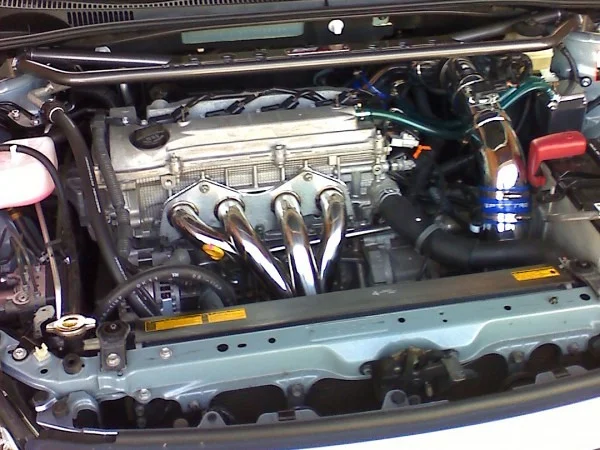
Engine Type and Sourcing
The type of replacement engine you choose is perhaps the biggest cost differentiator. You generally have three main options, each with distinct price points and benefits:
- New Engine: A brand-new engine from Toyota/Scion offers the ultimate peace of mind, pristine condition, and a full manufacturer’s warranty. However, it’s typically the most expensive route, potentially costing upwards of $5,000-$8,000 just for the engine itself.
- Remanufactured Engine: This is an engine that has been completely disassembled, inspected, cleaned, and rebuilt to factory specifications (or better) by a specialized facility. It comes with a warranty (often 1-3 years) and offers a great balance of reliability and cost, usually ranging from $3,000-$6,000.
- Used Engine: Sourced from a junkyard or salvage vehicle, a used engine is the cheapest option, often available for $1,000-$3,000. The risk, however, is significantly higher as its history and exact mileage are often unknown, and warranties are typically limited or non-existent. You might save money upfront but face another failure sooner.
Labor Rates and Shop Selection
Labor costs are a substantial portion of any engine replacement. The hourly rate charged by mechanics can vary widely based on location and the type of repair shop.
- Dealerships: Authorized Scion/Toyota dealerships often have the highest labor rates, usually ranging from $120 to $200+ per hour. They offer specialized technicians and genuine parts, but you’ll pay a premium for it.
- Independent Shops: Local, independent mechanic shops generally have lower hourly rates, typically between $80 and $150 per hour. Many are highly skilled and can provide excellent service at a more competitive price. Always check their reputation and specific experience with engine swaps.
- Geographic Location: Labor rates tend to be higher in major metropolitan areas and regions with a higher cost of living compared to rural areas.
Given that an engine replacement can take anywhere from 15 to 30 hours of labor, a difference of even $20 per hour can add $300-$600 to your total bill.
Tips for Saving Money and Making an Informed Decision
Facing an engine replacement can feel overwhelming, but there are smart strategies you can employ to potentially save money and ensure you make the best choice for your Scion tC.
Get Multiple Quotes
This is perhaps the single most effective tip for managing costs. Don’t settle for the first estimate you receive.
- Gather Information: Be prepared with your vehicle’s exact year, model, engine size (e.g., 2.4L 2AZ-FE), and the specific diagnosis from your initial mechanic.
- Contact Several Shops: Reach out to at least 3-5 reputable independent shops and at least one dealership. Provide them with the same information and request a detailed quote for the engine replacement, specifying the type of engine you’re considering (new, remanufactured, or used if you have a preference).
- Compare “Apples to Apples”: Ensure each quote includes the cost of the engine, labor hours, parts (gaskets, fluids, etc.), and warranty details. If one quote is significantly lower, ask why – they might be cutting corners or using a lower-quality engine.
- Ask for Itemized Breakdown: Request a line-by-line breakdown of costs for parts and labor. This helps you understand where your money is going and compare estimates accurately.
You might be surprised by the range in pricing, even for the same job. A little extra legwork here can yield significant savings.
Don’t Overlook “Hidden” Costs
While the engine and labor are the big-ticket items, several smaller, yet essential, components can add up. Ensure your quote is as comprehensive as possible.
- Fluids: Expect to pay for new engine oil, coolant, and potentially transmission fluid if lines are disconnected.
- Filters: A new oil filter and possibly an air filter are standard during an engine swap.
- Gaskets and Seals: Numerous gaskets and seals (e.g., valve cover, oil pan, intake manifold) will be replaced during the process.
- Accessory Belts and Hoses: It’s smart practice to replace any old or worn accessory belts (serpentine belt) and hoses (radiator hoses) since the engine is out and easily accessible. This prevents premature failure shortly after the swap.
- Spark Plugs: While not always included, consider replacing spark plugs for optimal performance.
- Potential Surprises: Sometimes, mechanics discover other worn components (like a water pump, thermostat, or motor mounts) that are easier and more cost-effective to replace while the engine is out. Discuss with your mechanic what they typically recommend.
A good shop will include most of these “consumables” in their estimate. Always clarify what is and isn’t covered to avoid unexpected additions to your final bill.
Navigating Your Scion tC Engine Replacement
Replacing the engine in your Scion tC is a significant investment, but understanding the costs and factors involved empowers you to make a smart choice. We’ve explored average costs, the impact of engine type and labor rates, and crucial tips for saving money and making an informed decision.
Start by getting a thorough diagnosis of your current engine issue. Then, carefully weigh your options: a new, reliable engine for longevity, a cost-effective remanufactured unit, or a budget-friendly used engine with inherent risks. Always gather multiple, detailed quotes from reputable shops, and don’t forget to account for all potential “hidden” costs.
By being proactive and informed, you can navigate this complex repair with confidence, ensuring your Scion tC gets a new lease on life without breaking the bank.
💬 Quick Questions & Answers
What’s the average cost for a Scion tC engine replacement?
The average cost typically ranges from $2,500 to $6,000, varying based on the engine source (used, remanufactured, new) and labor rates.
How many hours does labor usually take for this job?
Labor for a Scion tC engine replacement typically takes between 10 to 20 hours, depending on the mechanic’s experience and the specific vehicle model year.
Is it better to buy a used or remanufactured engine?
A remanufactured engine often provides better long-term value due to thorough rebuilding and a warranty, while a used engine is cheaper but riskier without a clear history.
What are common signs my Scion tC engine needs replacing?
Common signs include excessive smoke, loud knocking or grinding noises, significant loss of power, metal shavings in the oil, or catastrophic engine failure after overheating.
Does the year of the Scion tC affect replacement cost?
Yes, engine availability and specific components can vary slightly between model years, potentially impacting both parts cost and labor complexity.
❓ Frequently Asked Questions
What specifically influences the wide range in Scion tC engine replacement costs?
The primary factors influencing cost are the type of replacement engine (used, remanufactured, or brand new), the specific engine model (e.g., 2AZ-FE, 2AR-FE), regional labor rates, and whether additional components like mounts, hoses, or sensors also need replacement. New OEM engines are the most expensive, while used engines carry the lowest upfront cost but highest risk.
What are the pros and cons of choosing a used, remanufactured, or new engine for my Scion tC?
A used engine is the cheapest option but comes with unknown history and no warranty, making it risky. A remanufactured engine is a factory-rebuilt unit, offering a good balance of cost and reliability with a warranty, often making it the best value. A new (crate) engine is the most expensive but provides peace of mind with a full factory warranty and maximum longevity, though it’s less common for older vehicles like the tC.
How long should I expect my Scion tC to be in the shop for an engine replacement?
An engine replacement for a Scion tC typically takes 2-5 business days once the engine arrives at the shop. This timeframe accounts for removing the old engine, cleaning the engine bay, installing the new engine, transferring necessary components, and performing post-installation checks and fluid fills. Delays can occur if parts are hard to source or additional issues are discovered.
Beyond the engine itself, what other costs should I budget for during a replacement?
Beyond the engine and labor, you should budget for new fluids (oil, coolant, power steering fluid, transmission fluid), new spark plugs, potentially new engine mounts, drive belts, hoses, and gaskets. A thorough diagnostic check before and after installation is also common. Sometimes, an ailing catalytic converter or exhaust components might also be recommended for replacement during this major service.
Should I consider selling my Scion tC for scrap or parting it out instead of replacing the engine?
The decision to repair or sell depends on the vehicle’s overall condition, mileage, and current market value versus the replacement cost. If the car is in excellent shape otherwise and the replacement cost is less than half its market value, repair is often sensible. If the vehicle has many other issues or high mileage, selling it as-is or for parts might be a more financially sound option.
What kind of warranty can I expect on a replaced Scion tC engine?
Warranties vary significantly by engine type and supplier. New OEM engines come with a manufacturer’s warranty, typically 3 years/36,000 miles. Remanufactured engines often have a 1-3 year unlimited mileage warranty from the rebuilder. Used engines usually come with a very limited 30-90 day warranty, if any, covering only major mechanical failure and not labor.