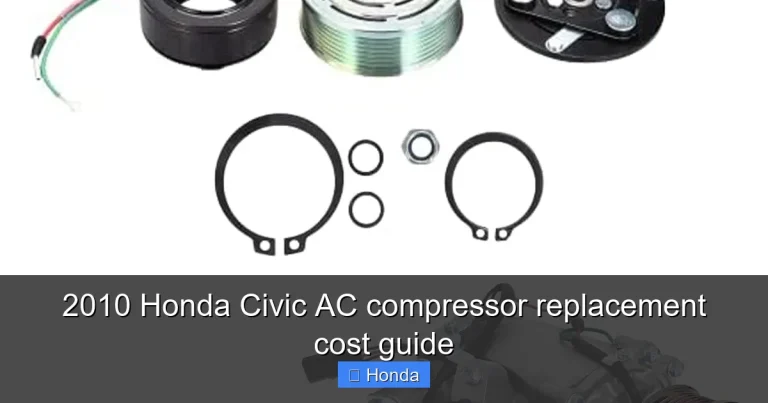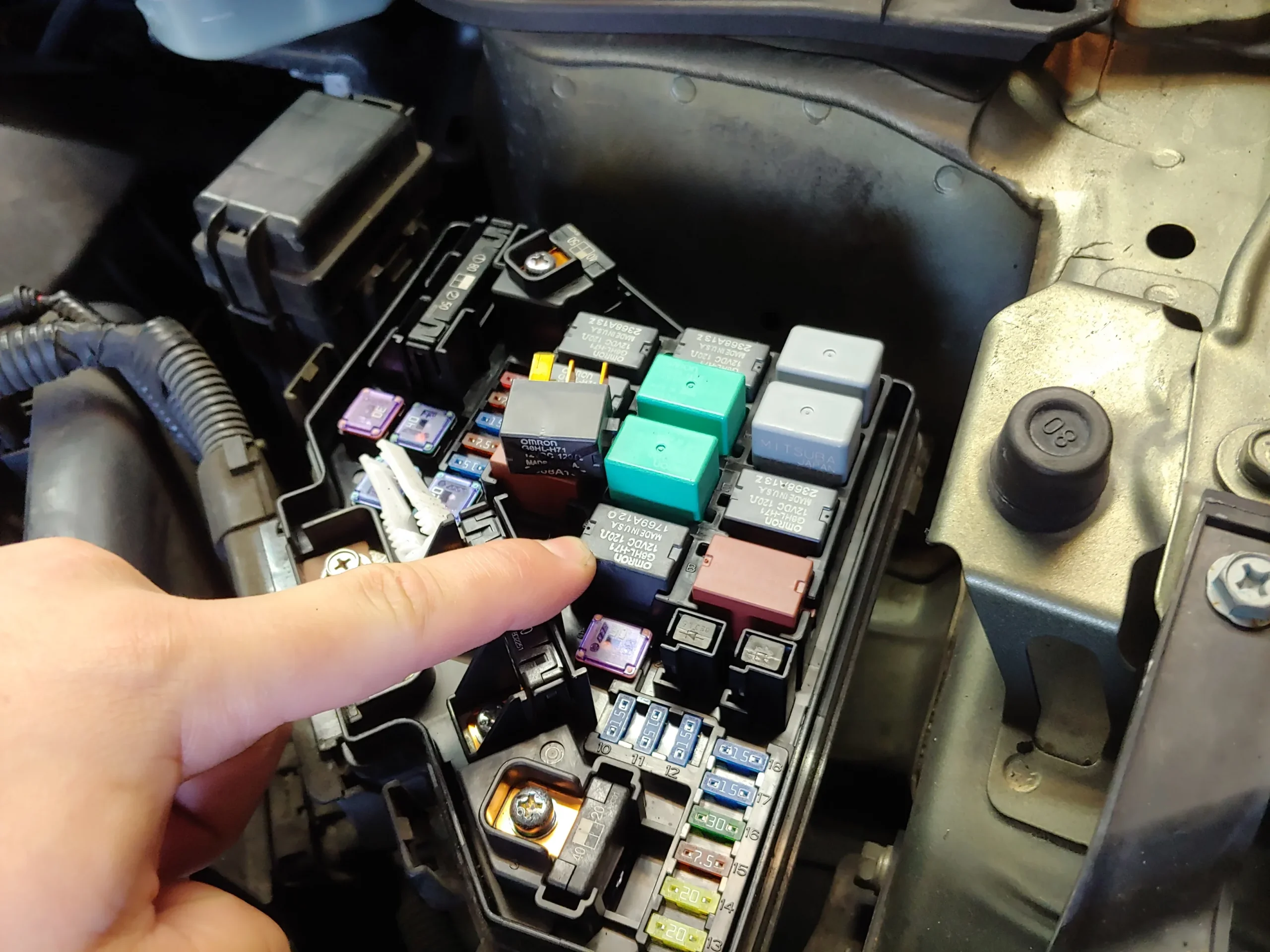
2008 Honda CRV AC Compressor Replacement Cost Guide
📋 Table of Contents
Replacing the AC compressor in a 2008 Honda CRV can vary significantly in cost, typically ranging from $700 to $1500+ depending on whether you opt for professional service or a DIY approach. Factors like parts quality and labor rates greatly influence the final price, making informed decisions crucial for staying within budget and getting your AC back.
🎯 Key Takeaways
- Expect $700-$1500+ for professional replacement.
- DIY saves labor, but requires specific tools.
- Choose new or remanufactured compressors wisely.
- System flush and receiver-drier replacement are vital.
- Always compare quotes from several mechanics.
Imagine this: It’s the peak of summer. The sun is blazing down, and you climb into your trusty 2008 Honda CRV. You expect a blast of refreshing cool air. Instead, you’re met with a weak, warm breeze, or perhaps no air at all. This familiar scenario often points to a failing AC compressor.
Your vehicle’s air conditioning system is crucial for comfort, especially in warmer climates. A working AC also adds to your car’s resale value. When your 2008 Honda CRV’s AC compressor gives up, you need to address it quickly. Understanding the replacement costs involved can help you make an informed decision. This guide will break down everything you need to know about fixing your AC.
Understanding 2008 Honda CRV AC Compressor Replacement Costs
Replacing the AC compressor on your 2008 Honda CRV involves several cost factors. These elements combine to form your total expense. It is not just about the compressor itself. You also need to consider other parts and the labor involved. Knowing these details upfront can save you stress and money.
Factors Affecting Compressor Costs
Many things can influence the price of your new AC compressor. The type of part you choose is a major factor. You can opt for a brand-new original equipment manufacturer (OEM) part. These parts come directly from Honda or a certified supplier. They offer the best fit and often a good warranty. However, they are also the most expensive option.
Aftermarket compressors are another choice. These are made by third-party manufacturers. They can be significantly cheaper than OEM parts. Quality can vary, so research is key. Some aftermarket brands are very reliable, while others might not last as long. You might also find rebuilt or remanufactured compressors. These are used units that have been repaired and tested. They offer a middle ground in terms of cost and reliability. Your geographic location also plays a role. Parts and labor costs can differ across states or even within the same city.
Average Part Costs for Your CRV
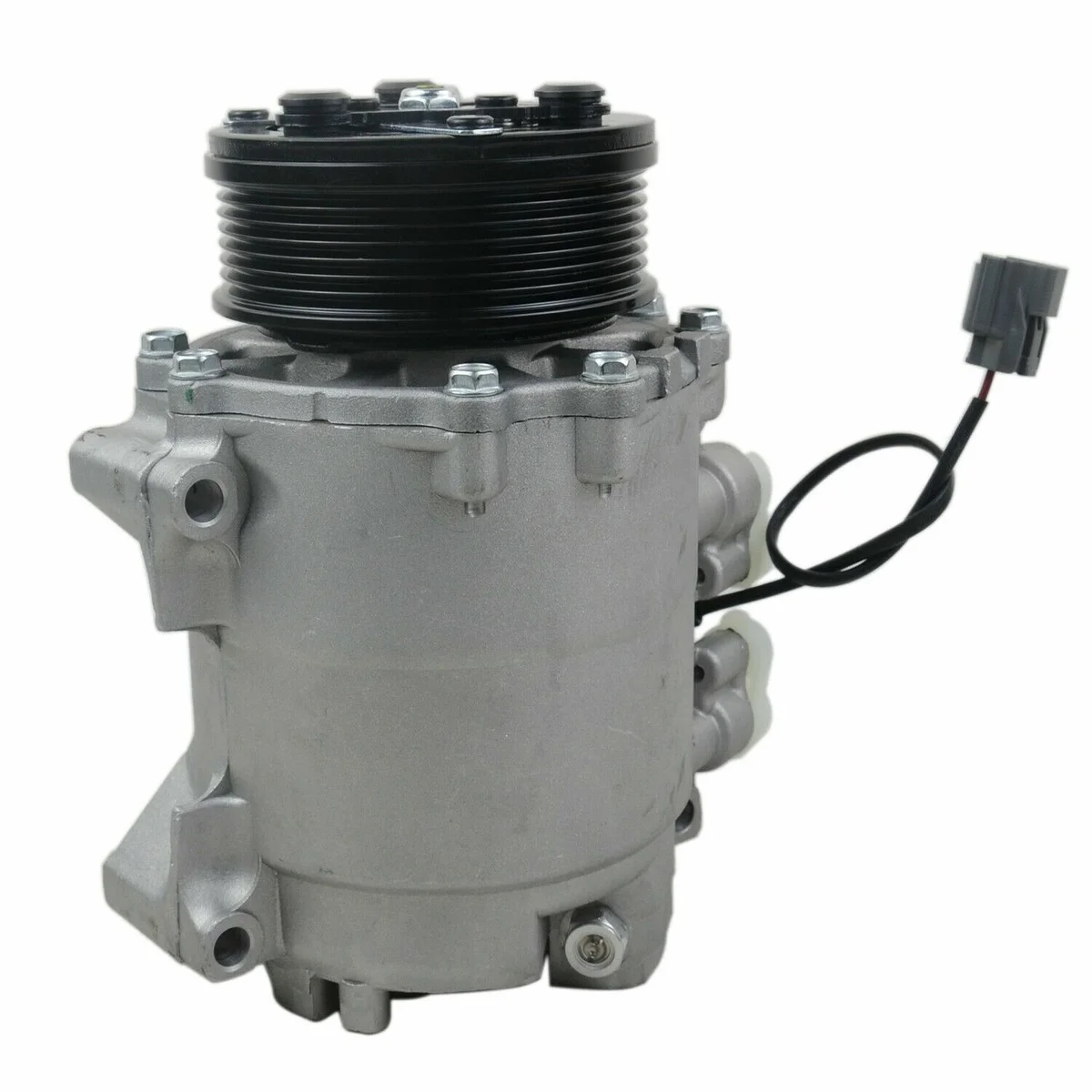
Let’s look at the typical price ranges for the parts you will need. A new OEM AC compressor for your 2008 Honda CRV usually costs between $400 and $700. This is just for the compressor unit. Aftermarket compressors typically range from $200 to $450. Rebuilt units might cost anywhere from $150 to $350. Remember, these are estimates and prices can change.
Beyond the compressor, other components are essential for a complete and correct replacement. You will likely need a new AC drier or accumulator. This part removes moisture from the system. It usually costs between $30 and $70. New O-rings and seals are also necessary to prevent leaks. These are generally inexpensive, perhaps $10 to $20. You will also need PAG oil (a special lubricant for the AC system) and refrigerant (R-134a). These can add another $50 to $100 to your parts bill. It’s vital to replace these secondary parts to ensure your new compressor lasts.
DIY vs. Professional Replacement: Cost & Complexity
When faced with an AC compressor replacement, you have two main paths. You can tackle the job yourself, or you can hire a professional mechanic. Both options have distinct advantages and disadvantages. Your decision will depend on your budget, your mechanical skills, and the tools you have available. It’s important to weigh these factors carefully before you begin.
The DIY Route: Savings & Challenges
Choosing to replace the AC compressor yourself can lead to significant cost savings. You avoid paying for labor, which is often a large portion of the total bill. Your primary expense will be the cost of the parts. This can certainly feel like a win for your wallet. However, a DIY replacement is not a simple task for every car owner. It requires specific knowledge and tools.
You will need specialized tools for this job. These include a vacuum pump to evacuate the system. You will also need a manifold gauge set to measure pressure and accurately charge the system. A torque wrench is also crucial for tightening fasteners correctly. Handling refrigerants requires care. Improper handling can damage your AC system or even cause injury. You risk incorrect installation if you lack experience. An improperly installed compressor can quickly fail. This would lead to more expenses down the road. For a DIY approach, expect to spend on parts (compressor, drier, O-rings, oil, refrigerant) in the range of $300 to $700. This assumes you already own the necessary tools or can rent them cheaply.
Opting for Professional Service: Peace of Mind & Expertise
Hiring a professional mechanic offers many benefits. They have the right tools and equipment. Mechanics possess the experience and expertise to perform the job correctly. They understand the intricacies of AC systems. This means they can diagnose issues accurately and avoid common mistakes. Most professional repairs come with a warranty on both parts and labor. This provides peace of mind. If something goes wrong shortly after the repair, you are covered.
The cost for professional labor varies. It depends on the shop’s hourly rate and the complexity of the job. For a 2008 Honda CRV AC compressor replacement, labor typically ranges from $200 to $500. This estimate usually includes evacuating the old refrigerant, installing the new components, and properly recharging the system. Some shops might offer a fixed price for the entire job. Combining parts and labor, a professional replacement often costs between $600 and $1200. While this is more expensive than DIY, it ensures the job is done right. You get expert service and a reliable repair.
Key Factors Influencing Your Total Replacement Bill
Understanding the variables that influence your final AC compressor replacement cost is crucial for managing your budget. Not all repairs are created equal, and your choices here can significantly impact both price and long-term reliability.
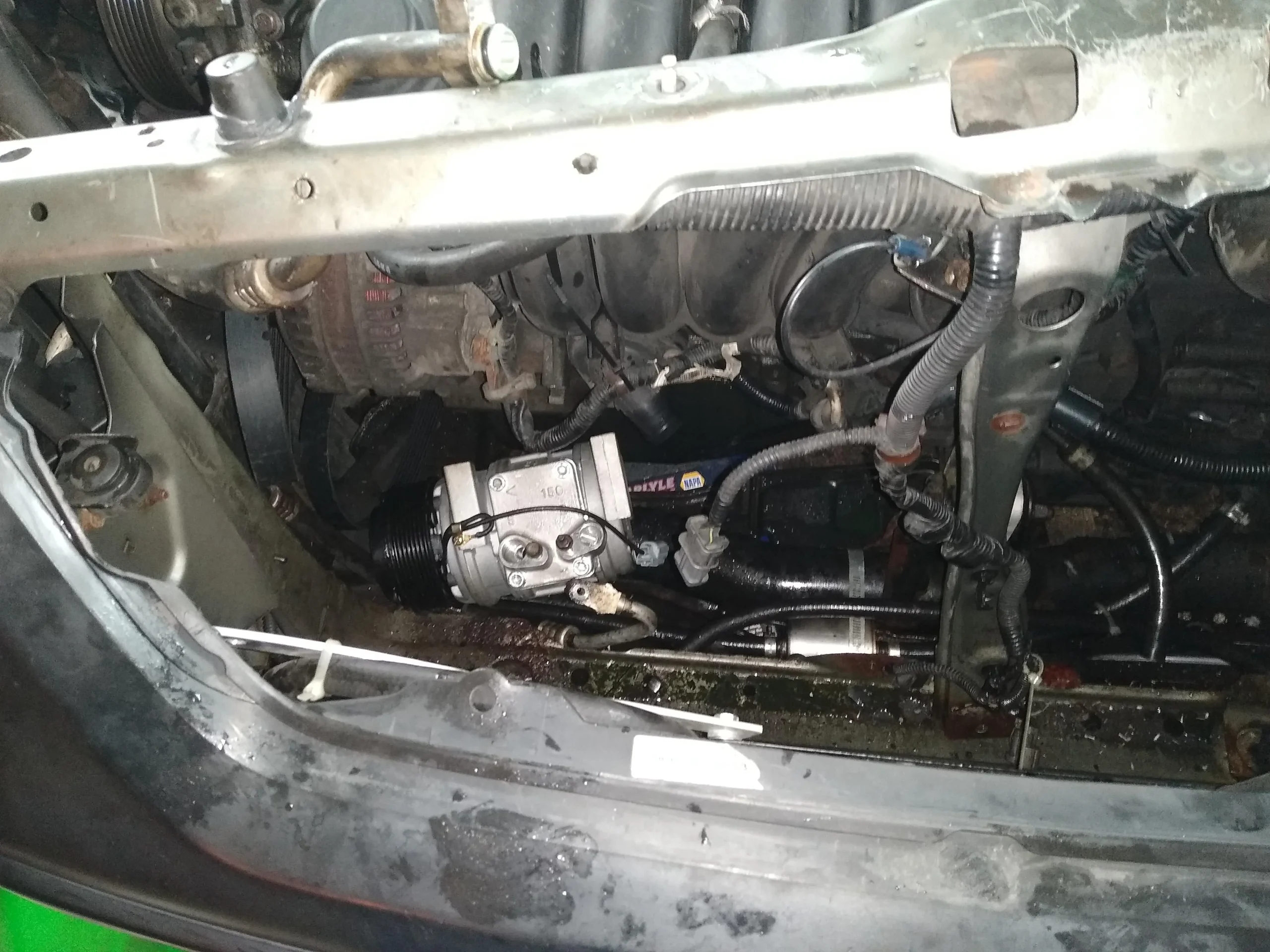
Parts Quality: OEM vs. Aftermarket vs. Remanufactured
The type of AC compressor you choose for your 2008 CRV is perhaps the biggest cost differentiator. You generally have three options:
- OEM (Original Equipment Manufacturer): These are genuine Honda parts, identical to what came in your CRV from the factory. They offer the best fit, performance, and reliability, often backed by a comprehensive warranty. However, they are also the most expensive, typically ranging from $400 to $800 or more for the part alone.
- Aftermarket: Manufactured by third-party companies (e.g., Denso, Four Seasons, AC Delco). These can be significantly cheaper, often between $250 and $550. Quality can vary widely; some aftermarket brands are excellent and nearly match OEM, while others may have shorter lifespans or fitment issues. Always research the brand and look for good warranties.
- Remanufactured: These are original compressors that have been rebuilt to factory specifications. They offer a good balance of cost and reliability, usually priced from $200 to $400. They are an eco-friendly option and often come with a decent warranty, making them a popular choice for budget-conscious owners.
Beyond the compressor itself, other components like the receiver/dryer (accumulator), expansion valve, and refrigerant also have varying price points based on their brand and quality.
Labor Rates: Independent Shops vs. Dealerships
Where you get the work done will also significantly affect your labor costs. Labor rates vary widely by geographic region and type of repair facility:
- Honda Dealerships: Typically charge the highest hourly rates, ranging from $120 to $180+ per hour. They use genuine Honda parts (unless specified otherwise) and specialized technicians. While costly, you often get peace of mind with their expertise and warranties on parts and labor.
- Independent Mechanics: Local shops often have lower overheads, translating to more competitive hourly rates, usually between $80 and $130 per hour. Many independent shops specialize in Honda vehicles and have highly experienced technicians. They can also offer a wider choice of parts (OEM, aftermarket, remanufactured) to fit your budget.
- Mobile Mechanics: Some areas have mobile services that can come to you. Their rates can be comparable to independent shops or slightly higher due to convenience, but they save you towing costs if your AC is completely out.
Always get a detailed quote from at least two different establishments. Remember that the “book time” for this repair on a 2008 CRV is typically 3-5 hours, regardless of the shop.
Recognizing AC Issues and Ensuring a Lasting Repair
Catching AC problems early can sometimes prevent more extensive damage. Once you decide to proceed with a replacement, ensuring a comprehensive repair is key to avoiding repeat issues.
Common Symptoms of a Failing AC Compressor
Don’t wait until you’re sweating through rush hour. Keep an eye (or ear) out for these tell-tale signs that your 2008 Honda CRV’s AC compressor might be giving up:
- Warm Air from Vents: This is the most obvious sign. If your AC blows air that’s barely cooler than outside, or outright warm, the compressor might not be engaging or compressing refrigerant effectively.
- Loud Noises When AC is On: Listen for grinding, rattling, clunking, or squealing sounds coming from under the hood, especially when the AC is activated. This often indicates internal wear in the compressor’s bearings or clutch.
- AC Clutch Not Engaging: When you turn on your AC, you should hear a distinct “click” as the clutch engages the compressor. If you don’t hear it, or if the clutch spins erratically, the compressor or its clutch assembly could be faulty.
- Visible Fluid Leaks: While not always the compressor, fluid leaks near the compressor or other AC components can signify a problem, potentially related to seals or refrigerant.
- AC Works Intermittently: Your AC might work perfectly one day and fail completely the next, or only work for short periods. This could indicate an electrical issue with the compressor clutch or an internal fault.
Any of these symptoms warrant a professional diagnostic immediately to pinpoint the exact cause.
Steps for a Comprehensive and Lasting AC Repair
A simple compressor swap isn’t always enough. For a lasting repair, especially for a 2008 CRV that has seen over a decade of use, a thorough approach is essential. Here’s what a good shop should do:
- Thorough Diagnostic: Before anything, the technician should confirm the compressor is the sole issue, ruling out other electrical or system pressure problems.
- Compressor Replacement: Install the new or remanufactured compressor. Ensure quality O-rings and seals are used.
- Receiver/Dryer (Accumulator) Replacement: This component absorbs moisture and filters debris. It must be replaced whenever the AC system is opened to the atmosphere to prevent future issues and ensure system longevity.
- Expansion Valve/Orifice Tube Inspection/Replacement: These regulate refrigerant flow. If the old compressor failed internally, debris might clog them. Many shops recommend replacing these as a preventative measure.
- System Flush: Crucial if the old compressor “grenaded” internally, sending metal shavings throughout the system. Flushing cleans out contaminants that could damage the new compressor.
- Vacuum the System: A deep vacuum removes all air and moisture from the lines, preventing corrosion and ensuring proper refrigerant performance.
- Proper Refrigerant Recharge: Fill the system with the exact amount of specified R-134a refrigerant and PAG oil according to Honda’s specifications. Too much or too little can cause problems.
- Leak Detection and Performance Test: After recharge, the system should be leak-checked and run to ensure it cools properly and pressures are within spec.
Never skip steps like replacing the receiver/dryer or flushing, as this is a common reason for early failure of a new compressor.
Conclusion
Replacing your 2008 Honda CRV’s AC compressor is a significant investment, often ranging from $700 to $1,500+. The final cost hinges on the quality of parts chosen, the labor rates of your mechanic, and the necessity of replacing additional components like the receiver/dryer and expansion valve for a complete and lasting repair. Don’t let the thought of a big bill leave you sweltering. Get multiple detailed quotes, ask about warranties, and ensure your chosen shop follows a comprehensive repair procedure. A properly functioning AC system is not just a luxury; it’s essential for comfort and safety. Invest wisely, and enjoy many more years of cool, comfortable driving in your reliable CRV!
💬 Quick Questions & Answers
What is the typical cost for a 2008 Honda CRV AC compressor replacement?
Expect to pay between $700 and $1500+ for parts and labor, with costs varying by location and part quality.
Is replacing the AC compressor on a 2008 CRV a DIY job?
While possible for experienced DIYers, it requires special tools (like a vacuum pump) and knowledge of refrigerant handling.
What other parts are usually replaced with the AC compressor?
The receiver-drier and often the expansion valve should be replaced to ensure system integrity and longevity.
How long does a 2008 Honda CRV AC compressor replacement take?
A professional replacement typically takes 3-5 hours, not including system evacuation and recharge time.
Why is a Honda CRV AC compressor replacement so expensive?
The cost stems from expensive parts, specialized labor, and the need for refrigerant handling and system recharging.
❓ Frequently Asked Questions
What exactly makes up the total cost of a 2008 Honda CRV AC compressor replacement?
The total cost primarily comprises the compressor part itself (ranging from $200-$600+), labor fees (typically 3-5 hours at $75-$150/hour), and auxiliary parts like the receiver-drier, expansion valve, and refrigerant. These components are essential for a complete and effective repair.
What are the common signs that my 2008 Honda CRV’s AC compressor is failing?
Common indicators include warm air blowing from the vents, loud grinding or squealing noises when the AC is on, a seized clutch that doesn’t engage, or visible leaks near the compressor unit. Early diagnosis can prevent further system damage.
Should I choose a new or remanufactured AC compressor for my 2008 Honda CRV?
A new compressor offers maximum reliability and a longer warranty, but at a higher price. Remanufactured compressors are a more budget-friendly option, often coming with a decent warranty, provided they are sourced from reputable rebuilders.
What happens if I don’t replace the receiver-drier and expansion valve with the compressor?
Failing to replace these crucial components can lead to premature failure of the new compressor. The old drier might contain contaminants or moisture, and a clogged expansion valve can cause improper refrigerant flow, jeopardizing the entire AC system.
Are there ways to reduce the overall cost of a 2008 Honda CRV AC compressor replacement?
To save money, consider getting multiple quotes from different mechanics, researching reputable remanufactured compressor options, and if you’re mechanically inclined, handling the labor yourself (though special tools are required). Some shops offer bundle deals for parts and labor.
What kind of warranty should I expect on a new or remanufactured AC compressor?
New compressors typically come with a 1-3 year warranty on the part itself, sometimes including labor if installed professionally. Remanufactured units often have a shorter 6-12 month warranty, so always clarify warranty terms before purchase or installation.