Windshield wiper fluid leak cost and repair guide
Fixing a windshield wiper fluid leak typically costs between $50 and $200, depending on whether you’re replacing a simple hose or a cracked reservoir. Understanding what’s leaking—hoses, nozzles, pump, or tank—helps you estimate repair costs accurately and decide if it’s a quick DIY job or worth a professional visit to avoid bigger issues with visibility and safety on the road.
Windshield wiper fluid leak cost and repair guide
If you’ve ever gone to clean your windshield and nothing came out, you know how annoying it is. You pull the stalk. You hear the pump buzz. But the glass stays dirty. Then you look under the car and see a small blue puddle. Yep… that is likely a windshield wiper fluid leak.
The good news? A washer leak is usually not dangerous. The bad news? It can be messy, and it can fail at the worst time, like on a salty winter road or a dusty highway. Many drivers worry that the windshield wiper fluid leak cost will be high, or that they’ll get upsold on extra work at the shop.
This guide breaks everything down in simple language. We’ll look at common causes, real-world repair prices, and when you can fix it yourself. By the end, you’ll know what to expect before you walk into a repair shop or open your toolbox.
Key Takeaways
- Most windshield washer leaks are inexpensive: many fixes cost $50–$150 for parts and labor.
- DIY repairs can cut costs: replacing hoses or grommets yourself often stays under $30 in materials.
- Reservoir replacement is pricier: cracked tanks usually run $100–$250 depending on vehicle and access.
- Diagnose before spending: confirm the leak source to avoid paying for unnecessary parts or labor.
- Ignoring leaks raises long-term costs: fluid loss can damage pumps, adding $75–$200 to repair bills.
- Labor time drives price: hard-to-reach reservoirs or pumps significantly increase shop estimates.
- Compare shop quotes: get multiple estimates and ask for a parts-and-labor breakdown to control costs.
Quick Answers to Common Questions
How much does it usually cost to fix a windshield wiper fluid leak?
The average windshield wiper fluid leak cost ranges from $50 to $200, depending on whether it’s just a loose hose or a cracked reservoir that needs replacement.
What factors affect windshield wiper fluid leak cost?
Windshield wiper fluid leak cost depends on the damaged part (hose, pump, or reservoir), your vehicle’s make and model, and local labor rates at the repair shop.
Is it cheaper to repair or replace parts causing a windshield wiper fluid leak?
For minor hose or clamp issues, repair is usually cheaper, but if the reservoir or pump is cracked, the windshield wiper fluid leak cost often comes from full part replacement.
Can I drive with a windshield wiper fluid leak instead of fixing it?
You can technically drive, but ignoring the problem can be unsafe in bad weather, and the eventual windshield wiper fluid leak cost may rise if more components get damaged.
Can I fix a windshield wiper fluid leak myself to save money?
Yes, simple hose or nozzle issues can be DIY fixes that cut your windshield wiper fluid leak cost, but pump or reservoir problems are usually better handled by a mechanic.
📑 Table of Contents
- What causes a windshield wiper fluid leak?
- How to diagnose a windshield washer leak at home
- Windshield wiper fluid leak cost: typical price ranges
- DIY vs professional repair: what makes sense?
- Step-by-step: basic DIY fixes for washer leaks
- How to prevent future washer fluid leaks
- Conclusion: keeping your view clear without breaking the bank
What causes a windshield wiper fluid leak?
Most common leak points
There are only a few parts in the washer system. That means there are only a few places where it can leak. Here are the usual suspects:
- Washer fluid reservoir – The plastic tank that holds the fluid can crack or split.
- Rubber hoses – Small hoses carry fluid from the tank to the nozzles. They can dry out or break.
- Washer pump – This small electric pump sits in or on the tank. The seals can leak, or the housing can crack.
- Grommets and seals – Rubber grommets seal where the pump or hoses go into the tank.
- Spray nozzles – The jets at the base of the windshield can leak at the base or crack.
- Rear washer line (on hatchbacks/SUVs) – A long hose runs through the car body to the rear window. It can pop off or split.
Why they start leaking
Leaks rarely happen out of nowhere. A few simple things cause most issues:
- Age and heat – Plastic and rubber get brittle over time, especially under a hot hood.
- Freezing fluid – Plain water or summer-only fluid can freeze in winter and crack the tank or lines.
- Accidents or bumps – A front-end bump, curb hit, or even rough off-roading can damage the reservoir.
- Improper fluid – Using harsh chemicals or mixing odd cleaners can damage seals and hoses.
- Rodents – In some areas, mice chew on hoses and wiring under the hood.
Quick signs you have a washer leak
Here is how you can tell you likely have a windshield washer fluid leak:
- You fill the tank, and it is empty again in a day or two.
- You see blue, green, or orange liquid under the front of the car.
- You hear the pump running, but no fluid reaches the glass.
- You smell the washer fluid near the front of the car after you try to spray.
- On SUVs, you may see wet spots on the headliner or inside panels if the rear line leaks.
Once you know what might be leaking, it is easier to understand the windshield wiper fluid leak cost and which repair path makes sense for you.
How to diagnose a windshield washer leak at home
Simple test to find the leak area
You do not need fancy tools to get a rough idea of where the leak is. Try this:
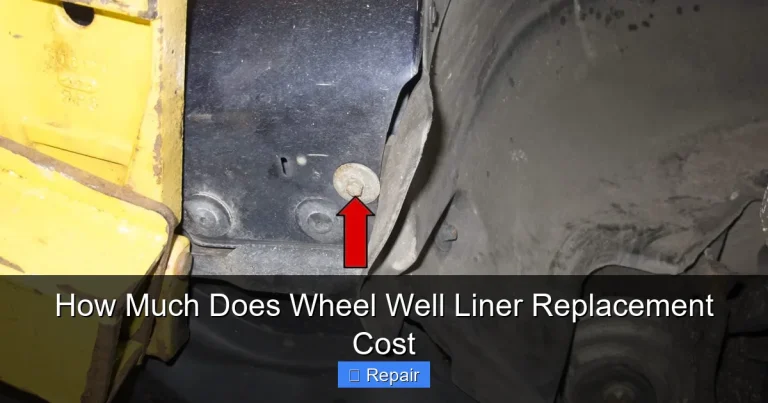
Visual guide about windshield wiper fluid leak cost
Image source: bryansgarage.com
- Park on a dry, level surface.
- Fill the washer reservoir to the top with fluid.
- Wait 10–15 minutes and look under the car.
- Check for drips around the front bumper and under the engine bay.
If it leaks right away without you pressing the stalk, the tank, grommet, or a low hose is likely cracked. If it only leaks when you try to spray, the leak may be higher up, like a hose near the hood or a nozzle.
Use a flashlight and your hands
Pop the hood and do a quick check:
- Find the washer tank. It is usually white or translucent plastic with a blue or black cap.
- Shine a light along the sides and bottom. Look for wet spots or hairline cracks.
- Run your fingers along the hoses you can reach. Feel for wet or sticky spots.
- Have someone sit in the car and pull the washer stalk while you watch the hoses and pump.
Sometimes you will see a little spray or drip right where a hose has slipped off or split. That is often a cheap fix.
Special case: rear washer leaks
On hatchbacks, minivans, and SUVs, the rear washer line can leak inside the car. Signs include:
- Damp headliner near the rear of the roof.
- Wet carpet in the cargo area.
- Washer fluid smell inside the vehicle.
The line often disconnects at a joint inside the tailgate or near the roof. The repair may be simple, but reaching it can take time, which affects the windshield wiper fluid leak cost if you pay a shop.
Windshield wiper fluid leak cost: typical price ranges
Average repair costs by part
The total windshield wiper fluid leak cost depends on what failed and how hard it is to reach. Here is a general breakdown for typical cars in a repair shop (parts + labor):
| Component / Repair | Typical Parts Cost (USD) | Typical Labor Cost (USD) | Estimated Total Cost Range (USD) | DIY Difficulty (1 = easy, 5 = hard) |
|---|---|---|---|---|
| Washer fluid reservoir replacement | $30 – $120 | $70 – $200 | $100 – $320 | 3–4 |
| Washer pump replacement | $20 – $70 | $50 – $150 | $70 – $220 | 2–3 |
| Hose or line repair (front) | $5 – $30 | $40 – $120 | $45 – $150 | 1–2 |
| Rear washer line repair | $10 – $60 | $80 – $250 | $90 – $310 | 3–4 |
| Nozzle replacement (each) | $5 – $40 | $30 – $80 | $35 – $120 | 1–2 |
| Grommet / seal replacement | $3 – $15 | $30 – $80 | $33 – $95 | 1–2 |
These numbers are rough ranges. Luxury or rare vehicles can be higher, especially if the bumper or wheel well has to come off to reach the tank.
Shop vs DIY windshield washer leak cost
If you are handy, the windshield wiper fluid leak cost can drop a lot. Many fixes are more about time and patience than special skill.
- DIY small hose fix – A few dollars in hose and clamps, plus 30–60 minutes of your time.
- DIY pump replacement – Often under $50 for the part. Many cars let you swap it from above or below with basic tools.
- DIY reservoir swap – $50–$150 in parts, but may take 1–3 hours and some crawling under the car.
Paying a shop means you save time and avoid the hassle. But you will pay their hourly rate, which is often $80–$150 per hour in many areas.
Real-world example scenarios
Here are a few real-world style examples to give you a feel for the windshield wiper fluid leak cost:
- Example 1: Cracked reservoir on a compact car
Driver notices a big blue puddle after every fill. Shop finds a cracked tank. Part is $65, labor is $110. Total: about $175. - Example 2: Loose hose on a mid-size sedan
Fluid drips only when spraying. Tech finds a hose slipped off a nozzle. They reattach and secure it. Quick job: $40–$60, sometimes even free if you are already in for other work. - Example 3: Rear washer line leak on an SUV
Rear headliner is damp. Line popped off near the tailgate hinge. Parts are $20, but labor is 2 hours to pull panels and refit. Total: around $200–$260.
DIY vs professional repair: what makes sense?
When DIY is a good idea
Doing it yourself can keep the windshield wiper fluid leak cost very low. DIY is a good option if:
- You are comfortable removing simple trim pieces or splash shields.
- You have basic hand tools and a safe way to lift the car if needed.
- You have clear access to the leaking part (you can see the leak point).
- The car is older and you want to keep costs down.
Good beginner DIY jobs include:
- Replacing a short section of cracked hose.
- Swapping a washer nozzle that snapped off.
- Replacing the rubber grommet under the pump.
When to go to a repair shop
Sometimes it is smarter to pay a pro, even if you like to tinker. Consider a shop if:
- The reservoir is buried behind the bumper or fender.
- The leak is inside the cabin or roof area (rear washer lines).
- You are not sure if the leak is washer fluid or another fluid (coolant, brake fluid, etc.).
- You do not have a safe place or tools to work on the car.
In these cases, the extra labor cost may be worth the peace of mind. Plus, most shops will give you a warranty on parts and labor.
How to talk to your mechanic about costs
To keep the windshield wiper fluid leak cost under control, it helps to be clear when you talk to the shop. A few tips:
- Describe the symptoms – “Fluid drains out overnight” or “Only leaks when I spray.”
- Ask for a diagnosis first – Many shops charge a small fee to find the leak, then quote the repair.
- Request an itemized estimate – Ask them to list parts, labor hours, and shop fees.
- Ask if there are options – For older cars, an aftermarket tank or used part may be cheaper than OEM.
Being clear and calm helps you avoid surprises, and it lets you compare quotes if needed.
Step-by-step: basic DIY fixes for washer leaks
Safety first
Before you start:
- Park on a flat surface and set the parking brake.
- Turn the engine off and remove the key.
- If you need to go under the car, use proper jack stands, not just the jack.
- Wear gloves and eye protection if you are working under the car.
Fixing a leaking washer hose
This is one of the easiest ways to cut your windshield wiper fluid leak cost:
- Find the leaking hose section. Look for cracks, splits, or loose ends.
- Cut out the damaged part using a sharp knife or scissors.
- Use a small plastic hose connector (barbed fitting) to join the two good ends.
- Push the hose fully onto the connector and secure with small clamps if needed.
- Refill the tank and test for leaks.
Many auto parts stores sell universal washer hose and connectors for just a few dollars.
Replacing a washer pump and grommet
If the leak is at the base of the pump where it goes into the tank, the rubber grommet or the pump itself may be bad.
- Drain the tank if possible, or be ready with a catch pan.
- Unplug the electrical connector from the pump.
- Pull the pump straight out of the tank. It may need a gentle twist.
- Remove the old grommet from the tank opening.
- Clean the opening and install the new grommet.
- Push the new (or cleaned) pump into the grommet until it seats fully.
- Reconnect the wiring and hoses.
- Refill the tank and test for leaks and spray function.
This repair can often be done in under an hour, saving a big chunk of the windshield wiper fluid leak cost.
Dealing with a cracked reservoir
A cracked tank is trickier. You have two main choices:
- Replace the reservoir – Best long-term fix.
- Temporary patch – Using plastic epoxy or sealant as a short-term fix.
To replace the reservoir:
- Remove any covers, splash shields, or the wheel (if needed) to access the tank.
- Disconnect the pump connector and hoses.
- Unbolt the tank from the body.
- Install the new tank, then reconnect the pump and hoses.
- Reinstall shields and covers, refill, and test.
A patch can work if the crack is small and in an easy-to-reach spot. But it may not last long, especially in extreme heat or cold.
How to prevent future washer fluid leaks
Use the right washer fluid
The easiest way to avoid another windshield wiper fluid leak cost is to treat the system kindly:
- Use proper windshield washer fluid, not plain water.
- In cold climates, pick a winter formula rated for your lowest temps.
- Avoid mixing random cleaners or household chemicals into the tank.
Proper fluid helps prevent freezing and protects rubber seals and hoses.
Check the system during routine maintenance
Make washer checks part of your normal car routine:
- Every oil change, top off the washer fluid and look for damp spots.
- Inspect visible hoses for cracks or stiffness.
- Test both front and rear washers, plus headlight washers if you have them.
Catching a small drip early can keep the windshield wiper fluid leak cost down to a few dollars instead of a full tank replacement.
Protect against heat and rodents
Two quiet killers of washer systems are heat and critters:
- Try not to park long-term directly over dry grass or brush where rodents nest.
- If you know you have rodent issues, talk to a shop about safe deterrents in the engine bay.
- In hot climates, be aware that plastic and rubber age faster. Inspect more often.
A bit of prevention goes a long way in avoiding another leak and more repair bills.
Conclusion: keeping your view clear without breaking the bank
A leaking washer system is annoying, but it is usually not a wallet-destroying problem. Once you know where the fluid is escaping, the windshield wiper fluid leak cost becomes much easier to predict.
Small fixes like hoses, grommets, or nozzles can often be handled at home for the price of a lunch. Bigger jobs, like a hidden reservoir or rear washer line, are better left to a shop, but even then, they are usually far cheaper than major engine or brake work.
If your washer fluid keeps disappearing, do a quick check, get a clear diagnosis, and compare your options. With a bit of attention now, you can keep your windshield clean, your costs under control, and your drives a lot less stressful in bad weather.
Frequently Asked Questions
How much does it cost to fix a windshield wiper fluid leak?
The cost to fix a windshield wiper fluid leak typically ranges from $50 to $200, depending on what’s damaged. Simple fixes like hose or nozzle replacement are on the low end, while replacing a cracked reservoir or pump can push the price higher.
What factors affect windshield wiper fluid leak repair cost?
Windshield wiper fluid leak cost is mainly affected by which part is leaking (hose, reservoir, pump, or nozzle) and your vehicle’s make and model. Labor rates in your area and whether you use OEM or aftermarket parts will also influence the final price.
Can I drive with a windshield washer fluid leak, or is it unsafe?
You can usually drive with a windshield washer fluid leak, but it’s not ideal, especially in bad weather. Without washer fluid, dirt, salt, and bugs can build up on your windshield and reduce visibility, making driving less safe.
Is it cheaper to fix a windshield washer fluid leak myself?
DIY repair can be cheaper if the leak is from a visible hose, loose connection, or nozzle, with parts often costing under $30. However, if the reservoir or pump is cracked or hard to access, professional repair may be worth the extra cost and time saved.
How do I know where my windshield wiper fluid is leaking from?
Common signs include blue or green fluid under the front of your car and a quickly emptying washer fluid reservoir. A visual inspection under the hood and along the hoses, or gently pressurizing the system by activating the washers, can help pinpoint the leak source.
When is it worth replacing the entire washer fluid reservoir?
It’s worth replacing the entire reservoir if it’s cracked, badly warped, or leaking from multiple spots that can’t be sealed reliably. In many cases, a new reservoir is relatively inexpensive and can prevent repeated leaks and ongoing refill costs.