2010 Chevy Malibu Transmission Cost: Repair & Replacement Guide
📋 Table of Contents
Replacing or repairing a 2010 Chevy Malibu transmission is a significant expense, often ranging from $2,000 to $4,500+. This cost largely depends on whether you opt for a new, remanufactured, or used unit, plus labor rates and the severity of the specific issue. Understanding these variables is crucial for managing your budget effectively.
🎯 Key Takeaways
- Get multiple quotes for 2010 Malibu transmission work.
- Remanufactured transmissions offer good value and reliability.
- Regular fluid changes prevent premature transmission wear.
- Labor rates significantly impact total replacement cost.
- Address early transmission symptoms promptly to save money.
Is your 2010 Chevy Malibu acting up? Are you hearing strange noises or feeling unusual shifts? If so, you’re not alone. The transmission in a 2010 Malibu can sometimes be a source of concern for owners. It’s a vital component of your vehicle, and its health directly impacts your car’s performance, fuel efficiency, and overall safety on the road.
Facing transmission trouble can be a daunting experience. You might immediately worry about huge repair bills or the hassle of finding a reliable mechanic. But don’t panic! This guide will break down what you can realistically expect in terms of cost. We’ll explore everything from minor repairs and fluid changes to full transmission replacements. Our goal is to empower you with clear, actionable knowledge. You’ll understand your options and make the best choice for your wallet and your Malibu.
Understanding 2010 Chevy Malibu Transmission Costs
When your 2010 Chevy Malibu‘s transmission acts up, understanding the potential costs is your first step. Prices can vary widely based on the problem’s severity and the solution you choose. Let’s break down the common scenarios you might encounter, from simple fixes to complete overhauls.
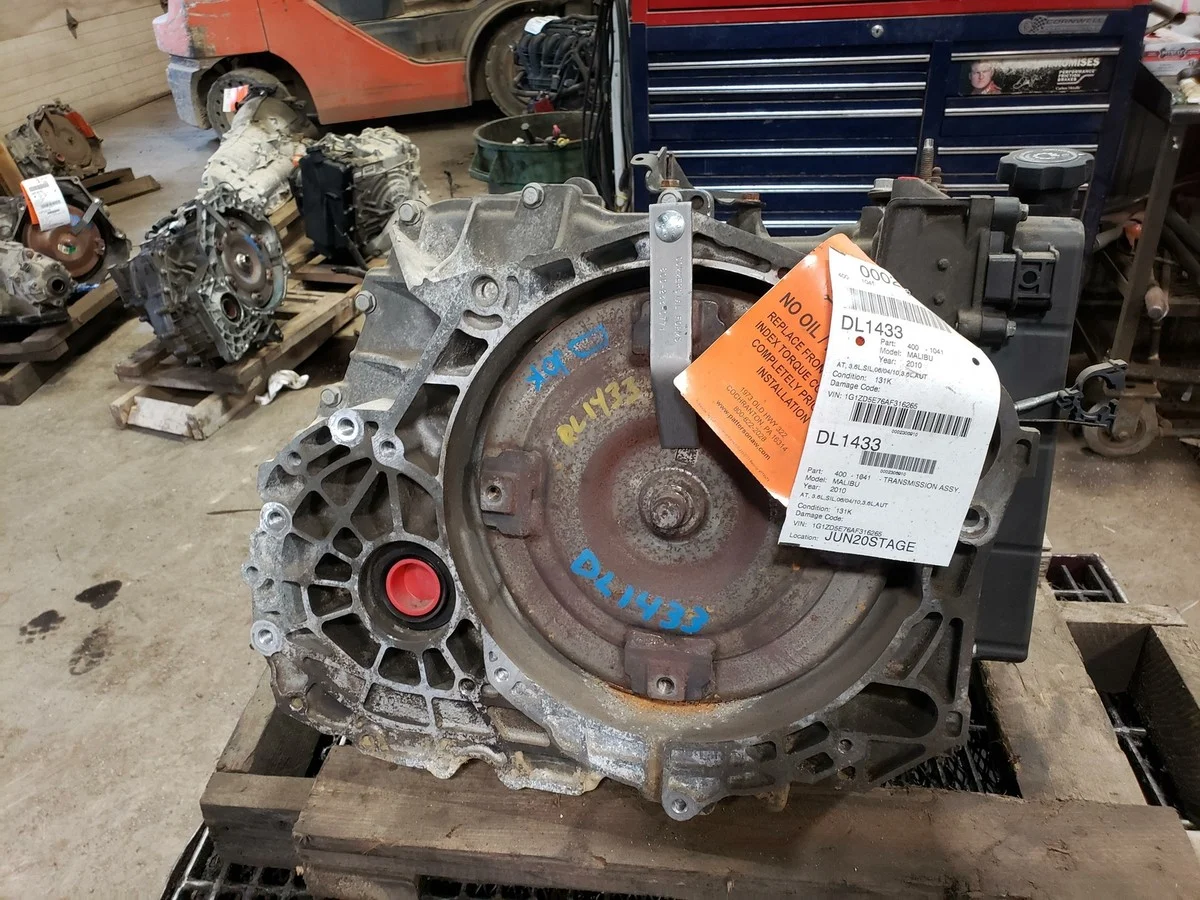
Minor Repairs and Specific Component Fixes
Sometimes, your transmission doesn’t need a full replacement. Smaller, isolated issues can often be addressed with less expensive repairs. These typically involve replacing specific components that have failed or become worn. For instance, a faulty sensor or a sticking solenoid can lead to noticeable shifting problems or even prevent your car from moving. Addressing these components directly is much more cost-effective than replacing the entire transmission.
-
Transmission Fluid Flush & Filter Change: This crucial preventive maintenance can sometimes resolve minor shifting issues caused by old, dirty fluid. It involves draining the old fluid, cleaning the system, and adding fresh fluid and a new filter. Expect to pay between $150 and $300 for this service. It’s a smart investment to extend your transmission’s lifespan.
-
Solenoid Replacement: Solenoids are electronic components that control the flow of transmission fluid. When one fails, it can cause hard shifts or gear engagement issues. Replacing a single solenoid or a bank of them is a common repair, often costing $200-$500, including parts and labor. The exact cost depends on accessibility and the number of solenoids involved.
-
Sensor Replacement (e.g., input/output speed sensors): Faulty sensors can send incorrect data to your car’s computer, leading to erratic shifting, limp mode, or even a complete lack of gear engagement. Replacing a transmission sensor typically runs $150-$400. This includes the part and labor, which can vary depending on the sensor’s location within the transmission.
These smaller fixes are always the preferred first step. Always insist on a thorough diagnostic evaluation to accurately pinpoint the exact issue before any major work begins.
Replacement Options: Rebuilt, Remanufactured, Used, or New
If diagnostics reveal more significant internal damage, minor repairs won’t be sufficient. In such cases, you will likely face a decision between several complete transmission replacement or rebuild options. Each option carries a different price tag and level of reliability, significantly impacting your total investment.
-
Rebuilt Transmission: This involves taking your existing transmission apart, inspecting all components, and replacing only the worn or damaged parts with new ones. This work is usually done by a local transmission specialist. Costs typically range from $2,000 to $4,000, which includes both the parts and the significant labor involved in the rebuild process. The quality can vary based on the shop’s expertise.
-
Remanufactured Transmission: These units are rebuilt in a factory setting to original manufacturer specifications, often surpassing them. They undergo rigorous testing and usually come with an excellent warranty (e.g., 3 years/unlimited miles). Expect to pay $2,500 to $4,500 for the remanufactured unit itself, plus approximately 8-15 hours of labor for installation, pushing the total towards the higher end.
-
Used Transmission: Sourced from a salvage yard or a crashed vehicle, a used transmission is the cheapest unit at $500-$1,500. However, its reliability is a significant gamble, as you don’t know its history. Installation labor will still add another $700-$1,500, bringing the total to $1,200-$3,000. It’s often chosen for older cars where longevity isn’t the primary concern.
-
New Transmission: A brand-new unit directly from the original equipment manufacturer (OEM). This is the most expensive option but offers the highest reliability, exact fit, and a full manufacturer’s warranty. Prices for the unit alone can be $3,500 to $5,000 or even more, plus the 8-15 hours of installation labor. This is often reserved for newer vehicles or those owners who prioritize ultimate peace of mind.
Factors Influencing Your Total Transmission Expense
The price tag for a 2010 Chevy Malibu transmission repair or replacement isn’t solely about the component itself. Several other critical factors significantly influence your final total expense. Understanding these elements can help you better budget, negotiate, and ensure you receive fair value for your significant investment.
Labor Rates and Choosing the Right Shop
Labor is almost always a substantial portion of any major transmission job. It involves highly skilled and time-consuming work. The hourly rate charged for this labor can vary dramatically. This variation depends on several key elements, including your geographic location, the type of repair facility you choose, and the complexity of the specific task.
-
Dealerships: Often have the highest labor rates, ranging from $120-$180 per hour. While more expensive, they typically use genuine OEM parts and employ factory-trained technicians who specialize in Chevy vehicles. This can offer an extra layer of confidence.
-
Independent Transmission Specialists: These shops often offer a strong balance of expertise and competitive pricing. They specialize in transmission work, meaning their technicians possess deep knowledge. Their rates are typically $90-$150 per hour. They are a great option for complex transmission issues.
-
General Auto Repair Shops: May have slightly lower rates, perhaps $80-$120 per hour. If choosing a general shop, ensure they have proven experience with transmission repairs, especially for your specific 2010 Malibu model. Always verify their certifications and read customer reviews.
Always ask for a detailed written quote upfront. This quote should clearly itemize both parts and the estimated labor hours, giving you transparency on costs.
Diagnostic Fees, Parts Quality, and Warranty Protection
Before any repair or replacement work begins, an accurate diagnosis is absolutely essential. This diagnostic process often incurs a separate charge. Furthermore, the quality of the parts used and the warranty provided are crucial considerations that impact both immediate cost and long-term satisfaction.
-
Diagnostic Fees: Expect to pay $100-$200 for a thorough, professional transmission diagnosis. This fee covers the technician’s time and specialized equipment needed to identify the exact problem. Some shops might waive or apply this fee towards the total repair cost if you choose to have the work done there.
-
Parts Source and Quality: The choice between OEM (Original Equipment Manufacturer) parts and aftermarket parts directly affects cost and potentially longevity. OEM parts are more expensive but offer guaranteed fit and quality. Aftermarket parts can be significantly cheaper but vary widely in quality and may not always perform as well or last as long.
-
Warranty on Repairs: This is a critical factor. Always inquire about the warranty offered on both the parts and the labor. A reputable rebuild or remanufactured transmission should come with at least a 1-year/12,000-mile warranty. Many high-quality options offer a 3-year/unlimited mileage warranty. A robust warranty provides invaluable peace of mind and protection for your significant investment.
Prioritizing a good warranty can save you substantial money and headaches down the road, covering potential issues that might arise after the repair.
Repair vs. Replacement: Making the Right Decision
When facing a transmission issue with your 2010 Chevy Malibu, a critical choice looms: repair the existing unit or replace it entirely? This decision isn’t just about the immediate cost; it factors in your car’s age, mileage, and your long-term plans for the vehicle.
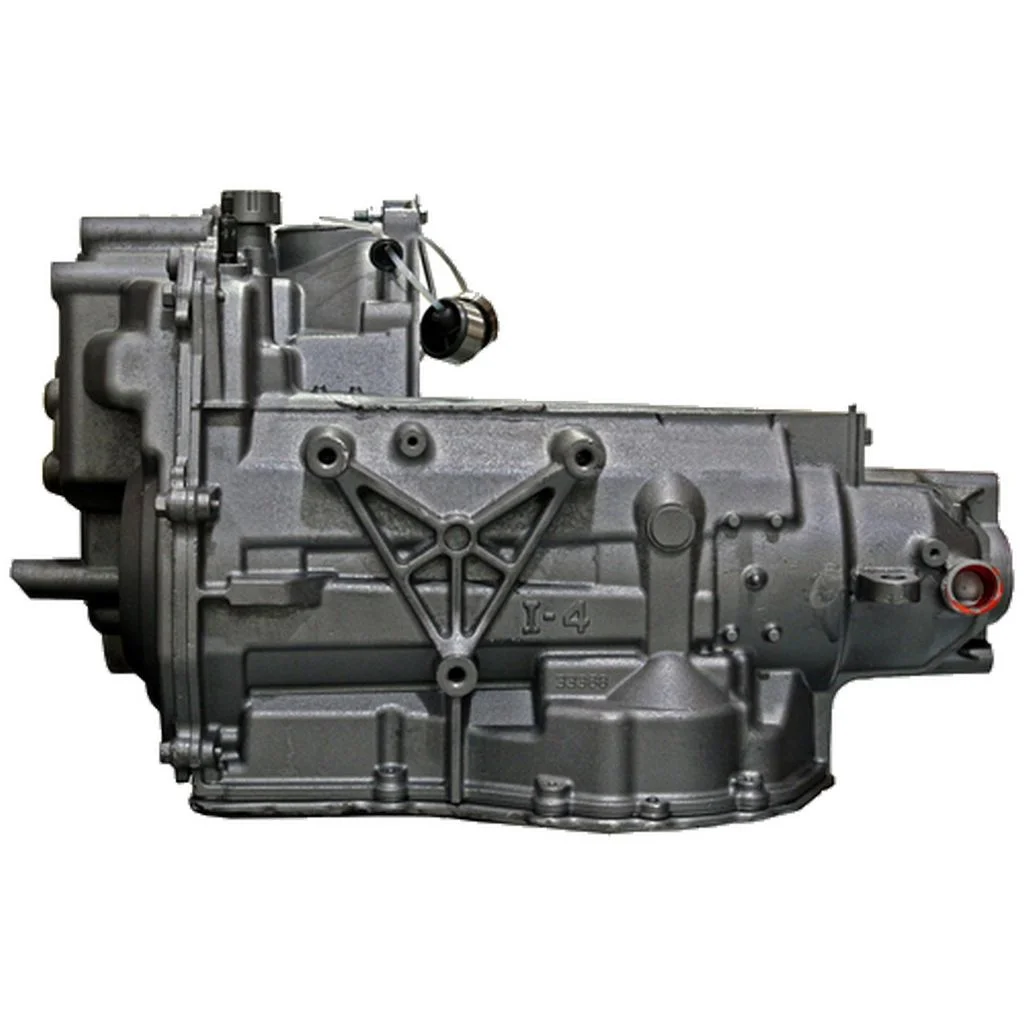
When to Repair Your Malibu Transmission
Repairing makes sense for specific, localized problems. These are usually less severe and don’t involve widespread internal damage. Think of it like fixing a broken window instead of rebuilding the whole house.
- Minor Component Failures: Issues like a faulty shift solenoid, a worn sensor, or a small fluid leak often only require targeted repairs. These typically range from $200 to $800.
- Fluid or Filter Service: Sometimes, “slipping” isn’t a major issue, but just dirty fluid or a clogged filter. A transmission fluid and filter service might cost $150-$300 and can resolve surprisingly common problems.
- Preventative Maintenance: Addressing minor leaks or strange noises early can prevent a small problem from becoming a catastrophic failure, saving you thousands down the line.
If the diagnostic points to a single, fixable component, repair is almost always the more economical choice.
When to Consider Full Transmission Replacement or Rebuild
Replacement or a comprehensive rebuild becomes the more logical path when the damage is extensive or internal. This includes worn clutch packs, broken gears, or significant internal wear that would require dismantling the entire unit.
- Catastrophic Failure: If your transmission totally failed on the road, odds are a repair won’t cut it.
- High Mileage & Extensive Wear: For a 2010 Malibu with 150,000+ miles, a transmission rebuild might be necessary if multiple components are worn out. A professional rebuild, where the transmission is removed, disassembled, cleaned, and all worn parts replaced, typically costs between $2,500 and $4,500.
- Cost-Benefit Analysis: Compare the estimated repair/rebuild cost to the car’s market value. If a $4,000 rebuild for a car only worth $5,000 is too high a percentage, a full replacement (new, remanufactured, or used) or even selling the car might be better. A brand-new transmission could exceed the car’s value entirely.
Ultimately, the decision balances immediate costs against the long-term reliability and value of your 2010 Malibu.
Tips to Save Money on Your Malibu Transmission Service
Dealing with transmission issues can be daunting, but there are smart strategies to manage costs. Being an informed consumer can significantly impact your final bill.
Get Multiple Quotes and Diagnostic Checks
Don’t jump at the first chevrolet/malibu/transmission-replacement-cost” target=”_blank” rel=”noopener noreferrer” title=”Estimate Chevrolet Malibu Transmission Replacement Costs with RepairPal”>estimate. Transmission work is complex, and different shops might diagnose the problem differently or offer varying solutions. It’s like getting a second opinion from a doctor.
- Visit Reputable Shops: Look for shops specializing in transmissions or highly-rated independent mechanics.
- Request Detailed Diagnostics: A good shop won’t just guess. They’ll perform a thorough diagnostic scan and visual inspection. Ask for the diagnostic codes and a clear explanation of the issue.
- Compare Estimates: Get at least two, preferably three, written estimates. Compare not just the total price, but also what parts and labor are included. A lower price might mean cheaper parts or less extensive work.
Sometimes, what one shop identifies as a complete transmission failure, another might pinpoint as a much cheaper sensor replacement.
Consider Remanufactured or Used Transmissions
A brand-new transmission from the factory is often the most expensive route. For a 2010 Malibu, it’s rarely the most cost-effective solution. Exploring other options can save you thousands.
- Remanufactured Transmissions: These units have been completely disassembled, cleaned, inspected, and rebuilt to original factory specifications, often with upgraded parts to address common issues. They come with a warranty (typically 1-3 years) and offer excellent value, costing less than new but more than used. Expect to pay between $2,000 and $3,500 for the unit itself.
- Used Transmissions: This is the cheapest option, sourced from salvage yards. The risk is higher as you don’t always know the unit’s history or true mileage. Always ask for a warranty, even if it’s a limited 30-90 day guarantee. A used transmission could cost anywhere from $800 to $1,800, plus installation. Always verify the donor vehicle’s mileage if possible.
- Preventative Maintenance: The best way to save money is to avoid major repairs entirely. Regular transmission fluid changes (every 30,000-60,000 miles, check your owner’s manual) and addressing minor issues promptly can significantly extend your transmission’s life.
Conclusion
Understanding the potential costs for your 2010 Chevy Malibu’s transmission issues is key to making an informed decision. Whether you’re looking at minor repairs or a full replacement, prices can range widely, from a few hundred dollars for a solenoid to over $4,500 for a comprehensive rebuild or remanufactured unit. The choice between repair and replacement hinges on the severity of the problem, your car’s overall condition, and your budget.
Always prioritize getting a thorough diagnostic check from a trusted mechanic and gather multiple quotes. Explore options like quality remanufactured units for the best balance of cost and reliability. By being proactive and informed, you can effectively manage the costs and potentially extend the life of your 2010 Chevy Malibu, keeping it on the road for many more miles to come.
💬 Quick Questions & Answers
What’s the average cost for a 2010 Chevy Malibu transmission replacement?
Expect to pay between $2,000 and $4,500 or more, depending on the parts (new, remanufactured, used) and labor rates.
Is it cheaper to repair or replace the transmission?
Repairing is usually cheaper if the issue is minor, but replacement is often more cost-effective for severe internal damage or complete failure.
How long does a transmission replacement take?
A professional mechanic typically takes 1-2 full days to replace a transmission, not including diagnostic time.
Do labor costs vary significantly for transmission work?
Yes, labor rates can range from $75 to $150+ per hour, greatly affecting the total cost based on your location and chosen shop.
What are common signs of 2010 Malibu transmission problems?
Slipping gears, delayed engagement, harsh shifts, warning lights, or strange noises often indicate transmission issues.
❓ Frequently Asked Questions
What are the primary factors that dictate the overall cost of a 2010 Chevy Malibu transmission service?
The main factors include the type of transmission (new, remanufactured, used), parts availability, the complexity of the repair, and regional labor rates. Warranties offered by shops also play a role, as more comprehensive coverage can add to the upfront expense.
What are the pros and cons of choosing a new, remanufactured, or used transmission for my 2010 Malibu?
A new transmission offers peak reliability and a long warranty but is the most expensive. Remanufactured units are rebuilt to factory specs, offering a good balance of cost, reliability, and warranty. Used transmissions are the cheapest but come with higher risk and shorter or no warranty, making their lifespan unpredictable.
Beyond the transmission unit itself, what other costs should I budget for during a replacement?
You should budget for ancillary costs such as new transmission fluid, filters, gaskets, and potentially mounting hardware or sensors. Diagnostic fees, environmental disposal fees, and any necessary computer reprogramming after installation will also add to the final bill.
Are there specific transmission issues common to the 2010 Chevy Malibu that might drive up repair costs?
Some 2010 Malibu models equipped with the 4T45-E or 6T40/6T45 transmissions can experience issues like solenoid failures, harsh shifting, or slipping gears due to internal wear. Addressing these specific common problems often requires significant labor and specialized parts, impacting the repair cost.
What kind of warranty can I typically expect on a transmission replacement or major repair?
Most reputable shops offer a warranty ranging from 12 months/12,000 miles to 36 months/100,000 miles on remanufactured or new transmissions. Used transmissions often come with a much shorter, if any, warranty, usually around 30-90 days.
What preventative maintenance can help prolong the life of my 2010 Chevy Malibu’s transmission and potentially reduce future costs?
Regular transmission fluid changes, typically every 30,000 to 60,000 miles as per your owner’s manual, are crucial. Checking for fluid leaks, avoiding harsh driving, and ensuring your engine is running efficiently also helps reduce strain on the transmission, extending its lifespan.