
2011 Chevy Impala Transmission Cost: Repair vs. Replace Guide
📋 Table of Contents
- 🎯 Key Takeaways
- Breakdown of 2011 Chevy Impala Transmission Costs (New, Rebuilt, Used)
- Factors Influencing 2011 Impala Transmission Replacement & Repair Costs
- Signs Your 2011 Impala Transmission Needs Attention & What to Do
- Tips to Save Money on 2011 Impala Transmission Services
- Conclusion
- 💬 Quick Questions & Answers
- ❓ Frequently Asked Questions
Replacing a 2011 Chevy Impala transmission can range from $1,800 to $4,500+ depending on whether you choose a used, rebuilt, or new unit. Factors like labor rates and transmission type (4-speed vs. 6-speed) also heavily influence the final price, making thorough research essential.
🎯 Key Takeaways
- Cost varies:Used ($700-$2k), rebuilt ($1.8k-$3.5k), new ($2.5k-$4k+).
- Labor costs typically add $500-$1000 for installation service.
- Watch for slipping, hard shifts, or fluid leaks as warning signs.
- Get multiple diagnostics and quotes before committing to repair.
- Regular fluid changes extend transmission life and prevent issues.
Is your trusty 2011 Chevy Impala starting to shift roughly, hesitate, or even refuse to move? If you’re experiencing transmission trouble, you’re not alone. The transmission is one of the most complex and vital components of your vehicle. When it fails, it can bring your daily commute to a grinding halt, causing significant stress and unexpected expenses.
Understanding the potential costs for a 2011 Chevy Impala transmission repair or replacement is crucial. It helps you prepare financially and make informed decisions. This guide will break down what you can expect to pay, helping you navigate the repair process with confidence. We’ll explore various options, from minor repairs to full replacements, so you can choose the best path forward for your beloved Impala.
Breakdown of 2011 Chevy Impala Transmission Costs (New, Rebuilt, Used)
When your 2011 Impala’s transmission needs attention, you generally have a few main choices. Each option comes with a different price tag and varying levels of risk and warranty. Knowing these differences can help you decide what’s best for your budget and peace of mind.
New Transmission Costs
Opting for a brand new transmission is often the most expensive route. This involves purchasing a factory-fresh unit directly from GM or an authorized supplier. A new transmission offers the longest lifespan and comes with a solid manufacturer’s warranty. This choice provides the ultimate assurance for your vehicle’s future.
- Part Cost: Expect to pay anywhere from $2,500 to $4,500 for the transmission unit itself.
- Labor Cost: Installation can add another $800 to $1,500, depending on your shop’s rates.
- Total Estimated Cost: You’re generally looking at a total of $3,300 to $6,000 or more for a new transmission installed.
While costly, a new transmission can be a wise investment if you plan to keep your Impala for many more years.
Rebuilt vs. Used Transmission Options
These options offer more budget-friendly alternatives to a brand new unit. Each has its own set of advantages and potential drawbacks.
Rebuilt Transmission Costs
A rebuilt transmission means your original transmission, or a similar core, has been completely disassembled. Worn or damaged parts are replaced with new or re-machined components. It’s then reassembled to original factory specifications. Many reputable shops offer a warranty on rebuilt units, typically ranging from 1 to 3 years.
- Part Cost: A rebuilt transmission unit usually costs between $1,500 and $3,000.
- Labor Cost: Installation labor will be similar to a new transmission, around $800 to $1,500.
- Total Estimated Cost: For a rebuilt transmission, plan for a total of $2,300 to $4,500. This is often a popular middle-ground choice, balancing cost and reliability.
Used Transmission Costs
A used transmission is sourced from another vehicle, often from a junkyard or salvage yard. It’s the cheapest option upfront, but also carries the most risk. You don’t always know the full history or condition of a used unit. It might last for years, or it could fail shortly after installation. Always try to get one with a low mileage and a short warranty, if possible.
- Part Cost: A used transmission can range from $500 to $1,500, depending on its condition and mileage.
- Labor Cost: Installation labor remains consistent, at $800 to $1,500.
- Total Estimated Cost: A used flex transmission replace content 1.webp”>flex transmission replace featured.webp”>transmission replacement could cost you $1,300 to $3,000. This option is best if you are selling the car soon or have a very tight budget.
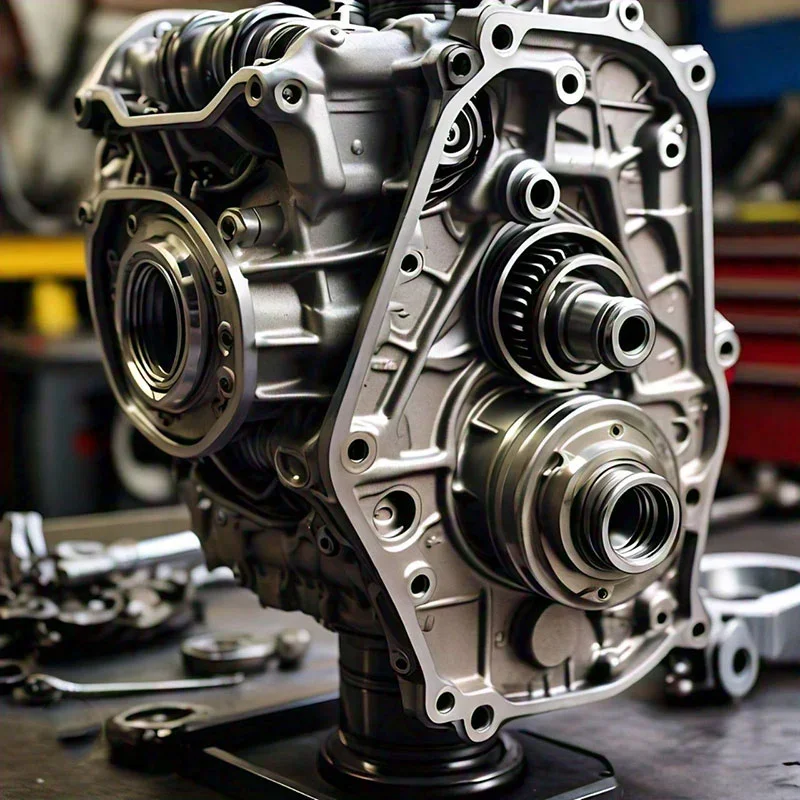
Factors Influencing 2011 Impala Transmission Replacement & Repair Costs
The final bill for your 2011 Chevy Impala’s transmission work isn’t just about the transmission unit itself. Several other key factors play a significant role. Understanding these can help you anticipate costs and ask the right questions at the repair shop.
Type of Repair vs. Full Replacement
Not all transmission problems require a complete replacement. Sometimes, a minor repair can fix the issue, saving you a lot of money. It’s crucial to get an accurate diagnosis.
- Minor Repairs: These are much cheaper. For example, replacing a faulty solenoid, a pressure sensor, or a transmission fluid line might cost $300 to $800. These are often easier fixes.
- Major Internal Repairs: If internal components like clutches or gears are worn, but the casing is intact, rebuilding the existing transmission might be an option. This falls into the “rebuilt” cost category discussed earlier.
- Full Replacement: This is necessary when the transmission is catastrophically damaged. This includes issues like a cracked casing or extensive internal damage making repair unfeasible. Your mechanic will advise on the best course of action after a thorough inspection.
Labor Rates and Shop Choice
Where you get your Impala serviced will greatly affect the labor cost. Labor rates can vary widely depending on the type of shop and its location.
- Dealerships: Chevrolet dealerships often have the highest labor rates, sometimes $120 to $180 per hour. However, their technicians specialize in Chevy vehicles.
- Independent Mechanics: Local, independent transmission shops typically offer more competitive rates, ranging from $80 to $120 per hour. Many of these shops specialize in transmissions and have experienced staff.
- Geographic Location: Labor costs are usually higher in large metropolitan areas compared to rural regions. Always get quotes from a few different shops in your area.
Additional Parts and Fluids
A transmission job involves more than just the main unit. Several other parts and fluids are often replaced simultaneously, adding to the total cost. These items are essential for the proper function and longevity of your new or repaired transmission.
- Transmission Fluid: A significant amount of specific transmission fluid is needed, which can cost $100 to $200.
- Filters and Gaskets: New filters, pan gaskets, and other seals are always installed with a transmission service, adding $50 to $150.
- Transmission Mounts: Sometimes, worn engine or transmission mounts are replaced, costing an extra $50 to $200 per mount.
- Cooling Lines: If the transmission cooler lines are old or damaged, they might also need replacement, adding to the bill.
- Diagnostic Fees: Expect an initial diagnostic fee, usually $100 to $200, to pinpoint the exact problem. This fee is often waived or applied to the repair cost if you proceed with the work at that shop.
Signs Your 2011 Impala Transmission Needs Attention & What to Do
Ignoring early signs of transmission trouble in your 2011 Chevy Impala is like ignoring a small leak in a boat – it’ll only get worse. Catching issues early can often save you significant money and prevent a complete transmission failure.
Common Warning Signs
Your Impala’s transmission usually gives you hints when something’s amiss. Pay attention to these indicators:
- Slipping Gears: You might feel the engine rev high but the car doesn’t accelerate as it should, or it feels like the gears are “slipping” out of place. This often feels like a loss of power.
- Delayed Engagement: When you shift into Drive or Reverse, there’s a noticeable pause before the car engages the gear. It shouldn’t take several seconds.
- Unusual Noises: Grinding, clunking, humming, or whining sounds coming from under your car, especially when shifting gears or in neutral, are red flags.
- Burning Smell: A sweet or acrid burning smell often indicates overheated transmission fluid, which could be due to low fluid levels or internal damage.
- Fluid Leaks: Pinkish-red fluid under your Impala is a sign of a transmission fluid leak. Check your driveway for suspicious puddles.
- “Check Engine” Light: While this light can indicate many things, transmission issues are a common cause. Get the code read to understand the specific problem.
Immediate Steps to Take
If you notice any of these signs, don’t panic, but act quickly:
- Check Transmission Fluid: With the engine running and warm (and the car on a level surface), check the transmission fluid level using the dipstick. Consult your owner’s manual for the correct procedure. Low or dark, burnt-smelling fluid is a bad sign.
- Avoid Further Stress: Don’t drive aggressively, tow heavy loads, or put extra strain on the transmission. Gentle driving is key.
- Seek Professional Diagnosis: As soon as possible, take your Impala to a trusted mechanic specializing in transmissions. Describe all symptoms clearly – sounds, smells, when they occur. A professional diagnostic scan will often reveal specific trouble codes that pinpoint the problem.
Remember, early diagnosis is your best friend when it comes to transmission problems.
Tips to Save Money on 2011 Impala Transmission Services
Transmission issues can be expensive, but there are smart ways to minimize the financial impact, both through preventative measures and informed repair decisions.
Proactive Maintenance
Prevention is always cheaper than cure. Here’s how to keep your Impala’s transmission healthy and potentially extend its life:
- Regular Fluid and Filter Changes: Your Impala’s owner’s manual specifies a transmission fluid and filter change interval. For many 2011 Impalas, this is every 30,000 to 50,000 miles, but driving habits can influence this. Fresh fluid ensures proper lubrication and cooling, preventing premature wear.
- Monitor Fluid Levels: Regularly check your transmission fluid. Low fluid levels can lead to overheating and damage. Always use the correct type of fluid specified by GM for your Impala.
- Practice Smart Driving Habits: Avoid sudden accelerations and decelerations. Don’t “power brake” (holding the brake while revving the engine) or shift from Drive to Reverse (or vice-versa) while the car is still moving. These actions put immense stress on the transmission.
- Avoid Overloading: If your Impala has a towing capacity, never exceed it. Overloading creates excessive heat and strain on the transmission, leading to potential failure.
Smart Repair Choices
If a repair or replacement is unavoidable, here’s how to make cost-effective decisions:
- Get Multiple Quotes: Don’t settle for the first estimate. Contact at least two or three reputable transmission shops or certified mechanics for quotes. Compare not just the price, but also what’s included (parts, labor, warranty).
- Consider Independent Specialists: While dealership service centers are excellent, independent transmission specialists often offer comparable quality at a lower labor rate. Look for shops with good reviews and certified technicians.
- Ask About Warranties: A good warranty on parts and labor is crucial, especially for a major repair like a transmission. Ensure you understand the terms and duration of the warranty.
- Inquire About Rebuilt vs. Used Transmissions: As discussed, a quality rebuilt transmission can be a more cost-effective option than new, offering good value with a warranty. A used transmission is the riskiest option due to unknown history, but it’s also the cheapest upfront. Understand the pros and cons for your specific situation.
Being informed and proactive will help you navigate transmission issues without breaking the bank.
Conclusion
Dealing with a transmission issue in your 2011 Chevy Impala can feel overwhelming, but understanding your options is the first step. Whether you’re facing a repair or a full replacement, costs can range significantly, from a few hundred dollars for minor fixes to thousands for a new or rebuilt unit. Factors like labor rates, parts quality, and the extent of the damage all play a role.
The key takeaways are clear: pay attention to your Impala’s warning signs, prioritize regular maintenance, and always seek professional diagnoses and multiple quotes. Being proactive and informed can significantly extend your transmission’s life and help you make the most economical decisions. Don’t delay – get your Impala checked if you suspect a problem to keep it running smoothly on the road for years to come.
💬 Quick Questions & Answers
How much does a new 2011 Impala transmission cost?
A new transmission for a 2011 Impala typically costs $2,500 – $4,000 for the part alone, before labor.
What are the labor costs for transmission replacement?
Labor for replacement usually ranges from $500 to $1,000, depending on the shop’s hourly rates and regional pricing.
Is it better to repair or replace a 2011 Impala transmission?
Minor issues can be repaired, but significant problems often make full replacement a more reliable and cost-effective long-term solution.
Can I buy a used transmission for my 2011 Impala?
Yes, used transmissions are available, typically costing $700 – $2,000, but they come with higher risk and varying warranties.
What are common symptoms of a failing 2011 Impala transmission?
Common symptoms include slipping gears, delayed engagement, grinding noises, fluid leaks, or an illuminated check engine light.
❓ Frequently Asked Questions
What exactly influences the total cost of a 2011 Chevy Impala transmission replacement?
The total cost for a 2011 Chevy Impala transmission replacement is primarily influenced by the type of unit (new, rebuilt, or used), whether it’s the 4-speed or 6-speed model, parts availability, and the shop’s labor rates. Geographic location and warranty offerings also play significant roles in the final price.
What is the difference between a rebuilt and a remanufactured transmission?
A rebuilt transmission is typically repaired by disassembling, inspecting, and replacing only worn components with new or used parts, often done by local shops. A remanufactured unit, however, is completely disassembled, cleaned, re-machined to factory specifications, and all wear-prone parts are replaced, usually carrying a more comprehensive warranty.
Are there specific transmission models or common issues for the 2011 Impala to be aware of?
The 2011 Impala commonly uses either the 4T65-E (4-speed) or 6T70/75 (6-speed) transmission. Common issues can include torque converter clutch (TCC) solenoid problems in the 4-speed, or valve body issues and hard shifting in the 6-speed models, which can significantly impact repair strategies and costs.
How long does a 2011 Chevy Impala transmission replacement typically take from start to finish?
A professional mechanic typically requires 8-12 hours of labor for a 2011 Chevy Impala transmission replacement. Including diagnostic time, parts procurement, and shop scheduling, you can generally expect your vehicle to be in the shop for 2-4 business days, though this can vary based on complexity and parts availability.
What are the risks and benefits of choosing a used transmission for my 2011 Impala?
Choosing a used transmission offers the primary benefit of significant cost savings upfront. However, the major risk is the unknown history and internal condition of the unit, which could lead to premature failure and additional repair expenses down the line. It’s crucial to purchase from a reputable seller with a decent warranty.
What preventative maintenance can I perform to avoid expensive 2011 Impala transmission problems?
Regular transmission fluid checks and changes at manufacturer-recommended intervals are paramount, ensuring you use the correct GM-specified fluid type. Additionally, avoiding aggressive driving, ensuring proper engine and transmission cooling, and promptly addressing any minor warning signs like fluid leaks or strange noises can significantly extend your transmission’s lifespan.