
Nissan Cube Transmission Replacement Cost: What to Expect
📋 Table of Contents
Replacing a Nissan Cube transmission can be a significant investment, typically ranging from $2,000 to $4,500 depending on parts and labor. This cost varies greatly based on whether you choose a new, remanufactured, or used unit, and the specific mechanic or dealership performing the work. Understanding these factors is key to managing your budget effectively.
🎯 Key Takeaways
- Expect $2,000-$4,500 for Nissan Cube transmission replacement.
- New, remanufactured, and used transmissions have different costs.
- Labor rates significantly impact total replacement expenses.
- Get multiple quotes to compare prices and service quality.
- Consider extended warranties for future transmission protection.
Your quirky transmission-replacement-cost” target=”_blank” rel=”noopener noreferrer” title=”Nissan Cube Automatic Transmission Replacement Cost – RepairPal”>Nissan Cube is more than just a car; it’s a statement. Its distinctive boxy design turns heads, and for many owners, it’s a beloved daily driver. But even the most unique vehicles eventually face common mechanical challenges. One of the biggest concerns for Cube owners, particularly those with higher mileage, often revolves around the transmission.
A failing transmission can be incredibly stressful, bringing your unique ride to a grinding halt. The thought of a replacement immediately brings up a big question: how much will this cost? Understanding the potential expenses and what influences them can save you a lot of headache and help you prepare financially. Let’s break down what you can expect.
Understanding Nissan Cube flex transmission replace content 1.webp”>flex transmission replace featured.webp”>Transmission Replacement Costs
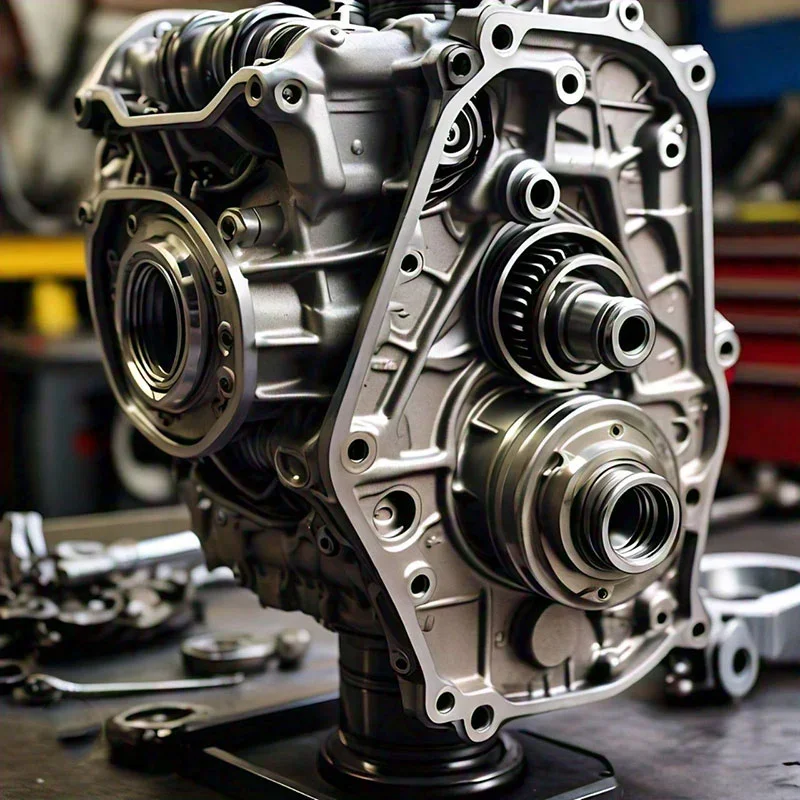
Facing a transmission problem in your Nissan Cube can be daunting. Transmission replacements are among the most expensive repairs you’ll encounter. The total cost will vary, but you should prepare for a significant financial outlay to get your unique Cube back on the road reliably.
Average Cost Ranges for Your Nissan Cube
Let’s look at the numbers. A full transmission replacement for your Nissan Cube includes the transmission unit and labor. Here’s a general breakdown of typical costs:
- Used Transmission: Often the most budget-friendly, ranging from $1,500 to $3,500. This includes the used unit from a salvaged vehicle and labor. Warranties are usually limited or non-existent.
- Remanufactured Transmission: A rebuilt unit to factory specifications, often with upgraded parts. Expect $2,500 to $5,000, including labor. These typically come with a better warranty (1-3 years).
- New (OEM) Transmission: The most expensive choice, from $4,000 to $6,500 or more, including labor. A new unit offers maximum peace of mind and a full factory warranty.
These are average estimates. Your specific cost depends on your location and chosen repair shop.
The Specifics of Cube CVTs and Their Cost Implications
Most Nissan Cube models use a Continuously Variable Transmission (CVT). CVTs offer smooth acceleration and good fuel efficiency. However, Nissan CVTs, including those in the Cube, have a known reputation for reliability concerns over time. Unlike traditional automatics, CVTs rely on a belt and pulley system. This system can wear out, especially without regular fluid changes or with frequent heavy use.
Replacing a CVT is often more complex and potentially more expensive than a conventional automatic transmission. The specialized technology requires specific tools and expertise. This specialization can increase labor costs. Always ensure your chosen mechanic has proven experience with Nissan CVTs.
Factors Influencing Transmission Replacement Pricing
The cost of replacing your Nissan Cube’s transmission isn’t a fixed number. Many variables contribute to the final bill. Understanding these factors helps you budget accurately and make informed repair decisions. Let’s explore what influences these price differences.
Transmission Type: New, Remanufactured, or Used Unit
The most significant factor in your total cost is the type of transmission unit you choose:
- New (OEM) Transmission: Directly from Nissan. Offers highest quality, longest warranty, and highest price. Ideal for long-term ownership.
- Remanufactured Transmission: Rebuilt units, often with improved components. Balances cost and reliability. Saves over new units, comes with a decent warranty (1-3 years). A popular choice.
- Used Transmission: Most economical upfront. Sourced from salvage vehicles, lowest cost but least guarantee. Minimal warranty, unknown history. Budget-friendly, but carries risks.
Consider your budget, ownership plans, and risk tolerance when deciding.
Labor Rates, Shop Choice, and Location
Labor costs are a major part of the bill and vary widely. Nissan dealerships typically charge higher hourly rates than independent mechanics. Dealerships have specialized tools and factory-trained technicians for Nissan CVTs. Reputable independent shops specializing in transmissions can offer competitive pricing with expert service.
Geographic location also impacts labor rates. Shops in larger cities usually charge more. Always get multiple quotes from both dealerships and reputable independent shops. Specifically ask about their experience with Nissan Cube CVTs.
Hidden Costs: Additional Parts and Fluids
A transmission replacement often includes more than just the main unit. Other components may need replacing or servicing, adding to the total. These can include:
- Specialized CVT fluid and filter.
- Transmission cooler lines and mounts.
- Axle seals, gaskets, or other minor hardware.
- Computer reprogramming.
Ensure your quotes itemize these potential extra costs. A detailed estimate helps avoid financial surprises. These smaller items can still add several hundred dollars to your overall bill.
<h2>New vs. Remanufactured vs. Used Transmissions: Pros and Cons</h2>
<p>When facing a transmission replacement, you’ll typically encounter three main options, each with its own cost implications and level of risk. Understanding these can significantly impact your budget and the long-term reliability of your Nissan Cube.</p>
<h3>New and Remanufactured Transmissions: Reliability and Warranty</h3>
<p>A <strong>new transmission</strong> is exactly what it sounds like – a brand-new unit straight from the manufacturer. While offering the highest guarantee of reliability and a full factory warranty, these are often the most expensive option and can sometimes be hard to source for older models like the Cube. Their cost can easily push the total repair bill into the $4,000 – $6,000+ range.</p>
<p><strong>Remanufactured transmissions</strong>, on the other hand, offer a fantastic balance. These units have been completely disassembled, inspected, worn components replaced with new parts, and rigorously tested to meet or exceed original factory specifications. They often come with a substantial warranty, typically 1 to 3 years, which provides excellent peace of mind. For many Cube owners, a remanufactured CVT is the sweet spot, costing less than new but offering much greater reliability than a used unit. Expect prices in the $3,000 – $5,000 range for parts and labor.</p>
<h3>Used Transmissions: The Budget Option with Higher Risk</h3>
<p>Opting for a <strong>used transmission</strong> is generally the least expensive route, with units sourced from salvage yards or wrecked vehicles. Costs for the part itself might range from $500 to $1,500, making the total repair (with labor) potentially fall between $2,000 – $3,500. However, this option comes with significant risks. You often don’t know the full history, mileage, or exact condition of the used unit. While some salvage yards offer a limited warranty (e.g., 30-90 days), it’s far less comprehensive than what you’d get with a remanufactured unit. <em>Always consider the potential for needing another replacement sooner</em> if choosing this path.</p>
<h2>Saving Money and What to Ask Before Replacement</h2>
<p>A transmission replacement is a major investment, so it pays to be proactive and informed. By asking the right questions and doing a little comparison shopping, you can potentially save hundreds or even thousands of dollars.</p>
<h3>Smart Shopping for Savings</h3>
<p>Don’t jump at the first quote you receive. Being an informed consumer is your best defense against overspending.</p>
<ol>
<li><strong>Get Multiple Quotes:</strong> Call at least three different reputable mechanics or transmission shops. Provide them with your Cube’s year, mileage, and the diagnostic results. <em>Example:</em> One shop might quote $4,500 for a remanufactured unit, while another offers the same for $4,000, saving you $500 right away.</li>
<li><strong>Consider Independent Shops:</strong> While dealerships offer factory-trained technicians, their labor rates are often higher. Independent shops specializing in Nissan or CVT transmissions can provide quality work at a more competitive price.</li>
<li><strong>Inquire About Parts Sourcing:</strong> Ask if they can source quality remanufactured units from reputable suppliers known for their CVT expertise. Some shops have preferred vendors that offer better prices or warranties.</li>
</ol>
<h3>Key Questions for Your Mechanic</h3>
<p>Before authorizing any work, sit down with your mechanic and ask these crucial questions. Their answers will help you understand the scope of work, expected costs, and guarantee.</p>
<ul>
<li><strong>What type of transmission are you installing?</strong> (New, remanufactured, or used? Get specific details.)</li>
<li><strong>What is the warranty period for both parts and labor?</strong> (Ask for this in writing and understand what it covers.)</li>
<li><strong>What exactly does the quote include?</strong> (Parts, labor, new transmission fluid, filters, gaskets, diagnostic fees, disposal fees? No hidden surprises!)</li>
<li><strong>How long will the repair take?</strong> (Plan for transportation alternatives while your Cube is in the shop.)</li>
<li><strong>Are there any other recommended services?</strong> (For example, replacing engine mounts while the transmission is out, which can save labor costs later.)</li>
</ul>
<h2>Navigating Your Transmission Replacement Decision</h2>
<p>Replacing your Nissan Cube’s transmission is a significant expense, often ranging from $2,000 to over $5,000. Key factors influencing this cost include the type of transmission chosen (used, remanufactured, or new), labor rates, and whether you opt for a dealership or an independent shop. While a used transmission offers the lowest upfront cost, a remanufactured unit often provides the best balance of reliability and value with a solid warranty.</p>
<p>To make an informed decision, always start with a professional diagnosis, gather multiple detailed quotes, and ask your mechanic specific questions about parts, warranty, and included services. Your Nissan Cube can continue to be a reliable and quirky companion with the right repair. <strong>Empower yourself with information to choose the best path forward for your vehicle and your wallet!</strong></p>
💬 Quick Questions & Answers
What’s the average cost for a Nissan Cube transmission replacement?
The average cost ranges from $2,000 to $4,500, including parts and labor, though prices can vary.
Is it better to repair or replace a Nissan Cube transmission?
Replacement is often recommended for severe internal damage; repair might be viable for minor, specific issues if cost-effective.
How long does a Nissan Cube transmission replacement take?
Typically, the job can take 1-2 full days of labor, plus additional time for sourcing parts.
Does a new transmission come with a warranty?
Yes, new and remanufactured transmissions usually come with a warranty, often 1-3 years or unlimited mileage.
Can I get a used transmission for my Nissan Cube?
Yes, used transmissions are an option, often more affordable but come with less predictable lifespan and shorter warranties.
❓ Frequently Asked Questions
What specific components contribute to the total cost of a Nissan Cube transmission replacement?
The total cost includes the transmission unit itself (new, remanufactured, or used), labor hours for removal and installation, new transmission fluid, and potentially other small parts like gaskets, filters, or mounts that are replaced during the process. Diagnostic fees might also be separate.
How do labor rates impact the final price for a transmission swap?
Labor rates can significantly impact the final price, as a transmission replacement is a labor-intensive job requiring specialized tools and expertise. Dealerships typically have higher hourly rates than independent shops, and regional differences also play a role in the total labor cost.
What are the pros and cons of choosing a remanufactured transmission over a new one for my Cube?
Remanufactured transmissions offer a balance of cost-effectiveness and reliability; they are typically cheaper than new but come with updated components and a good warranty. New transmissions provide peace of mind with original factory quality and the longest warranty, but at the highest price point.
Are there any signs that indicate my Nissan Cube transmission needs replacement soon?
Common signs include delayed engagement, slipping gears, harsh shifts, grinding noises, fluid leaks, or the “check engine” light illuminating with specific transmission codes. If you experience persistent issues not resolved by minor repairs, replacement might be imminent.
What questions should I ask a mechanic before committing to a Nissan Cube transmission replacement?
Ask for a detailed breakdown of costs (parts vs. labor), the type of transmission being installed (new, remanufactured, used), the warranty offered on both parts and labor, and if they will perform a full diagnostic to confirm the transmission is the root cause. Also, inquire about their experience with Nissan Cube transmissions.
Is it possible to reduce the cost of a Nissan Cube transmission replacement, and how?
To potentially reduce costs, consider obtaining multiple quotes from different reputable shops, exploring a high-quality remanufactured or tested used transmission instead of new, and discussing whether any associated parts can be reused if they are still in good condition. Some might also consider bringing their own parts, though many shops prefer to source their own for warranty purposes.