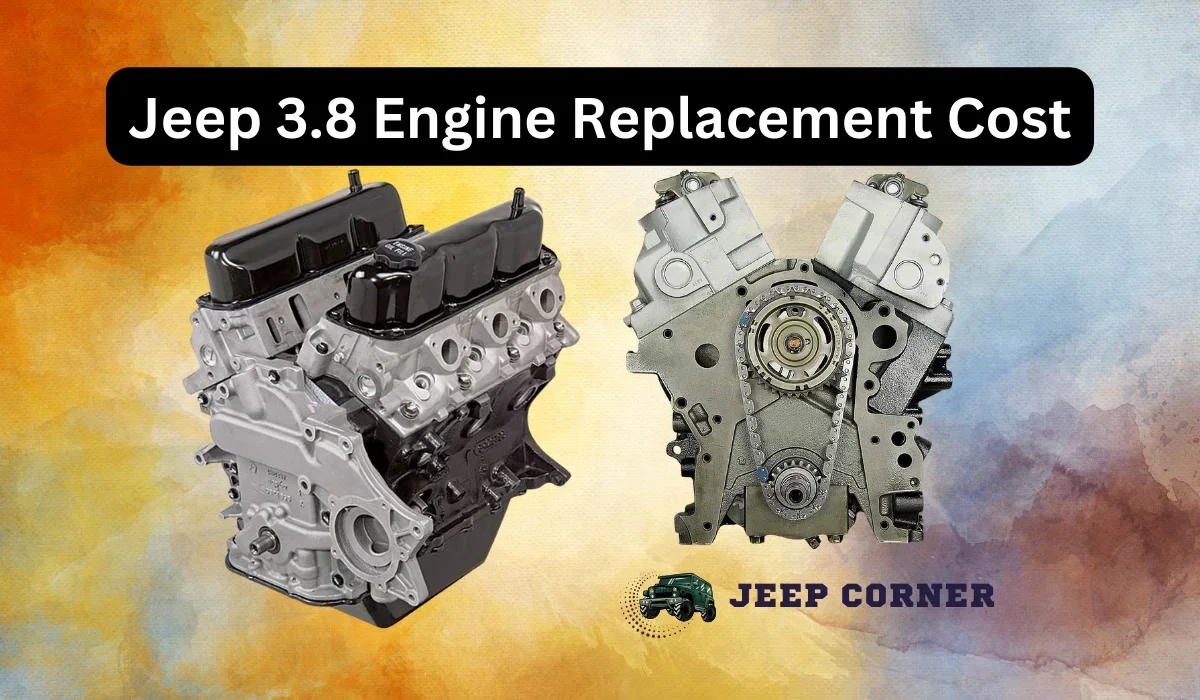
2012 Jeep Liberty Engine Replacement Cost: Your Guide
📋 Table of Contents
- 🎯 Key Takeaways
- Breakdown of 2012 Jeep Liberty Engine Replacement Costs
- Factors Influencing Your Total Engine Replacement Bill
- New, Remanufactured, or Used Engine: Which is Best?
- Deciding if an Engine Replacement is Worth It for Your 2012 Liberty
- Conclusion
- 💬 Quick Questions & Answers
- ❓ Frequently Asked Questions
Replacing a 2012 Jeep Liberty engine can be a significant investment, typically ranging from $4,000 to $7,000 or more, depending on the engine type and labor rates. This cost includes both the engine itself (new, remanufactured, or used) and the extensive labor required for the swap.
🎯 Key Takeaways
- Cost varies by engine type (new, remanufactured, used).
- Labor is a major component of the total cost.
- Get multiple quotes from certified mechanics.
- Consider vehicle value vs. repair cost.
- A comprehensive inspection is crucial before replacement.
Has your trusty 2012 Jeep Liberty started making some concerning noises, or perhaps given up the ghost entirely? Few things are as daunting for a car owner as facing the news that your engine needs replacing. It often feels like the end of the road for your beloved SUV, bringing with it a wave of anxiety about potential costs.
But don’t despair just yet! Understanding the potential expenses involved is your crucial first step toward making an informed decision about your vehicle’s future. This comprehensive guide will walk you through everything you need to know about 2012 Jeep Liberty engine replacement costs, helping you budget wisely and choose the best path forward for your rugged companion.
Breakdown of 2012 Jeep Liberty Engine Replacement Costs
When you’re looking at replacing the engine in your 2012 Jeep Liberty, the total bill isn’t just one number; it’s a combination of several key components. Knowing these individual parts helps you fully understand where your money is going and allows for more accurate budgeting. Let’s break down the main financial expenses you’ll face.
The Cost of the Engine Itself
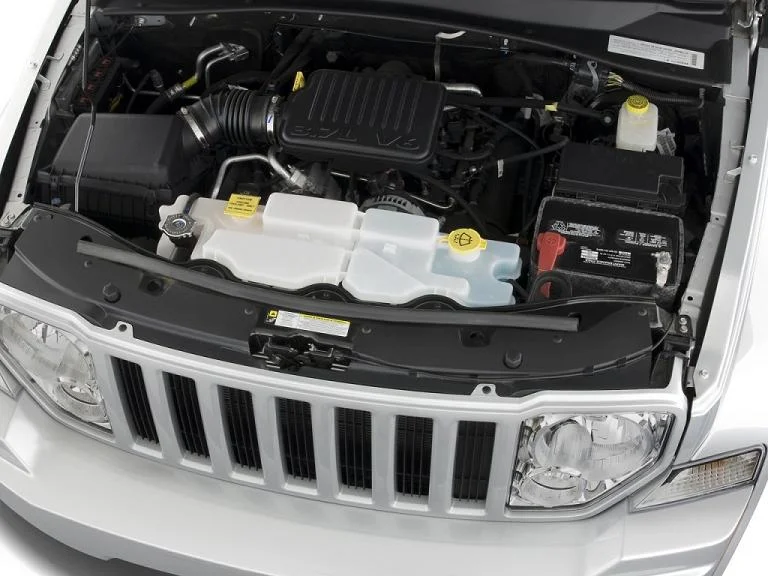
This is typically your largest single expense, with prices varying significantly based on the type of engine you choose to install:
- New Engines: Offer ultimate peace of mind and a robust warranty for long-term reliability. However, they are almost always the most expensive route. A new 3.7L V6 engine for your 2012 Jeep Liberty can range from $4,000 to $6,500 or more. This option is becoming increasingly rare for older vehicle models due to availability and cost.
- Remanufactured Engines: These are used engines that have undergone a complete overhaul. They are fully disassembled, thoroughly inspected, and meticulously rebuilt to meet or exceed original factory specifications. They often come with a good warranty, similar to new engines. A remanufactured engine for your Jeep Liberty will likely cost between $2,500 and $4,500. Many automotive experts recommend this option as it strikes an excellent balance between cost and reliability.
- Used Engines: Sourcing a used engine from a salvage yard or a specialized parts dealer is the cheapest option upfront. Prices can typically range from $1,000 to $2,500. However, used engines come with inherent risks. Their history is often unknown, and warranties are usually very limited, sometimes only 30-90 days. While you save money initially, you might face premature issues down the road.
Labor Charges: The Mechanic’s Share
Beyond the engine itself, you’ll pay for the significant expertise and time it takes to meticulously remove your old engine and carefully install the new one. This is known as labor, and engine replacement is a complex job, demanding specialized tools, precise knowledge, and a considerable amount of time.
- Hours Required: Swapping out a 2012 Jeep Liberty engine can take a skilled and experienced mechanic anywhere from 15 to 25 hours. This is clearly a big, involved job, not a quick repair. The complexity of modern vehicles means more time is often needed for diagnostics and reassembly.
- Shop Hourly Rates: Mechanic labor rates fluctuate significantly based on geographic region, the type of repair shop, and the shop’s reputation. You might encounter rates from $75 per hour in smaller towns or independent shops to $150 per hour or more at dealerships or in major metropolitan areas.
- Total Labor Cost: Combining these factors, your labor bill alone could realistically range from $1,125 (15 hours x $75) to $3,750 (25 hours x $150). This represents a substantial portion of the overall cost, so always ensure you receive a detailed labor quote before any work begins.
Factors Influencing Your Total Engine Replacement Bill
While the cost of the engine and primary labor are the big hitters, several other crucial elements can significantly sway your final repair bill. Being aware of these additional factors will help you avoid unwelcome surprises and budget more accurately for your 2012 Jeep Liberty engine replacement.
Location and Type of Repair Shop
Where you choose to get your engine replaced makes a considerable difference in the total cost. Not all repair shops charge the same, and geographical location plays a significant role too:
- Dealerships: Authorized Jeep dealerships often have the highest hourly rates. They specialize in your vehicle model and typically use OEM (Original Equipment Manufacturer) parts. You might pay a premium for their brand-specific expertise, high-quality work, and advanced diagnostic tools.
- Independent Mechanics: Local, independent repair shops usually offer more competitive rates. Many have extensive experience with Jeeps and can provide excellent service at a lower cost. Always check for proper certifications and good customer reviews before committing. They often use high-quality aftermarket parts, which can provide cost savings without sacrificing reliability.
- Geographic Location: Costs for both parts and labor are typically higher in areas with a higher cost of living. For instance, a repair in a major city like Los Angeles or New York will likely be more expensive than in a smaller town or rural area. Always gather detailed quotes from multiple shops in your specific region to compare prices effectively.
Additional Parts and Fluids Needed
An engine replacement is more than just swapping one large metal block for another. Many smaller, but absolutely crucial, components and fluids need to be replaced or refreshed during the extensive process. These necessary items can add up considerably to your total expense:
- Gaskets and Seals: New gaskets and seals are absolutely essential to prevent leaks and ensure proper engine operation. This includes intake manifold gaskets, exhaust manifold gaskets, valve cover gaskets, and the oil pan gasket. Neglecting these can lead to costly future repairs.
- Hoses and Belts: It’s highly advisable to replace any worn or brittle hoses (like radiator or heater hoses) and drive belts while the engine is easily accessible. Doing so now is much easier and cheaper than attempting these replacements after the new engine is fully installed.
- Spark Plugs and Wires: For optimal performance and proper ignition with a new engine, fresh spark plugs and wires are frequently installed as part of the replacement process.
- Fluids: You will certainly need fresh engine oil, new coolant, and potentially new transmission fluid, power steering fluid, or brake fluid. These are not minor expenses and are critical for your vehicle’s operation.
- Motor Mounts: Your existing motor mounts might be old and worn from years of use. Replacing them along with a new engine ensures proper stability, significantly reduces vibration, and extends the life of the new engine. This specific component can add $100-$300 or more to your bill.
- Ancillary Components: Sometimes, parts like the water pump, thermostat, or even the alternator might be recommended for replacement, especially if they are difficult to access after the new engine is fully installed. This preventative maintenance can save you trouble later.
New, Remanufactured, or Used Engine: Which is Best?
Once you’ve decided that an engine replacement is the right move, the next big question is what kind of engine you should install. Your choice here significantly impacts both the upfront cost and the long-term reliability of your 2012 Jeep Liberty.
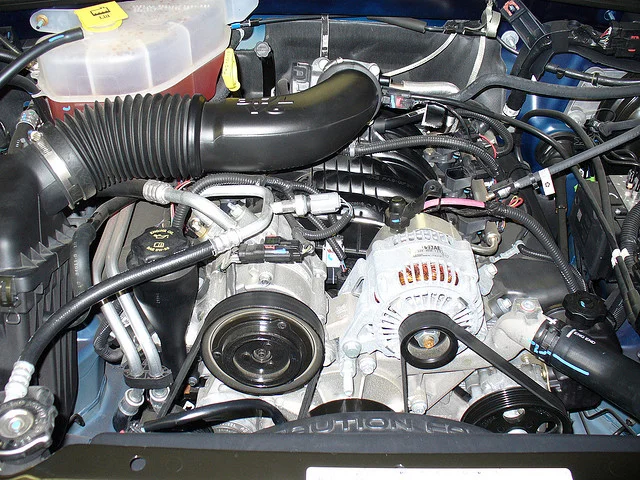
Pros and Cons of Each Option
- New Engine: This is generally the most expensive option, but it comes with the most peace of mind. You’re getting a factory-fresh engine with a comprehensive warranty, typically for several years or tens of thousands of miles. This is the best choice if you plan to keep your Liberty for many more years and want maximum reliability.
- Remanufactured Engine: Often a popular middle-ground, a remanufactured engine has been completely disassembled, inspected, and rebuilt to original factory specifications. Worn parts are replaced with new ones, and common failure points are often upgraded. They come with a solid warranty, usually comparable to or slightly less than a new engine, but at a lower cost. For many 2012 Jeep Liberty owners, this offers the best balance of cost and reliability.
- Used Engine: This is the most budget-friendly option, sourced from a salvage vehicle. The major downside is the uncertainty. While it’s tested, you don’t know its full history, and warranties are typically very limited (often 30-90 days, if any). A used engine can save you thousands, but it’s a higher risk. This option is best if you’re on a very tight budget or only need the vehicle to last for a short period.
Making the Right Choice for Your Budget
Consider your personal circumstances. If your Liberty is otherwise in excellent shape with low mileage on the chassis and interior, investing in a new or remanufactured engine makes good financial sense for longevity. For example, if your Jeep’s body is rust-free and the transmission is strong, a quality remanufactured engine could give it another 5-7 years of reliable service. However, if the vehicle has other significant issues, opting for a cheaper used engine might be more appropriate, extending its life just enough without over-investing.
Deciding if an Engine Replacement is Worth It for Your 2012 Liberty
This is arguably the most crucial decision. An engine replacement is a significant investment, often representing a substantial percentage of your 2012 Jeep Liberty’s current market value. You need to weigh the repair cost against the vehicle’s overall condition and your financial alternatives.
Calculating the Break-Even Point
To determine if the repair is worthwhile, follow these steps:
- Determine Current Market Value: Use online resources like Kelley Blue Book (KBB) or Edmunds to get an estimate of your 2012 Jeep Liberty’s private party or trade-in value in its current condition (assuming a functioning engine).
- Get Accurate Repair Quotes: Obtain detailed quotes from several reputable mechanics for the engine replacement, specifying the type of engine (new, remanufactured, or used) you’re considering.
- Compare: If the engine replacement cost is more than 70-80% of your vehicle’s market value, it often makes more sense to put that money towards a different vehicle. For example, if your Liberty is valued at $6,000, and a remanufactured engine replacement costs $5,500, you might be better off exploring other options.
Remember, this calculation doesn’t include the value of having a car you already know and trust.
Future Value vs. Repair Cost
Beyond the raw numbers, consider the “known unknown” factor. You know your Liberty’s history. You know its quirks, its maintenance schedule, and its reliability (or lack thereof). Buying a new or used vehicle introduces a whole new set of unknowns, potential new car payments, higher insurance, and immediate depreciation.
Ask yourself:
- How much life is left in other major components? Is the transmission healthy? Are the suspension components in good shape? Is there significant rust on the frame or body? Replacing an engine only for the transmission to fail next year might not be a wise investment.
- What is your budget for a replacement vehicle? Can you afford a down payment and new monthly payments for a different car that truly meets your needs?
- How long do you plan to keep the vehicle? If you only need it for another year or two, a cheaper used engine might suffice. If you’re looking for another 5+ years, a quality remanufactured or new engine could be a sound investment.
Often, repairing a known vehicle, even with a major expense like an engine, can be more cost-effective in the long run than stepping into unknown territory with a new purchase, especially when factoring in sales tax, registration, and initial depreciation.
Conclusion
Replacing the engine in your 2012 Jeep Liberty is a significant undertaking with a wide range of costs, typically spanning from $3,500 to $8,000 or more depending on labor rates, engine type, and additional repairs. The choice between a new, remanufactured, or used engine heavily influences both the price and your Liberty’s future reliability.
Ultimately, the decision to proceed comes down to a careful evaluation of the repair cost against your vehicle’s current value, its overall condition, and your long-term plans. Don’t rush this choice. Get multiple detailed quotes, thoroughly assess the state of your Jeep Liberty, and consider all your financial options. Making an informed decision will ensure your investment leads to the best possible outcome for your wallet and your trusty Liberty.
💬 Quick Questions & Answers
What’s the average cost for a 2012 Jeep Liberty engine replacement?
It typically ranges from $4,000 to $7,000, but can vary based on engine type and labor rates.
How much does labor usually cost for this job?
Labor often accounts for $1,500 to $2,500 due to the complexity and numerous hours involved.
Is a used engine cheaper for a 2012 Jeep Liberty?
Yes, a used engine is generally the least expensive option, but carries higher risks and shorter warranties.
How long does an engine replacement take?
The process can take anywhere from 15-30 hours of shop time, often a few days to a week in total.
Should I replace or sell my 2012 Jeep Liberty with a blown engine?
Compare the replacement cost to the vehicle’s market value and your long-term ownership plans to decide.
❓ Frequently Asked Questions
What specifically contributes to the high cost of a 2012 Jeep Liberty engine replacement?
The cost is primarily driven by the engine assembly itself, which can be thousands of dollars, plus the extensive labor hours required for removal and installation. Additional expenses might include new fluids, gaskets, and potentially other components like a new water pump or spark plugs if not included with the engine.
What are the pros and cons of choosing a new, remanufactured, or used engine for my 2012 Jeep Liberty?
New engines offer reliability and warranty but are most expensive. Remanufactured engines are fully rebuilt to OEM specs, providing a good balance of cost and reliability with a warranty. Used engines are cheapest but carry the highest risk of unknown history and potentially shorter lifespan, often with limited warranties.
How can I reduce the overall cost of replacing the engine in my 2012 Jeep Liberty?
To reduce costs, consider a quality used or remanufactured engine, get multiple quotes from different reputable shops, and ensure the shop charges a fair labor rate. Sometimes, performing preventative maintenance on the new engine (like new spark plugs or belts) while it’s out can save future labor costs.
What is the typical warranty coverage for a replacement engine in a 2012 Jeep Liberty?
Warranty coverage varies significantly by engine type and supplier. New and remanufactured engines typically come with a 1-year to 3-year unlimited mileage warranty, while used engines often have much shorter warranties, sometimes only 90 days or 6 months. Always confirm warranty details before purchasing.
Are there any specific issues with 2012 Jeep Liberty engines (3.7L V6 or 2.4L I4) that might warrant replacement?
The 3.7L V6 in the Liberty is known for camshaft and lifter issues, as well as head gasket failures at higher mileages, which can lead to engine replacement. The less common 2.4L I4 is generally more robust but can suffer from oil consumption or timing chain problems if neglected.
What other components should I consider replacing or inspecting when doing an engine swap?
It’s wise to inspect or replace the water pump, thermostat, spark plugs, ignition coils, engine mounts, and all belts and hoses while the engine is out for easier access. The transmission fluid and filter should also be checked, and potentially replaced, as the transmission will be separated from the engine during the swap.