Toyota 4Runner Strut Replacement Cost: Your Full Guide
📋 Table of Contents
- 🎯 Key Takeaways
- Understanding Toyota 4Runner Strut Replacement Costs
- Factors Influencing Strut Replacement Pricing (Parts & Labor)
- DIY Strut Replacement vs. Professional Installation: A Cost Comparison
- Tips to Save Money and Extend Strut Lifespan
- Conclusion
- 💬 Quick Questions & Answers
- ❓ Frequently Asked Questions
Toyota 4Runner strut replacement costs can vary significantly, typically ranging from $500 to $1,500 per axle for parts and labor. Factors like parts quality, mechanic rates, and whether you DIY or hire a professional heavily influence the final price. Understanding these variables helps you budget accurately and choose the best option for your vehicle.
🎯 Key Takeaways
- Get multiple quotes to compare costs effectively.
- DIY can save labor, but requires tools and skill.
- Premium struts offer better performance and longevity.
- Always get a wheel alignment after strut replacement.
- Factor in related parts like mounts and boots.
Ever notice your Toyota 4Runner feeling a bit bouncier on rough roads? Perhaps you’re hearing an unfamiliar clunk when going over speed bumps. These are common signs that your vehicle‘s struts might be nearing the end of their lifespan.
Your 4Runner’s struts are more than just shock absorbers; they’re vital components for handling, ride comfort, and most importantly, your safety. Understanding the cost involved in replacing them can help you budget and make informed decisions. This guide will break down everything you need to know about Toyota 4Runner altima strut replacemen content 1.webp”>altima strut replacemen featured.webp”>strut replacement costs.
Understanding Toyota 4Runner Strut Replacement Costs
When you start researching “Toyota 4Runner strut replacement cost,” you’ll quickly discover a wide range of prices. It’s not a one-size-fits-all expense. The total cost typically breaks down into two main components: the parts themselves and the labor to install them. For a Toyota 4Runner, which is known for its robust suspension, you’ll want quality parts to maintain its performance and reliability. Skipping on quality here could lead to premature wear and further issues down the line.
What Are Struts and Why Do They Need Replacing?
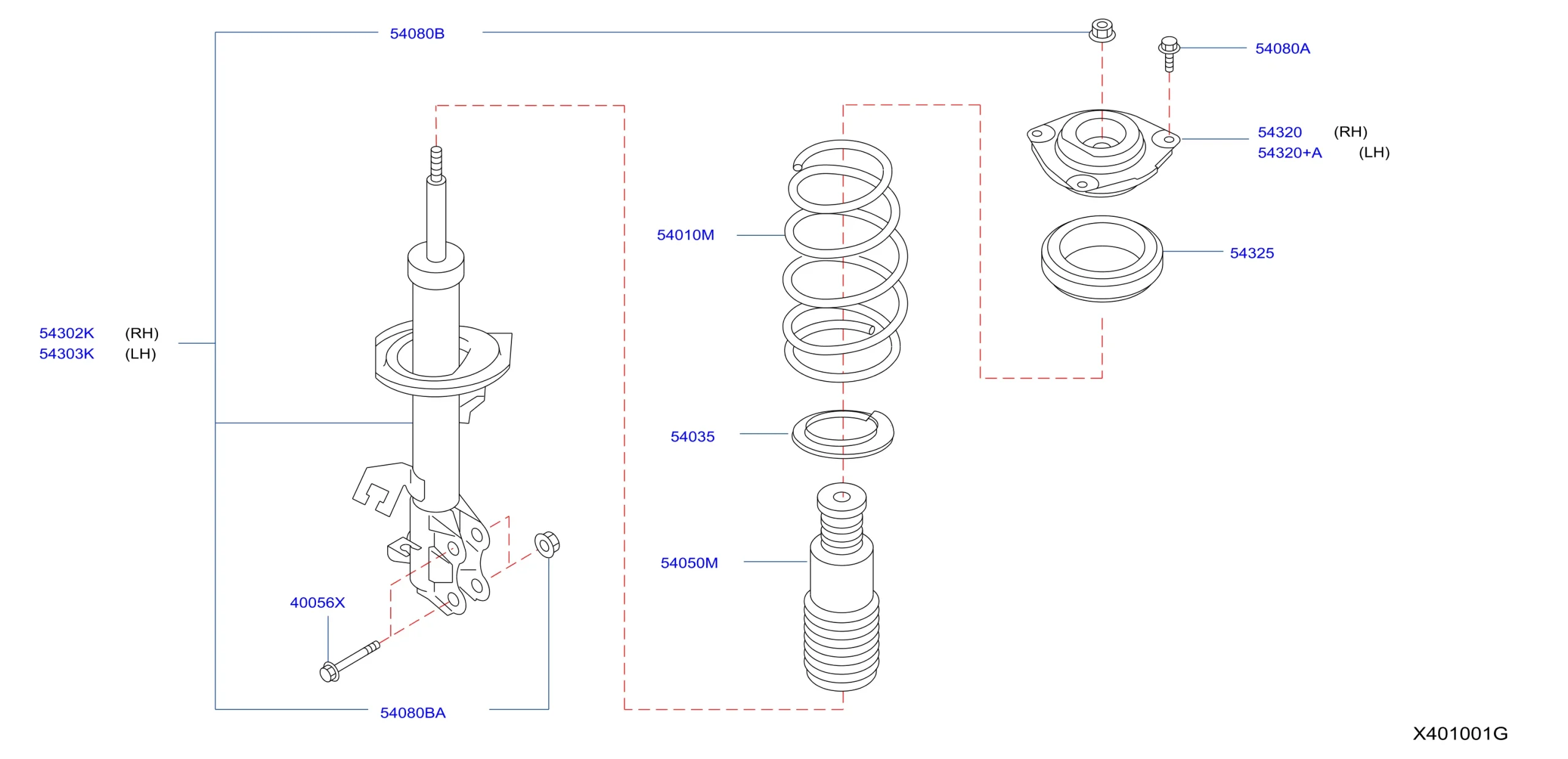
Think of your 4Runner’s struts as a core part of its suspension system. Each strut combines a shock absorber and a coil spring into a single unit. They support the vehicle’s weight, absorb bumps, and help maintain tire contact with the road. Over time, internal components wear out. Seals can leak, reducing damping effectiveness. Springs can lose their tension. This wear causes a noticeable decline in ride quality, handling precision, and braking stability. Ignoring worn struts can lead to accelerated wear on tires, brakes, and other suspension components, costing you even more in the long run.
Typical Cost Ranges for Parts and Labor
Let’s talk numbers. Generally, replacing all four struts on a Toyota 4Runner can cost anywhere from $800 to $2,000 or more. This range largely depends on the type of struts you choose and where you have the work done. For just the parts, a single strut assembly can range from $150 to $400 for a reputable aftermarket brand, or even higher for OEM (Original Equipment Manufacturer) parts. Labor costs usually range from $100 to $300 per strut, sometimes more depending on your location and the shop’s rates. It’s often recommended to replace struts in pairs on the same axle to maintain balanced handling. Some shops might offer a slight discount for doing all four at once.
Factors Influencing Strut Replacement Pricing (Parts & Labor)
The total price you pay for new struts on your 4Runner isn’t fixed. Several key factors contribute to the final bill. Being aware of these elements helps you understand quotes and make smart choices for your vehicle and your wallet. It’s about finding the right balance between cost, quality, and performance for your specific driving needs and expectations.
Choosing the Right Struts: OEM vs. Aftermarket
One of the biggest cost drivers is the choice of parts. You generally have two main categories:
- OEM (Original Equipment Manufacturer) Struts: These are the exact parts Toyota installed on your 4Runner at the factory. They guarantee a perfect fit and the original ride quality. However, they are typically the most expensive option. Expect to pay a premium for the brand name and guaranteed compatibility.
- Aftermarket Struts: These are made by third-party manufacturers. Brands like Bilstein, KYB, Monroe, and Eibach offer high-quality options that often meet or exceed OEM specifications. Aftermarket struts can be significantly more affordable. Some even offer performance upgrades, like better damping for off-roading or a firmer ride. You can often save hundreds of dollars by choosing a reputable aftermarket brand.
When selecting aftermarket parts, always research reviews and ensure they are compatible with your specific 4Runner model year and trim. Don’t simply go for the cheapest option, as quality can vary widely.
Where You Get the Work Done Matters
Labor costs are another significant variable. Here’s a breakdown of common options:
- Dealerships: Toyota dealerships generally have the highest labor rates. You’re paying for specialized technicians, genuine Toyota parts, and often a more comfortable waiting area. They offer peace of mind, but at a higher price.
- Independent Mechanics/Specialty Shops: These shops often offer a good balance of expertise and affordability. Many independent shops specialize in suspension work or 4×4 vehicles, making them an excellent choice for a 4Runner. Their labor rates are typically lower than dealerships, and they might be more flexible with part choices.
- DIY (Do-It-Yourself): If you have mechanical experience, the right tools, and a safe workspace, replacing struts yourself can save you a substantial amount on labor. However, this job requires specific tools, like a spring compressor, and improper installation can be dangerous or lead to further issues. It’s not a beginner-friendly task.
Always get multiple quotes and ask about the warranty on both parts and labor before committing to a shop.
DIY Strut Replacement vs. Professional Installation: A Cost Comparison
Deciding between tackling strut replacement yourself or hiring a professional is a major factor in the overall cost. Both approaches have their distinct advantages and disadvantages, primarily revolving around labor costs, required tools, and your comfort level with automotive work.
Understanding the DIY Savings
The most compelling reason for a DIY strut replacement is the significant saving on labor, which can typically range from $100 to $200 per strut, or even more, depending on your shop’s hourly rate and the complexity of the job. If you’re mechanically inclined and have the time, this can feel like found money. However, remember that DIY isn’t “free labor.” You’ll need specific tools, such as a sturdy jack, jack stands, a torque wrench, and crucially, a spring compressor. While some of these tools can be rented from auto parts stores for free or a small fee, purchasing them could add $150-$300 to your initial outlay. For example, a quality spring compressor can cost $50-$150, but improper use can be extremely dangerous. A full strut assembly (quick-strut) negates the need for a spring compressor, making DIY much safer and simpler.
When Professional Installation Makes Sense
For many 4Runner owners, professional installation is the wiser choice. This is especially true if you:
- Lack the specialized tools or a suitable workspace.
- Are uncomfortable with the technical aspects or safety risks involved (especially with spring compressors).
- Don’t have the time; a professional can often complete the job in a few hours, whereas a novice DIYer might spend an entire weekend.
- Want the peace of mind that comes with a professional warranty on both parts and labor.
While a professional job might run you $800-$1500 per axle for parts and labor, doing it yourself could cut that to $400-$800 for parts alone, if you already own the necessary tools or factor in their rental/purchase. It’s an investment in your safety and your vehicle’s performance.
Tips to Save Money and Extend Strut Lifespan
Even if you opt for professional installation, there are smart ways to minimize costs. Moreover, proactive maintenance can significantly prolong the life of your new struts, delaying future replacement expenses.
Smart Shopping for Parts and Services
Being an informed consumer can trim hundreds of dollars off your strut replacement bill.
- Compare Quotes: Don’t just settle for the first quote. Call at least three reputable shops in your area. You might be surprised by the price variations.
- Aftermarket Options: Research reputable aftermarket brands like Bilstein, KYB, or Rancho. Often, these offer quality comparable to or even superior to OEM parts, but at a more competitive price. Always ensure they are designed for your specific 4Runner model and year.
- Bundle Services: Sometimes shops offer discounts if you combine strut replacement with other services, such as a wheel alignment (which is crucial after strut work) or tire rotation.
- Look for Sales: Keep an eye out for seasonal sales or promotions on suspension parts from retailers or even from your preferred repair shop.
Don’t be afraid to ask questions about labor rates, parts markups, and warranties. Transparency is key to getting the best value.
Maintenance Habits to Maximize Longevity
Once those new struts are installed, a little care goes a long way in ensuring they last.
- Mind Your Driving: Reduce speed on rough roads and try to avoid potholes, speed bumps, and curbs whenever possible. Harsh impacts are a leading cause of premature strut wear.
- Regular Inspections: During your routine oil changes or tire rotations, ask your mechanic to visually inspect your struts for any signs of leakage, rust, or damage to the dust boots. Early detection can prevent minor issues from becoming costly repairs.
- Maintain Tire Pressure: Properly inflated and rotated tires help distribute road impacts evenly, reducing undue stress on your suspension components, including the struts.
- Prompt Alignments: After any suspension work, a wheel alignment is critical. Misaligned wheels can cause uneven wear on tires and put extra strain on your new struts, leading to early failure. Get an alignment if you notice your 4Runner pulling to one side.
Conclusion
Replacing the struts on your Toyota 4Runner is an essential maintenance task that ensures comfort, safety, and optimal handling. As we’ve explored, the total cost can vary significantly based on your choice of parts, whether you opt for DIY or professional installation, and your geographic location. By understanding these factors, getting multiple quotes, and considering quality aftermarket options, you can make an informed decision that suits your budget and needs. Investing in quality struts and maintaining them properly means your 4Runner will continue to deliver that legendary smooth and capable ride for many more miles to come.
💬 Quick Questions & Answers
What’s the average cost for 4Runner strut replacement?
It typically ranges from $250-$750 per strut, including parts and labor, depending on the strut type and mechanic.
Can I replace just one strut on my 4Runner?
While possible, it’s generally recommended to replace struts in pairs (front or rear) to maintain balanced suspension performance and safety.
How long do 4Runner struts last?
4Runner struts usually last between 50,000 to 100,000 miles, though severe driving conditions can shorten their lifespan.
What are signs my 4Runner struts need replacing?
Signs include excessive bouncing, nose-diving during braking, fluid leaks, or unusual noises over bumps and potholes.
Is a wheel alignment necessary after replacing struts?
Yes, a wheel alignment is crucial after strut replacement to correct camber and toe, ensuring proper tire wear and handling.
❓ Frequently Asked Questions
What are the primary cost components for Toyota 4Runner strut replacement?
The primary cost components are parts (struts, mounts, boots) and labor. Strut prices vary by brand and type (OEM, aftermarket, performance), while labor rates depend on your location and the shop’s expertise, often requiring 2-4 hours per axle to complete the job.
How much more expensive are performance struts compared to standard OEM 4Runner struts?
Performance struts like Bilstein or King Shocks can be significantly more expensive than standard OEM replacements, often costing 1.5 to 3 times more per unit. While they offer improved handling and durability, this increased cost should be factored into your budget and driving needs.
What are the risks and potential savings of attempting a DIY 4Runner strut replacement?
DIY replacement can save hundreds in labor costs, potentially reducing the total by 50% or more. However, it requires specialized tools like a spring compressor, mechanical knowledge, and carries risks of injury or improper installation if not done carefully, potentially leading to further costly repairs.
Besides the struts themselves, what other parts should I consider replacing during the job to avoid future issues?
It’s highly recommended to replace strut mounts, bearings, and dust boots when replacing struts, as these components wear out simultaneously. Replacing them at the same time prevents needing another labor-intensive job soon after and ensures the longevity of your new struts.
Does replacing struts impact my 4Runner’s alignment, and what’s the typical cost for that service?
Yes, strut replacement directly affects your 4Runner’s alignment by changing suspension geometry. A professional wheel alignment is essential afterwards, typically costing between $80 and $150, to ensure proper steering, handling, and prevent premature tire wear.
How can I identify a reputable mechanic for 4Runner strut replacement without overpaying?
Look for shops with positive online reviews, ask for detailed written quotes from at least two different places, and inquire about their warranty on parts and labor. Be wary of significantly low quotes, as they might indicate lower-quality parts or rushed work that could compromise your vehicle’s safety and performance.