BMW Tie Rod Replacement Cost: Your Comprehensive Guide
📋 Table of Contents
BMW tie rod replacement costs typically range from $200 to $600 per axle, heavily influenced by the specific model, part type (OEM vs. aftermarket), and labor rates. An essential wheel alignment is always required after replacement to ensure proper steering and prevent premature tire wear.
🎯 Key Takeaways
- BMW tie rod replacement costs $200-$600 per axle.
- Always get a wheel alignment after tie rod replacement.
- OEM parts are pricier but often offer better quality.
- DIY replacement saves labor but requires special tools.
- Inspect steering components annually to prevent issues.
Do you ever notice your beloved BMW pulling to one side, or perhaps feel a disconcerting looseness in the steering wheel? These sensations can be unsettling. They might also signal a critical issue with your vehicle’s steering system.
One common culprit for such symptoms is a worn or failing tie rod. Understanding the potential replacement cost is vital for any BMW owner. It helps you prepare financially and ensures your car remains safe and performs optimally on the road. This guide will walk you through everything you need to know about BMW tie rod replacement expenses.
Understanding Average BMW Tie Rod Replacement Costs
When facing a tie rod replacement, your first question is likely, “How much will this cost?” The truth is, it varies. However, we can give you a clear picture of the typical ranges you might encounter for your BMW.

General Cost Breakdown
The average total cost for a BMW tie rod replacement usually falls between $200 and $600 per axle. This estimate includes both parts and labor. Keep in mind that most BMWs have two tie rods per front axle. Often, shops recommend replacing them in pairs to ensure even wear and optimal steering performance. Replacing both at once can save you money on labor in the long run.
- Parts Cost: You can expect to pay anywhere from $50 to $200 per tie rod. This price depends heavily on your BMW model and whether you choose OEM or aftermarket parts.
- Labor Cost: Labor typically ranges from $100 to $300 per side, or $200 to $600 for both sides on the front axle. This includes the actual replacement and a mandatory wheel alignment.
- Wheel Alignment: This step is non-negotiable. After replacing tie rods, a professional wheel alignment is crucial. It ensures your steering geometry is correct and prevents premature tire wear. This service alone often costs between $80 and $150.
Inner vs. Outer Tie Rods
Your BMW’s steering system uses both inner and outer tie rods. Each plays a distinct role. They also have different associated costs and repair complexities.
- Outer Tie Rods: These are usually easier to access and replace. They connect directly to your wheel hub. Replacement often involves simpler labor, making them generally less expensive to fix.
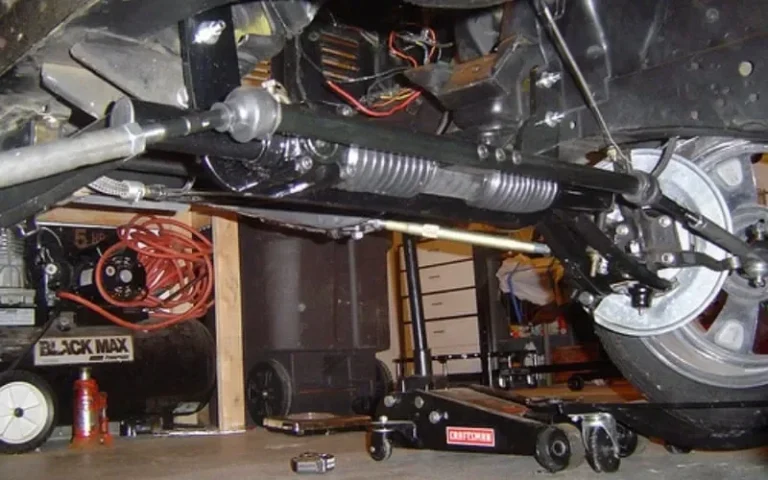
- Inner Tie Rods: These are located deeper within the steering rack. Replacing an inner tie rod is more labor-intensive. It often requires removing the boot and can take more time. Consequently, inner tie rod replacement often carries a higher labor cost.
Always ask your mechanic to specify which tie rod needs replacement. This clarity helps you understand the quote better. It also ensures you are only paying for necessary repairs.
Key Factors Influencing Tie Rod Replacement Price
While we’ve provided average costs, several key elements can significantly sway your final bill. Understanding these factors empowers you to make informed decisions about your BMW’s repair.
BMW Model and Part Quality
The specific BMW model you drive is a major determinant of cost. Parts for a high-performance M series or a newer 7 Series often cost more than those for an older 3 Series. The complexity of the suspension system also plays a role in labor time.
- Model Specificity: Parts for certain luxury or high-performance BMW models can be more expensive. They might also require specialized tools or knowledge for installation.
- Part Quality: You typically have a choice between original equipment manufacturer (OEM) parts and aftermarket alternatives.
- OEM Parts: These are genuine BMW parts. They guarantee a perfect fit and identical performance to the original. They also come with a higher price tag.
- Aftermarket Parts: These are manufactured by third-party companies. They can offer significant savings. However, quality can vary greatly. Always choose reputable brands known for their reliability.
Choosing high-quality parts, whether OEM or trusted aftermarket, is a wise investment. It ensures longevity and safety for your BMW.
Labor Rates and Additional Services
Where you get your BMW serviced greatly affects the labor portion of your bill. Labor rates can differ widely based on location and the type of repair facility.
- Shop Type:
- BMW Dealerships: They typically have the highest labor rates. However, you get specialized BMW-trained technicians and genuine parts.
- Independent BMW Specialists: These shops often offer a balance. They have BMW expertise at slightly lower rates than dealerships.
- General Repair Shops: Their rates are usually the lowest. Ensure they have experience with BMW vehicles and proper diagnostic tools.
- Geographic Location: Labor costs are higher in metropolitan areas compared to rural regions. This is a common trend across all automotive repairs.
- Additional Services: Sometimes, a worn tie rod is a symptom of a larger issue. Your mechanic might recommend inspecting or replacing other steering or suspension components. This could include control arms, ball joints, or even the steering rack itself. While these add to the cost, addressing them preventatively can save you money and headaches down the road.
Always get a detailed quote before agreeing to any work. Understand what’s included. Ask about potential additional charges.
DIY vs. Professional BMW Tie Rod Replacement: Cost & Risks
Deciding between tackling a tie rod replacement yourself or entrusting it to a professional can significantly impact both your wallet and your safety. It’s a choice that weighs potential savings against critical expertise.
The DIY Path: Savings and Serious Considerations
Opting for a do-it-yourself tie rod replacement can seem appealing, primarily because you’re eliminating labor costs, which can range from $200 to $400 per axle. You’ll need some essential tools: a reliable jack, jack stands, a torque wrench, and crucially, a tie rod puller or separator. While the parts themselves are relatively inexpensive, the risks associated with improper installation are substantial.
A poorly installed tie rod can lead to premature wear, poor handling, and, most dangerously, a catastrophic steering failure. Even if you manage the mechanical swap perfectly, the subsequent wheel alignment is non-negotiable. Without professional alignment, your tires will wear unevenly and rapidly, costing you more in new tires than you saved on labor. Imagine saving $200 on labor only to need $500 worth of new tires in six months due to poor alignment – not a win.
Why Professional Service Often Pays Off
Hiring a qualified BMW mechanic, or visiting a reputable independent shop, offers a significant return on investment in peace of mind and safety. Professionals possess specialized tools, access to vehicle-specific repair data, and the experience to perform the replacement correctly and efficiently. More importantly, they will perform a precise wheel alignment immediately after the replacement, ensuring your BMW handles as it should and prevents premature tire wear.
Many shops also offer a warranty on their parts and labor, providing an extra layer of protection. While the initial labor cost might seem high, consider it an investment in your BMW’s safety, longevity, and overall driving experience. It ensures the job is done right the first time, preventing further costly issues down the road.
Symptoms of Worn Tie Rods and When to Seek Replacement
Ignoring the subtle (or not-so-subtle) signs of worn tie rods is a dangerous gamble. Your steering system is paramount to your safety, and knowing what to look for can help you address issues before they become critical.
Warning Signs Your BMW Needs Attention
As tie rods wear out, they lose their ability to precisely connect your steering rack to your wheels, leading to noticeable changes in your BMW’s handling. Keep an eye out for these common symptoms:
- Loose or Sloppy Steering: If your steering wheel feels less responsive, or there’s excessive play before the wheels react, this is a strong indicator. You might find yourself constantly making small corrections to keep the car straight.
- Uneven Tire Wear: One of the clearest visual cues is uneven wear on your tires, particularly on the inner or outer edges. This happens because the worn tie rod prevents the wheel from maintaining its correct alignment with the road.
- Shaking or Vibrating Steering Wheel: A shaky steering wheel, especially at higher speeds or during braking, can point to worn tie rods. The vibration might intensify when you hit bumps.
- Clunking or Popping Noises: When turning at low speeds, or going over bumps, you might hear metallic clunking or popping sounds emanating from the front end. This is often the worn ball joint within the tie rod moving excessively.
- Misaligned Wheels: If your steering wheel isn’t straight when you’re driving in a straight line, or your car consistently pulls to one side, even on a flat road, a worn tie rod could be a significant factor.
Timely Replacement: Don’t Delay
If you notice any of these symptoms, it’s crucial to have your BMW inspected by a qualified mechanic without delay. Worn tie rods don’t just affect handling; they compromise your ability to steer safely. Ignoring these warning signs can lead to a catastrophic failure, where the tie rod completely separates, causing a sudden and complete loss of steering control – a terrifying and extremely dangerous scenario.
Beyond safety, delaying replacement can also lead to accelerated wear on other suspension and steering components, potentially turning a relatively straightforward tie rod fix into a much more expensive repair involving tires, control arms, or even the steering rack itself. Act promptly to keep your BMW safe and your repair costs manageable.
The Bottom Line on BMW Tie Rod Replacement
Replacing worn tie rods on your BMW is a critical maintenance task for both safety and performance. While costs can vary depending on your BMW model, parts (inner vs. outer, OEM vs. aftermarket), and labor rates, budgeting between $200 and $600 per axle is a realistic estimate for professional service.
Though DIY might offer some initial savings, the expertise, specialized tools, and crucial post-replacement alignment provided by a professional mechanic often make it the wiser, safer, and ultimately more cost-effective choice. Pay close attention to warning signs like loose steering, uneven tire wear, or unusual noises. If you suspect an issue, get it inspected promptly. Investing in timely, professional tie rod replacement ensures your BMW remains a joy to drive and, most importantly, keeps you safe on the road.
💬 Quick Questions & Answers
How much does it cost to replace BMW tie rods?
Expect to pay between $200-$600 per axle for parts and labor, depending on your BMW model and repair shop.
Can I drive with a bad tie rod?
Driving with a bad tie rod is extremely unsafe as it can lead to sudden loss of steering control, making immediate repair crucial.
Is a wheel alignment needed after tie rod replacement?
Yes, a professional wheel alignment is absolutely critical after replacing tie rods to ensure correct steering geometry and prevent tire wear.
How long do BMW tie rods typically last?
BMW tie rods generally last between 50,000 to 100,000 miles, but this can vary based on driving conditions and road quality.
Are inner or outer tie rods more expensive to replace?
Inner tie rods can sometimes have slightly higher labor costs due to their more complex access, while part prices are often similar.
❓ Frequently Asked Questions
What are the primary components of the BMW tie rod replacement cost?
The total cost for BMW tie rod replacement primarily breaks down into the price of the parts (inner and outer tie rods, possibly boots) and the labor charge for installation. Parts can range from $50-$200 per side, while labor typically adds $100-$300, plus a separate alignment fee.
How does my specific BMW model and year affect the replacement cost?
Newer BMW models or those with sport suspensions might use more specialized tie rod designs or integrated components, driving up part costs. Older models might have more readily available and affordable aftermarket options, offering a wider range of price points.
What are the risks if I delay replacing a worn BMW tie rod?
Delaying tie rod replacement poses significant safety risks, including erratic steering, reduced control, uneven and rapid tire wear, and potential damage to other suspension components. In severe cases, a completely failed tie rod can cause a wheel to turn independently, leading to a serious accident.
Is it necessary to replace both tie rods if only one is showing wear?
While not strictly mandatory, it is highly recommended to replace both tie rods on an axle if one is worn. This ensures balanced steering performance, proactive maintenance for the other side, and often prevents needing another alignment shortly after.
What is the cost difference between OEM and aftermarket BMW tie rod parts?
OEM (Original Equipment Manufacturer) BMW tie rods are generally more expensive but offer guaranteed fitment and quality, often lasting longer. Aftermarket parts can be significantly cheaper, providing a budget-friendly alternative, though quality can vary widely among brands.
Does the tie rod replacement service always include a wheel alignment?
A proper tie rod replacement should always be followed by a professional wheel alignment. While some shops might include it, it’s often a separate charge. Ensuring proper alignment is critical to correct steering, prevent rapid tire wear, and maintain vehicle safety.