2014 Ford Focus Dual Clutch Replacement Cost: What to Expect
📋 Table of Contents
- 🎯 Key Takeaways
- Understanding the 2014 Ford Focus DPS6 Dual Clutch Issue
- Average Replacement Cost Breakdown: Parts & Labor
- Factors Influencing Your 2014 Focus Dual Clutch Repair Bill
- Saving Money on Your Ford Focus Dual Clutch Replacement
- Conclusion
- 💬 Quick Questions & Answers
- ❓ Frequently Asked Questions
The average 2014 Ford Focus dual clutch replacement cost typically ranges from $2,500 to $4,000, largely due to specialized parts and labor. This vital repair addresses common issues with the DPS6 transmission, improving vehicle drivability. Understanding these costs helps owners budget and make informed decisions about their vehicle’s longevity.
🎯 Key Takeaways
- Expect $2,500-$4,000 for a 2014 Focus dual clutch replacement.
- Professional installation is crucial for proper function.
- Always get a diagnostic before approving the repair.
- Check for extended warranties or recalls on your DPS6.
- Compare quotes from multiple certified repair shops.
Have you ever felt a strange shudder, hesitation, or even a complete loss of power in your 2014 Ford Focus? If so, you’re certainly not alone. Thousands of owners of this popular compact car eventually encounter problems with its infamous PowerShift DPS6 dual-clutch transmission. It’s a widespread issue that can quickly turn a smooth daily commute into a frustrating and often concerning experience.
Understanding the potential costs involved in addressing these transmission woes is incredibly important for any Focus owner. Facing a major repair like a dual-clutch replacement can be daunting, both financially and practically. But by knowing exactly what to expect, from the underlying causes to the average parts and labor expenses, you can approach the situation with confidence and make informed decisions. Let’s break down everything you need to know.
Understanding the 2014 Ford Focus DPS6 Dual Clutch Issue
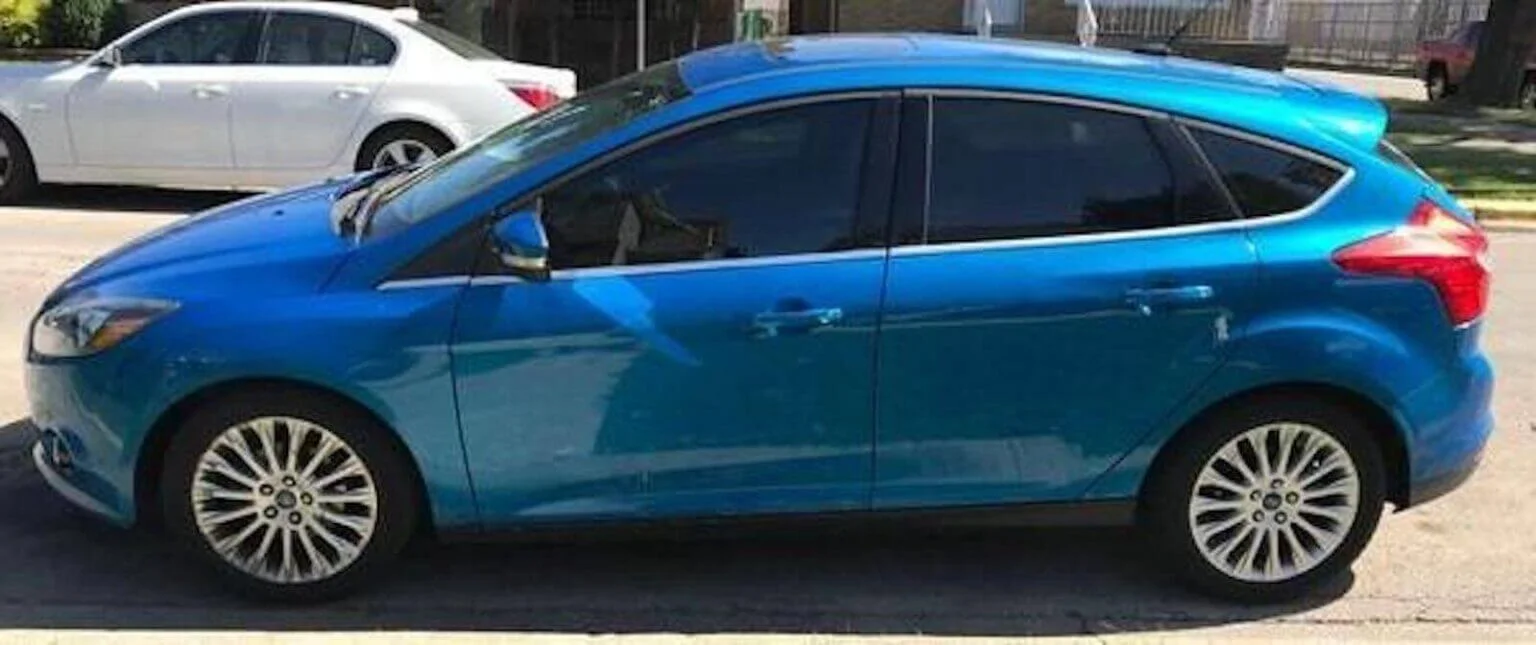
The 2014 Ford Focus, particularly models equipped with the PowerShift automatic transmission (also known as the DPS6), gained a reputation for significant transmission problems. This isn’t your traditional automatic. It’s an automated manual transmission. It uses two dry clutches to shift gears rapidly. This design promised better fuel economy. However, it often delivered a less than ideal driving experience for many owners.
Why the DPS6 Transmission Failed
The core of the problem lies in the dry clutch design. Unlike wet clutches, which are bathed in fluid, these dry clutches were prone to premature wear. The clutch material would degrade over time. This created fine dust. This dust would then interfere with the delicate clutch actuators. You might experience juddering, slipping, or harsh engagement. The transmission control module (TCM) also faced issues. Its software struggled to manage the clutches smoothly. This often led to erratic shifting behavior and poor driveability.
Common Symptoms You Might Experience
If you own a 2014 Ford Focus with the DPS6 transmission, you might recognize these common warning signs:
- Strong shuddering or jerking during acceleration, especially at low speeds or when starting from a stop.
- Noticeable hesitation or delay when the transmission shifts gears.
- A feeling of slipping, where the engine revs up, but your car doesn’t accelerate as expected.
- Loud clicking, grinding, or whirring noises coming from the transmission area.
- Warning lights appearing on your dashboard, such as a “Transmission Malfunction” message.
- Intermittent loss of power or complete stalling, making driving feel unsafe and unpredictable.
If you notice any of these symptoms, it’s crucial to have your Focus inspected by a qualified mechanic promptly. Ignoring these signs can lead to more severe and costly damage to your transmission system. Early diagnosis can sometimes save you money and prevent further complications down the road.
Average Replacement Cost Breakdown: Parts & Labor
When your 2014 Ford Focus dual-clutch transmission requires replacement, you’re looking at a significant investment. The total cost can vary quite a bit. It depends on several factors. These include your geographical location, the specific parts needed, and the type of repair shop you choose. Generally, you can expect the overall repair to fall within a broad range. This range typically starts from around $2,500 and can go up to $4,500 or more, especially if additional components are also faulty.
Cost of Parts: The Clutch Kit and More
The most substantial part expense in this repair is the dual-clutch assembly kit itself. This comprehensive kit includes both the primary and secondary clutches, associated bearings, and often new seals or gaskets necessary for the replacement. Here’s a breakdown:
- Dual-Clutch Kit: Expect to pay anywhere from $800 to $1,500 for the genuine Ford kit. While aftermarket options might be slightly cheaper, many mechanics recommend sticking with OEM (Original Equipment Manufacturer) parts for this critical transmission component to ensure reliability and proper fit.
- Transmission Control Module (TCM): If your TCM is also faulty—a very common accompanying issue with these transmissions—this will be an additional cost. A new TCM can add an extra $400 to $700 to the parts bill. Remember, this module also needs specialized programming after installation.
- Other Small Parts and Fluids: Gaskets, various seals, fresh transmission fluid, and potentially new bolts will also add to the parts total. These smaller, but essential, items usually amount to another $100-$200.
It’s essential to get a detailed quote from your chosen repair shop. This quote should clearly list all parts individually. This practice ensures transparency and helps you understand exactly what you’re paying for.
Labor Costs: The Time and Expertise Required
Replacing a dual-clutch assembly is a labor-intensive job. It requires specialized tools and significant expertise from the technician. It’s not a quick or simple fix, which is reflected in the labor costs.
- Time Estimate: A skilled technician will typically need anywhere from 6 to 10 hours to complete the entire replacement process. This includes carefully removing the transmission, replacing the clutch components, meticulously reassembling everything, and performing any necessary programming of the TCM.
- Hourly Rate: Shop labor rates vary significantly depending on where you live and the type of facility you choose. They can range from $90 to $150+ per hour. Dealerships often have higher rates compared to independent specialist shops.
- Total Labor Cost: Based on these typical rates, you’re looking at labor costs between $540 (for 6 hours at $90/hour) and $1,500 (for 10 hours at $150/hour).
Always ask for an itemized labor quote before any work begins. It’s also a good idea to seek out shops that specialize in Ford transmissions. They often have the most experience with these specific issues and may perform the repair more efficiently and effectively.
Factors Influencing Your 2014 Focus Dual Clutch Repair Bill
While we’ve established a general cost range, several variables can significantly shift your final repair bill for that 2014 Focus dual clutch. Understanding these can help you better anticipate and even manage expenses.
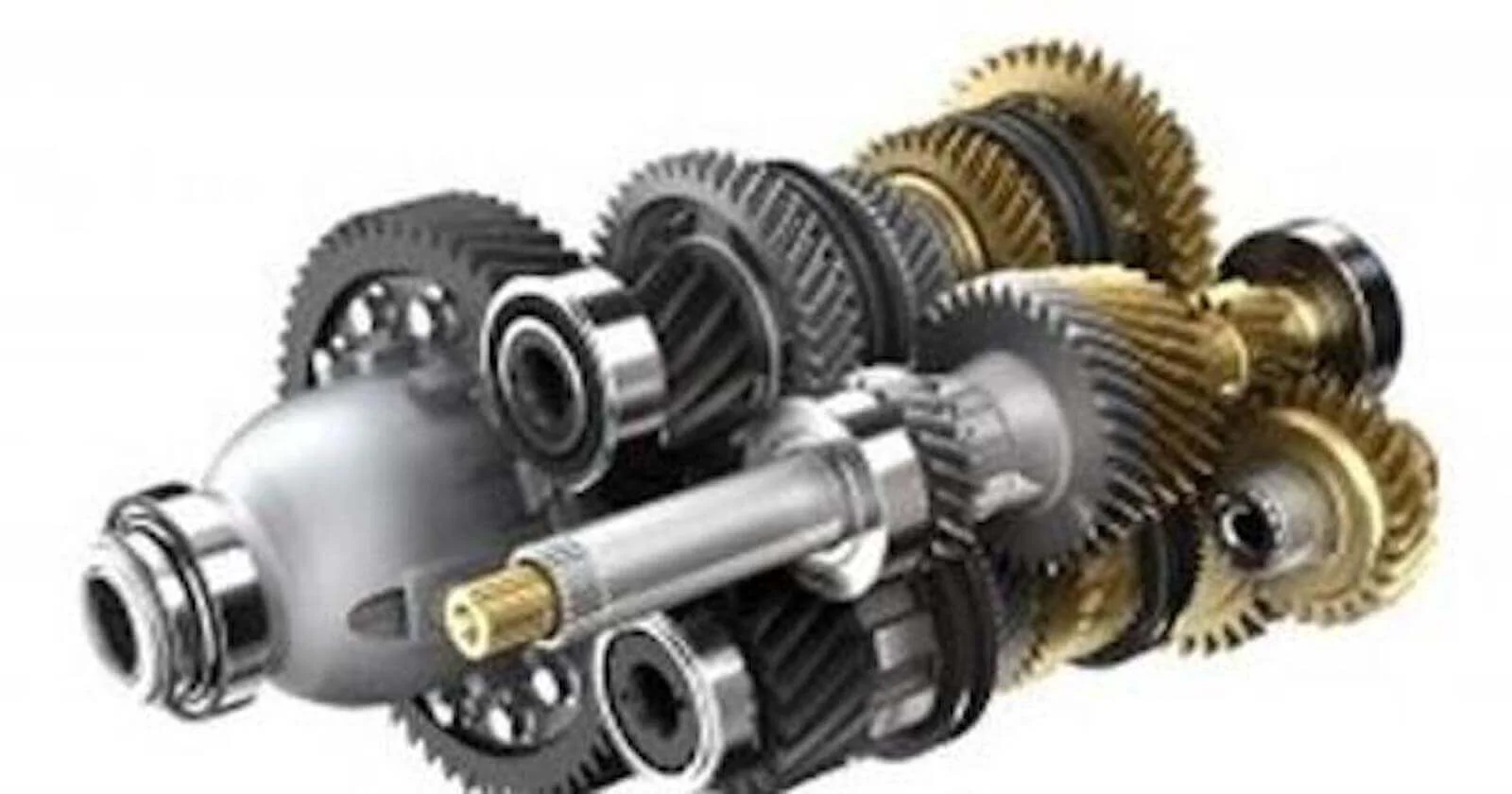
Dealership vs. Independent Mechanic
One of the biggest factors is where you choose to have the work done. A Ford dealership typically employs factory-trained technicians and uses genuine OEM (Original Equipment Manufacturer) parts. This often means higher labor rates and parts markups. For instance, a dealership might charge $150-$200 per hour for labor, whereas a reputable independent mechanic specializing in transmissions or Fords might charge $90-$130 per hour. The expertise at a dealership can be reassuring, but the cost difference can be substantial.
Parts Quality and Warranty Considerations
The type of parts used also plays a critical role. When replacing a dual clutch, you’re usually looking at a full clutch kit, which includes the clutch plates, pressure plate, and often the release bearing and flywheel. OEM parts are designed specifically for your Focus and often come with a good warranty from Ford. Aftermarket parts, from brands like LUK or Sachs, can be more affordable and often offer comparable quality, but their availability and specific warranty can vary. Always ask about the warranty on both parts and labor. A shop offering a 12-month/12,000-mile warranty provides more peace of mind than one offering nothing.
Saving Money on Your Ford Focus Dual Clutch Replacement
Facing a significant repair bill is never fun, but there are smart ways to approach your 2014 Focus dual clutch replacement that can help ease the financial burden without compromising on quality or safety.
Get Multiple Quotes
This is arguably the most crucial step. Never settle for the first estimate you receive. The costs can vary widely between different shops. Here’s how to do it effectively:
- Contact a Mix of Shops: Reach out to at least three different places – one Ford dealership and two well-regarded independent repair shops in your area that have experience with transmission work.
- Ask for Detailed Estimates: Insist on a written estimate that itemizes parts costs, labor hours, and any diagnostic fees. This allows for an apples-to-apples comparison.
- Clarify Warranty: Confirm the warranty offered on both parts and labor from each shop. A good warranty adds significant value.
You might find a difference of several hundred to even a thousand dollars across quotes. This simple step can save you a lot.
Consider Your Options Wisely
While saving money is important, choosing the absolute cheapest option isn’t always the best strategy for a complex repair like a dual clutch replacement. Here’s what to consider:
- Shop Reputation: Read reviews, ask for recommendations. A shop with a solid reputation for quality work, especially with Ford transmissions, is often worth a slightly higher price.
- Parts Choice: Discuss the pros and cons of OEM vs. quality aftermarket parts with your chosen mechanic. Sometimes a high-quality aftermarket clutch kit can offer excellent performance at a lower cost.
- Don’t Delay: Putting off the repair might seem like saving money, but a failing clutch can lead to further damage to other transmission components, ultimately costing you even more down the line.
Making an informed decision means balancing cost with reliability and expertise.
Conclusion
Replacing the dual clutch in your 2014 Ford Focus is a significant repair, often ranging from $2,500 to $4,000, primarily due to the specialized parts and labor involved. While this might seem daunting, understanding the cost components and knowing how to navigate the repair process can make it much more manageable.
Your best strategy involves proactive research: get multiple, detailed quotes from both dealerships and independent specialists, and carefully consider their reputation and warranty offerings. Don’t let the initial shock prevent you from taking action. Addressing the issue promptly can save you from more extensive and costly problems in the future. Be an informed consumer, and you’ll get your Focus back on the road smoothly.
💬 Quick Questions & Answers
What are common symptoms of a failing 2014 Focus dual clutch?
Common symptoms include shuddering, jerking, hesitation during acceleration, and noisy shifts, especially at low speeds.
How long does a 2014 Ford Focus dual clutch replacement take?
The replacement typically takes 6-8 hours of labor, but shop schedules can extend the total time to a few days.
Can I drive my 2014 Focus with a failing dual clutch?
Driving with a failing dual clutch is not recommended as it can cause further damage to the transmission and become unsafe.
Is the 2014 Ford Focus dual clutch covered by a recall or extended warranty?
Many 2014 Focus models received an extended warranty (10 years/150,000 miles) for the clutch; check your VIN for eligibility.
What’s the difference between clutch replacement and full transmission replacement cost?
Clutch replacement specifically addresses the dry clutch assembly, which is less expensive than replacing the entire gearbox.
❓ Frequently Asked Questions
Why is the 2014 Ford Focus dual clutch replacement so expensive?
The high cost is primarily due to the specialized nature of the DPS6 transmission, requiring specific tools, expertise, and often includes replacing the entire clutch pack assembly. Labor hours are also significant, making it a substantial repair.
What parts are typically replaced during a 2014 Focus dual clutch service?
The service usually involves replacing the dual clutch assembly, which includes clutch friction discs, pressure plates, and sometimes the clutch actuators and input shaft seals. It’s crucial that all related components are inspected and replaced if necessary to ensure longevity.
Is it possible to perform a DIY 2014 Ford Focus dual clutch replacement?
While technically possible for advanced DIYers with specialized tools, this is a highly complex repair that requires precise calibration and removal/installation procedures. It’s generally recommended for certified mechanics to ensure correct function and warranty compliance.
How can I tell if my 2014 Ford Focus dual clutch is failing, beyond basic symptoms?
Beyond shuddering or jerking, a failing dual clutch might present with a ‘Check Engine Light’ and specific diagnostic trouble codes (DTCs) related to transmission performance. A qualified technician can confirm the issue using specialized diagnostic equipment.
What should I look for when choosing a mechanic for this specific repair?
Look for mechanics or dealerships with extensive experience in Ford DPS6 transmissions and dual-clutch replacements, as this is a known issue. Ensure they offer a warranty on both parts and labor, and ask for written estimates detailing all costs.
What should I expect after a 2014 Focus dual clutch replacement, and how can I maintain it?
After replacement, you should experience smooth, shudder-free shifts and improved drivability. While ongoing maintenance for the clutch itself is limited due to its design, ensure you follow all manufacturer recommendations for general transmission service and promptly report any new issues.