2013 Ford Escape Turbo Replacement Cost: Your Full Guide
📋 Table of Contents
Replacing the turbocharger in a 2013 Ford Escape typically costs between $1,500 and $2,800. This range includes parts, which can be new, rebuilt, or aftermarket, and labor, which usually takes 4-7 hours depending on the shop.
🎯 Key Takeaways
- Expect $1,500-$2,800 for 2013 Ford Escape turbo replacement.
- Professional installation is highly recommended for turbo repairs.
- Signs include power loss, smoke, and unusual whining noises.
- Choose between new, remanufactured, or aftermarket turbos.
- Always obtain multiple quotes from certified mechanics.
Ever heard a subtle, yet unsettling, whine or even a loud grinding sound coming from your 2013 Ford Escape’s engine bay? If your trusty SUV feels sluggish or is burning through oil faster than usual, your turbocharger might be failing. This component is key to your Escape’s performance and fuel efficiency, especially if you have the 1.6L or 2.0L EcoBoost engine.
A failing turbocharger isn’t just an inconvenience; it can lead to more severe engine problems if left unaddressed. Understanding the potential costs involved in a replacement is vital for any 2013 Ford Escape owner. This guide will break down everything you need to know about turbo replacement expenses, helping you prepare for one of the more significant repairs your vehicle might need.
Detailed Breakdown of 2013 Ford Escape Turbo Replacement Costs
Replacing the turbocharger in your 2013 Ford Escape involves two primary cost components: the part itself and the labor to install it. These figures can vary widely based on your choices and location.
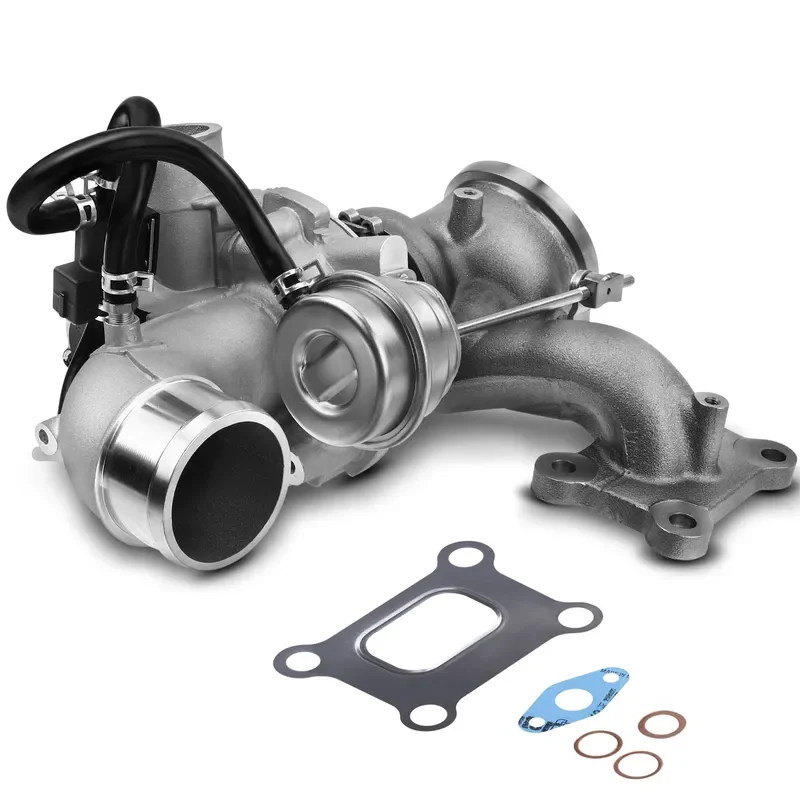
Understanding the Parts Cost: New vs. Rebuilt vs. Aftermarket
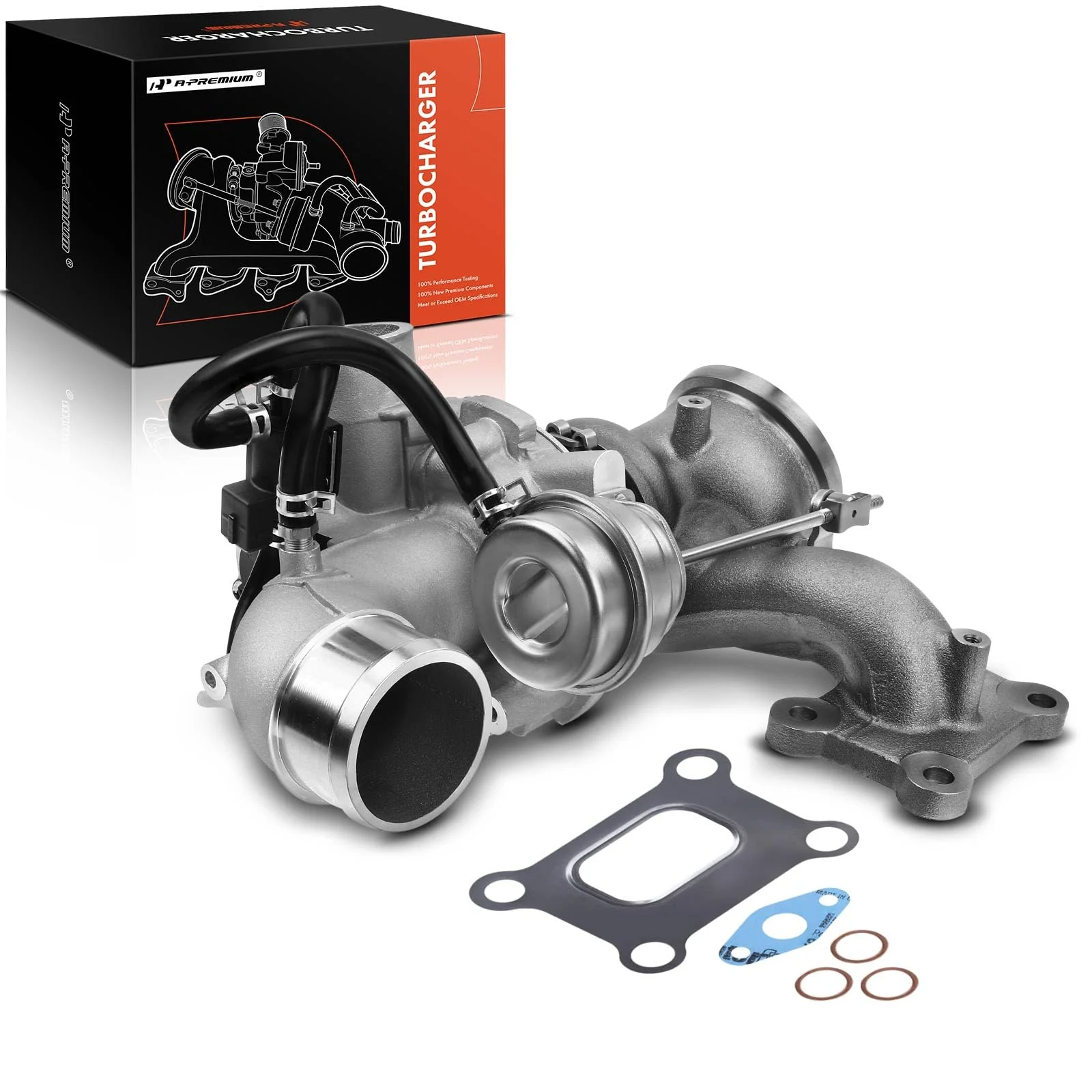
The turbocharger unit is the most expensive single component in this repair. Your choice of part will significantly impact your total bill. Here are your main options:
- New OEM (Original Equipment Manufacturer) Turbocharger: These are direct replacements from Ford. They offer guaranteed compatibility and quality. You can expect to pay anywhere from $800 to $1,500 for a new OEM turbo. They usually come with a manufacturer’s warranty.
- Rebuilt or Remanufactured Turbocharger: These turbos have been taken apart, inspected, worn components replaced, and reassembled to meet original specifications. They offer a good balance of cost and reliability. Prices typically range from $400 to $800. Many reputable rebuilders offer a warranty.
- Aftermarket Turbocharger: Produced by third-party manufacturers, these can be the most budget-friendly option, often priced between $300 and $700. However, quality can vary greatly. Always research brands and read reviews to ensure you’re getting a reliable product. Some low-quality aftermarket units might fail prematurely, costing you more in the long run.
Remember that you’ll also need other smaller parts. These include new gaskets, seals, and potentially new oil feed and return lines. These ancillary parts can add another $50-$150 to your parts total. Don’t forget a fresh oil change is often recommended after a turbo replacement to flush any potential contaminants.
Labor Charges: What to Expect from Mechanics
Turbocharger replacement is a labor-intensive job, not a quick fix. Accessing the turbo can be challenging, requiring removal of other engine components. This complexity directly translates to higher labor costs. Here’s what you should consider:
- Estimated Hours: A skilled mechanic typically needs between 5 to 8 hours to perform a complete turbo replacement on a 2013 Ford Escape. This includes draining fluids, removing old parts, installing the new turbo, and reassembling everything.
- Hourly Rates: Labor rates vary significantly by region and type of shop. Dealerships often charge the highest rates, ranging from $120 to $200 per hour. Independent repair shops typically have lower rates, from $80 to $150 per hour.
- Total Labor Cost: Based on these figures, your labor bill could be anywhere from $400 (5 hours at $80/hr) to $1,600 (8 hours at $200/hr). For example, if your independent mechanic charges $100 per hour and estimates 6 hours of work, your labor cost will be $600.
Always ask for a detailed estimate that breaks down both parts and labor. A reputable shop will be transparent about these costs and explain what’s involved in the repair process.
Key Factors Influencing Your Total Turbo Replacement Bill
Beyond the basic cost of parts and labor, several other elements can impact the final price you pay to get your 2013 Ford Escape back on the road. Being aware of these can help you make informed decisions and potentially save money.
Where You Get the Work Done: Dealership vs. Independent Shop
The choice of where to have your turbo replaced is one of the most significant factors in your overall expense. Each option presents its own set of advantages and disadvantages:
- Ford Dealership: Opting for a Ford dealership typically means higher prices. They use genuine OEM parts and have factory-trained technicians who specialize in Ford vehicles. This often comes with a solid warranty on both parts and labor, giving you peace of mind. You might pay a premium for their expertise and specialized tools, but you’re likely getting the most thorough service. Their labor rates are usually at the higher end of the spectrum, impacting your total cost significantly.
- Independent Repair Shop: Independent mechanics generally offer more competitive labor rates, making them a more budget-friendly option. Many independent shops are highly skilled and experienced with Ford vehicles. They might also be more flexible with parts choices, allowing you to opt for quality aftermarket or rebuilt turbos to save money. However, ensure the shop has good reviews and specific experience with turbocharger replacements, as quality can vary. Always seek recommendations and confirm their warranty policy on repairs.
It’s always a smart strategy to get quotes from at least two different sources – perhaps one dealership and one highly-rated independent shop. This allows you to compare prices, warranties, and proposed solutions. Don’t be afraid to ask questions about the parts they plan to use and the specifics of their labor guarantee.
The Extent of the Damage and Additional Repairs
A turbocharger failure isn’t always an isolated incident. Sometimes, the failure can cause secondary damage or indicate underlying issues that need to be addressed simultaneously. This is a critical factor in determining your final cost.
- Catastrophic Failure: If your turbocharger disintegrated internally, it could have sent metal fragments into your engine’s oil system or even into the combustion chambers. This type of failure is much more severe. It might necessitate additional repairs such as:
- Engine oil flush and oil cooler replacement to clear metal shavings.
- Inspection and potential replacement of other engine components like bearings or pistons if they were damaged by debris.
- Cleaning of the intercooler and intake system to remove any contamination.
These additional services can easily add hundreds, or even thousands, of dollars to your repair bill.
- Preventative Replacements: Even in a less severe failure, mechanics often recommend replacing certain related components as a preventative measure. This typically includes oil feed lines, coolant lines, and various hoses and vacuum lines connected to the turbo system. These parts are often subjected to extreme heat and pressure, so replacing them while the turbo is out can prevent future leaks or failures, saving you money on subsequent repairs.
When you get an estimate, ask the mechanic to thoroughly inspect for any secondary damage. Understanding the full scope of necessary repairs upfront will prevent surprises and help you budget more accurately for the entire job.
A failing turbo often gives clear warnings. Don’t ignore them! One of the most common signs is a distinct whining or siren-like noise coming from under the hood, especially when accelerating. This usually points to worn bearings within the turbocharger. Another red flag is excessive blue or gray smoke from your exhaust pipe. This suggests oil is leaking past the turbo seals and burning in the exhaust. You might also notice a burning oil smell or visible oil leaks around the turbo assembly itself.
Beyond these sensory cues, your Escape’s performance will suffer dramatically. You’ll experience a significant loss of power and sluggish acceleration, often feeling like the engine is struggling to breathe. Your vehicle might even go into ‘limp mode’ to prevent further damage. The Check Engine Light (CEL) will almost certainly illuminate, often accompanied by specific diagnostic trouble codes related to turbo performance, such as P0299 (turbocharger/supercharger underboost) or P2563 (turbocharger boost control position sensor ‘A’ circuit range/performance). Ignoring these warnings can lead to more severe engine damage, escalating your repair costs.
Choosing the Right Turbocharger and Professional Repair Shop
OEM vs. Aftermarket Turbos: Making Your Choice
When replacing your 2013 Ford Escape’s turbo, you’ll face a choice: OEM (Original Equipment Manufacturer) or aftermarket parts. OEM turbos, sourced directly from Ford, offer guaranteed compatibility and performance, often with a warranty, but come at a higher price point. Aftermarket options can be more budget-friendly, but quality varies widely. If opting for aftermarket, research reputable brands like Garrett, BorgWarner, or IHI, ensuring they specify direct fitment for your specific 2013 1.6L or 2.0L EcoBoost engine.

Some shops might offer remanufactured turbos, which can be a cost-effective middle ground, but always confirm the rebuilder’s reputation and warranty. While tempting to save money upfront, a low-quality aftermarket or poorly remanufactured turbo can lead to premature failure and more expenses down the road.
Finding a Reputable Repair Specialist
Choosing the right repair shop is equally crucial. Look for facilities with ASE-certified technicians who have proven experience with Ford vehicles and turbocharged engines. Don’t hesitate to ask about their specific experience with Escape turbo replacements. Get multiple detailed quotes that clearly separate parts and labor costs. A reputable shop will offer a warranty on both the installed part and their labor, providing peace of mind. Check online reviews and ask for local recommendations to find a trusted professional who can get your Escape back on the road safely and efficiently.
Conclusion
Understanding the 2013 Ford Escape turbo replacement cost involves several factors, from labor rates to your choice of parts. While it’s a significant investment, recognizing early warning signs like a loud whine, blue smoke, or loss of power and acting quickly can prevent further damage. You have choices between OEM, aftermarket, or remanufactured turbos, each with different cost and quality implications. Similarly, selecting a reputable repair shop with experienced technicians is paramount. Don’t hesitate to get a professional diagnosis and compare detailed quotes from several trusted mechanics. By being informed and proactive, you can ensure your Ford Escape continues to deliver reliable performance for years to come.
💬 Quick Questions & Answers
What is the average cost to replace a 2013 Ford Escape turbo?
The average cost typically ranges from $1,500 to $2,800, including parts and labor, but can vary by location and part type.
How long does turbo replacement take on a 2013 Ford Escape?
Labor time usually spans 4 to 7 hours, depending on the mechanic’s experience and specific vehicle access challenges.
Can I replace the turbo myself on a 2013 Ford Escape?
While possible for experienced DIYers, turbo replacement is complex and often requires specialized tools and diagnostic expertise, making professional installation advisable.
What are common symptoms of a failing 2013 Ford Escape turbo?
Symptoms include reduced engine power, excessive exhaust smoke, a loud whining noise, and the check engine light illuminating.
Is it better to use a new or remanufactured turbo?
New turbos offer peace of mind with full warranties, while remanufactured units provide a cost-effective alternative with comparable performance, often with good warranties too.
❓ Frequently Asked Questions
What specific components contribute to the 2013 Ford Escape turbo replacement cost?
The cost primarily comprises the turbocharger unit itself (new, rebuilt, or aftermarket), gaskets, oil lines, and critical labor charges. Diagnostic fees, if separate, and related fluid changes also add to the total expense.
What factors cause the price of a 2013 Ford Escape turbo replacement to fluctuate significantly?
Price variations stem from the turbo’s source (OEM vs. aftermarket), regional labor rates, the specific mechanic’s hourly charge, and whether additional components like intercoolers or exhaust pipes need replacement due to related damage.
What diagnostic steps confirm a 2013 Ford Escape turbo failure before replacement?
Mechanics typically perform a thorough visual inspection for leaks or damage, check for fault codes via OBD-II scanner, conduct boost pressure tests, and inspect oil lines to confirm the turbocharger is indeed the problem and not another related component.
What kind of warranty can I expect on a new versus a remanufactured 2013 Ford Escape turbo?
New OEM turbos often come with a 12-month/12,000-mile or longer warranty from the manufacturer. Remanufactured units usually offer similar, or slightly shorter, warranties from the rebuilder, while aftermarket options vary widely.
Are there any preventative measures to extend the life of my 2013 Ford Escape’s turbocharger?
Regular oil changes with high-quality synthetic oil, allowing the engine to idle briefly before shutting down to cool the turbo, and avoiding aggressive driving when the engine is cold can significantly prolong turbo lifespan.
How can I ensure I’m getting a fair price and quality repair for my 2013 Ford Escape turbo replacement?
Always get quotes from at least 2-3 reputable mechanics, ask for a detailed breakdown of parts and labor, and inquire about their warranty for both parts and labor. Check online reviews and ensure the shop specializes in Ford vehicles for optimal service.