Ford F350 Front Axle U-Joint Replacement Cost Guide
📋 Table of Contents
- 🎯 Key Takeaways
- Understanding F350 Front Axle U-Joint Replacement Costs: A Breakdown
- DIY vs. Professional Service: Cost-Benefit Analysis for Your F350
- Choosing the Right U-Joints: Quality, Durability, and Compatibility
- Signs of Front Axle U-Joint Failure and When to Seek Replacement
- Conclusion
- 💬 Quick Questions & Answers
- ❓ Frequently Asked Questions
Replacing the front axle U-joints on a Ford F350 can vary significantly in cost, typically ranging from $200 to $800 per side, depending on parts and labor. It’s a critical maintenance item for driveline health, often requiring specialized tools for proper installation.
🎯 Key Takeaways
- Professional F350 U-joint replacement costs $200-$800 per side.
- DIY replacement saves significantly on labor charges.
- Always choose high-quality, durable replacement U-joints.
- Listen for clicks, clunks, or vibrations as symptoms.
- Consider replacing both U-joints per axle for even wear.
Your Ford F350 is a legendary workhorse. It hauls heavy loads and tackles tough terrain with impressive power. This rugged capability often comes from its robust drivetrain. A crucial component of your F350’s front-end system is the front axle U-joint. These small but mighty parts allow your wheels to steer and transmit power smoothly.
But like any hard-working part, U-joints wear out. When they do, ignoring the problem can lead to bigger, more expensive repairs. Universal Joints (U-Joints)”>Understanding
the cost of replacing these U-joints early can save you money and headaches. This guide breaks down what you can expect to pay, whether you do it yourself or hire a pro, for your Ford F350.Understanding F350 Front Axle U-Joint Replacement Costs: A Breakdown
Replacing your F350’s front axle U-joints involves both parts and labor. These costs can vary quite a bit. Knowing what influences the price helps you prepare your budget. You want your truck to run safely and efficiently. Investing in quality parts and service is key.
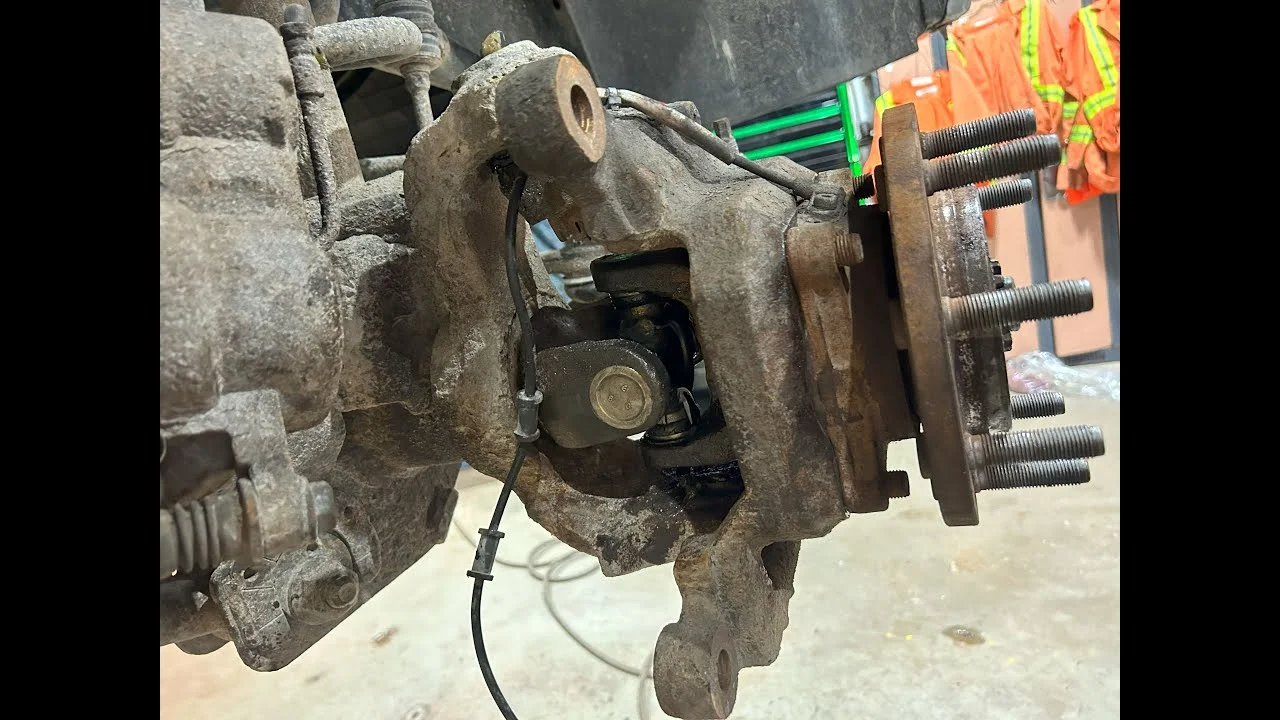
The Core Costs: Parts and Labor Explained
The biggest parts of your total bill are the U-joints themselves and the mechanic’s time. Let’s look at each:
- U-Joint Parts: You have choices here.
- OEM (Original Equipment Manufacturer) Ford parts usually cost more. They are designed specifically for your F350. Expect to pay anywhere from $40 to $100 per U-joint. You often need two for the front axle.
- Aftermarket parts are often cheaper. Brands like Moog, Spicer, or Neapco are popular and reliable. These can range from $20 to $70 per U-joint. Make sure you buy heavy-duty or greasable options for better longevity.
- Labor Costs: This is where prices fluctuate most.
- Most shops charge an hourly rate. This rate can be $90 to $150 per hour.
- A U-joint replacement typically takes 2 to 4 hours per side. This depends on how rusted or seized your old parts are.
- So, labor for two front U-joints could be $180 to $600.
Always get an itemized quote. This helps you understand where your money is going.
Factors Influencing the Final Bill for Your F350
Several other things can change your total cost. These might not be obvious at first:
- Your Location: Repair costs differ by region. Shops in big cities or areas with a higher cost of living often charge more.
- Shop Type: Dealerships usually have the highest labor rates. Independent mechanics might be more affordable. Specialty 4×4 shops could offer competitive prices and expertise.
- Additional Repairs: Sometimes, old U-joints cause damage to other parts. You might need new wheel bearings or axle seals. These unexpected repairs can add hundreds to your bill.
- Condition of Bolts/Components: If bolts are rusted or seized, they take longer to remove. This increases labor time. A mechanic might even need to cut them off.
- Axle Configuration: Some F350 models have slightly different axle designs. This might slightly impact the time needed for the job.
Ask your mechanic about potential extra costs. A good shop will explain any issues they find during the inspection.
DIY vs. Professional Service: Cost-Benefit Analysis for Your F350
Deciding between doing the job yourself or taking your F350 to a professional is a big choice. Both options have distinct cost implications and benefits. Your mechanical skill level and available tools will play a large role in this decision.
DIY: Saving Money, Investing Time (and Effort)
If you’re comfortable with automotive work, replacing your F350’s U-joints yourself can save a lot on labor costs. You pay only for the parts. However, it’s not a simple job. It requires specific tools and a good amount of time.
- Cost Savings: You cut out all labor charges. This can save you hundreds of dollars.
- Tools Needed:
- A good socket set, including larger sizes for axle nuts.
- A torque wrench for proper reassembly.
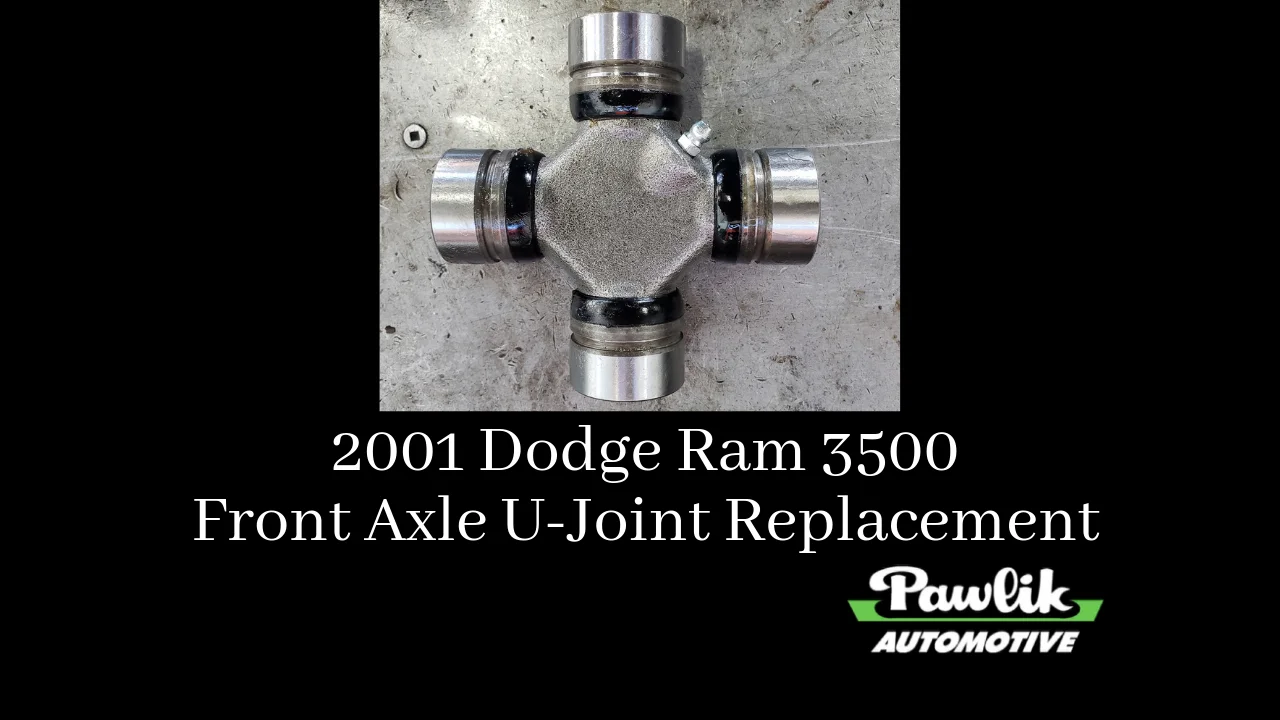
- A U-joint press or ball joint press kit is almost essential. This helps remove old U-joints and install new ones without damaging the axle shafts.
- A stout hammer, possibly an air hammer, for stubborn parts.
- Jack stands and a sturdy jack to safely lift your heavy F350.
- Safety glasses and gloves.
- Time Commitment: For a first-timer, this job can take 6-8 hours or even longer. Rusty components can significantly extend this time.
- Risk of Errors: Incorrect installation can lead to premature failure. You could also damage other expensive components, like the axle shaft. Watch plenty of online tutorials specific to your F350 model.
Only attempt DIY if you have the right tools, confidence, and patience. Don’t rush the process. Safety always comes first when working under your F350.
Professional Service: Peace of Mind at a Price for Your F350
For many F350 owners, hiring a professional mechanic is the preferred route. It offers convenience and expertise. While it costs more upfront, it can prevent future headaches and ensure the job is done right.
- Expertise and Experience: Professional mechanics have done this job many times. They know the common pitfalls and how to handle seized parts. They can quickly diagnose related issues.
- Proper Tools: Shops have all the specialized tools. This includes hydraulic presses and lifts. These make the job faster and safer.
- Warranty: Most reputable shops offer a warranty on their parts and labor. If something goes wrong shortly after the repair, they’ll fix it at no extra cost. This provides valuable peace of mind.
- Time-Saving: You drop off your truck and pick it up when it’s done. This saves you hours of work. It lets you focus on your own tasks.
- Higher Cost: As discussed, you pay for both parts and labor. The total cost will be higher than DIY.
When choosing a shop, look for one that specializes in trucks or 4×4 vehicles. Read reviews and ask for references. Get multiple quotes to compare prices and services.
Choosing the Right U-Joints: Quality, Durability, and Compatibility
Once you’ve decided to tackle that U-joint replacement, the next critical step is selecting the right parts. Skimping here can lead to premature failure, more downtime, and even greater costs down the line. It’s not just about finding a U-joint that “fits” your F-350; it’s about finding one that will perform reliably under the demands your truck faces.
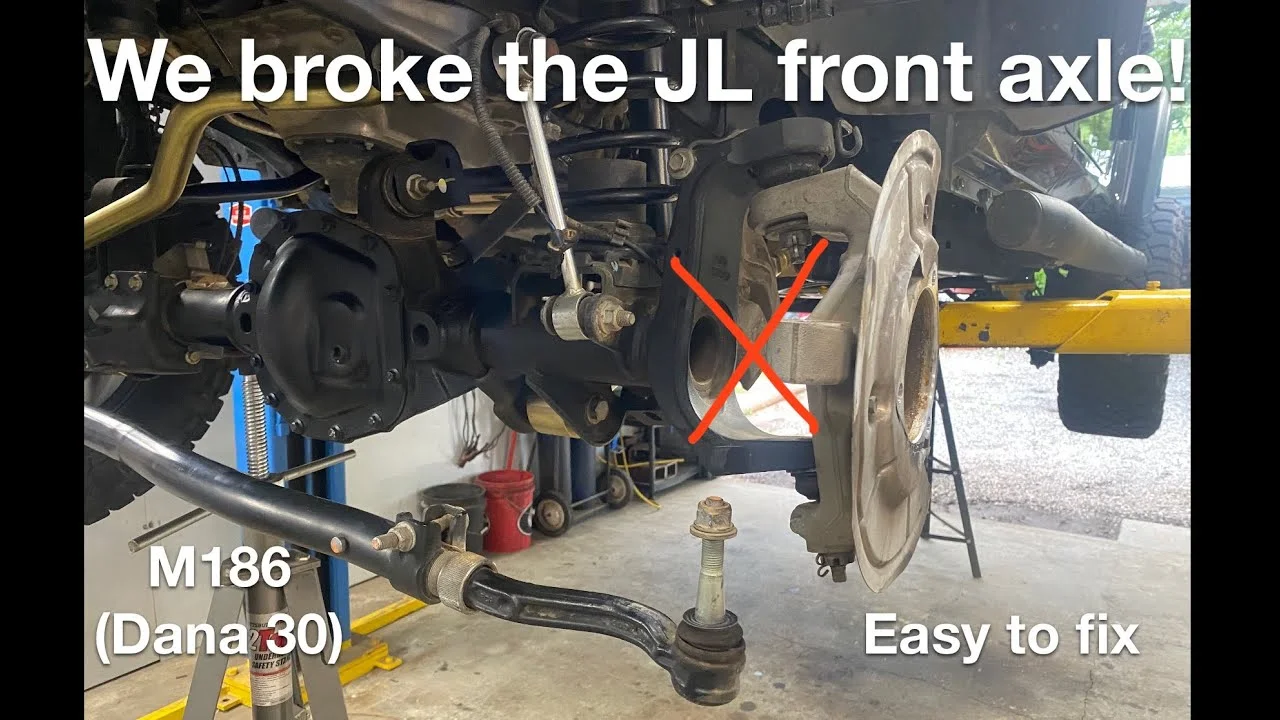
OEM vs. Aftermarket: Understanding Your Options
You essentially have two paths for U-joint procurement: Original Equipment Manufacturer (OEM) parts or aftermarket options. OEM parts, typically sourced through a Ford dealership or official parts distributor, guarantee an exact fit and the original factory quality. They are often built to precise specifications, ensuring durability and compatibility. However, this often comes with a higher price tag.
Aftermarket U-joints offer a wider range of choices, from budget-friendly options to premium heavy-duty alternatives. Brands like Spicer, Neapco, and Motive Gear are highly respected in the heavy-duty truck community for their robust and reliable products. While more affordable options exist, it’s wise to invest in known, reputable brands. A cheap U-joint might save you a few dollars upfront, but if it fails quickly, you’ll be back under the truck sooner than you’d like, incurring more labor costs or your own valuable time.
Key Specifications and Features to Look For
When shopping, don’t just ask for an “F-350 U-joint.” Be specific! You’ll need to know your truck’s exact year, make, model, and sometimes even the axle manufacturer (Dana 50, Dana 60, etc.) as dimensions can vary. Here are critical features to consider:
- Material Quality: Look for forged steel construction, which offers superior strength and durability compared to cast alternatives.
- Lubrication: You’ll find both greasable and sealed U-joints.
- Greasable U-joints allow for periodic maintenance, extending their lifespan by flushing out contaminants and replenishing lubrication. This is often preferred for heavy-duty or off-road applications.
- Sealed U-joints are pre-lubricated and designed to be maintenance-free for their lifespan. While convenient, once the grease dries out or the seal fails, they require replacement.
- Brand Reputation: As mentioned, brands like Spicer are often considered the gold standard for Ford Super Duty axles due to their proven track record. Choosing a reputable brand significantly reduces the risk of premature failure.
- Correct Size: Ensure the U-joint matches the dimensions of your axle shafts. This often involves measuring the cap diameter and overall width if you’re unsure.
Choosing wisely here is an investment in your F-350’s long-term reliability and your peace of mind.
Signs of Front Axle U-Joint Failure and When to Seek Replacement
Ignoring the warning signs of a failing U-joint isn’t just uncomfortable; it can lead to catastrophic damage to your front axle components and even dangerous driving conditions. Being vigilant can save you significant repair costs down the road.
Common Symptoms to Watch For
Your F-350 will usually give you clear indicators when its front axle U-joints are on their way out. Pay close attention to these symptoms, especially when your 4WD is engaged or when making tight turns:
- Vibration: One of the most common signs is a noticeable vibration felt through the steering wheel or floorboards, particularly when you’re turning, accelerating, or driving at certain speeds. This vibration can worsen as the U-joint deteriorates.
- Clunking or Clicking Noises: Listen for metallic “clunking,” “clicking,” or “popping” sounds. These noises are often heard when shifting into gear, accelerating from a stop, changing direction (forward to reverse), or when engaging 4WD and turning. It’s the sound of worn components binding and then snapping free.
- Grease Splatter: If a U-joint’s seal has failed, you might see grease splattered around the axle shaft and wheel well. This indicates a loss of lubrication, which will quickly lead to U-joint failure.
- Loose Steering or Poor Handling: A severely worn U-joint can contribute to a “loose” feeling in the steering, or even difficulty in precise steering, particularly at lower speeds or when maneuvering in tight spots.
- Visual Inspection: A manual check can often confirm suspicions. With the truck safely jacked up and supported (and the wheels removed), try to rotate the axle shaft by hand. If you feel excessive play or see rust “dust” around the U-joint caps, it’s a strong indicator of failure. The caps themselves might even look discolored or have visible damage.
The Importance of Timely Replacement
As soon as you notice any of these symptoms, it’s crucial to address the problem promptly. Delaying a U-joint replacement can lead to a cascade of more severe and expensive problems:
- Damage to Axle Shafts: A failed U-joint can bind up, twisting and potentially breaking the axle shaft itself.
- Hub and Bearing Damage: Excessive vibration and play can prematurely wear out wheel hubs and bearings, adding more components to your repair list.
- Differential Damage: In extreme cases, a completely seized U-joint can put undue stress on the differential, leading to internal damage.
- Safety Hazard: A completely failed U-joint can cause a loss of drive to the front wheels or, worse, cause the axle shaft to separate, potentially leading to a loss of vehicle control.
The cost of replacing a few U-joints is far less than the cost of a new axle shaft, wheel hub, or differential repair. Don’t wait until a small problem becomes a major headache on your F-350.
Conclusion
Replacing the front axle U-joints on your Ford F-350 is a common maintenance item that, while sometimes costly, is essential for the truck’s reliability and your safety. We’ve explored the various factors influencing the total cost, from the choice between DIY and professional installation to the quality of parts. Understanding the labor involved and the importance of selecting durable, compatible U-joints like those from Spicer or Neapco can significantly impact your overall experience and long-term savings.
The key takeaway is clear: don’t ignore the warning signs. Promptly addressing symptoms like vibrations or clunking noises can prevent far more expensive repairs down the line. Get quotes, choose quality components, and ensure your heavy-duty F-350 remains a dependable workhorse. Your truck, and your wallet, will thank you.
💬 Quick Questions & Answers
What’s the average cost for one F350 front axle U-joint replacement?
Professional replacement for one side typically ranges from $200 to $400, including parts and labor.
Can I replace F350 U-joints myself?
Yes, it is possible for a mechanically inclined individual with the right tools, like a U-joint press, to do it.
How long does U-joint replacement take on an F350?
A professional mechanic can often complete one side in 1-2 hours, while a DIYer might take 3-5 hours per side.
What are symptoms of a bad F350 front U-joint?
Common symptoms include clicking, clunking, or squeaking noises, especially when turning or accelerating, and vibrations in the steering wheel.
Are all F350 front axle U-joints the same?
No, F350 U-joints can vary by model year, axle type (Dana 50, Dana 60), and whether it’s the inner or outer axle shaft, so always verify compatibility.
❓ Frequently Asked Questions
What factors influence the total cost of F350 front axle U-joint replacement?
The total cost is influenced by the type and quality of U-joint (greaseable vs. sealed, standard vs. heavy-duty), labor rates at your chosen shop, your geographic location, and whether additional components like ball joints or wheel bearings also need replacement during the service.
How much can I save by replacing F350 U-joints myself?
DIY replacement can save you significantly on labor costs, which typically account for $100-$300 per side. You’ll primarily pay for parts, which range from $30-$100 per U-joint, though you might need to invest in specialized tools if you don’t already own them.
What type of U-joints should I buy for my Ford F350?
For your F350, it’s generally recommended to use heavy-duty U-joints from reputable brands like Spicer, Moog, or Dana. You’ll need to decide between greaseable (requiring periodic lubrication) and sealed (maintenance-free) options, with sealed units often preferred for their longevity if not subjected to extreme conditions.
What tools are essential for a DIY Ford F350 U-joint replacement?
Essential tools include a comprehensive socket set, various wrenches, a torque wrench, a large hammer or mallet, a pry bar, and most importantly, a C-clamp style U-joint press tool. You’ll also need a jack, jack stands, and potentially a shop press for particularly stubborn U-joints.
Is it necessary to replace both front axle U-joints at the same time?
While not strictly mandatory if only one is clearly bad, it’s highly recommended to replace both U-joints on the same axle. This ensures balanced wear, prevents premature failure of the ‘good’ U-joint, and saves on future labor costs by doing all the work in one go.
How often should Ford F350 front axle U-joints be inspected or replaced?
F350 U-joints don’t have a fixed replacement interval; they should be inspected during routine maintenance, typically every 15,000-30,000 miles, especially if you tow or off-road frequently. Replace them immediately if you notice any of the aforementioned symptoms of failure like noise or vibration.