2013 GMC Terrain Engine Replacement Cost: What to Expect
📋 Table of Contents
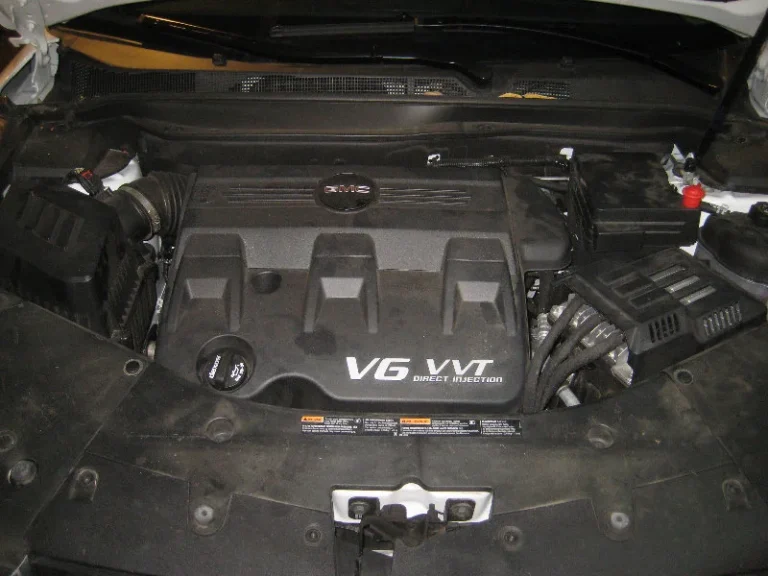
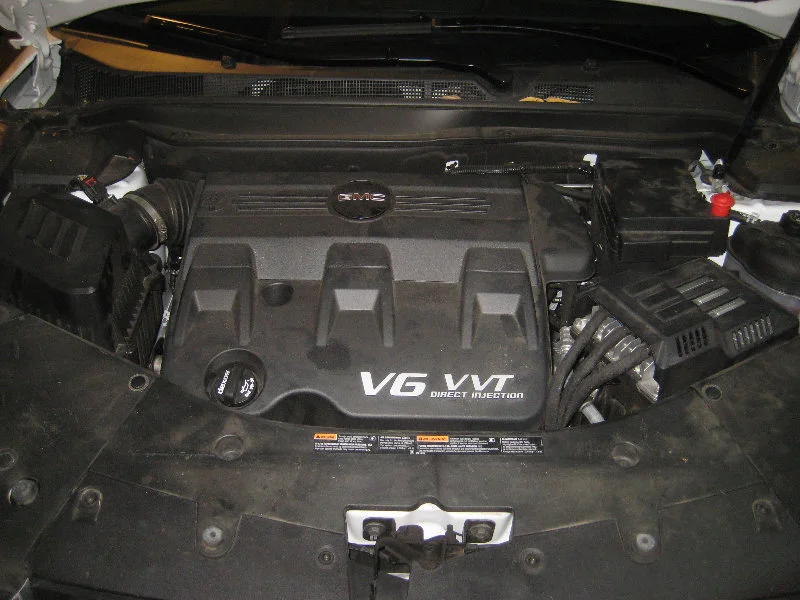
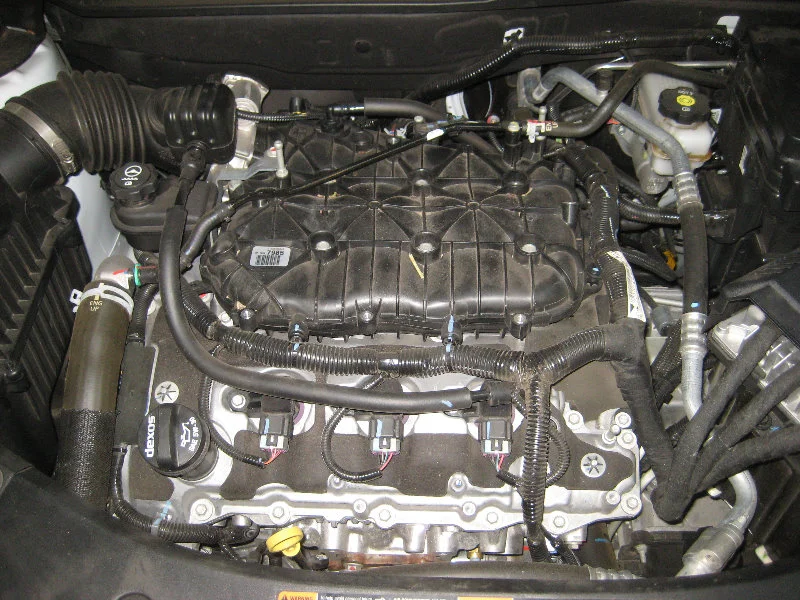
Replacing a 2013 GMC Terrain engine typically ranges from $4,000 to $7,000, varying based on parts, labor, and engine type (new, used, remanufactured). Key factors like labor rates and engine availability significantly influence the final expense, making it crucial to get multiple quotes.
🎯 Key Takeaways
- Research costs:Get multiple quotes locally.
- Engine options:Compare new, remanufactured, used.
- Labor rates:Consider shop reputation and pricing.
- Prevent future issues:Follow maintenance schedule.
- Check warranty:Ensure coverage for parts and labor.
Is your trusty 2013 GMC Engine Specifications”>Terrain suddenly making strange noises? Perhaps it’s burning oil at an alarming rate. Many owners of this popular SUV eventually face a tough decision regarding engine problems. Replacing an engine is a significant investment. It can feel overwhelming to navigate the options and costs involved.
You might be wondering if it’s even worth it to repair your vehicle. Understanding the financial implications is crucial. This post will break down the expected costs for a 2013 GMC Terrain engine replacement. We will help you make an informed decision for your vehicle’s future.
Understanding the Average Cost of a 2013 GMC Terrain Engine Replacement
Replacing an engine in your 2013 GMC Terrain is a major repair. The total cost can vary quite a bit. You are generally looking at a range between $4,000 and $7,000. This price includes both parts and labor. However, some complex situations could push the cost even higher.
Breaking Down the Labor and Parts
Labor is a significant portion of the total expense. An engine swap is time-consuming. It requires specialized tools and expertise. Most mechanics charge for 20 to 30 hours of labor for this job. Hourly rates for mechanics typically range from $100 to $150. This means labor alone can cost you anywhere from $2,000 to $4,500. The engine part itself also has a wide price range. It depends on whether you choose a new, remanufactured, or used unit. We will discuss these options shortly. Always ask for an itemized quote. This helps you understand exactly what you are paying for.
Factors Influencing the Price Tag
Several elements can affect your final bill. Your geographical location plays a role. Labor costs are often higher in major cities. The specific repair shop you choose also matters. Independent shops might offer lower rates than dealerships. The extent of the damage is another factor. Sometimes, related components also need replacing. For instance, new hoses, belts, or a new radiator might be necessary. Always get at least three quotes from different reputable mechanics. This helps you compare prices and services. A comprehensive warranty on parts and labor is also essential.
New, Remanufactured, or Used? Weighing Your Engine Options
When facing an engine replacement, you have three primary choices for the engine itself. Each option comes with its own set of pros and cons. They also carry vastly different price tags. Your decision will depend on your budget and how long you plan to keep your Terrain.
Understanding Your Choices: New, Remanufactured, Used
- New Engine: This is a brand-new engine from the manufacturer. It offers the highest reliability. It usually comes with the best warranty. However, it is also the most expensive option.
- Remanufactured Engine: This engine has been rebuilt to factory specifications. It uses new or reconditioned parts for critical components. It undergoes rigorous testing. Remanufactured engines offer a good balance of cost and reliability. They usually come with a decent warranty.
- Used Engine: This is an engine pulled from another vehicle. It is typically the cheapest option. However, its reliability can be a gamble. The warranty might be short or non-existent. You are essentially buying an engine with unknown history.
Pros and Cons of Each Engine Type
Choosing the right engine type is critical. A new engine provides peace of mind. You get a fresh start with maximum longevity. The cost, though, can be prohibitive for an older vehicle. A remanufactured engine is often the sweet spot. It’s more affordable than new but much more reliable than used. Reputable remanufacturers stand behind their products. A used engine is ideal if you are on a very tight budget. It works well if you plan to sell the car soon. Just be aware of the risks. Always ensure the used engine comes from a trusted source. Ask for the donor vehicle’s mileage if possible. A compression test on a used engine before purchase is a smart move.
<h2>Key Factors Influencing Your Total Engine Replacement Bill</h2>

<p>While we've discussed average ranges, several variables can significantly swing your final cost for a 2013 GMC Terrain engine replacement. Understanding these factors empowers you to make smarter decisions.</p>
<h3>Type of Engine and Parts Sourcing</h3>
<p>The biggest cost driver is often the engine itself. You generally have three main options:</p>
<ul>
<li><strong>New Engines (Crate Engines):</strong> These are brand new from the manufacturer or a certified supplier. They come with a full warranty but are the <em>most expensive</em>, potentially adding thousands to your bill. For a 2013 Terrain, finding a truly "new" engine might be less common.</li>
<li><strong>Remanufactured Engines:</strong> These are used engines fully disassembled, inspected, repaired with new components, and tested to meet or exceed OEM specifications. They offer a great balance of reliability, warranty, and cost. Expect to pay a premium over used, but less than new.</li>
<li><strong>Used Engines:</strong> Sourced from salvage yards, these are the <em>cheapest</em>. Their reliability varies greatly based on mileage, maintenance history, and the donor vehicle. While tempting due to low upfront cost, the risk of early failure can lead to more headaches and expense down the road. Some salvage engines come with a basic warranty, but check the terms carefully.</li>
</ul>
<p>Additionally, using OEM (Original Equipment Manufacturer) parts for other components (like gaskets, hoses, spark plugs) will generally cost more than aftermarket alternatives, though they often offer better quality and fit.</p>
<h3>Labor Rates and Regional Differences</h3>
<p>Labor costs are another huge variable. Mechanic shops charge different hourly rates based on several factors:</p>
<ul>
<li><strong>Geographic Location:</strong> Shops in major metropolitan areas or regions with a higher cost of living will invariably have higher labor rates than those in rural areas. An hour of work in New York City could cost significantly more than in a small town in Oklahoma.</li>
<li><strong>Shop Type:</strong> Dealerships typically have the highest hourly labor rates due to their specialized tools, factory-trained technicians, and overhead. Independent shops often offer more competitive rates. Smaller, local mechanics might be even cheaper, but always verify their experience with engine swaps.</li>
<li><strong>Mechanic's Expertise:</strong> Highly experienced or specialized technicians might command higher rates, but their efficiency and quality of work can sometimes save you money in the long run by preventing mistakes.</li>
</ul>
<p>For example, an independent shop in rural Ohio might charge $80-$100 per hour, while a GMC dealership in Los Angeles could easily charge $150-$200+ per hour for the same job. Over 20-30 hours of labor, this difference really adds up!</p>
<h2>Tips to Reduce Costs and Choose a Reliable Mechanic</h2>
<p>Facing an engine replacement is daunting, but you're not powerless. Smart planning can help you save money and ensure a quality repair.</p>
<h3>Smart Strategies for Cost Savings</h3>
<p>Don't just accept the first quote you get. Here’s how to be a savvy customer:</p>
<ol>
<li><strong>Get Multiple Quotes:</strong> Contact at least three different reputable shops (independent, dealership, specialized engine repair) for a detailed quote. Ensure each quote specifies the type of engine (new, remanufactured, used) and the warranty offered.</li>
<li><strong>Consider a Certified Remanufactured Engine:</strong> These often strike the best balance between cost and reliability. They usually come with a decent warranty (e.g., 3 years/100,000 miles), offering peace of mind that a cheap used engine might not.</li>
<li><strong>Ask About Labor-Saving Opportunities:</strong> Sometimes, shops might have slightly different procedures or access to specialized tools that reduce labor hours. It never hurts to ask if there are ways to optimize the process.</li>
<li><strong>Look for Package Deals:</strong> Some shops might offer a slightly better deal if you have other necessary maintenance or repairs done at the same time, though this should be secondary to ensuring the engine swap is done right.</li>
</ol>
<p>Remember, the lowest price isn't always the best value. A slightly higher quote from a shop with an excellent reputation and a solid warranty is often a wiser investment.</p>
<h3>How to Vet Your Mechanic</h3>
<p>The skill of your mechanic is crucial for a successful engine replacement. Do your homework!</p>
<ol>
<li><strong>Check Certifications:</strong> Look for ASE (Automotive Service Excellence) certified technicians. This indicates a commitment to professional standards and ongoing training.</li>
<li><strong>Read Reviews and Testimonials:</strong> Google Reviews, Yelp, and the Better Business Bureau are great resources. Look for consistent positive feedback, especially regarding major repairs and customer service.</li>
<li><strong>Inquire About Warranties:</strong> A reputable shop will offer a warranty on both parts and labor for an engine replacement. Understand the terms, duration, and what it covers.</li>
<li><strong>Ask for References:</strong> Don't hesitate to ask the shop for references from customers who've had similar major work done. A confident shop will be happy to provide them.</li>
<li><strong>Communicate Clearly:</strong> A good mechanic will explain the problem, the solution, and the costs in an understandable way, patiently answering all your questions.</li>
</ol>
<p>Choosing the right mechanic is almost as important as choosing the right engine. Take your time to find someone you trust.</p>
<h2>Conclusion</h2>
<p>Replacing the engine in your 2013 GMC Terrain is a significant investment. While costs can range from $4,000 to over $8,000, understanding the factors like engine type, parts, and labor rates helps you navigate the process. By actively seeking multiple quotes, considering certified remanufactured engines, and thoroughly vetting your chosen mechanic, you can significantly influence your final outcome. Don't rush this decision. Take the time to gather information, ask plenty of questions, and choose a solution that offers the best long-term value for your Terrain. Your diligence will pay off!</p>
💬 Quick Questions & Answers
What’s the average cost for a 2013 GMC Terrain engine replacement?
The average cost typically falls between $4,000 and $7,000, but can vary based on parts, labor, and engine type.

Does the cost include parts and labor?
Yes, the estimated cost usually includes both the engine unit (parts) and the mechanic’s labor for installation.
How long does an engine replacement take?
An engine replacement typically takes 1-3 full days of labor, depending on the mechanic’s experience and shop schedule.
Is it better to replace the engine or buy a new car?
This depends on the car’s overall condition and your budget; a replacement can be cost-effective if the rest of the vehicle is sound.
Do replacement engines come with a warranty?
Most new and remanufactured engines include a warranty, often 1-3 years or a certain mileage, but always confirm with the supplier.
❓ Frequently Asked Questions
Why do 2013 GMC Terrain models often need engine replacements?
The 2013 GMC Terrain, particularly models with the 2.4L Ecotec engine, faced common issues like excessive oil consumption and timing chain problems, leading to premature engine wear. These design flaws often necessitate a complete engine replacement to restore reliability.
What are the pros and cons of choosing a remanufactured engine over a new or used one?
A remanufactured engine offers a balance of reliability and cost, being typically cheaper than new but more thoroughly reconditioned than a used engine, often coming with a good warranty. Cons include potentially higher cost than used and a perception of being ‘not new.’
How do labor costs for engine replacement vary geographically and by shop type?
Labor rates can differ significantly; urban areas and dealerships generally have higher hourly rates ($100-$150+) compared to independent shops or rural areas ($75-$100+). Specialty shops might offer competitive rates due to efficiency, so always compare quotes.
What are the key warning signs indicating imminent engine failure in a 2013 GMC Terrain?
Watch for symptoms like excessive exhaust smoke, knocking or ticking noises from the engine, significant loss of power, frequent overheating, and consistent low oil levels despite regular checks. A ‘check engine’ light with specific diagnostic codes also signals trouble.
Is replacing the engine on an older vehicle like a 2013 Terrain a worthwhile investment?
It can be a worthwhile investment if the vehicle’s body, transmission, and other major components are in good condition, and the replacement cost is significantly less than buying a comparable new or used car. Consider the car’s remaining value versus the repair cost.
What maintenance practices can help prolong the life of a new or replaced engine in my Terrain?
Regular oil changes with the correct type of oil, consistent monitoring of fluid levels, timely filter replacements, and addressing any minor issues promptly are crucial. Following the manufacturer’s recommended service schedule will significantly extend the engine’s lifespan and prevent future problems.