Fix Your F-150 Exhaust Leak: Repair Costs Explained
📋 Table of Contents
- 🎯 Key Takeaways
- Understanding F-150 Exhaust Manifold Leak Symptoms & Causes
- Average F-150 Exhaust Manifold Leak Repair Costs: Parts & Labor Breakdown
- Factors That Influence F-150 Exhaust Manifold Repair Pricing
- DIY vs. Professional Repair: Saving Money on Your F-150 Exhaust Leak Fix
- Conclusion: Silence That Leak and Drive Confidently
- 💬 Quick Questions & Answers
- ❓ Frequently Asked Questions
The average F-150 exhaust manifold leak repair cost ranges from $500 to $1,500, largely depending on parts, labor rates, and whether you DIY. Factors like broken studs and manifold warpage can significantly increase the total expense, making a professional diagnosis crucial. Addressing the leak promptly prevents further damage and ensures optimal performance.
🎯 Key Takeaways
- F-150 exhaust manifold leak repairs typically cost $500-$1500.
- DIY repair saves 60-70% on labor but requires skill.
- Broken manifold studs greatly increase repair time and expense.
- Address leaks early to prevent costly catalytic converter damage.
- Always obtain multiple quotes for accurate F-150 repair pricing.
Have you ever heard a strange ticking sound coming from your exhaust-manifold-replacement-cost” target=”_blank” rel=”noopener noreferrer” title=”Ford F-150 Exhaust Manifold Replacement Cost Guide”>F-150‘s engine, especially when it’s cold? It’s a common issue that many Ford truck owners encounter. This noise, often described as a subtle “tick-tick-tick,” might be more than just a minor annoyance; it could signal an exhaust manifold leak. Ignoring this problem can lead to bigger headaches down the road, impacting your truck’s performance and even your wallet.
An exhaust manifold leak isn’t just about a strange sound. It can affect your F-150’s fuel efficiency, engine health, and even expose you to dangerous exhaust fumes. Understanding the symptoms, causes, and the potential repair costs upfront will help you make informed decisions. Let’s break down everything you need to know to fix your F-150’s exhaust leak and get your truck running smoothly and quietly again.
Understanding F-150 Exhaust Manifold Leak Symptoms & Causes
Identifying an exhaust manifold leak early can save you from more extensive damage. Your F-150 often gives clear warnings when something isn’t quite right. Learning to recognize these signs is your first step towards a timely repair.
Common Symptoms You Can’t Ignore
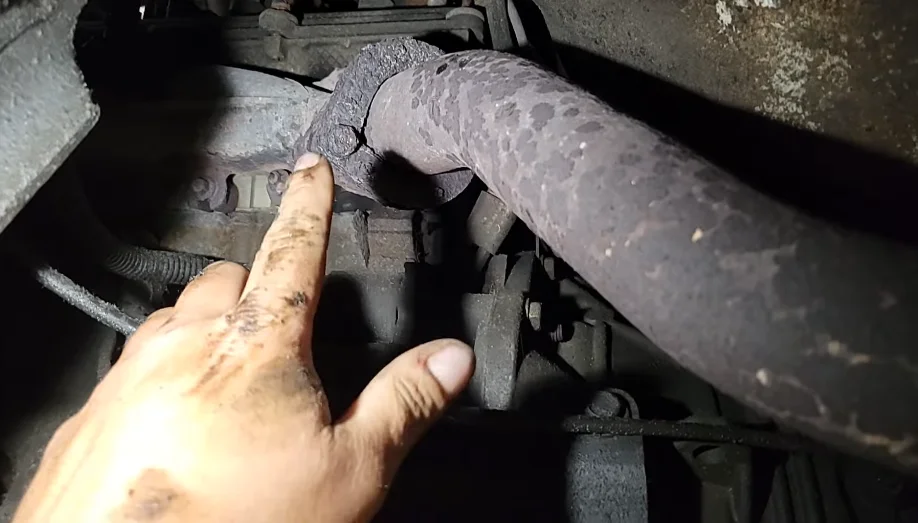
The most telling sign of an exhaust manifold leak is typically an audible “ticking” or “tapping” noise. You’ll likely hear it most prominently during a cold start. The sound might diminish as your engine warms up, but it usually doesn’t disappear completely. This happens because the metal expands with heat, temporarily sealing the small crack or gap. Other symptoms to watch for include:
- Increased Noise: A louder exhaust note, especially under acceleration. It can sound like a deeper rumble or hiss.
- Exhaust Fumes in Cabin: A distinct exhaust smell inside your truck. This is serious and indicates fumes entering the passenger compartment.
- Loss of Engine Power: Your truck might feel sluggish, particularly when climbing hills or accelerating.
- Reduced Fuel Economy: The engine’s oxygen sensors can get confused by the leak, leading to a richer fuel mix.
- Check Engine Light: In some cases, a leak can trigger diagnostic trouble codes related to oxygen sensor readings or misfires.
If you notice any of these signs, don’t delay. A quick inspection can confirm your suspicions.
Why Do F-150 Manifolds Leak?
Exhaust manifolds on F-150 trucks are subjected to extreme conditions. They get incredibly hot and then cool down repeatedly. This constant heating and cooling cycle is the primary culprit behind manifold leaks. Over time, the metal fatigues and can crack. Specific reasons include:
- Thermal Stress: Rapid and extreme temperature changes cause the cast iron or steel to expand and contract. This can warp the manifold or crack it.
- Broken or Corroded Studs: The bolts (studs) holding the manifold to the cylinder head can corrode and break. This creates a gap where exhaust gases escape. This is a very common F-150 issue.
- Gasket Failure: The gasket sealing the manifold to the engine head can degrade or burn out. Heat and pressure wear it down.
- Material Flaws: Sometimes, minor imperfections in the manifold casting can develop into full-blown cracks over time.
Many F-150 models, particularly those with the 5.4L Triton V8, are known for these issues. Newer V6 EcoBoost engines can also suffer from similar problems, often due to turbocharger heat.
Average F-150 Exhaust Manifold Leak Repair Costs: Parts & Labor Breakdown
So, you’ve identified a leak. Now, what about the cost? Repairing an F-150 exhaust manifold leak can vary widely in price. Several factors influence the final bill, including your engine type, the severity of the damage, and where you get the work done.
Breaking Down the Parts Cost
The parts needed for an exhaust manifold repair typically include the manifold itself, new gaskets, and new studs and nuts. The cost of these components varies significantly:
- Exhaust Manifold: This is often the most expensive single part.
- Aftermarket: Expect to pay anywhere from $100 to $300 per manifold.
- OEM (Original Equipment Manufacturer): These can range from $200 to $600+ per manifold.
Keep in mind that some trucks have two manifolds (one per side).
- Exhaust Manifold Gaskets: Gaskets are relatively inexpensive. A set usually costs between $10 and $40. Always replace these.
- Studs and Nuts: These are crucial and often need replacing due to corrosion. A set can cost from $20 to $70. Don’t reuse old, rusted hardware.
- Other Small Parts: You might need new oxygen sensors if they are damaged during removal, or possibly exhaust downpipe gaskets.
Choosing quality aftermarket parts can save money without sacrificing too much durability. However, many mechanics recommend OEM for critical components like manifolds for best fit and longevity.
Labor: The Biggest Chunk of Your Bill
Labor is often the largest portion of an exhaust manifold repair cost. This is because the job can be quite time-consuming and challenging, especially if bolts are seized or broken. Here’s what affects labor costs:
- Shop Hourly Rate: These rates vary by region and type of shop, typically ranging from $90 to $150+ per hour.
- Engine Type: Some F-150 engines are harder to work on than others.
- V8 Engines (e.g., 5.4L, 5.0L Coyote): Access can be challenging, particularly for the passenger side. Expect 4-8 hours of labor per side.
- V6 EcoBoost Engines (e.g., 3.5L, 2.7L): Turbocharger integration can make these even more complex, potentially requiring more labor hours.
- Broken Bolts/Studs: This is a major factor. If bolts snap during removal, the mechanic will need to drill them out and potentially tap new threads. This adds significant time and specialized effort, often adding 1-3 extra hours per broken stud.
- Severity of Corrosion: Heavily corroded components simply take longer to remove safely.
Overall, you can expect labor costs for one side to be in the range of $400 to $1200, not including parts. If both sides need work or if there are multiple broken studs, that cost can quickly climb higher.
Factors That Influence F-150 Exhaust Manifold Repair Pricing
Understanding the core price ranges for F-150 exhaust manifold repair is just the beginning. Several critical factors can swing your final bill significantly, from the minor end of the spectrum to a more substantial investment.
Severity and Location of the Leak
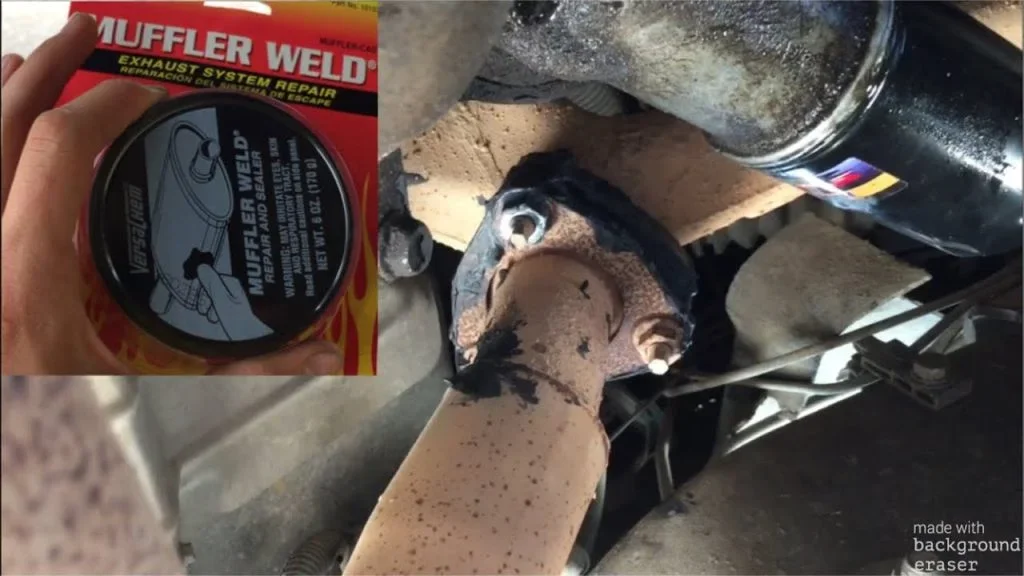
The extent of the damage to your manifold and where it’s located under the hood play a huge role. A simple, small crack or a gasket that’s just starting to fail might be a quicker, less parts-intensive fix. However, if the manifold is severely warped from prolonged heat exposure, or if multiple studs have broken off flush with the cylinder head, the complexity and cost increase dramatically. Imagine a scenario where a technician has to carefully drill out a seized, broken stud near the firewall – that’s intricate, time-consuming work requiring specialized tools and skill.
Practical Example: A "ticking" sound on startup that quickly fades could indicate a minor gasket leak, potentially costing around $300-$500 for parts and labor. But if you’ve ignored a loud exhaust leak for months and now hear it constantly, it likely means significant warpage or multiple broken studs, pushing the repair toward the $800-$1,500+ range due to extensive labor and potential machine shop services if drilling goes wrong.
Parts Quality and Additional Repairs
When replacing an exhaust manifold, you’ll generally have a choice between OEM (Original Equipment Manufacturer) parts, which are typically more expensive but offer guaranteed fit and quality, and aftermarket options, which can save you money but vary in reliability. Beyond the manifold itself, several other components almost always need replacement:
- Gaskets: New gaskets are essential for a proper seal.
- Studs and Nuts: These are often seized or broken during removal, making new hardware a necessity.
- Oxygen Sensors: If an O2 sensor is located in or very near the manifold, it might be difficult to remove without damage and often makes sense to replace "while they’re in there," especially if your F-150 has high mileage.
- Exhaust Pipes/Flanges: In some cases, the connection points to the rest of the exhaust system can be so corroded that sections of piping or flanges need repair or replacement.
Practical Example: Opting for a quality aftermarket manifold kit might save you $50-$150 on parts alone. However, if your repair includes replacing a couple of stuck oxygen sensors (each costing $80-$150) and a set of performance-grade manifold bolts, your total parts cost can easily climb from $200 to $500 or more before labor.
DIY vs. Professional Repair: Saving Money on Your F-150 Exhaust Leak Fix
Deciding whether to tackle the F-150 exhaust manifold repair yourself or hand it over to a professional mechanic is a critical choice that balances cost savings with potential risks and required expertise.
When to Consider DIY
If you’re mechanically inclined, have a good set of tools, and your F-150’s exhaust leak appears to be minor (e.g., a loose bolt, a slightly blown gasket without manifold warpage), a DIY repair can save you significant labor costs. You’ll primarily pay for parts, which typically run $100-$300. This option is most viable for the mechanically savvy individual who is patient and understands the potential for seized bolts.
Here’s a brief overview of what a DIY attempt involves:
- Gather Tools and Parts: Ensure you have the right sockets, wrenches, penetrating oil, torque wrench, new manifold, gaskets, and studs.
- Watch Tutorials: Research specific videos for your F-150 year and engine (e.g., 5.4L or 5.0L) to understand the process and potential pitfalls.
- Allow Ample Time: This isn’t a quick job. Expect to spend a full day, or even two, especially if you encounter seized or broken bolts. Patience is key.
Practical Example: Replacing just a manifold gasket and a few easily accessible studs on a well-maintained truck might take an experienced DIYer 4-6 hours, saving $400-$700 in labor. However, if you strip a bolt or break a stud, your savings can quickly diminish as you might need to buy specialized extraction tools or call a professional anyway.
Benefits of Professional Service
For most F-150 owners, especially those without extensive mechanical experience or if the leak is severe, a professional repair is often the safest and most reliable route. Mechanics have the specialized tools, lifts, and experience to handle common issues like stubborn rust, seized bolts, and drilling out broken studs without damaging the cylinder head.
The advantages of professional repair include:
- Expertise: Mechanics diagnose correctly and execute repairs efficiently.
- Specialized Tools: They have the right equipment for difficult bolt extraction.
- Warranty: Most shops offer a warranty on parts and labor, providing peace of mind.
- Efficiency: They can usually complete the job much faster than a DIYer encountering issues for the first time.
Practical Example: If your F-150 has severely corroded exhaust studs and a professional estimates $800-$1,200 for the repair, considering the headache and potential damage you could cause trying to drill out a broken stud yourself (potentially leading to a very costly cylinder head repair), the professional fee can be a sound investment. You’re paying for expertise, specialized equipment, and the assurance that the job is done correctly.
Conclusion: Silence That Leak and Drive Confidently
An exhaust manifold leak on your F-150 is more than just an annoying sound; it’s a problem that can affect performance, fuel economy, and even lead to more serious engine damage if ignored. While repair costs can range significantly – typically from $300 to over $1,500 – understanding the factors like the severity of the leak, the parts required, and whether you opt for DIY or professional service will help you prepare.
Don’t delay addressing this issue. Get your F-150 diagnosed promptly, compare quotes from reputable shops, and choose the repair path that best suits your skills and budget. Fixing this common F-150 problem will restore your truck’s quiet operation and keep it running strong for miles to come.
💬 Quick Questions & Answers
How much does an F-150 exhaust manifold leak repair typically cost?
F-150 exhaust manifold leak repair generally costs between $500 and $1,500, varying by model year, engine type, and shop rates.
What are common symptoms of an F-150 exhaust manifold leak?
Common symptoms include a ticking or tapping noise, especially on cold starts, and a distinct exhaust smell inside the cabin.
Can I drive my F-150 with an exhaust manifold leak?
While technically possible, driving with a leak can reduce engine performance, decrease fuel efficiency, and potentially damage your catalytic converter over time.
How long does an F-150 exhaust manifold repair take?
A professional repair typically takes 4-8 hours of labor, but can extend significantly if studs are broken, seized, or difficult to access.
Is an F-150 exhaust manifold leak a common problem?
Yes, exhaust manifold leaks, often due to broken or rusted studs, are a fairly common issue on many F-150 models, especially those with V8 engines.
❓ Frequently Asked Questions
What exactly contributes to the F-150 exhaust manifold leak repair cost?
The total cost primarily involves the replacement parts, such as new manifolds, gaskets, and studs, combined with labor rates. Significant cost increases often stem from broken manifold studs that require time-consuming drilling or extraction, or if the manifold itself is severely warped and needs replacing, adding to both parts and labor complexity.
How can I tell if my F-150 has an exhaust manifold leak, and is it urgent to fix?
Listen for a distinct ticking or tapping sound coming from the engine bay, especially prominent when the engine is cold or accelerating. While not an immediate breakdown risk, ignoring the leak can lead to reduced engine efficiency, a check engine light, and potential long-term damage to the catalytic converter, making timely repair advisable.
What’s the difference in cost and complexity between DIY and professional F-150 exhaust manifold repair?
DIY repair can significantly reduce costs by eliminating labor fees, usually costing $150-$500 for parts. However, it demands advanced mechanical skills, specialized tools, and carries a high risk of broken exhaust studs, which can quickly make it a much more complex and potentially costly endeavor. Professional repair, though higher in labor cost ($300-$1000+), offers expertise, specialized tools, and often a warranty on parts and labor.
Are there specific F-150 models or engine types more prone to exhaust manifold leaks?
Yes, certain F-150 engine configurations are more susceptible to exhaust manifold leaks. The 5.4L V8 Triton engine, known for its problematic exhaust manifold studs, and some earlier EcoBoost engines have frequently reported issues due to thermal stress and material characteristics. Regular inspection for these models can help identify problems early.
What happens if I ignore an F-150 exhaust manifold leak for too long?
Ignoring an exhaust manifold leak can lead to several escalating problems beyond the annoying noise. Exhaust gases leaking near sensitive engine components can cause damage to wiring or hoses, and improper air/fuel mixture readings due to escaped gases can trigger a ‘Check Engine’ light, reduce engine performance, and even lead to premature catalytic converter failure.
Can an exhaust manifold leak on my F-150 affect its emissions or pass an inspection?
Absolutely. An exhaust manifold leak can introduce unmetered oxygen into the exhaust stream, skewing oxygen sensor readings and causing the engine’s computer to miscalculate fuel delivery. This typically results in increased emissions, a likely failure during an emissions test, and can illuminate the ‘Check Engine’ light due to various diagnostic trouble codes related to engine performance or catalytic converter efficiency.