Know Your Wheel Well Liner Replacement Cost Before You Fix
Replacing a wheel well liner has a widely variable cost, typically ranging from $50 for a DIY aftermarket part to over $300 per wheel for professional OEM installation. The final price heavily depends on factors like choosing OEM versus aftermarket parts, labor rates, and your vehicle’s make and model. Understanding these variables upfront is crucial for accurate budgeting and selecting the best repair option for your needs.
Ever had one of those days where you hear a new, unsettling noise coming from your car? Or maybe you were just giving your ride a quick wash and noticed something amiss – a dangling piece of plastic, a missing shield near your tires? Chances are, you might have discovered an issue with your wheel well liners. It’s a common problem, often overlooked, until it suddenly isn’t.
I know the feeling. Car repairs can be daunting, and the moment you realize something needs fixing, your mind immediately jumps to the cost. “How much is this going to set me back?” you wonder. That’s why understanding the potential wheel well liner replacement cost is so helpful. It allows you to breathe a little easier and make an informed decision, rather than being caught off guard.
This post is all about helping you navigate that specific repair. We’ll break down everything you need to know, from why these liners are important to the various factors that influence the price tag. My aim is to give you a clear picture, empowering you to tackle this repair with confidence and a solid understanding of your options, so you can truly know your wheel well liner replacement cost before you even think about fixing it.
Key Takeaways
- Understand Cost Factors: Recognize model, material, and labor influence price.
- DIY Saves Money: Replace liners yourself to avoid professional labor costs.
- Compare Liner Types: Choose OEM for fit, aftermarket for budget savings.
- Get Multiple Quotes: Always compare shops for the best replacement price.
- Assess Damage First: Determine if repair or full replacement is truly necessary.
- Labor Costs Vary: Professional installation significantly increases total expense.
- Prevent Future Wear: Regular inspections extend liner life and save money.
Quick Answers to Common Questions
What’s the average wheel well liner replacement cost?
Generally, the wheel well liner replacement cost falls between $100 and $300 per wheel, covering both parts and labor. Keep in mind, this can fluctuate based on your specific vehicle and location.
What factors influence the wheel well liner replacement cost?
Several things impact the cost, including your vehicle’s make and model (luxury vehicles often cost more), whether you opt for OEM or aftermarket parts, and local labor rates. These all play a role in your final wheel well liner replacement cost.
Can I save money by replacing it myself?
If you’re comfortable with basic car maintenance, a DIY approach can significantly reduce your wheel well liner replacement cost, as you’d only be paying for the part itself. Parts typically range from $20-$100 and the job is often quite manageable for a home mechanic.
Why is it important to replace a damaged wheel well liner?
A damaged liner leaves vital components like wiring, hoses, and suspension parts vulnerable to road debris, water, and salt. Investing in the wheel well liner replacement cost now can prevent far more expensive repairs down the road.
Does car insurance cover the wheel well liner replacement cost?
If the damage results from a covered incident like an accident or vandalism, your insurance might cover the wheel well liner replacement cost, subject to your deductible. However, routine wear and tear is generally not included.
📑 Table of Contents
What Are Wheel Well Liners and Why Do They Matter?
Let’s start with the basics. What exactly are these “wheel well liners” we’re talking about? Simply put, they are the plastic or fabric shields found inside your car’s fender, nestled right above your tires. They might seem like simple plastic pieces, but they play a surprisingly crucial role in protecting your vehicle.
The Unsung Hero of Your Car
Think of your wheel well liners as your car’s personal bodyguards against the elements. Their main job is to create a barrier between your tires and the sensitive components of your car. This includes:
- Protecting against Debris: As your wheels spin, they kick up all sorts of things – rocks, dirt, mud, salt, and water. The liner catches most of this, preventing it from pelting your car’s engine bay, suspension, and other vital parts.
- Preventing Rust: By keeping moisture and corrosive materials away from metal components, liners help ward off rust and corrosion, extending the life of your vehicle’s undercarriage.
- Sound Dampening: They also help absorb some of the road noise and vibrations, contributing to a quieter, more comfortable ride inside your cabin.
- Aerodynamics: In some modern vehicles, they also play a minor role in smoothing airflow, which can slightly improve fuel efficiency.
Given all they do, it’s clear why a damaged or missing liner is more than just a cosmetic issue. It exposes your car to potential damage, which could lead to more expensive repairs down the line. That’s why understanding your potential wheel well liner replacement cost is so important.
Signs Your Wheel Well Liner Needs Attention
So, how do you know if your liner needs replacing? Here are some common clues:
- Visible Damage: This is the most obvious sign. Look for cracks, tears, holes, or pieces that are ripped off or dangling. Sometimes, you might notice a liner is completely missing.
- Rattling or Flapping Noises: If a liner is loose or partially detached, it can flap against the tire or other parts of the car, especially at higher speeds.
- Increased Road Noise: While subtle, a missing or severely damaged liner can allow more road noise into the cabin.
- Excessive Dirt or Mud in the Engine Bay: If you notice an unusual amount of dirt, mud, or road grime accumulating in areas that should be clean (like around your engine or suspension components), it’s a strong indicator that your liner isn’t doing its job.
If you spot any of these signs, it’s a good idea to inspect your wheel wells. Addressing the issue early can save you from a bigger headache later, and knowing the potential wheel well liner replacement cost will help you plan your next steps.
Factors Influencing Wheel Well Liner Replacement Cost
Just like with many car repairs, the total wheel well liner replacement cost isn’t a single, fixed number. Several factors come into play, making the price vary quite a bit. Understanding these elements will help you estimate the expense more accurately.
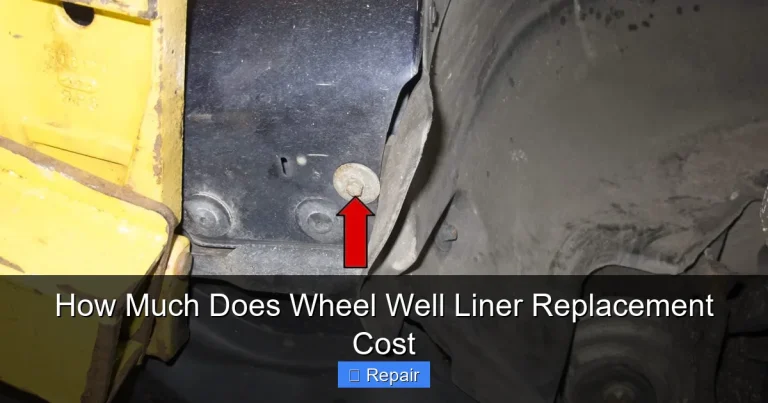
Visual guide about repair
Image source: publicdomainpictures.net
Vehicle Make and Model
This is perhaps the biggest factor. The more common your car, the generally lower the cost of parts. For instance:
- Common Sedans/SUVs (e.g., Honda Civic, Toyota Camry, Ford F-150): Parts are usually readily available and less expensive. Your wheel well liner replacement cost here will likely be on the lower end.
- Luxury or Exotic Vehicles (e.g., Mercedes-Benz, BMW, Audi): Parts for these cars are often proprietary, made with specific materials, and thus carry a higher price tag. The design might also be more complex, increasing labor time.
- Older or Obscure Models: Finding parts can be a challenge, sometimes requiring special orders or even custom fabrication, which can significantly drive up the cost.
Type of Liner Material (OEM vs. Aftermarket)
You generally have two main choices when it comes to replacement parts:
- OEM (Original Equipment Manufacturer): These are parts made by your car’s original manufacturer. They are guaranteed to fit perfectly and match the original quality. However, they are almost always more expensive. Choosing OEM will push your wheel well liner replacement cost higher.
- Aftermarket: These parts are made by third-party companies. They can be significantly cheaper than OEM parts. The quality can vary, from excellent to “just okay.” It’s wise to read reviews and choose a reputable aftermarket brand to ensure a good fit and durability. This is where you can often save a bit on your overall wheel well liner replacement cost.
Labor Costs (Professional vs. DIY)
Whether you tackle the job yourself or hire a professional will dramatically impact your total wheel well liner replacement cost. We’ll dive deeper into this in the next section, but generally:
- DIY: You save on labor entirely, paying only for the part and any tools you might need.
- Professional: You pay for the mechanic’s time and expertise, which can range from $50 to $150 per hour, depending on their shop rates and location. The actual time needed for a wheel well liner replacement is typically quite short, often 30 minutes to an hour per side.
Geographic Location
Where you live can also influence the cost. Labor rates for mechanics, as well as the general cost of living, vary from one region to another. A repair shop in a major metropolitan area with high overhead costs will likely charge more for labor than a smaller shop in a rural town. This means the overall wheel well liner replacement cost could be higher in big cities.
DIY vs. Professional Replacement: Weighing Your Options
Now that we understand what influences the price, let’s look at the big decision: should you replace your wheel well liner yourself, or should you take it to a professional? Both options have their pros and cons, especially when considering the overall wheel well liner replacement cost.
The DIY Path: Saving Money, Gaining Experience
If you’re comfortable with basic car maintenance and have a few tools handy, replacing a wheel well liner yourself can be a very satisfying and cost-effective project.
Pros:
- Significant Savings: You eliminate labor costs entirely, often the largest part of any car repair bill. This is the primary way to reduce your wheel well liner replacement cost.
- Learning Experience: You’ll gain a better understanding of your car’s mechanics.
- Convenience (on your terms): You can work on your car whenever you have free time.
Cons:
- Time and Effort: It takes time and effort to research, acquire the part, and perform the installation.
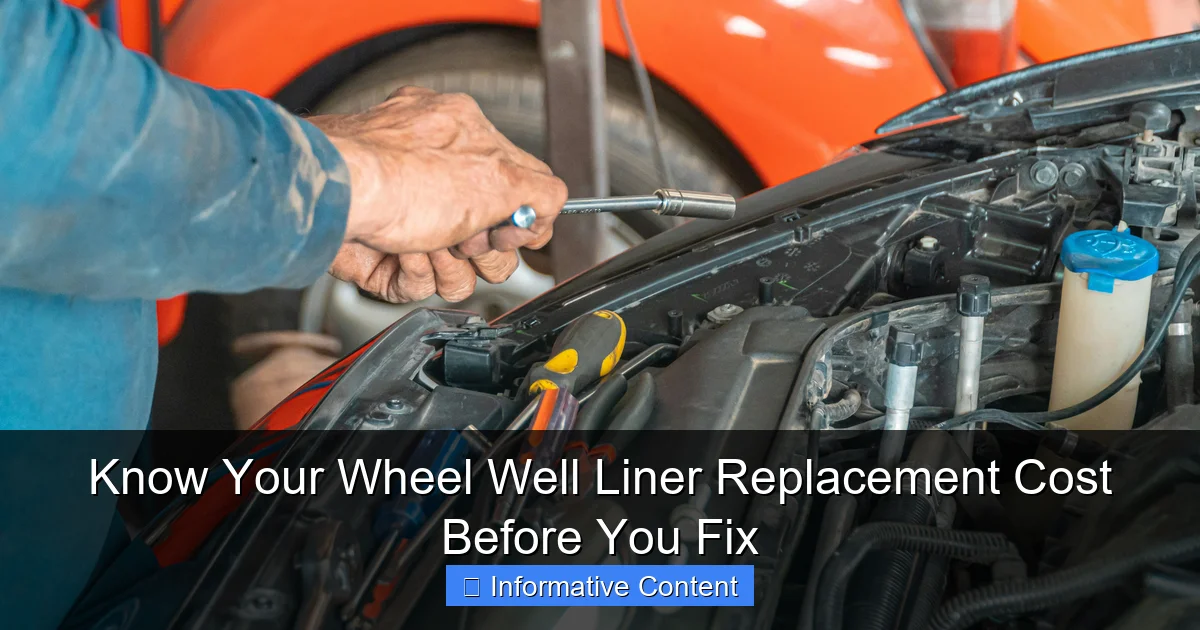
- Tools Required: You might need basic tools like a jack, jack stands, a lug wrench, screwdrivers, and trim removal tools.
- Potential for Frustration: Clips can be stubborn, screws rusted, and space can be tight.
- Risk of Error: If not installed correctly, the liner might not offer full protection or could come loose again.
Tips for DIY Success:
- Research Your Specific Vehicle: Look up videos or guides for replacing the wheel well liner on your exact make and model. This will show you exactly what clips and screws to expect.
- Gather the Right Tools: Ensure you have everything you need before you start.
- Work Safely: Always use jack stands if you’re lifting the car, and wear appropriate safety gear.
- Buy a Quality Aftermarket Part: If you’re going aftermarket, choose a reputable brand known for good fitment.
Going Pro: Convenience and Expertise
For those who lack the time, tools, or confidence to tackle the job themselves, a professional mechanic is the way to go.
Pros:
- Expert Installation: Mechanics have the experience and tools to do the job quickly and correctly.
- Warranty: Most reputable shops offer a warranty on their labor and parts.
- Convenience: You drop off your car, and they handle the rest.
- Peace of Mind: You know the job is done right.
Cons:
- Higher Overall Cost: Labor charges will significantly increase your wheel well liner replacement cost.
- Scheduling: You’ll need to work around the shop’s availability.
Ultimately, the decision depends on your comfort level, budget, and how much value you place on your time versus saving money on the wheel well liner replacement cost.
Breaking Down the Costs: Parts and Labor Estimates
Let’s get down to the numbers. While exact prices will always vary, we can provide some general ranges to help you understand the likely wheel well liner replacement cost. Remember, these are estimates, and getting specific quotes for your vehicle is always the best approach.
Cost of the Liner Part Itself
The price of the liner depends heavily on whether you choose OEM or aftermarket, and your car’s make and model.
- Aftermarket Liners: For most common vehicles, you can expect to pay anywhere from $20 to $70 per liner. For some trucks or larger SUVs, this might creep up to $100.
- OEM Liners: These will typically range from $50 to $150 per liner for common vehicles. For luxury brands or more complex designs, an OEM liner could easily be $200 or more.
Keep in mind that some vehicles might have multiple sections to their wheel well liner, so you might need to buy more than one piece, which would increase the part cost for that wheel.
Estimated Labor Charges
If you’re taking your car to a mechanic, labor will be added to the part cost.
- Time Required: Replacing a single wheel well liner is usually a quick job. It typically takes a professional mechanic anywhere from 30 minutes to 1.5 hours per liner, depending on the car’s design and how easily accessible the fasteners are.
- Hourly Rates: Mechanic labor rates commonly range from $50 to $150 per hour.
- Total Labor Cost: So, for one liner, you could be looking at labor costs between $50 and $150. If you’re replacing multiple liners, the labor cost would be multiplied accordingly, though some shops might offer a slightly reduced rate for multiple items if they are easily accessible.
Here’s a quick look at potential wheel well liner replacement cost ranges:
| Cost Component | DIY Estimated Cost Range | Professional Estimated Cost Range |
|---|---|---|
| Liner Part (Aftermarket) | $20 – $70 per liner | $30 – $100 per liner |
| Liner Part (OEM) | $50 – $150 per liner | $60 – $200 per liner |
| Labor (per liner) | $0 (your time) | $50 – $150 per liner (1-2 hours) |
| Total Estimated Cost (per liner) | $20 – $150 | $80 – $350 |
Note: These are general estimates and can vary significantly based on the factors mentioned above. Always get multiple quotes from different shops or check online part retailers for precise pricing for your specific vehicle.
Tips for Reducing Your Wheel Well Liner Replacement Cost
Even if you’re not planning a full DIY project, there are still smart ways to manage and potentially reduce your overall wheel well liner replacement cost. Being a savvy consumer can make a real difference to your wallet.
Shop Around for Parts
Don’t just buy the first part you find. Check prices from various sources:
- Online Retailers: Websites specializing in auto parts (e.g., RockAuto, AutoZone, O’Reilly Auto Parts, Amazon) often have competitive prices for aftermarket liners.
- Dealerships: If you prefer OEM, call your local dealership’s parts department. Sometimes they run specials, or you might find a better price at a different dealer.
- Local Auto Parts Stores: They might be able to price match or offer immediate availability.
Comparing prices for the part itself, especially if you go the aftermarket route, can significantly lower your initial wheel well liner replacement cost.
Get Multiple Quotes for Labor
If you’re having a professional do the work, don’t settle for the first quote you receive. Call or visit at least three different repair shops in your area. You might be surprised by the variation in labor rates and total estimates. When getting quotes, be specific about what you need done: “I need to replace the front passenger side wheel well liner.” Ask if their quote includes the part or if you should provide it.
Consider Aftermarket Options
As discussed, aftermarket liners are almost always cheaper than OEM. While OEM ensures a perfect match, a good quality aftermarket part will often do the job just as well, especially for something like a wheel well liner. This is a prime area to save money on your wheel well liner replacement cost without compromising too much on function.
Don’t Neglect Minor Repairs
Sometimes, a wheel well liner isn’t completely destroyed; it might just be loose, or have a small tear. If caught early, a minor issue can sometimes be fixed with some heavy-duty zip ties, automotive clips, or even a patch kit. This can be a very inexpensive temporary or even long-term fix, preventing you from incurring a full wheel well liner replacement cost. Regularly inspect your wheel wells, especially after driving on rough roads or during winter, to catch problems when they are small.
Conclusion
Dealing with car repairs is never fun, but being informed makes all the difference. We’ve covered everything from the vital role your wheel well liners play in protecting your car to the various factors that influence the wheel well liner replacement cost. Whether you opt for a DIY approach to save on labor or choose a professional for peace of mind, you now have a solid foundation to make the best decision for your vehicle and your budget.
Remember, a damaged wheel well liner is more than just an aesthetic issue; it’s an open invitation for road debris, water, and salt to wreak havoc on your car’s sensitive components. Addressing it promptly can save you from far more costly repairs down the line. So, take a moment to inspect those wheel wells. If you spot a problem, you now know how to approach understanding the cost and tackling the fix. Drive safely, and here’s to keeping your car protected!
Frequently Asked Questions
What is the average wheel well liner replacement cost?
The average wheel well liner replacement cost typically ranges from $100 to $300 per liner, including both parts and labor. This can vary based on your vehicle’s make and model, as well as where you get the service done.
What factors influence the overall wheel well liner replacement cost?
Several factors contribute to the total wheel well liner replacement cost, including the type of vehicle (luxury cars may have more expensive parts), whether you choose OEM or aftermarket parts, and regional labor rates. The complexity of the installation for your specific car model can also play a role in the final price.
Can I replace a wheel well liner myself to save on labor costs?
Yes, replacing a wheel well liner yourself can significantly reduce the overall cost by eliminating labor charges, which often make up a large portion of the repair bill. This job is generally straightforward for most vehicles, requiring basic tools like a screwdriver, trim removal tools, and a jack stand.
How much does labor typically add to the wheel well liner replacement cost?
Labor costs for a wheel well liner replacement can range from $50 to $150 per liner, depending on the mechanic’s hourly rate and the time it takes to complete the job. While the actual installation is often quick, shops factor in setup time and sometimes diagnostic checks.
Why is replacing my wheel well liner important, and what happens if I don’t?
Replacing your wheel well liner is crucial as it protects vital components like wiring, hoses, and suspension parts from road debris, water, and salt. If left unreplaced, these elements can accelerate corrosion and damage, potentially leading to more expensive repairs down the line.
Are aftermarket wheel well liners cheaper than OEM parts, and how does this affect the replacement cost?
Yes, aftermarket wheel well liners are generally more affordable than Original Equipment Manufacturer (OEM) parts, which can help lower your overall wheel well liner replacement cost. While aftermarket options can save you money, ensure they are of good quality and fit your specific vehicle model properly.