Exact 2016 Ford Fusion Engine Replacement Cost Revealed
Replacing a 2016 Ford Fusion engine can be a substantial investment, with costs varying significantly based on engine type and whether you opt for new, remanufactured, or used units. Our detailed analysis reveals the exact price range, often spanning from approximately $4,000 to over $7,000, including parts and labor. Understand the crucial factors influencing this major automotive expense before making a decision.
Imagine this: you’re cruising along in your trusty 2016 Ford Fusion, perhaps on your way to work, picking up groceries, or heading out for a weekend adventure. Suddenly, a warning light flashes on the dashboard, followed by an ominous sound from under the hood. Or maybe, the car just refuses to start one morning. Your heart sinks. You know, deep down, this isn’t just a simple fix. Your mind immediately jumps to the worst-case scenario: an engine problem. And with that thought comes another, more terrifying one: “What’s this going to cost me?”
For many 2016 Ford Fusion owners, this scenario is a harsh reality. While the Ford Fusion is a popular and generally reliable mid-size sedan, like any mechanical marvel, it’s not immune to significant issues. An engine failure can feel like a punch to the gut, especially when you’re caught off guard. When faced with the prospect of an engine replacement, one of the biggest questions looming is, naturally, the price tag. It’s a decision that can make or break your budget and determine the future of your beloved vehicle.
You’re not alone in this boat. Many drivers find themselves in this exact situation, grappling with the stress and uncertainty. That’s why we’re here to pull back the curtain and reveal the nitty-gritty details of the 2016 Ford Fusion engine replacement cost. We’ll break down what contributes to the total bill, explore your options, and provide practical tips to help you navigate this challenging situation with confidence and clarity. Let’s dive in and demystify the numbers, so you can make the best, most informed decision for your Ford Fusion.
Key Takeaways
- Expect to pay $4,500 – $7,000 for a 2016 Fusion engine replacement.
- Cost varies significantly by engine type and chosen labor rates.
- New engines are costliest; consider used or remanufactured options for savings.
- Labor typically accounts for half of the total engine replacement expense.
- Independent mechanics often provide better value than dealership services.
- Assess if the repair cost outweighs your vehicle’s current market value.
- Always obtain multiple quotes to compare prices and warranty offerings.
Quick Answers to Common Questions
What’s the typical 2016 Ford Fusion engine replacement cost?
Expect the 2016 Ford Fusion engine replacement cost to range from $4,000 to $7,000, covering both parts and labor. This can vary quite a bit depending on your specific engine model and where you get the work done.
What factors really drive up the 2016 Ford Fusion engine replacement cost?
Several factors affect the cost, including whether you opt for a new, rebuilt, or used engine, and the labor rates at your chosen mechanic. The specific engine (e.g., 1.5L EcoBoost vs. 2.0L EcoBoost) can also influence the total 2016 Ford Fusion engine replacement cost.
Can I save money on my 2016 Ford Fusion engine replacement?
Absolutely! Opting for a quality used or remanufactured engine instead of a brand-new one can significantly lower your 2016 Ford Fusion engine replacement cost. Shopping around for quotes from different reputable mechanics can also help you find a better deal.
How long does it usually take to replace a 2016 Ford Fusion engine?
A typical 2016 Ford Fusion engine replacement can take anywhere from 10 to 20 hours of labor, meaning your car might be in the shop for 2-5 days. This timeframe can fluctuate based on the shop’s schedule and the complexity of the specific engine model.
Is it worth the 2016 Ford Fusion engine replacement cost, or should I just get a new car?
That’s a great question! To decide if the 2016 Ford Fusion engine replacement cost is worthwhile, consider your car’s overall condition and current market value. If the rest of the car is in excellent shape, a new engine could give you many more years of reliable driving.
📑 Table of Contents
- Why Your 2016 Ford Fusion Might Need a New Engine
- Understanding the Different Engine Replacement Options
- Breaking Down the 2016 Ford Fusion Engine Replacement Cost Components
- Average Cost Ranges: New, Remanufactured, and Used Engines
- Tips for Managing and Reducing Engine Replacement Costs
- When is Engine Replacement the Right Choice?
- Conclusion
Why Your 2016 Ford Fusion Might Need a New Engine
Before we talk about the numbers, let’s understand why your 2016 Ford Fusion might even be facing an engine replacement in the first place. It’s not always just about age or mileage. Sometimes, specific issues can lead to such a significant repair, and knowing these can help you understand the diagnosis your mechanic provides.
Common Engine Failures in the 2016 Ford Fusion
The 2016 Ford Fusion came with several engine options, including the naturally aspirated 2.5L and various EcoBoost turbocharged engines (1.5L, 2.0L). Each has its own set of potential vulnerabilities, though some issues are more common across the board:
- Coolant Leaks: Especially in the 1.5L and 2.0L EcoBoost engines, internal coolant leaks have been a known concern. This can lead to overheating, head gasket failure, and eventually, catastrophic engine damage if not addressed quickly. Persistent low coolant levels without an obvious external leak are a major red flag.
- Timing Chain Issues: While not as prevalent as some other makes, issues with the timing chain or its tensioners can occur, leading to significant internal engine damage if the chain stretches or breaks. This can manifest as rattling noises from the engine.
- Turbocharger Problems: For EcoBoost models, the turbocharger itself or its associated components (like oil supply lines) can fail. A failing turbo can introduce metal shavings into the engine oil, starving the engine of lubrication and causing severe wear, or it can simply stop providing boost, making the car undrivable.
- Lack of Maintenance: Let’s be honest, sometimes the simplest explanation is the true one. Skipping oil changes, ignoring warning lights, or using incorrect fluids can significantly shorten an engine’s lifespan, leading to premature wear and ultimately, failure.
Signs It’s Time to Consider Engine Replacement
How do you know if you’re looking at a major problem versus a minor repair? Here are some clear indicators that your engine might be beyond simple repair and warranting a full replacement:
- Loud Engine Knocking or Rapping: This is often a sign of connecting rod bearing failure or other internal damage. It’s usually rhythmic and gets louder with engine RPMs.
- Excessive Smoke from the Exhaust: While some smoke on startup can be normal, thick blue, white, or black smoke that persists can indicate serious internal issues like burning oil, coolant, or rich fuel mixture.
- Significant Loss of Power: If your car struggles to accelerate, constantly sputters, or feels dramatically weaker than usual, it could be a sign of compression loss or other severe internal engine problems.
- Metal Shavings in the Oil: During an oil change, if you or your mechanic notice metallic flakes or chunks in the oil, it means parts are grinding internally, which is a very bad sign.
- Persistent Overheating: If your engine repeatedly overheats despite cooling system repairs, it may have suffered irreversible damage like a warped cylinder head or cracked block.
These signs can be frightening, but recognizing them early can sometimes save you from further damage, or at least help you understand the necessity of a full engine replacement for your 2016 Ford Fusion.
Understanding the Different Engine Replacement Options
When your mechanic tells you that your 2016 Ford Fusion needs a new engine, you actually have a few different routes you can take. Each option has its own price point, level of risk, and warranty, which will directly impact your overall 2016 Ford Fusion engine replacement cost. Understanding these choices is key to making the best decision for your budget and peace of mind.

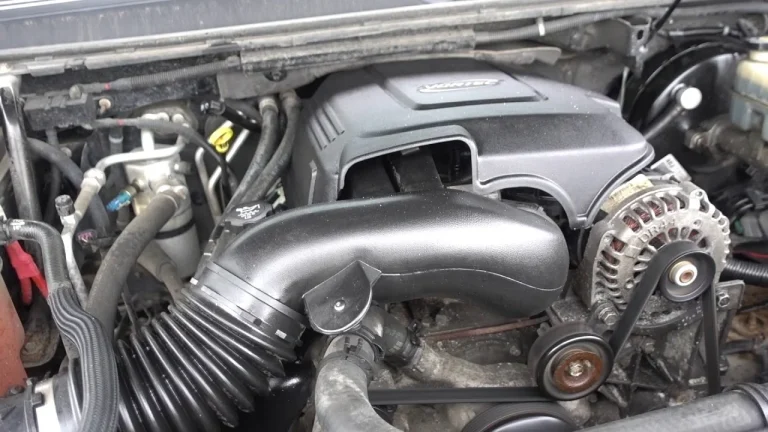
Visual guide about 2016 ford fusion engine replacement cost
Image source: dlmrue3jobed1.cloudfront.net
Brand New Engine
As the name suggests, this is a completely new engine unit, straight from the manufacturer (OEM – Original Equipment Manufacturer) or an aftermarket supplier. Think of it as getting the engine your car had when it rolled off the assembly line, or even an updated version with potential improvements.
- Pros: You get the longest warranty, typically 3 years/100,000 miles, offering the most peace of mind. You also get the latest revisions and components, which can address known issues with older engine designs. It’s essentially a fresh start for your car’s powertrain.
- Cons: This is by far the most expensive option. The cost of a brand new engine alone can sometimes approach or even exceed the fair market value of your entire 2016 Ford Fusion, making it a difficult choice for many owners.
Remanufactured Engine
A remanufactured engine is not just a repaired engine; it’s an engine that has been completely disassembled, inspected, cleaned, and had all wear components replaced with new or re-machined parts to meet original factory specifications. This process is usually done in a dedicated engine remanufacturing facility.
- Pros: It offers a fantastic balance of reliability and cost. Remanufactured engines typically come with a strong warranty (often 1-3 years/unlimited mileage) and are built to last. They’re thoroughly tested and are often a more robust option than a simple repair.
- Cons: While significantly cheaper than a brand new engine, it’s still a substantial investment. You’re not getting a “new” engine in the strictest sense, but one that has been brought back to like-new condition.
Used Engine (Salvage/Junk Yard)
This option involves sourcing an engine from another vehicle, often from a salvage yard or a car that was totaled for reasons other than engine failure. These engines are typically pulled from donor vehicles and sold “as is” or with a very limited warranty.
- Pros: This is generally the least expensive option in terms of the engine part itself, which can make the initial 2016 Ford Fusion engine replacement cost seem more appealing.
- Cons: This route carries the highest risk. You’re getting an engine with an unknown history, mileage, and potential for hidden issues. The warranty is often very short, if it exists at all (e.g., 30-90 days), and usually only covers the engine itself, not the labor to install it. You could end up paying for installation only to have the used engine fail shortly after. Thorough inspection and sourcing from a reputable yard are absolutely critical if you choose this path.
Each of these options dramatically impacts the final price and your long-term satisfaction. It’s crucial to discuss these choices with your mechanic and consider your budget, how long you plan to keep the car, and your tolerance for risk.
Breaking Down the 2016 Ford Fusion Engine Replacement Cost Components
When you get a quote for a 2016 Ford Fusion engine replacement, it’s not just one big number. That total is an accumulation of several different components, each contributing to the final bill. Understanding these parts will help you dissect quotes and grasp where your money is going.
Engine Part Cost
This is arguably the largest single component of the 2016 Ford Fusion engine replacement cost. As we discussed, the type of engine you choose (new, remanufactured, or used) will dictate this significantly. Prices also vary slightly depending on the specific engine your Fusion has (e.g., 2.5L, 1.5L EcoBoost, 2.0L EcoBoost), with EcoBoost engines often being slightly more expensive due to their complexity and turbocharger systems. Generally:
- Used Engine: Can range from $1,000 to $3,500, depending on mileage, condition, and availability.
- Remanufactured Engine: Typically falls between $3,000 to $5,500. This range often includes a core charge, which is refunded when you return your old engine.
- Brand New Engine: Expect to pay anywhere from $4,500 to $8,000+ directly from Ford or a major aftermarket supplier.
Labor Cost
Replacing an engine is a highly labor-intensive job. It requires skill, specialized tools, and a significant amount of time. The labor cost is calculated by multiplying the estimated hours for the job by the shop’s hourly labor rate.
- Hours Required: Engine replacement for a 2016 Ford Fusion typically takes between 15 to 25 hours, depending on the engine type and the mechanic’s experience.
- Hourly Rates: These vary widely based on location and the type of repair facility.
- Independent Shops: Often charge between $90 to $150 per hour.
- Dealerships: Can charge higher rates, ranging from $120 to $200+ per hour.
This means labor alone could be anywhere from $1,350 to $5,000, easily matching or even exceeding the cost of the engine part itself, especially for a used engine.
Additional Parts and Fluids
You can’t just swap an engine without replacing a whole host of supporting components and fluids. These “smaller” costs add up quickly and are essential for a proper, reliable installation.
- Gaskets and Seals: New intake manifold gaskets, exhaust manifold gaskets, valve cover gaskets (if not part of the new engine), and various O-rings are always replaced.
- Fluids: New engine oil, oil filter, coolant, and sometimes transmission fluid (if lines need to be disconnected) are necessary.
- Belts and Hoses: It’s common practice to replace the serpentine belt, accessory belts, and any coolant or vacuum hoses that are old, brittle, or difficult to access once the engine is in place.
- Spark Plugs: Often replaced as part of a comprehensive engine service.
- Turbocharger Components: If your Fusion has an EcoBoost engine, you might need new turbo oil lines, gaskets, or even a new turbocharger itself if the old one was compromised during the failure.
- Miscellaneous Hardware: New nuts, bolts, clips, and shop supplies.
These additional parts and fluids can add another $300 to $1,000+ to your total 2016 Ford Fusion engine replacement cost.
Diagnostics and Miscellaneous Fees
Before any work begins, a proper diagnosis is needed. This costs money. Also, shops often include environmental fees for disposing of old fluids and parts, and general shop supply fees.
- Diagnostic Fees: Typically $100 to $200, though this might be waived or rolled into the total if you proceed with the replacement at the same shop.
- Shop Supplies/Environmental Fees: Usually a small percentage of the total bill or a flat fee, ranging from $50 to $200.
Adding these components together gives you a clearer picture of the final financial commitment.
Average Cost Ranges: New, Remanufactured, and Used Engines
Now that we’ve broken down the individual components, let’s put it all together to give you realistic average ranges for the total 2016 Ford Fusion engine replacement cost based on your engine choice. Keep in mind these are averages, and your exact cost will depend heavily on your location, chosen mechanic, and the specific engine variant in your Fusion (e.g., 1.5L EcoBoost, 2.0L EcoBoost, 2.5L).
Estimated Costs by Engine Type
Here’s a general overview of what you can expect the total bill to look like, including parts, labor, and other necessary items:
| Engine Type Option | Estimated Total Cost Range | Typical Warranty |
|---|---|---|
| Used Engine | $3,000 – $7,000 | 30-90 days (parts only) |
| Remanufactured Engine | $5,000 – $9,000 | 1-3 years / unlimited mileage |
| Brand New Engine | $6,000 – $12,000+ | 3 years / 100,000 miles |
As you can see, the range is quite broad. Opting for a used engine might save you money upfront, but the lack of a substantial warranty on both parts and labor makes it the riskiest option. A remanufactured engine often provides the best balance of cost and reliability, while a new engine is the most expensive but offers maximum peace of mind. Your specific 2016 Ford Fusion engine replacement cost will fall somewhere within these figures.
Factors Influencing Your Final Bill
Beyond the type of engine you choose, several other elements can sway your final bill:
- Geographic Location: Labor rates vary significantly across different states and even within different cities. Shops in metropolitan areas with higher costs of living generally charge more per hour.
- Shop Reputation and Type: Dealerships typically have higher labor rates and may exclusively use new OEM parts, leading to a higher overall cost. Independent shops often offer more competitive rates and may be more flexible with parts sourcing (e.g., using quality aftermarket or remanufactured parts). Specialist performance shops might also have higher rates.
- Specific Engine Variant: While we provided general ranges, a specific engine like the 1.5L EcoBoost might have slightly different part costs or require specialized tools/procedures compared to the 2.5L naturally aspirated engine, subtly influencing labor time.
- Additional Unexpected Repairs: During the engine replacement process, mechanics might uncover other worn-out components that would be prudent to replace “while they’re in there” (e.g., motor mounts, worn hoses, or a struggling transmission). While not strictly part of the engine replacement, these can add to the total cost.
Always get a detailed quote that itemizes all parts, labor hours, and additional fees. Don’t be afraid to ask questions about why certain parts are being used or how labor hours are calculated.
Tips for Managing and Reducing Engine Replacement Costs
Facing a potential 2016 Ford Fusion engine replacement is daunting, but there are strategies you can employ to manage the cost and ensure you’re getting the best value for your money. You have more control than you might think!
Get Multiple Quotes
This is perhaps the most crucial tip. Don’t just settle for the first estimate you receive. Contact at least two or three reputable shops – ideally one dealership and a couple of well-reviewed independent mechanics. Provide them with the exact same information about your vehicle and the diagnosis. Compare not just the bottom line, but also the breakdown of parts, labor hours, and warranties offered. This will give you a clear understanding of the market rate for a 2016 Ford Fusion engine replacement cost in your area and help you spot any outlier quotes.
Consider Your Options Carefully
As discussed, you have three main choices: new, remanufactured, or used. Each has its pros and cons regarding cost, reliability, and warranty. Before making a decision, think about:
- How long do you plan to keep the car? If you intend to drive your Fusion for many more years, investing in a new or remanufactured engine with a solid warranty might be the most sensible long-term choice. If you’re just trying to get a few more months out of it before trading up, a carefully sourced used engine might be more appropriate.
- What is your budget? Be realistic about what you can afford. Sometimes, stretching a bit more for a remanufactured engine can save you headaches and money down the line compared to a cheap, unreliable used engine.
- What is your risk tolerance? A used engine is always a gamble. Are you prepared for the possibility of it failing prematurely?
Check for Warranties
No matter which engine option you choose, a warranty is your best friend. Inquire specifically about both the parts warranty (on the engine itself) and the labor warranty (on the installation). A good warranty gives you peace of mind that if something goes wrong soon after the replacement, you won’t be paying twice for the same fix. Make sure to get all warranty details in writing.
DIY vs. Professional Installation: A Word of Caution
While some mechanically inclined individuals might consider attempting an engine swap themselves to save on labor, for a complex modern vehicle like the 2016 Ford Fusion, this is generally not advisable unless you are a highly experienced automotive technician with access to specialized tools and equipment. Engine replacement involves intricate wiring, fluid lines, computer systems, and heavy lifting equipment. Incorrect installation can lead to immediate failure, damage to other vehicle systems, or even safety hazards. The labor savings rarely outweigh the potential risks and costly mistakes for the average DIYer.
Evaluate Your Car’s Overall Value
Before committing to an engine replacement, take a hard look at the rest of your 2016 Ford Fusion. What’s its current market value (e.g., using Kelley Blue Book or Edmunds)? What other major repairs might be looming (e.g., transmission issues, suspension problems, significant rust)? Add the estimated 2016 Ford Fusion engine replacement cost to any other anticipated repairs. If that total approaches or exceeds the car’s current value, or the cost of a down payment on a newer, more reliable vehicle, it might be time to consider cutting your losses and moving on.
When is Engine Replacement the Right Choice?
Deciding whether to replace your engine or part ways with your 2016 Ford Fusion is a deeply personal and financial one. It’s not just about the 2016 Ford Fusion engine replacement cost; it’s about the overall picture of your vehicle and your future needs. Let’s explore some scenarios to help you weigh your options.
Assessing Your Car’s Overall Condition
An engine doesn’t operate in a vacuum. Before you commit to such a significant repair, take stock of the rest of your Fusion. Ask yourself (and perhaps your trusted mechanic) these questions:
- Is the transmission healthy? A failing transmission combined with an engine replacement can make the total investment prohibitive.
- Are there significant rust issues? Especially on the frame or critical structural components, rust can severely impact the car’s longevity and safety.
- What’s the condition of the suspension, brakes, and other major systems? If you’re looking at replacing the engine only to pour more money into other worn-out components soon after, it might not be the wisest investment.
- How is the interior and exterior? While cosmetic, a car in poor overall condition might not be worth the high cost of a new engine.
If the rest of your Fusion is in excellent shape – minimal rust, a strong transmission, good suspension, and a clean interior – then investing in a new engine makes a lot more sense. You’re essentially getting a “new” car on an existing, otherwise sound platform.
Comparing to a New Car Purchase
This is often the core dilemma. Let’s say your 2016 Ford Fusion engine replacement cost is estimated at $7,000 for a remanufactured engine. Compare this directly to the cost of purchasing a different vehicle:
- Down Payment: How much would you need for a down payment on a comparable used or new vehicle? Often, the engine replacement cost is less than a substantial down payment.
- Monthly Payments: Factor in the new monthly car payments, insurance increases, and potential interest over the loan term.
- Depreciation: A new car starts depreciating the moment you drive it off the lot. Your Fusion has already taken its biggest depreciation hit.
- Total Cost of Ownership: Sometimes, keeping your current car and replacing the engine is financially smarter in the long run than taking on a new car loan, especially if you love your Fusion and it meets your needs perfectly.
Do the math carefully. Sometimes, avoiding a car payment for another 3-5 years by spending on an engine replacement is the more financially prudent choice.
Emotional Attachment and Practicality
Money isn’t always the only factor. You might have a strong emotional attachment to your 2016 Ford Fusion. It might have sentimental value, or perhaps it perfectly fits your lifestyle and you simply don’t want a different car. Or, it could be a purely practical decision – you know the car’s history, you trust it (apart from the engine issue), and you don’t want to deal with the unknowns of another used car purchase.
Ultimately, the decision to proceed with a 2016 Ford Fusion engine replacement cost comes down to a blend of financial practicality, the car’s overall condition, and your personal circumstances. There’s no single “right” answer for everyone, but by considering these points, you can arrive at the best decision for you.
Conclusion
Dealing with a major mechanical failure, especially an engine replacement, is undoubtedly one of the most stressful experiences a car owner can face. The thought of the high 2016 Ford Fusion engine replacement cost can feel overwhelming, making you question whether your beloved vehicle is worth saving.
However, armed with the information we’ve covered, you’re now better equipped to understand the complexities behind that intimidating price tag. You know the common reasons a 2016 Ford Fusion might need a new engine, the different options available (new, remanufactured, used), and how labor, parts, and miscellaneous fees all contribute to the final bill. More importantly, you have a realistic understanding of the average cost ranges, which can vary from a few thousand dollars to well over ten thousand, depending on your choices.
Remember, this isn’t just about throwing money at a problem. It’s about making an informed financial decision that aligns with your budget, your car’s overall condition, and your future driving needs. Get multiple quotes, carefully consider the warranty and risks associated with each engine type, and honestly assess whether your Fusion has enough life left in it to justify the investment. With a clear head and a solid plan, you can navigate this challenge, whether that means bringing your 2016 Ford Fusion back to life with a fresh engine or making the tough decision to move on to a different vehicle. Whatever path you choose, remember that being informed is your greatest tool.
Frequently Asked Questions
How much does a 2016 Ford Fusion engine replacement typically cost?
The average 2016 Ford Fusion engine replacement cost can range from $4,000 to $8,000, depending on the engine type (e.g., 2.5L, EcoBoost) and whether you choose a new, remanufactured, or used engine. This estimate typically includes both parts and labor.
What factors influence the total 2016 Ford Fusion engine replacement cost?
Several factors affect the total 2016 Ford Fusion engine replacement cost, including the specific engine model (e.g., 1.5L EcoBoost vs. 2.0L EcoBoost), the choice between a new, remanufactured, or used engine, and regional labor rates. The complexity of the installation and any additional parts needed (like new hoses or belts) can also increase the price.
Is it cheaper to use a new, used, or remanufactured engine for my 2016 Ford Fusion?
Using a remanufactured or used engine is generally cheaper than opting for a brand-new one for your 2016 Ford Fusion. While a new engine offers the longest lifespan and warranty, a quality remanufactured engine provides a good balance of cost-effectiveness and reliability, often coming with a decent warranty. A used engine is the cheapest option but carries more risk regarding its unknown history and remaining lifespan.
How long does an engine replacement for a 2016 Ford Fusion usually take?
An engine replacement for a 2016 Ford Fusion typically takes a professional mechanic anywhere from 12 to 20 hours to complete. This timeframe can vary based on the specific engine, the shop’s efficiency, and whether any unexpected issues arise during the installation process.
What does an estimated 2016 Ford Fusion engine replacement cost typically include?
An estimated 2016 Ford Fusion engine replacement cost usually includes the price of the replacement engine itself (new, remanufactured, or used) and the labor required for its installation. It often also covers essential fluids like engine oil and coolant, along with basic gaskets and seals. Additional parts, such as new spark plugs, belts, or hoses, might be extra.
Should I replace the engine in my 2016 Ford Fusion, or is it better to buy a new car?
Deciding whether to replace the engine in your 2016 Ford Fusion or buy a new car depends on several factors, including the vehicle’s overall condition, mileage, and your budget. If the rest of the car is in excellent shape and the replacement cost is significantly less than purchasing a comparable new or used vehicle, it might be a worthwhile investment. Conversely, if your Fusion has many other issues or high mileage, putting money into an engine replacement might not be the most economical choice.