Nissan Altima Strut Replacement Cost: Your Full Guide
📋 Table of Contents
The average Nissan Altima strut replacement cost ranges from $500 to $900 per axle, including parts and labor. Factors like part quality, labor rates, and whether you replace front or rear struts significantly impact the final price. Understanding these elements helps you budget effectively for this crucial suspension repair.
🎯 Key Takeaways
- Average cost for Altima strut replacement is $500-$900 per axle.
- Replacing both struts on an axle is highly recommended for safety.
- DIY can save labor costs, but requires specific tools and expertise.
- Aftermarket struts offer cost savings over OEM without compromising quality.
- Always get an alignment after strut replacement to prevent tire wear.
Have you ever wondered what keeps your Nissan Altima’s ride smooth and stable, especially over bumpy roads? Those unsung heroes are your struts. They absorb shocks, control suspension movement, and play a critical role in your car’s handling and safety.
Over time, struts wear out. You might notice a bouncier ride, nose dives during braking, or uneven tire wear. Replacing them is a crucial maintenance task, but understanding the Nissan Altima strut replacement cost can feel a bit overwhelming. Don’t worry, we’re here to guide you through it.
Understanding Nissan Altima Strut Replacement Costs
Your car’s struts are more than just shock absorbers; they are critical suspension components. They help maintain tire contact with the road, contributing to steering control and braking efficiency. When they wear out, your Altima’s performance and safety diminish significantly. Replacing them restores your vehicle’s original ride quality and handling.
Parts vs. Labor: A Key Distinction
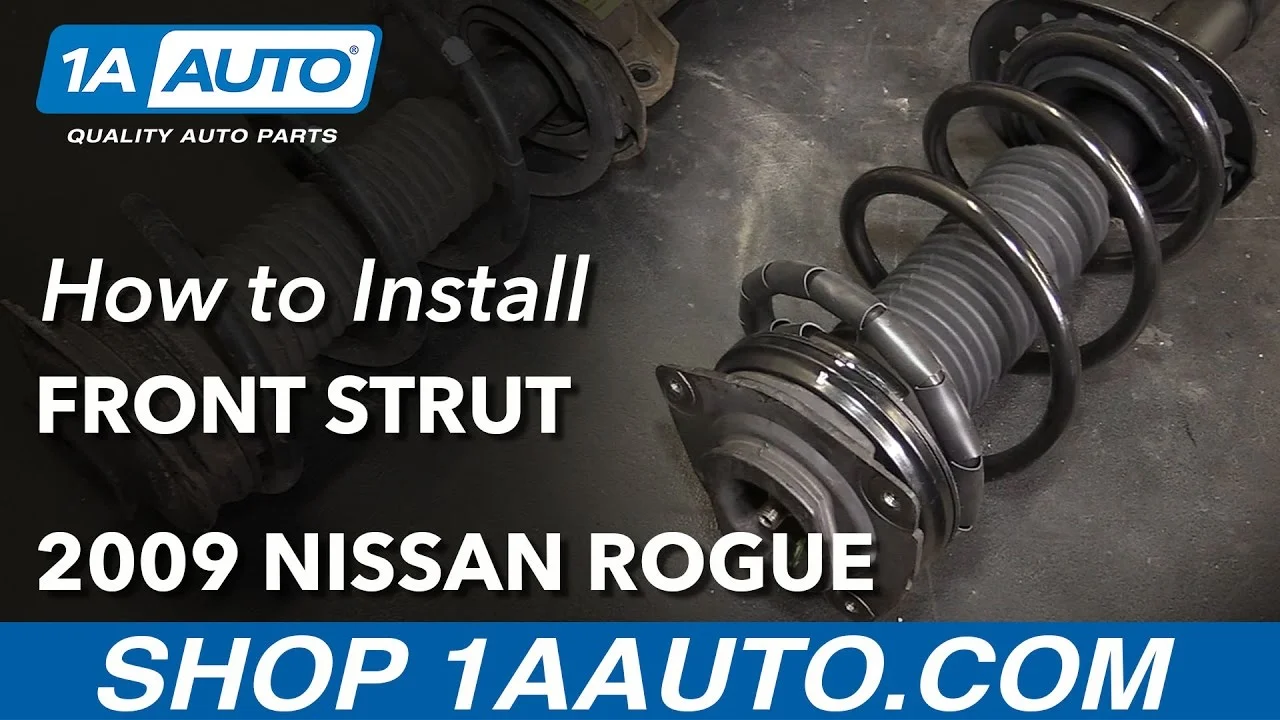
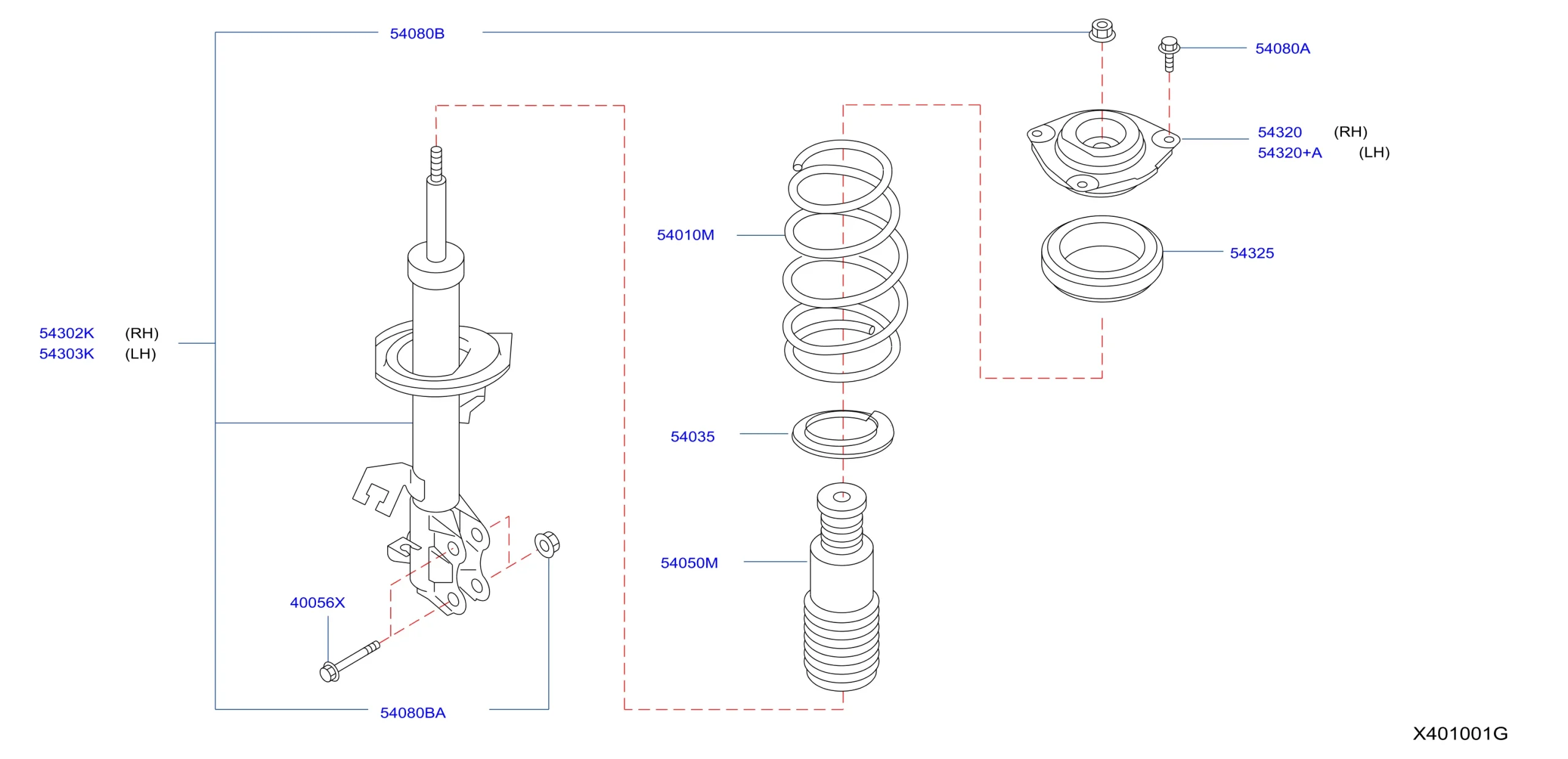
When you look at the total bill for strut replacement, it’s typically split into two main components: parts and labor. The parts cost covers the actual struts themselves, often sold as a complete strut assembly. This includes the coil spring, strut mount, and boot. This makes replacement quicker and often more cost-effective than replacing individual components. The labor cost is what the mechanic charges for the time it takes to remove the old struts and install the new ones. This can vary widely depending on the shop and your location.
Average Cost Breakdown
For a Nissan Altima, you can expect the total cost to replace all four struts to range broadly. On average, the parts cost for a complete strut assembly for one wheel can be anywhere from $75 to $200, depending on the brand and quality. Since your Altima has four wheels, you’re looking at $300 to $800 just for the parts alone if you replace all of them. The labor cost per strut can be $100 to $250. This means labor for all four struts might total $400 to $1000. Therefore, a complete four-strut replacement for your Altima will typically fall somewhere between $700 and $1800, including both parts and labor. Remember, these are national averages, and your local prices may differ slightly. It’s always wise to get multiple quotes.
Factors Influencing Your Total Strut Replacement Bill
The total cost for replacing your Nissan Altima’s struts isn’t fixed. Many factors play a big role in your final bill. Understanding these can help you make smart choices and potentially save money. Being an informed car owner is your greatest advantage.
Choice of Parts: OEM, Aftermarket, or Performance
The type of struts you select significantly influences your total cost.
- OEM (Original Equipment Manufacturer) Struts: These are Nissan’s official parts. They guarantee a perfect fit and performance, matching your car’s original specifications. However, they are typically the most expensive option. You usually buy them from a Nissan dealership.
- Aftermarket Struts: These come from independent companies like Monroe, KYB, or Gabriel. They offer a huge range of choices, from budget-friendly to high-quality replacements. Many aftermarket brands provide excellent value and can even outperform OEM parts. They are generally more affordable than OEM.
- Performance Struts: If you want to enhance your Altima’s handling or lower its ride height, performance struts are available. They carry a higher price tag but deliver improved driving dynamics. Most daily drivers don’t need this upgrade.
Always choose a reputable brand for aftermarket parts. Look for good warranties to protect your investment.
Mechanic’s Expertise and Location
Who replaces your Altima’s struts and where they are located also affects the price.
- Dealerships: Nissan dealerships often have the highest labor rates. They employ factory-trained technicians and use OEM parts. You pay a premium for guaranteed quality and convenience.
- Independent Mechanics: Local shops usually offer more competitive labor rates. Many are highly skilled and can help you choose quality aftermarket parts. This gives you flexibility and potential savings. Always check reviews and ask for certifications.
- Specialty Suspension Shops: These shops focus solely on suspension repairs. They often provide a balance of specialized expertise and reasonable costs. They may have a broader selection of aftermarket options.
Labor costs also differ by region. Shops in big cities typically charge more than those in smaller towns. Always gather at least three quotes. This ensures you compare prices effectively and find the best service for your Altima’s strut replacement needs.
DIY vs. Professional Installation: Cost and Considerations
Deciding between tackling the strut replacement yourself or handing it over to a professional mechanic is a significant factor in your overall cost. Each path has its own set of financial implications and practical considerations.
Professional Installation: The Peace of Mind Premium
Opting for a professional mechanic means you’re paying for their expertise, specialized tools, and often a warranty on both parts and labor. Labor costs for strut replacement on a Nissan Altima typically range from $200 to $600 per axle, depending on your location, the shop’s rates, and the complexity of the job. For all four struts, you could be looking at $400-$1200 just in labor. While this is a significant chunk of the total, it removes the hassle, risk, and time commitment from your plate. You simply drop off your car and pick it up once the job is done correctly and safely. Many drivers find this peace of mind well worth the extra expense.
DIY Installation: Saving Money, But At What Cost?
If you’re mechanically inclined and have the right tools, replacing Altima struts yourself can save you hundreds of dollars in labor costs. You’ll only pay for the parts and perhaps rental tools. However, this isn’t a job for the faint of heart or the inexperienced. You’ll need:
- A sturdy floor jack and jack stands
- A comprehensive socket and wrench set
- A torque wrench
- Crucially, a spring compressor (which can be rented from auto parts stores for free or a small deposit)
Ignoring safety procedures or using incorrect tools can lead to serious injury or damage to your vehicle. Plus, the time commitment can be substantial, especially if you encounter unexpected rusted bolts or other complications. Factor in the learning curve and potential for mistakes before deciding to go the DIY route.
Signs You Need New Struts and How to Save Money
Recognizing the symptoms of worn-out struts early can prevent further damage to your Nissan Altima and give you time to plan your replacement efficiently. Knowing how to mitigate costs further ensures you get the best value.
Key Indicators Your Struts Are Failing
Your Altima will often tell you when its struts are giving out. Pay attention to these common warning signs:
- Excessive Bouncing or Swaying: If your car continues to bounce several times after hitting a bump, or sways significantly around corners, your struts are likely worn.
- Nose-Diving or Squatting: When braking, does your Altima’s front end dip excessively? Does the rear squat hard during acceleration? This indicates poor strut dampening.
- Fluid Leaks: Visually inspect your struts. If you see oily residue or fluid leaking from the strut body, it means the seals are compromised, and the strut is failing.
- Uneven Tire Wear: Worn struts can cause your tires to lose consistent contact with the road, leading to patchy or cupped tire wear patterns.
- Clunking or Rattling Noises: As struts wear out, internal components can become loose, leading to metallic clunking or rattling sounds, especially over rough roads.
- “Bounce Test” Failure: Push down hard on each corner of your Altima and release. If the car bounces more than once before settling, the strut at that corner is likely worn.
Don’t ignore these signs; failing struts compromise your safety and can lead to more expensive repairs down the line.
Smart Strategies to Reduce Replacement Costs
Replacing struts can be a significant expense, but there are ways to be smart about it and keep more money in your wallet:
- Get Multiple Quotes: Call around to several reputable mechanics or auto shops. Prices for labor can vary significantly.
- Consider Aftermarket Parts: While OEM parts are great, high-quality aftermarket struts from brands like KYB or Monroe often offer comparable performance at a lower price.
- Buy Parts Yourself: If you’re using a professional installer, ask if they’ll install parts you provide. Often, you can find better deals online or at local parts stores.
- Look for Package Deals: Some shops offer discounts if you’re replacing all four struts or combining the service with an alignment.
- Regular Maintenance: Keeping your suspension system properly maintained can prolong the life of your struts, delaying the need for costly replacements.
Conclusion
Replacing the struts on your Nissan Altima is a crucial maintenance task that impacts both your driving comfort and, more importantly, your safety. While the total cost can range from $400 to over $1,200 per axle, understanding the variables—parts quality, professional vs. DIY installation, and labor rates—empowers you to make informed decisions. Pay close attention to the warning signs your Altima gives you, and don’t delay addressing worn-out struts. By getting multiple quotes, choosing parts wisely, and considering your own mechanical capabilities, you can effectively manage the expense. Drive confidently and safely, knowing your Altima’s suspension is in top condition!
💬 Quick Questions & Answers
What’s the average cost for Nissan Altima front struts?
Front strut replacement typically costs between $250-$450 per wheel, including parts and labor.
How much do rear Altima struts cost to replace?
Rear strut replacement generally ranges from $200-$400 per wheel, factoring in parts and labor.
Can I replace just one Altima strut?
While possible, it’s strongly recommended to replace both struts on the same axle for balanced handling and safety.
How long does Altima strut replacement take?
A professional mechanic can usually replace a pair of struts on an Altima in 2-4 hours.
Is an alignment needed after replacing Altima struts?
Yes, a wheel alignment is crucial after strut replacement to ensure proper steering and tire wear.
❓ Frequently Asked Questions
What determines the overall cost of Nissan Altima strut replacement?
The total cost is influenced by several factors: the cost of parts (OEM vs. aftermarket), labor rates in your area, whether you replace front or rear struts, and if additional suspension components need replacement simultaneously. Comprehensive quotes should detail these aspects.
Should I choose OEM or aftermarket struts for my Altima to save money?
Aftermarket struts can offer significant cost savings, often 30-50% less than OEM parts, without necessarily sacrificing quality. Many reputable aftermarket brands produce excellent struts specifically designed for the Altima that meet or exceed original performance.
What are the common signs that my Nissan Altima needs new struts?
Key indicators include excessive bouncing after hitting bumps, a “nose dive” during braking, uneven tire wear, fluid leaks from the struts, and a general loss of ride comfort or stability. A visible inspection can often confirm these issues.
Is it possible to replace Nissan Altima struts myself, and what are the cost implications?
DIY replacement is possible if you have advanced mechanical skills and specialized tools like a spring compressor. You’ll save significantly on labor costs ($150-$300 per axle), but ensure you understand the safety risks involved and the need for a post-installation alignment.
How often should Nissan Altima struts be replaced?
Struts typically last between 50,000 to 100,000 miles, but this can vary based on driving conditions, road quality, and driving style. It’s best to have them inspected during routine maintenance checks, especially after 50,000 miles.
What other suspension components might need replacement with Altima struts?
When replacing struts, it’s common to also inspect and possibly replace strut mounts, bump stops, dust boots, and sway bar links. Addressing these components simultaneously can prevent future repairs and ensure optimal suspension performance.