Burnt Exhaust Valve Repair Cost: Get the Full Breakdown
📋 Table of Contents
Repairing a burnt exhaust valve can be a significant engine expense, typically ranging from hundreds to thousands of dollars depending on the extent of damage and labor rates. Understanding the symptoms early can prevent further engine complications. Always get a professional diagnosis to accurately assess the repair scope and cost.
🎯 Key Takeaways
- Takeaway 1:Get a professional engine diagnostic immediately.
- Takeaway 2:Costs vary widely; expect $500 to $3000+.
- Takeaway 3:Early detection prevents more costly engine damage.
- Takeaway 4:Compare quotes from reputable mechanics.
- Takeaway 5:Factor in parts, labor, and potential additional repairs.
Ever heard a strange ticking sound coming from your engine? Or perhaps your car just doesn’t have the power it used to? These could be signs of a serious issue lurking beneath your hood: a burnt exhaust valve. It’s a problem that sends shivers down many car owners’ spines because it often means a hefty repair bill.
Understanding what causes a burnt exhaust valve, and more importantly, what impacts its repair cost, can save you stress and money. This post will break down everything you need to know. We’ll explain why this happens and what factors play into the repair bill. Knowing these details empowers you to make informed decisions about your car’s health and your wallet.
What Causes a Burnt Exhaust Valve?
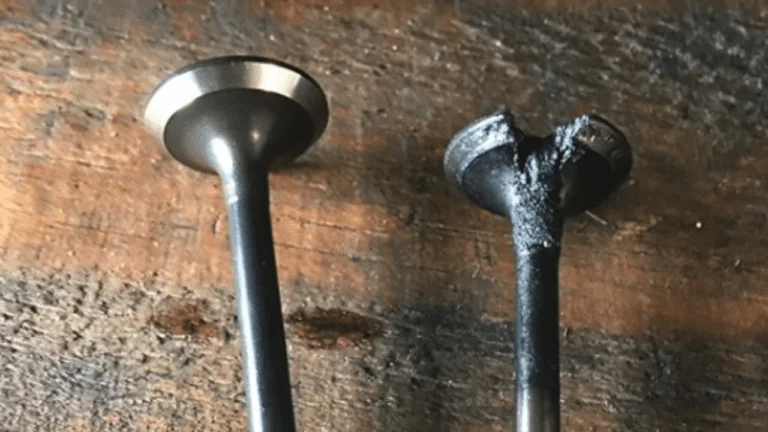
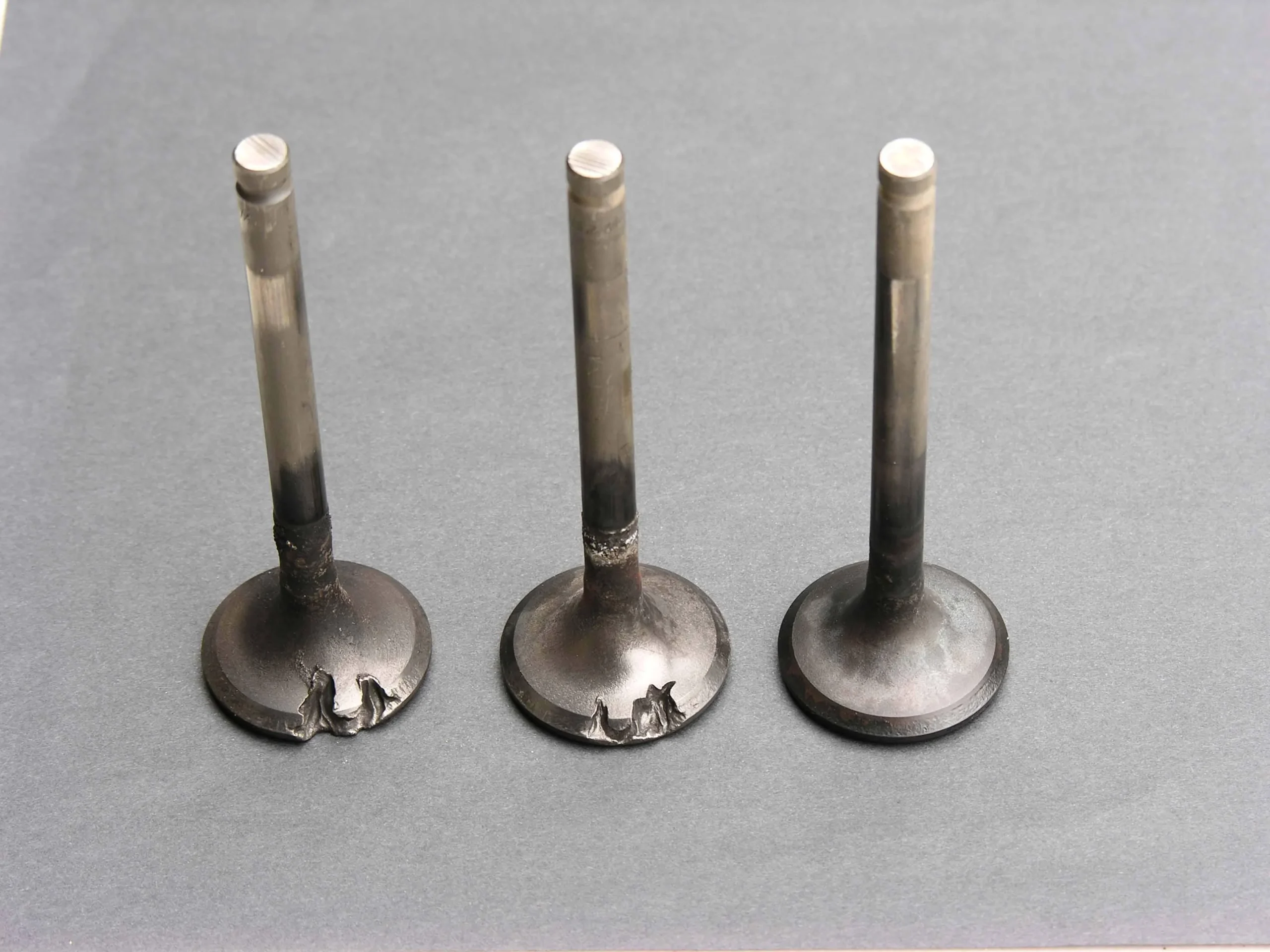
An engine’s valves are critical. They control the flow of air and fuel into the cylinders. They also manage exhaust gases out. When an exhaust valve burns, it means hot combustion gases have eroded its sealing surface. This prevents the valve from closing properly. It’s like a tiny, high-temperature leak that gets worse over time. Several issues can contribute to this problem.
Overheating and Poor Sealing
For an exhaust valve to work correctly, it must create a perfect seal. It needs to seal against its “valve seat” in the cylinder head. If this seal is compromised, hot gases will sneak past. These gases are incredibly hot, reaching temperatures over a thousand degrees Fahrenheit. This intense heat slowly but surely eats away at the valve’s edge. This process is called “burning.” It creates a pathway for more hot gases to escape. This accelerates the damage. Common reasons for poor sealing include carbon buildup on the valve or seat. Worn valve seats also cause issues. Incorrect valve lash, which is the tiny gap allowing for thermal expansion, also contributes.
Improper Engine Tuning and Maintenance
Your engine’s health heavily relies on correct tuning and regular maintenance. A “lean” fuel mixture is a major culprit for burnt valves. This means your engine gets too much air and not enough fuel. A lean mixture makes the engine run significantly hotter. This extra heat stresses the exhaust valves. Improper ignition timing also plays a role. If the spark occurs too late, the exhaust valve might open while combustion is still happening. This exposes it to extreme heat and pressure. Neglecting routine maintenance, like skipping oil changes or failing to check valve clearances, can worsen these conditions. Regular check-ups and following your car’s maintenance schedule are crucial preventative steps. They help avoid this costly problem. You protect your engine when you keep up with these tasks.
Factors Influencing Burnt Exhaust Valve Repair Costs
Discovering you have a burnt exhaust valve can be alarming. The repair cost can vary significantly. Many factors contribute to the final bill. Understanding these can help you anticipate expenses. It also aids in discussing options with your mechanic. From the car you drive to where you live, many variables are at play.
Severity of Damage and Vehicle Type
The extent of the damage is a primary cost driver. Is it just one burnt valve? Or are multiple valves affected? Sometimes, the cylinder head itself might be warped or cracked. This happens due to the extreme heat. Repairing a single valve is less expensive than replacing a whole cylinder head. The make and model of your vehicle also matter. Luxury cars or those with specialized engines (like performance or diesel vehicles) often use proprietary parts. These parts are typically more expensive. Labor can also be higher. Complexity in accessing the engine components also plays a role. You might also have a choice between OEM (Original Equipment Manufacturer) parts and aftermarket parts. Aftermarket options can sometimes be more budget-friendly.
Labor Rates and Geographic Location
Labor costs are a huge part of any automotive repair bill. Hourly labor rates vary widely between shops. Dealerships typically have the highest rates. Independent repair shops might offer more competitive pricing. Specialized mechanics for certain vehicle brands could also charge more. Your geographic location also impacts the cost. Shops in major metropolitan areas often have higher overheads. They usually charge more for labor than those in rural settings. Always ask for a detailed quote that breaks down parts and labor. Don’t forget to inquire about any “hidden” costs. These might include diagnostic fees or machine shop work if your cylinder head needs resurfacing. Getting multiple quotes from different reputable shops is a smart move. It helps you compare prices and ensure you’re getting a fair deal for your repair.
Symptoms of a Burnt Exhaust Valve and When to Seek Repair
Ignoring early warning signs of a burnt exhaust valve can turn a costly repair into an engine replacement. Knowing what to look for is your first line of defense.
Common Warning Signs
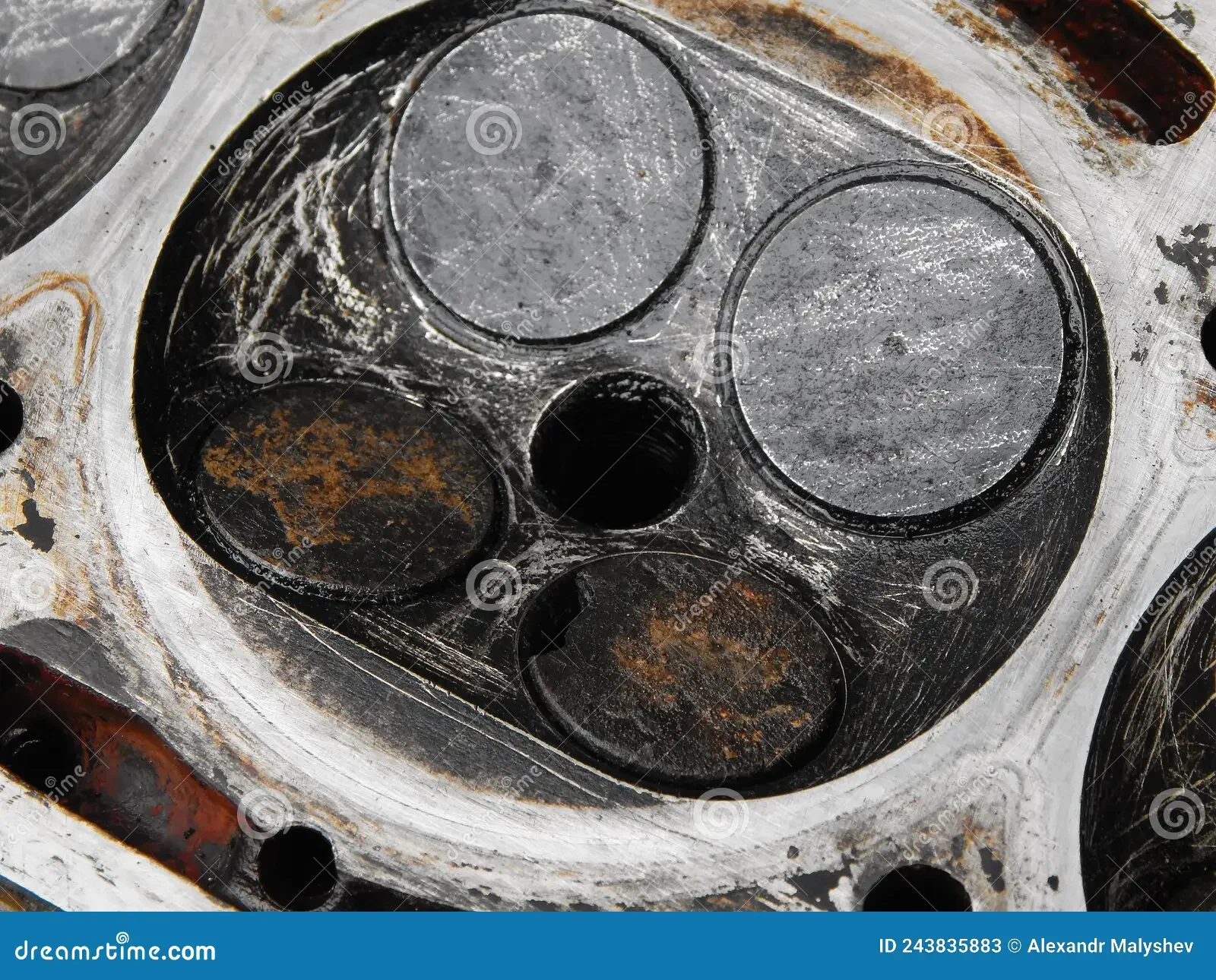
A burnt exhaust valve will often manifest with several distinct symptoms, indicating that combustion gases are leaking past the valve, leading to a loss of compression and incomplete combustion. Pay close attention to these indicators:
- Engine Misfires: This is perhaps the most common symptom. You’ll feel a noticeable stumble or hesitation, especially at idle or under light acceleration. The engine will sound rough, and the misfire will typically be isolated to a specific cylinder.
- Loss of Power and Acceleration: With reduced compression, your engine can’t generate its full power. You’ll notice sluggish acceleration and difficulty maintaining speed, particularly going uphill.
- Rough Idling: The engine will vibrate more than usual when sitting still, often accompanied by a “lope” or irregular rhythm as one cylinder struggles.
- Reduced Fuel Economy: Incomplete combustion means your engine is working harder and burning more fuel to achieve the same performance, leading to more frequent trips to the gas station.
- Check Engine Light (CEL): Modern vehicles will almost certainly illuminate the CEL. A diagnostic scan will reveal a misfire code (e.g., P0301 for cylinder 1 misfire) and potentially other related codes.
- Strong Fuel Smell from Exhaust: Unburnt fuel passing through the exhaust system can emit a distinct gasoline odor, especially when the engine is cold or idling.
Don’t Delay: The Risks of Ignoring Symptoms
Delaying repair can lead to more severe and expensive damage. Continued misfires dump unburnt fuel into your catalytic converter, which can overheat and melt, costing you hundreds to thousands more to replace. Prolonged operation with a burnt valve can also damage the valve seat, cylinder head, and even lead to piston damage if parts of the valve break off. Always seek a professional diagnosis as soon as you suspect a problem to prevent a minor issue from becoming catastrophic.
DIY vs. Professional Repair: Cost-Benefit Analysis
When faced with a burnt exhaust valve, you might be weighing whether to tackle the repair yourself or hand it over to a professional. Each option has its own set of financial and practical implications.
The DIY Route: Savings vs. Risks
Attempting a DIY repair can be tempting due to the significant labor costs associated with professional service. You could potentially save anywhere from $500 to $1500+ on labor alone. However, this isn’t a job for the faint of heart or the inexperienced. Here’s what DIY entails:
- Required Tools: You’ll need specialized tools like a torque wrench, valve spring compressor, micrometers, and possibly a cylinder head resurfacing tool if the head is warped.
- Expertise: Disassembling and reassembling a cylinder head requires intricate knowledge of engine timing, valve train mechanics, and precise torque specifications. An error in reassembly can cause catastrophic engine damage.
- Time Commitment: This is not a quick fix. Expect to dedicate several full days, if not a week, especially if you encounter unexpected issues or need to wait for parts.
- No Warranty: If something goes wrong after your DIY repair, you’re solely responsible for the consequences and any additional costs.
For example, if you replace the valve but don’t properly reseat it or incorrectly time the engine, you could cause further damage, turning your cost savings into a massive headache.
Why Professional Repair Often Pays Off
While the initial quote from a mechanic might seem high, the benefits often outweigh the DIY risks for most car owners. A professional repair offers:
- Expert Diagnosis: Mechanics can accurately diagnose the root cause, ensuring that related issues (like worn valve guides or seats) are addressed simultaneously.
- Specialized Equipment: Garages have access to professional-grade tools for precision work, including valve grinding machines and pressure testing equipment for cylinder heads.
- Warranty: Most reputable shops offer a warranty on both parts and labor, providing peace of mind should any issues arise after the repair.
- Time Savings: A professional can complete the job much faster and more efficiently, getting your vehicle back on the road sooner.
- Correct Repair, First Time: You pay for expertise that ensures the job is done right, reducing the likelihood of repeat failures or additional damage.
Consider the value of your time and the potential for costly mistakes. For a complex repair like a burnt exhaust valve, professional service is often the smarter investment for long-term reliability and avoiding unnecessary stress.
Conclusion
A burnt exhaust valve is a serious issue that demands your attention. As we’ve seen, the repair cost can vary significantly, typically ranging from $1,000 to $4,000, influenced by your vehicle’s make and model, labor rates, and the extent of the damage. Recognizing symptoms like misfires, loss of power, and a rough idle is crucial for early intervention.
While DIY repair can save on labor, it carries substantial risks, requiring specialized tools and considerable mechanical expertise. For most drivers, entrusting this complex job to a professional offers the best combination of quality, reliability, and peace of mind, backed by warranties and expert workmanship.
Don’t let a burnt exhaust valve leave you stranded or lead to more extensive engine damage. If you suspect a problem:
- Get a Professional Diagnosis: Schedule an appointment with a trusted mechanic to accurately identify the issue.
- Obtain Multiple Quotes: Compare detailed estimates from at least two reputable repair shops.
Address this issue promptly to protect your engine’s health and your wallet’s well-being. Drive smart, drive safe!
💬 Quick Questions & Answers
How much does it cost to fix a burnt exhaust valve?
Expect costs to range from $500 to $3000 or more, depending on the vehicle and extent of damage.
Can I drive with a burnt exhaust valve?
Driving with a burnt exhaust valve is not recommended as it can lead to further, more severe engine damage.
What are the main symptoms of a burnt exhaust valve?
Common symptoms include misfires, rough idling, loss of power, reduced fuel economy, and engine knocking.
Is fixing a burnt exhaust valve a major repair?
Yes, it is considered a significant engine repair often requiring cylinder head removal and specialized tools.
Does a burnt exhaust valve always mean a new engine?
No, in many cases, repairing or replacing the affected valve(s) is sufficient without needing a full engine replacement.
❓ Frequently Asked Questions
What exactly is a burnt exhaust valve and why does it happen?
A burnt exhaust valve occurs when the valve face or seat overheats and degrades, losing its ability to seal properly. This often results from excessive engine heat, poor valve lash adjustment, carbon buildup, or a lean fuel mixture.
What is included in the total cost of burnt exhaust valve repair?
The total cost typically includes parts like new valves, valve guides, seals, gaskets, and potentially spark plugs, along with significant labor for cylinder head removal, inspection, machining, and reinstallation. It may also include diagnostic fees.
How long does it take a mechanic to repair a burnt exhaust valve?
Repairing a burnt exhaust valve is a time-consuming process, generally taking 8-20 hours of labor. The exact duration depends on the vehicle’s make/model, engine complexity, and if additional cylinder head work is required.
Can a burnt exhaust valve be repaired without removing the cylinder head?
No, accessing and properly repairing or replacing a burnt exhaust valve almost always requires the removal of the cylinder head. This allows for thorough inspection, machining, and proper valve seating.
What are the potential long-term consequences if I delay repairing a burnt exhaust valve?
Delaying repair can lead to severe engine damage, including scoring cylinder walls, damaging the piston, catalytic converter failure due to unburnt fuel, or even complete engine seizure. This significantly increases future repair costs.
How can I prevent burnt exhaust valves in the future?
Prevention involves regular engine maintenance, including timely oil changes, proper valve lash adjustments, using correct octane fuel, addressing engine misfires promptly, and ensuring the fuel system isn’t running lean. Regular inspections can also catch issues early.