Heater Hose Assembly Replacement Cost What You Need to Know
Replacing a heater hose assembly typically costs between $150 and $500+, primarily driven by labor rates, vehicle make/model, and job complexity. While parts are often relatively inexpensive, difficult access can make labor a significant portion of the total expense. Understanding these factors is key to budgeting and choosing between a professional repair or a challenging DIY project to ensure your car stays warm and prevents overheating.
Picture this: you’re driving along, maybe on your way to work or picking up the kids. Suddenly, you catch a whiff of something sweet, almost maple-syrup-like, then a faint wisp of steam from under the hood. Or perhaps your car’s heater just decided to stop working on the coldest day of the year. Sound familiar? These are often the first tell-tale signs of a leaking or burst heater hose, and with it comes the inevitable question: “What’s this going to cost me?”
That initial moment of panic is totally normal. Car repairs are rarely convenient, and the thought of an unexpected bill can be stressful. But don’t worry, you’re not alone. A faulty heater hose assembly is a common issue many drivers face. The good news is that understanding the problem and its potential costs can help you manage the repair with confidence.
This comprehensive guide will walk you through everything you need to know about the heater hose assembly replacement cost. We’ll break down what a heater hose assembly is, explore the factors that influence the price tag, compare DIY options to professional help, and provide practical tips for saving money. By the end, you’ll be well-equipped to handle this repair without feeling overwhelmed.
Key Takeaways
- Understand Cost Range: Expect $200-$500+ for heater hose replacement.
- Labor Dominates Cost: Professional labor is often the most significant expense.
- DIY Saves Money: Replacing hoses yourself drastically cuts labor costs.
- Get Multiple Quotes: Compare mechanic estimates for the best pricing.
- Prioritize Early Repair: Address leaks quickly to prevent further damage.
- Consider Hose Quality: OEM parts may cost more but offer durability.
- Bundle Services: Combine with other cooling system maintenance for efficiency.
Quick Answers to Common Questions
What’s the typical heater hose assembly replacement cost?
Generally, you can expect the heater hose assembly replacement cost to range from $150 to $400, including both parts and labor. This can fluctuate based on your vehicle’s make, model, and your location.
Can I save money by doing a DIY heater hose assembly replacement?
Yes, doing a DIY heater hose assembly replacement can significantly cut down on labor costs, potentially bringing your total spend to just the cost of parts ($20-$80). However, it does require some mechanical know-how and the right tools.
What factors influence the heater hose assembly replacement cost?
Several factors play a role, including the complexity of accessing the hoses in your specific vehicle, whether you opt for OEM or aftermarket parts, and varying labor rates at different shops. Some cars simply take more time and effort!
Are there any hidden costs I should watch out for with this repair?
While there aren’t typically “hidden” costs, a mechanic might discover related issues like a failing thermostat or recommend a coolant flush during your heater hose assembly replacement, which would add to the overall bill. Always ask for a transparent quote!
Is investing in heater hose assembly replacement worth the cost?
Absolutely! A timely heater hose assembly replacement prevents much more serious and expensive problems, such as engine overheating and potential severe engine damage. It’s a crucial investment in your car’s longevity and your peace of mind.
📑 Table of Contents
- What Exactly is a Heater Hose Assembly and Why Does It Matter?
- Key Factors Influencing Heater Hose Assembly Replacement Cost
- Breaking Down the Heater Hose Assembly Replacement Cost: Parts vs. Labor
- DIY vs. Professional: Is Heater Hose Replacement a Job for You?
- Tips for Managing and Reducing Your Heater Hose Assembly Replacement Cost
- Estimated Heater Hose Assembly Replacement Cost Breakdown
- Conclusion
What Exactly is a Heater Hose Assembly and Why Does It Matter?
Before we dive into the numbers, let’s understand what we’re talking about. You might think it’s just a simple hose, but often, it’s a bit more involved.
Understanding the Components
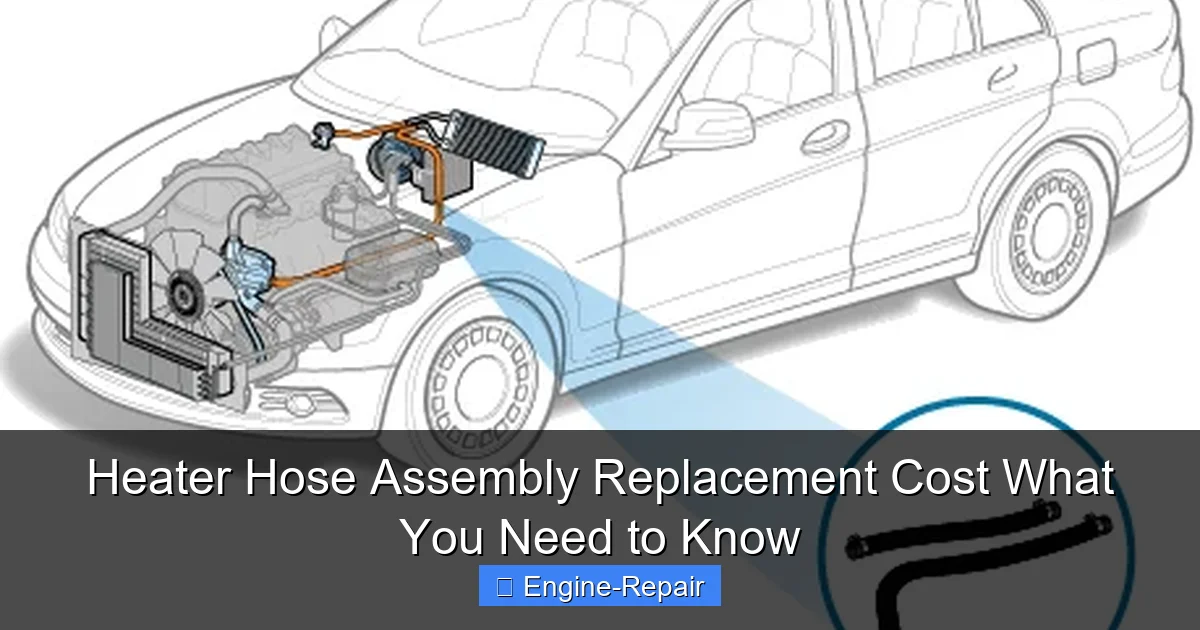
At its core, a heater hose assembly is a critical part of your car’s cooling system and, by extension, its heating system. It’s typically a set of rubber hoses that connect the engine’s cooling system to the heater core inside your car’s dashboard. Hot coolant flows from the engine, through these hoses, into the heater core, and then back to the engine.
Why “assembly” and not just “hose”? Well, sometimes it’s more than one single hose. Modern vehicles often use complex, molded hose assemblies. These might include multiple hoses joined together, special quick-disconnect fittings, check valves, or even integrated sensors. These designs make installation easier for the manufacturer but can make replacement a bit more intricate and costly for you.
The Crucial Role of Heater Hoses
These unassuming hoses play two vital roles:
- Keeping You Warm: The hot coolant circulating through the heater core is what provides the warm air for your cabin. Without it, you’d be driving in a very chilly car during the colder months.
- Aiding Engine Cooling: While the primary cooling purpose is handled by the radiator, the heater core also helps dissipate some engine heat. A leak in the heater hose assembly can lead to a loss of coolant, reducing the overall cooling capacity and potentially causing your engine to overheat.
Imagine a freezing winter morning where your car just won’t warm up. Not only is it uncomfortable, but a failing heater hose can quickly escalate into a more serious engine issue. That sweet smell of coolant, the steam, or a constantly low coolant reservoir are clear warnings that shouldn’t be ignored.
Key Factors Influencing Heater Hose Assembly Replacement Cost
Just like with most car repairs, the total cost isn’t a fixed number. Several variables come into play that can significantly affect your final bill. Understanding these can help you anticipate the heater hose assembly replacement cost more accurately.
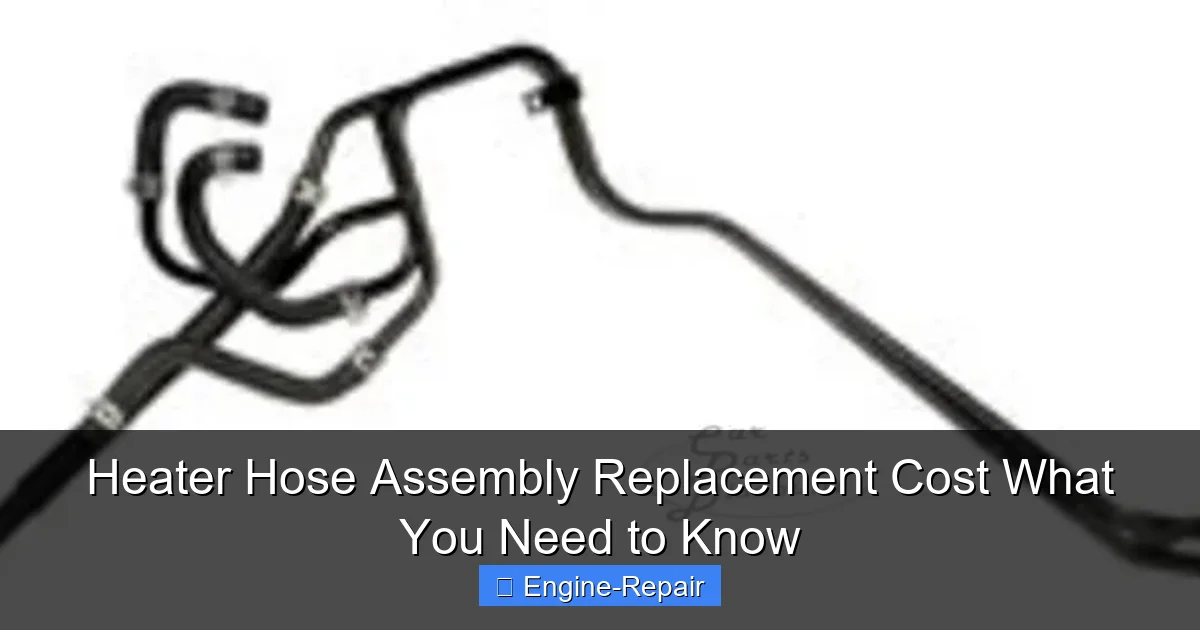
Visual guide about heater hose assembly replacement cost
Image source: 2040-parts.com
Vehicle Make and Model
This is often the biggest factor. What kind of car do you drive?
- Economy vs. Luxury: Parts for a Honda Civic will generally be less expensive than parts for a BMW or Mercedes-Benz. Luxury vehicles often use proprietary parts or more complex designs.
- Engine Bay Access: Some engines are designed with plenty of room, making hoses easy to reach. Others are crammed, requiring technicians to remove other components (like intake manifolds or battery trays) just to get to the heater hoses. More time-consuming access means higher labor costs.
For instance, replacing a heater hose assembly on a compact sedan might be a relatively straightforward job, but on a large pickup truck with a complex engine or a European sports car, it could be a multi-hour ordeal.
Part Type: OEM vs. Aftermarket
When it comes to replacement parts, you usually have a choice:
- OEM (Original Equipment Manufacturer) Parts: These are identical to the parts your car came with from the factory. They offer guaranteed fit, quality, and often come with a warranty. However, they are typically the most expensive option.
- Aftermarket Parts: These are produced by third-party manufacturers. They can be significantly cheaper than OEM parts. The quality can vary widely, from excellent to subpar. It’s crucial to choose reputable aftermarket brands to avoid premature failure.
Sometimes, for simpler hoses, an aftermarket option is perfectly fine and can save you a good chunk of money on the heater hose assembly replacement cost. For complex molded assemblies, OEM might be the safer bet, even if pricier, to ensure proper fit and function.
Labor Rates and Location
Where you live and where you get your car repaired will also impact the cost.
- Geographic Location: Labor rates are higher in metropolitan areas and regions with a higher cost of living compared to rural areas.
- Type of Shop: Dealerships typically have the highest labor rates but often specialize in your specific vehicle brand and use OEM parts. Independent repair shops can offer more competitive rates. Mobile mechanics might also be an option for simpler jobs, often with lower overhead.
- Technician Skill: A shop employing highly skilled, certified technicians might charge more, but their expertise can save you headaches in the long run.
Always ask about the shop’s hourly labor rate when getting a quote.
Extent of the Damage/Associated Repairs
A simple hose leak is one thing. But if it went unnoticed, it could lead to other problems:
- Coolant Loss: If you’ve lost a significant amount of coolant, the system will need to be refilled and properly bled of air. This adds the cost of new coolant.
- Overheating Damage: In severe cases, a burst heater hose can lead to engine overheating. This could cause damage to the cylinder head gasket, warpage of cylinder heads, or other costly engine components. If this happens, your heater hose assembly replacement cost will be the least of your worries.
- Other Components: Sometimes, clamps, O-rings, or even the heater core itself might need replacement, especially if the leak has been ongoing and caused corrosion or damage to surrounding parts.
Breaking Down the Heater Hose Assembly Replacement Cost: Parts vs. Labor
When you get a quote, it’s usually split into two main components: the cost of the parts and the cost of the labor. Let’s look at what each entails.
Cost of Parts
The part cost for a heater hose assembly can range dramatically. A single, straight length of heater hose might only be $10-$30. However, a complex, molded heater hose assembly with multiple branches, quick-disconnect fittings, or integrated valves can easily cost anywhere from $50 to $300, or even more for certain luxury vehicles or intricate designs. For instance:
- A simple heater hose for an older Honda Civic might be under $50.
- A molded heater hose assembly for a Ford F-150 could be $70-$150.
- A specific heater hose assembly for a BMW or Audi might push $200-$500 or more, especially if it’s an OEM part.
Always ask your mechanic for the exact part number and price before they order anything. This gives you a chance to compare it with online prices if you wish, though shops usually mark up parts slightly for their overhead and warranty.
Cost of Labor
Labor is where a significant portion of your heater hose assembly replacement cost comes from. Mechanics charge an hourly rate, which can range from $80 to $150+ per hour, depending on location and shop type.
The time it takes to replace a heater hose assembly can vary from 1 hour to 4+ hours.
- Easy Access: A heater hose that’s right on top of the engine and easy to unclamp might take just an hour.
- Moderate Access: If other components need to be removed (like an air intake tube or a battery), it could be 1.5 to 2.5 hours.
- Difficult Access: For hoses buried deep in the engine bay, perhaps near the firewall where the heater core is, it could take 3-5 hours or even more, particularly if the mechanic has to remove significant parts of the dashboard or engine components to gain access.
Don’t forget the additional labor for draining, refilling, and bleeding the cooling system, which is standard procedure for any coolant-related repair.
DIY vs. Professional: Is Heater Hose Replacement a Job for You?
The idea of saving on labor costs by tackling the repair yourself is tempting. But is replacing a heater hose assembly a good DIY project? It depends entirely on your comfort level and the complexity of the job.
When to DIY
You might consider DIY if:
- It’s a Simple Hose: If it’s a straightforward, single hose that’s easily accessible in the engine bay with standard hose clamps.
- You Have Basic Tools: You’ll need basic wrenches, screwdrivers, a coolant drain pan, and a method to refill and bleed air from the system.
- You Have Mechanical Knowledge: You understand how to safely drain coolant, remove hoses without damaging connections, and properly refill and bleed the system to prevent airlocks.
- Saving Money is a Priority: You’ll save all the labor costs, which can be a substantial part of the overall heater hose assembly replacement cost.
Practical Tip: Always use new clamps when replacing hoses. Worm-drive clamps are generally better than spring-style clamps for a secure, leak-free seal. Be prepared for a bit of a mess with coolant!
When to Call a Professional
For most people, and for most modern cars, calling a professional is the safer and often wiser choice. You should definitely consider a pro if:
- It’s a Complex Assembly: If your vehicle uses a molded, multi-branch heater hose assembly with quick-disconnect fittings or integrated valves, it’s best left to someone experienced. These often require specific tools or techniques to remove and install correctly.
- Difficult Access: If the hose is buried deep in the engine bay, requiring the removal of other major components, a professional has the experience and specialized tools to do it efficiently and without causing further damage.
- Lack of Experience/Confidence: If you’re not confident in your mechanical skills or understanding of cooling systems, attempting this repair could lead to bigger problems like coolant spills, airlocks, or even damage to other components.
- Warranty Concerns: If your vehicle is still under warranty, professional installation often ensures that any future related issues are covered.
I once had a friend try to replace a heater hose that looked “easy” only to find it connected with a plastic quick-disconnect fitting he didn’t know how to release. He ended up breaking the fitting and turning a simple job into a more expensive tow-to-shop repair. Sometimes, paying for expertise saves you money (and headaches) in the long run.
Tips for Managing and Reducing Your Heater Hose Assembly Replacement Cost
Even if you’re not doing the repair yourself, there are ways to be a smart consumer and potentially reduce your overall expense.
Get Multiple Quotes
Don’t just go with the first quote you get. Call at least two or three reputable shops in your area. Ask for a detailed breakdown of parts, labor hours, and coolant costs. Be specific that you’re asking about the heater hose assembly replacement cost for your exact make, model, and year. This comparison can reveal significant differences in pricing.
Consider Aftermarket Parts (With Caution)
For some vehicles and specific hoses, a high-quality aftermarket part can be just as good as OEM but at a lower price. Ask your mechanic if they recommend any specific aftermarket brands they trust. If you’re comfortable with it, you could even source the part yourself and ask the mechanic if they’re willing to install it (though some shops prefer to use their own parts for warranty purposes).
Preventative Maintenance is Key
This is probably the most crucial tip for avoiding unexpected repair costs. Regularly inspect your heater hoses for cracks, bulges, or softness. During oil changes, ask your mechanic to give them a quick look. Replace coolant according to your manufacturer’s schedule. Fresh coolant helps keep the entire cooling system, including the hoses, in good condition. Catching a small leak or a worn hose early can prevent a sudden burst and potentially more severe (and expensive) engine damage.
Understand Your Warranty
If your vehicle is relatively new, check your vehicle’s warranty. A faulty heater hose might be covered under the factory warranty, especially if it’s an OEM defect. If you recently had a similar repair done, the new part might also be under a parts and labor warranty from the shop. Always check!
Estimated Heater Hose Assembly Replacement Cost Breakdown
To give you a clearer picture, here’s a general idea of what you might expect, but remember, these are broad estimates. Actual prices can vary widely based on all the factors we’ve discussed.
| Vehicle Type | Estimated Part Cost (Assembly) | Estimated Labor Hours | Total Estimated Heater Hose Assembly Replacement Cost (incl. coolant) |
|---|---|---|---|
| Economy Car (e.g., Honda Civic, Toyota Corolla) | $30 – $150 | 1.0 – 2.5 hours | $150 – $450 |
| Mid-Range Sedan/Truck (e.g., Ford F-150, Toyota Camry) | $50 – $250 | 1.5 – 3.5 hours | $200 – $650 |
| Luxury/Performance Vehicle (e.g., BMW 3 Series, Audi A4) | $100 – $500+ | 2.0 – 5.0+ hours | $400 – $1200+ |
Please note: These figures are approximations. Labor rates can fluctuate, and part costs are subject to change based on manufacturer, availability, and specific vehicle requirements. Always obtain a detailed quote from a trusted mechanic. The total cost includes new coolant and taxes where applicable.
Conclusion
Dealing with a leaky or burst heater hose assembly is definitely a bummer, but it’s a repair that most vehicles will need at some point. The key is not to panic, but to be informed. Understanding the components, the factors that drive the heater hose assembly replacement cost, and whether it’s a DIY job or best left to the pros can save you stress and money.
Remember, delaying this repair is never a good idea. A small leak can quickly become a big problem, potentially leading to engine overheating and much more expensive damage. Be vigilant for the signs of a failing hose, get multiple quotes, and don’t be afraid to ask questions. Taking a proactive approach ensures your car stays warm, your engine stays cool, and your wallet doesn’t take an unexpected hit.
Frequently Asked Questions
What is the typical heater hose assembly replacement cost?
The average heater hose assembly replacement cost typically ranges from $200 to $600. This price can vary significantly depending on your vehicle’s make and model, the complexity of the specific assembly, and the labor rates in your geographic area.
What factors influence the overall heater hose assembly replacement cost?
Several factors impact the total cost, including the complexity of accessing the hoses on your specific vehicle, the cost of the replacement parts themselves (OEM vs. aftermarket), and the shop’s hourly labor rate. More complex jobs or premium parts will generally increase the price.
Can I replace a heater hose assembly myself to reduce the cost?
While a DIY replacement can certainly save on labor costs, it requires specific tools, automotive knowledge, and a comfort level working with cooling systems. Incorrect installation can lead to coolant leaks or engine damage, potentially resulting in higher repair bills than the initial professional heater hose assembly replacement cost.
What are the risks of not replacing a faulty heater hose assembly promptly?
Delaying the replacement of a faulty heater hose assembly can lead to serious issues such as engine overheating, which can cause significant damage to other critical engine components. Addressing the problem promptly is crucial to prevent more extensive and costly repairs down the line.
How much labor time is typically involved in a heater hose assembly replacement?
Replacing a heater hose assembly usually takes between 1 to 3 hours of labor, though this can vary. Vehicles with tighter engine bays or harder-to-reach hoses might require more time, directly impacting the labor portion of your total heater hose assembly replacement cost.
Does the heater hose assembly replacement cost cover all necessary components?
Generally, the heater hose assembly replacement cost includes the new heater hose assembly itself and the labor to install it. However, if other components like clamps, O-rings, or a coolant flush are needed and not part of the standard assembly, they might be itemized separately, adding slightly to the total.