Twin Turbo Cost: What to Expect for Parts & Installation
📋 Table of Contents
- 🎯 Key Takeaways
- Understanding Twin Turbo Kit Costs: Parts & Types
- Twin Turbo Installation Costs: DIY vs. Professional Labor
- Factors Influencing the Overall Price of Twin Turbo Upgrades
- Beyond Installation: Hidden & Long-Term Costs of Twin Turbos
- Conclusion
- 💬 Quick Questions & Answers
- ❓ Frequently Asked Questions
The cost of twin turbos varies widely, from $2,000 for basic kits to over $10,000 for high-performance systems and professional installation. Factors like brand, car model, and labor rates significantly impact the final price. Budgeting for maintenance and potential engine modifications is crucial for a successful upgrade.
🎯 Key Takeaways
- Budget $2,000-$10,000+ for parts and professional installation.
- DIY installation saves labor but demands significant expertise.
- High-performance kits for specific vehicles cost more.
- Factor in increased maintenance for forced induction engines.
- Research compatibility to avoid costly engine modifications.
Ever dreamed of dramatically boosting your car’s horsepower and torque? Twin turbochargers offer an exhilarating path to incredible performance gains. They can transform an ordinary engine into a beast, delivering power you’ll feel every time you press the accelerator.
But this thrilling upgrade isn’t free. Understanding the financial commitment for a twin turbo setup is crucial before you dive in. This guide will break down the costs involved, from the turbo kits themselves to the labor needed for installation, helping you plan your high-performance dream build without any unwelcome surprises.
Understanding Twin Turbo Kit Costs: Parts & Types
The core of your twin turbo project is the kit itself. These systems can vary wildly in price, depending on their completeness, quality, and the specific vehicle they’re designed for. You can expect to pay anywhere from $3,000 to over $15,000 for the kit alone, before any installation or tuning.
Complete Kits vs. Piecemeal Builds
Most enthusiasts start by looking at complete twin turbo kits. These packages typically include:
- Two turbochargers
- Custom exhaust manifolds (to mount the turbos)
- An intercooler and all necessary piping
- Wastegates and blow-off valves
- Oil and water lines for the turbos
- Often, supporting hardware like brackets and gaskets
Complete kits offer convenience. All components are designed to work together. However, they are usually more expensive. On the other hand, a “piecemeal” build involves sourcing individual components. You might buy turbos from one brand, manifolds from another, and fabricate custom piping. This approach can save money if you’re resourceful or already have some parts. However, it demands extensive research and strong fabrication skills to ensure everything fits and functions correctly.
Factors Influencing Kit Price
Several key factors drive the cost of a twin turbo kit:
- Turbocharger Brand & Quality: Premium brands like Garrett, BorgWarner, or Precision Turbos command higher prices. They offer superior reliability and performance. Cheaper, off-brand turbos are available, but they may compromise durability and efficiency.
- Vehicle Specificity: Kits for popular cars, like certain Ford Mustangs or Dodge Challengers, tend to be more readily available and sometimes less expensive due to higher production volumes. Custom or low-volume kits for niche vehicles will naturally cost more to develop and produce.
- Power Goals: Higher horsepower targets demand larger, more robust turbos and stronger supporting components. This directly translates to a higher price tag. Always consider your ultimate power aspirations when budgeting.
- Included Components: Some kits are more comprehensive than others. Kits that include critical fuel system upgrades (like high-flow injectors or a more powerful fuel pump) or engine management solutions (like a standalone ECU or tuning software) will significantly increase the initial cost, but provide more value and simplify the overall project.
Always research reputable brands and read reviews. Looking for sales or gently used kits can also be a smart way to save money, but always inspect used parts thoroughly.
Twin Turbo Installation Costs: DIY vs. Professional Labor
After selecting your perfect kit, the next major consideration is how it gets into your car. Installation costs can be as substantial as the kit itself, largely depending on whether you tackle it yourself or hire a professional. This step requires precision and expertise to ensure both performance and reliability.
The DIY Approach: Saving Money (But Not Time)
If you possess advanced mechanical knowledge and significant experience with engine modifications, installing a twin turbo kit yourself can save you thousands of dollars in labor. However, this is not a job for the faint of heart or the inexperienced. You’ll need more than basic tools, including:
- An engine hoist (for engine removal if needed)
- Specialized torque wrenches
- Welding or fabrication equipment (for custom piping)
- Diagnostic tools
- An organized workspace with a lift or sturdy jack stands
The time commitment for a DIY twin turbo install is immense. Expect to spend several weekends, or even weeks, especially if unexpected challenges arise. Mistakes can be costly, potentially damaging expensive components or even your engine. While you save on labor, you invest heavily in time and personal effort. This path is only recommended for highly confident and experienced DIY mechanics.
Professional Installation: The Price of Expertise
Most enthusiasts choose professional installation for complex projects like twin turbos. This choice provides peace of mind, knowing the job is done correctly by experts. Professional shops charge an hourly rate, which can range from $100 to $150 per hour or even higher, depending on the shop’s reputation and your geographic location.
A complete twin turbo installation is a labor-intensive process. It can easily take anywhere from 40 to 80 hours, and sometimes even more for highly customized or challenging setups. This means professional labor costs alone could range from $4,000 to $12,000 or more. The cost factors include:
- Shop Hourly Rate: Premium shops and those in high-cost-of-living areas charge more.
- Vehicle Complexity: Some engine bays are tighter or harder to work in, increasing labor hours.
- Custom Fabrication: If your kit requires custom fitting, welding, or modifications, labor costs will climb.
- Supporting Modifications: If the shop is also installing upgraded fuel systems, oil coolers, or transmission components, these add significantly to the overall labor time.
When seeking professional help, always choose a shop with verifiable experience in performance tuning and forced induction. Ask for references and get detailed, itemized quotes. Don’t forget that after installation, the car will require professional tuning, which is a separate, critical service often performed by a specialized tuner and will add further cost.
Factors Influencing the Overall Price of Twin Turbo Upgrades
While we’ve discussed general price ranges for twin turbo kits and installation, several factors can significantly swing the final bill. Understanding these can help you budget more accurately and make informed decisions.
Vehicle Specifics and Engine Complexity
Not all engines are created equal, especially when it comes to forced induction. A simpler, more common engine (like a V6 in a popular sedan) might have a wider range of aftermarket solutions, potentially driving down kit costs due to competition and scale. Conversely, a less common or highly complex engine, perhaps in a niche sports car, will likely require a custom-fabricated kit. This means higher design, manufacturing, and installation costs.
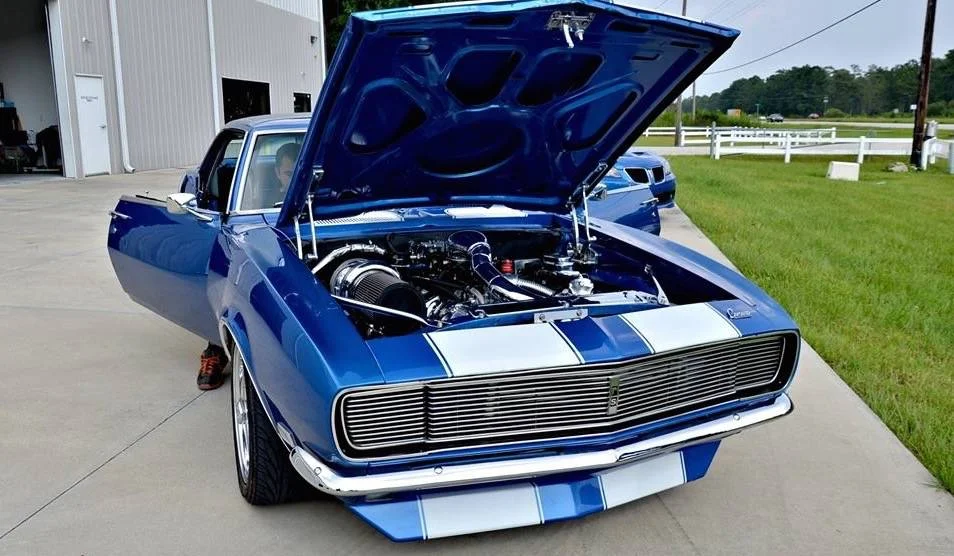
Consider the available space under your hood. Tighter engine bays can complicate plumbing, intercooler placement, and exhaust routing, adding hours to the installation time. For example, fitting twin turbos into a compact engine compartment might necessitate relocating other components or even minor frame modifications, bumping up labor expenses considerably compared to a vehicle with ample room to work.
Brand Reputation and Aftermarket Support
The brand of your twin turbo kit plays a huge role in its price. Established, reputable brands often come with a higher price tag. Why? They typically offer superior engineering, higher quality materials, rigorous testing, and excellent customer support. You’re paying for reliability, performance, and peace of mind. These kits are less likely to fail prematurely and often integrate better with your vehicle’s existing systems.
On the other hand, less known or budget brands might seem appealing financially but could carry risks. They might use cheaper components, offer less precise fitment, or lack robust performance guarantees. While saving money upfront, you could face more issues down the line. Always research reviews and seek recommendations from trusted sources within the enthusiast community. Sometimes, paying a little more for a premium brand saves a lot in potential repairs and headaches.
Beyond Installation: Hidden & Long-Term Costs of Twin Turbos
The initial purchase and installation are just the beginning. A twin turbo setup is a major modification that often necessitates other upgrades and brings ongoing expenses you need to factor into your budget.
Supporting Modifications and System Upgrades
Adding twin turbos dramatically increases an engine’s power output, which means other systems will need to be upgraded to handle the extra stress. Neglecting these can lead to costly failures. Here’s what you might need:
- Fuel System Upgrade: More power demands more fuel. You’ll likely need larger fuel injectors, a high-flow fuel pump, and potentially a new fuel rail to prevent fuel starvation.
- Cooling System Enhancements: Turbos generate a lot of heat. An upgraded radiator, oil cooler, and a more efficient intercooler are crucial for maintaining optimal engine temperatures and preventing overheating.
- Exhaust System Upgrade: A restrictive stock exhaust will choke your new turbos. A performance exhaust system with wider piping and less backpressure is essential for maximizing power and efficiency.
- Drivetrain Reinforcement: Your transmission, clutch, driveshafts, and differentials might not be designed for significantly increased horsepower and torque. Upgrading these components, especially for manual transmissions, is often necessary to prevent damage and ensure reliable power delivery.
- Brake System Upgrade: With more power comes the need for more stopping power. Performance brakes (larger rotors, calipers, and pads) are a smart safety upgrade.
These supporting modifications can easily add thousands of dollars to your overall twin turbo project.
Maintenance and Longevity Considerations
A twin-turbocharged engine requires more frequent and specialized maintenance than its naturally aspirated counterpart. The increased stress on engine components means:
- More Frequent Oil Changes: Turbos operate at extremely high RPMs and temperatures. High-quality synthetic oil and more frequent changes (every 3,000-5,000 miles) are critical to their longevity.
- Premium Fuel: Turbocharged engines almost always require premium high-octane fuel to prevent detonation and protect internal components. This is an ongoing expense.
- Increased Wear and Tear: Engine components like pistons, rods, and bearings experience greater stress. While a quality build can mitigate this, the overall lifespan of the engine might be reduced compared to a stock setup.
- Potential for Turbo Rebuilds/Replacements: Turbos have a finite lifespan. Depending on usage and maintenance, they may eventually require rebuilding or replacement, which can be costly.
- Specialized Diagnostics: Troubleshooting issues in a highly modified turbocharged engine often requires specialized tools and expertise, potentially leading to higher labor costs for diagnostics and repairs.
Always factor in these long-term operational and maintenance costs when budgeting for your twin turbo dream.
Conclusion
Embracing the exhilarating world of twin turbos is an exciting prospect, but it’s crucial to approach it with a clear understanding of the financial commitment. We’ve seen that the cost can vary widely, from around $3,000 to $10,000+ for parts alone, and a significant $2,000 to $8,000+ for professional installation. Beyond these initial figures, remember the vital supporting modifications and the ongoing, often hidden, long-term maintenance costs that contribute to the true price of performance.
Before you dive in, take two key steps: first, conduct thorough research specific to your vehicle and desired power goals. Second, get detailed quotes from reputable performance shops that specialize in forced induction. With careful planning and a realistic budget, you can transform your vehicle into a powerful machine and enjoy the incredible thrill that twin turbos deliver, responsibly and reliably.
💬 Quick Questions & Answers
What’s the typical price range for a twin turbo kit?
Twin turbo kits generally range from $1,500 for universal setups to $7,000+ for vehicle-specific, high-performance systems.
Can I install twin turbos myself?
Yes, experienced DIYers can install twin turbos, but it requires specialized tools, significant mechanical knowledge, and often dedicated software.
Are twin turbos worth the cost?
For significant power gains and enhanced driving experience, many enthusiasts find twin turbos worth the investment, provided they budget appropriately.
Does the cost include engine tuning?
Often, the cost of a twin turbo kit does not include custom engine tuning, which is essential for optimal performance and engine safety.
Should I buy new or used twin turbos?
While used turbos can save money, new turbos offer reliability and warranty; always inspect used units thoroughly for wear.
❓ Frequently Asked Questions
What are the primary factors that cause twin turbo costs to vary so much?
The cost is primarily influenced by the turbo kit’s brand reputation, whether it’s a universal or vehicle-specific design, the quality of components (e.g., billet vs. cast wheels), and the complexity of the installation required for a particular engine platform. Additionally, whether you opt for a complete bolt-on solution or piece together components impacts the final price significantly.
What hidden costs should I anticipate when installing twin turbos?
Beyond the kit and installation, anticipate costs for a high-performance fuel system, upgraded cooling, a stronger clutch (for manual transmissions), and potentially an engine management system or custom ECU tuning. Often overlooked are the increased insurance premiums and the higher cost of premium fuel required for optimal performance.
Is it possible to install twin turbos on any car, and does that affect the cost?
While theoretically possible to adapt twin turbos to many vehicles, the cost dramatically increases for cars not originally designed for forced induction. Extensive custom fabrication for manifolds, intercooling, and exhaust, along with complex engine management integration, can make such projects prohibitively expensive and time-consuming compared to bolt-on kits for compatible models.
How much does professional installation for twin turbos typically add to the overall expense?
Professional installation typically adds anywhere from $1,000 to $4,000 or more to the total cost, depending on the mechanic’s labor rate, the complexity of the kit, and the specific vehicle. This figure can escalate if additional engine modifications or custom fabrication become necessary during the installation process.
What are the long-term maintenance costs associated with twin turbo engines?
Twin turbo engines generally require more frequent and specialized maintenance, including oil changes with synthetic oil, diligent monitoring of boost and temperatures, and potential replacement of wear items like turbo seals or wastegates. The added stress on engine components can also lead to higher repair costs over the vehicle’s lifespan if not properly cared for.
How can I effectively budget for a twin turbo upgrade without breaking the bank?
To budget effectively, start by getting quotes for a complete kit (including all necessary supporting mods like fuel system upgrades) and separate labor estimates from reputable shops. Always add a contingency fund of 15-20% for unexpected issues, and consider phased upgrades if possible, starting with essential components and adding others later.