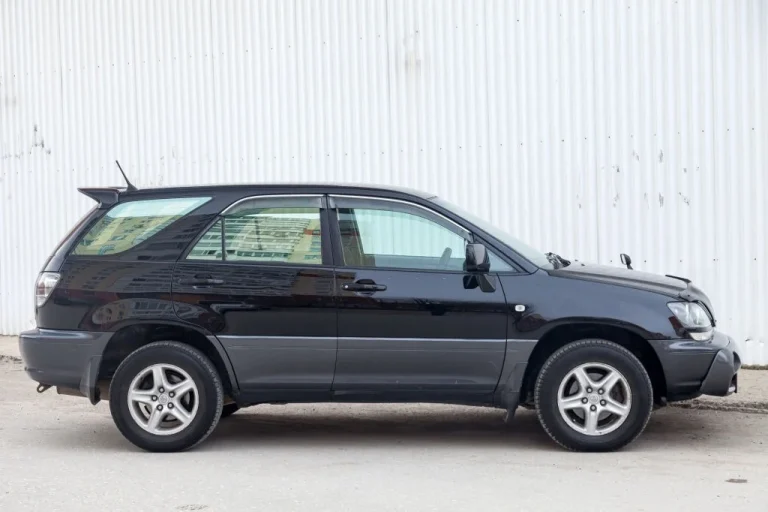
Toyota Matrix Clutch Replacement Cost: Your Complete Guide
📋 Table of Contents
- 🎯 Key Takeaways
- Breakdown of Typical Toyota Matrix Clutch Replacement Costs
- Key Factors Influencing Clutch Replacement Pricing (Parts & Labor)
- Recognizing the Signs Your Toyota Matrix Clutch Needs Replacing
- Practical Tips for Saving Money on Your Clutch Replacement
- Conclusion
- 💬 Quick Questions & Answers
- ❓ Frequently Asked Questions
Toyota Matrix clutch replacement typically costs between $800 and $1,500, with variations depending on parts quality and local labor rates. This significant expense covers the clutch kit, essential related components, and several hours of specialized mechanic labor for transmission removal and reinstallation.
🎯 Key Takeaways
- Expect $800-$1500 for a Toyota Matrix clutch replacement.
- Labor is the largest component of total replacement cost.
- Always get multiple quotes to compare prices effectively.
- Consider flywheel resurfacing or replacement with the clutch.
- Proper driving habits extend your clutch’s lifespan significantly.
Do you own a manual transmission Toyota Matrix? There’s a special satisfaction in shifting your own gears, feeling that direct connection to the road. But what happens when that smooth, confident shift starts to feel a little… off? Perhaps your clutch pedal feels spongy, or your gears are grinding. If so, you might be facing the inevitable: a clutch replacement. It’s a significant maintenance item, and often a costly one.
Understanding the potential cost of a Toyota Matrix clutch replacement is crucial for any owner. This isn’t a small oil change; it’s a major repair that impacts your car’s drivability and safety. Knowing what to expect allows you to budget wisely, choose the right parts, and select a reliable mechanic. Let’s break down the expenses so you can approach this repair with confidence, not sticker shock.
Breakdown of Typical Toyota Matrix Clutch Replacement Costs
When your Toyota Matrix needs a new clutch, it’s important to understand the financial scope. This repair can range quite a bit depending on where you live and the parts you choose. Think of it as an investment in your car’s continued performance.

Overall Cost Range for Your Matrix
Generally, you can expect to pay anywhere from $800 to $1,600 or more for a Toyota Matrix clutch replacement. This range accounts for both parts and labor. Independent shops typically fall on the lower end, while dealerships often quote higher prices. Your specific location also plays a big role. Shops in metropolitan areas usually have higher labor rates than those in rural towns.
What’s Included in a Standard Clutch Replacement Estimate
A comprehensive clutch replacement estimate should cover several key components and services. Here’s what you’re typically paying for:
- Clutch Kit: This includes the clutch disc, pressure plate, and release (throw-out) bearing. These are the core components that wear out.
- Pilot Bearing/Bushing: A small but important bearing located at the end of the crankshaft.
- Flywheel Service: The flywheel often needs resurfacing or, in some cases, complete replacement if it’s too damaged.
- New Transmission Fluid: Since the transmission is removed, the fluid will be drained and replaced.
- Labor: This is the time it takes for the mechanic to remove and reinstall your transmission and replace the clutch components.
Sometimes, shops will recommend replacing the rear main seal or axle seals while everything is apart. This adds a little to the cost but can prevent future leaks and save you money down the road.
Key Factors Influencing Clutch Replacement Pricing (Parts & Labor)
The total bill for your Toyota Matrix clutch replacement isn’t a fixed number. Several key variables influence the final price. Understanding these factors can help you make informed decisions and potentially save money.
Parts Cost: OEM vs. Aftermarket Options
The type of parts you choose makes a significant difference in the total cost. You generally have two main options for your Matrix:
- OEM (Original Equipment Manufacturer) Parts: These are genuine Toyota parts. They offer guaranteed fitment and often come with a warranty. OEM parts are typically the most expensive option. A full OEM clutch kit might cost you $250-$400 or more just for parts.
- Aftermarket Parts: These are manufactured by third-party companies. Reputable aftermarket brands like Exedy, LUK, or Sachs offer high-quality clutch kits that meet or exceed OEM specifications. They are often more affordable, ranging from $150-$300 for a complete kit. Be wary of very cheap “no-name” brands, as quality can be inconsistent.
Consider your car’s age and your budget. For an older Matrix, a quality aftermarket kit often provides excellent value. For a newer model or if you plan to keep your car for many more years, OEM might offer extra peace of mind.
Labor Rates and Shop Type
Labor is a significant portion of your clutch replacement cost. The hourly rate and the type of shop you choose heavily impact this expense. Clutch replacement is a time-consuming job, typically requiring 6 to 8 hours of labor for a front-wheel-drive vehicle like the Matrix.
- Independent Mechanics: These shops usually have lower hourly labor rates, often ranging from $80 to $120 per hour. They can offer a more personal touch and competitive pricing.
- Dealerships: Toyota dealerships typically have the highest labor rates, sometimes $130 to $180 per hour or more. While they specialize in Toyotas and use genuine parts, you will pay a premium for their services.
Location also influences labor rates. A shop in a large city will likely charge more per hour than one in a smaller town. Always get at least two or three quotes from different shops. Ask if they use a “flat rate” for clutch jobs (a set price for the labor, regardless of actual hours) or if they charge by the hour. A flat rate can give you more certainty about the labor cost.
Recognizing the Signs Your Toyota Matrix Clutch Needs Replacing
Understanding when your clutch is failing can save you from a complete breakdown and potentially more costly repairs. Your Toyota Matrix will usually give you clear indicators that its clutch is nearing the end of its lifespan.

Common Symptoms of a Worn Clutch
Pay close attention to how your Matrix feels and sounds when you’re driving. Early detection can prevent further damage to your transmission or flywheel.
- Slipping Clutch: This is perhaps the most common symptom. You’ll notice your engine RPMs increase when you accelerate, but your vehicle doesn’t speed up proportionally. It feels like the engine is revving without engaging the wheels fully, especially when going uphill or accelerating quickly.
- Difficulty Shifting Gears: If you find yourself struggling to shift into gear, or if gears grind when you try to engage them, your clutch might not be fully disengaging. This could also be accompanied by a stiff or sticky shift lever.
- Soft or Spongy Clutch Pedal: A clutch pedal that feels unusually soft, loose, or goes all the way to the floor with little resistance can indicate hydraulic issues or a worn clutch assembly. Conversely, a pedal that is excessively hard to push could also signal problems.
- Chattering or Shuddering: When you release the clutch pedal to engage a gear, particularly from a stop, you might feel a noticeable shudder or vibration through the car. This chattering indicates uneven engagement of the clutch disc.
- Burning Smell: A distinct burning odor, similar to burnt toast or rubber, often means the clutch material is overheating due to excessive slipping. This is a clear sign that the clutch is severely worn and needs immediate attention.
When to Seek Professional Advice
Don’t ignore these warning signs! While some minor symptoms might allow you to drive for a short period, a failing clutch will eventually leave you stranded. If you experience any of the above, it’s best to have your Toyota Matrix inspected by a qualified mechanic. Early diagnosis can often confirm if it’s the clutch or another component, allowing you to plan your repair proactively.
Practical Tips for Saving Money on Your Clutch Replacement
While a clutch replacement is a significant expense, there are smart strategies you can employ to manage the cost without compromising on quality or safety.
DIY vs. Professional Installation Considerations
Deciding who performs the work can greatly impact your budget. Here’s what to consider:
- DIY (Do-It-Yourself): If you possess advanced mechanical skills, specialized tools (like a transmission jack and clutch alignment tool), and a dedicated workspace, performing the replacement yourself can save you hundreds of dollars in labor costs. However, it’s a complex and labor-intensive job. Incorrect installation can lead to immediate failure of new parts or damage to other components, potentially costing more in the long run.
- Professional Installation: For most Matrix owners, professional installation is the recommended route. It ensures the job is done correctly, often comes with a warranty on parts and labor, and provides peace of mind. To save money here, seek multiple quotes from reputable shops. Look for mechanics specializing in manual transmissions or those with good reviews specifically for clutch work. Independent garages often have lower labor rates than dealerships.
Smart Parts Sourcing and Maintenance Habits
The cost of parts is a major factor. Be strategic about what you buy and how you drive.
- Choose Your Parts Wisely:
- Aftermarket vs. OEM: Original Equipment Manufacturer (OEM) parts are guaranteed to fit and perform to Toyota’s standards but are generally more expensive. Quality aftermarket clutch kits from reputable brands (like Exedy, LuK, or Sachs) can offer significant savings without sacrificing durability. These kits usually include the clutch disc, pressure plate, throw-out bearing, and pilot bearing – often a better value than buying components separately.
- Reputable Suppliers: Purchase parts from trusted auto parts stores or online retailers with good return policies. Avoid no-name brands that promise unrealistic savings.
- Adopt Clutch-Friendly Driving Habits: The best way to save money on a clutch replacement is to extend the life of your current one.
- Avoid “Riding the Clutch”: Don’t rest your foot on the clutch pedal while driving, as even slight pressure can cause premature wear.
- Shift Smoothly: Engage and disengage the clutch smoothly and completely. Avoid abrupt shifts or “dumping” the clutch.
- Use Neutral at Stops: When stopped for more than a few seconds, shift into neutral and release the clutch pedal rather than holding the clutch in.
- Minimize Clutch Slippage: Avoid using the clutch to hold your car on a hill; use the handbrake instead.
Conclusion
A Toyota Matrix clutch replacement is a significant maintenance item, but by understanding the factors influencing the cost, recognizing early warning signs, and implementing smart savings strategies, you can approach it with confidence. Whether you opt for OEM or quality aftermarket parts, and choose a professional installation or tackle it yourself, being informed is your best tool. Don’t delay addressing clutch issues, as timely repairs can prevent more extensive and costly damage to your transmission. Get multiple quotes, address symptoms early, and drive confidently, knowing your Toyota Matrix is in top shape for many more miles to come.
💬 Quick Questions & Answers
What’s the average cost for a Toyota Matrix clutch replacement?
The average cost typically ranges from $800 to $1,500, varying based on parts and labor rates.
How many hours of labor does a clutch replacement usually take?
Mechanics typically charge for 4 to 8 hours of labor to replace a Toyota Matrix clutch.
Is it always necessary to replace the flywheel with the clutch?
While not always necessary, it’s highly recommended to at least resurface or replace the flywheel for optimal clutch performance and longevity.
Can I use an aftermarket clutch kit to save money?
Yes, aftermarket clutch kits can be more affordable than OEM, but ensure they are from a reputable brand for reliability.
What are the first signs of a failing clutch?
Common signs include a slipping clutch, difficulty shifting gears, or a burning smell, especially under acceleration.
❓ Frequently Asked Questions
What components are typically replaced during a Toyota Matrix clutch job?
A standard clutch replacement usually includes the clutch disc, pressure plate, throw-out bearing, and pilot bearing. It’s also highly recommended to inspect, and potentially resurface or replace, the flywheel for best results.
Why is the labor cost for a clutch replacement so high for a Toyota Matrix?
The high labor cost stems from the intensive process required to access the clutch. This involves removing the transmission, which is a complex, time-consuming task requiring specialized tools and expertise to perform correctly.
What’s the difference between OEM and aftermarket clutch kits for my Toyota Matrix?
OEM (Original Equipment Manufacturer) kits ensure a perfect fit and performance identical to factory specifications, often at a higher price. Aftermarket kits vary in quality and price, some offering performance upgrades, while others focus on cost-effectiveness, but fitment and durability can vary.
How can I extend the life of my Toyota Matrix clutch after replacement?
To extend clutch life, practice smooth engagement, avoid riding the clutch pedal, don’t rest your hand on the shifter, and minimize aggressive acceleration. Proper driving habits significantly impact clutch longevity.
Are there any other related repairs I should consider when replacing the clutch?
When the transmission is out, it’s an opportune time to inspect the rear main seal for leaks, check the transmission fluid, and potentially replace the transmission input shaft seal. Addressing these proactively can save on future labor costs.
What are the potential risks of delaying a Toyota Matrix clutch replacement?
Delaying clutch replacement can lead to complete clutch failure, leaving you stranded. It can also cause excessive wear on the flywheel, potentially requiring a more expensive replacement, and might even damage transmission components if not addressed promptly.