2014 Chevy Cruze Turbo Replacement Cost: Full Guide
📋 Table of Contents
- 🎯 Key Takeaways
- Understanding 2014 Chevy Cruze Turbo Replacement Cost Factors
- Common Symptoms of a Failing 2014 Cruze Turbocharger
- OEM vs. Aftermarket Turbos: Cost, Quality, and Warranty
- Professional Repair vs. DIY: What to Expect and When to Choose
- The Bottom Line: Making an Informed Decision
- 💬 Quick Questions & Answers
- ❓ Frequently Asked Questions
Replacing the turbocharger in a 2014 Chevy Cruze can be a significant expense, typically ranging from $1,200 to $2,500+ depending on parts and labor. Early diagnosis and choosing the right parts are key to managing costs effectively. Weigh professional service against complex DIY options.
🎯 Key Takeaways
- Expect $1,200-$2,500+ for parts and labor.
- Get multiple repair quotes to compare pricing.
- Address turbo issues promptly to prevent further damage.
- Aftermarket turbos can save money, but verify quality.
- DIY replacement is complex; consider labor savings vs. risk.
The thought of your car breaking down is never fun, especially when it involves a major component like a turbocharger. If you own a 2014 Chevy Cruze, you might already know that the 1.4L turbocharged engine is a common variant. While turbochargers boost performance, they can also be a source of significant repair costs if they fail. Understanding these costs upfront can save you stress and money.
A failing turbo can quickly turn your reliable daily driver into a sidelined vehicle. This guide will walk you through everything you need to know about 2014 Chevy Cruze turbo replacement costs. We’ll cover the factors influencing the price, common symptoms to watch for, and how to make an informed decision. Get ready to understand your options and keep your Cruze running smoothly.
Understanding 2014 Chevy Cruze Turbo Replacement Cost Factors
When your 2014 Chevy Cruze turbo needs replacing, the final bill can vary quite a bit. Several key factors influence the overall cost. Knowing these elements will help you prepare and budget effectively for the repair.
Parts Cost: OEM vs. Aftermarket vs. Remanufactured
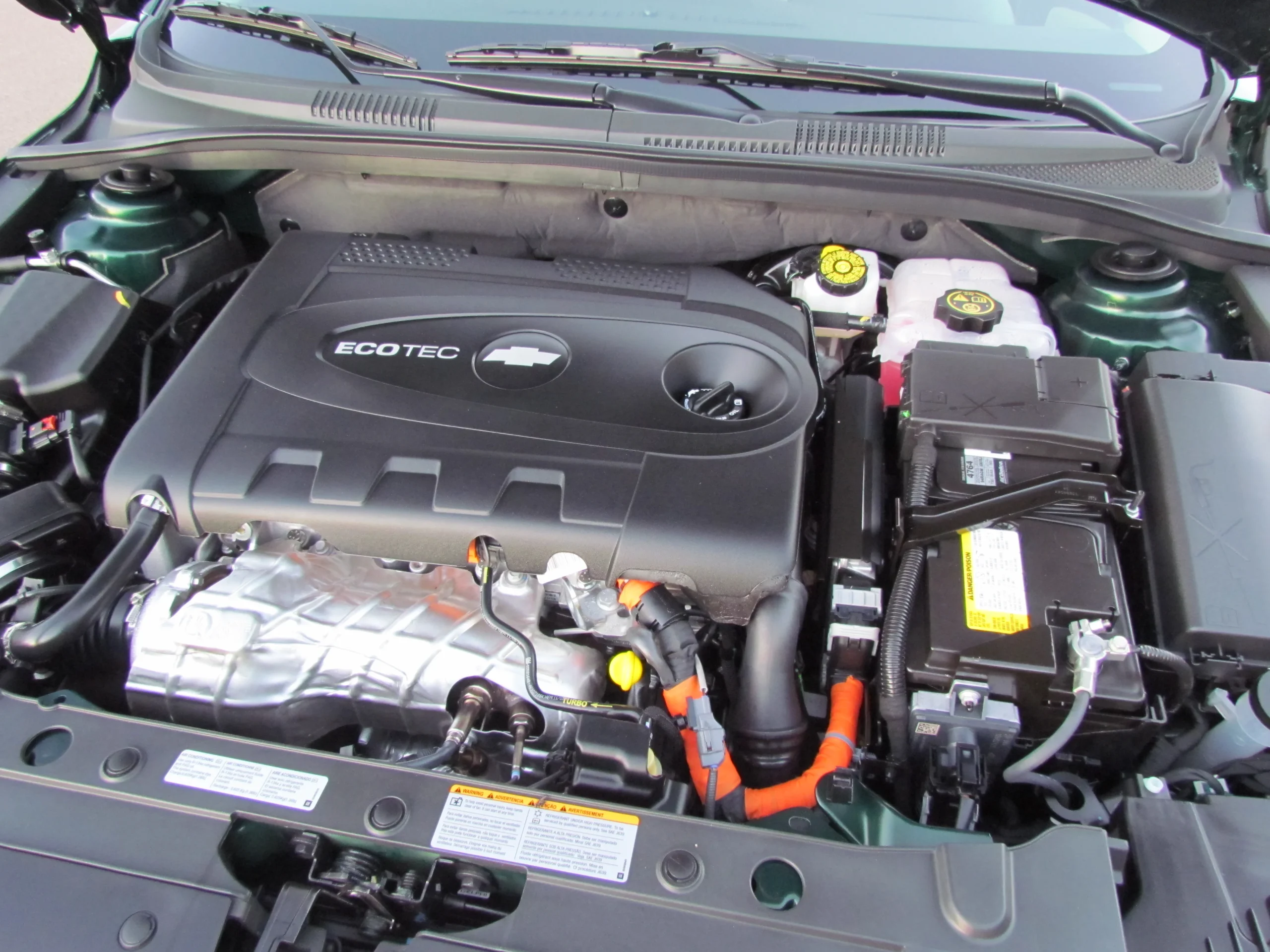
The type of turbocharger you choose is a major cost driver. An Original Equipment Manufacturer (OEM) turbo will be the most expensive option. These are identical to what came with your car from the factory. Aftermarket turbos are often more affordable, made by third-party companies. Quality can vary, so research is crucial. Remanufactured turbos offer a middle ground. These are used units rebuilt to factory specifications. They are typically cheaper than new OEM parts but offer good reliability. For your 2014 Cruze, an OEM turbo can range from $500 to $900 or more, while aftermarket or remanufactured options might be $300 to $700.
Labor Costs and Shop Rates
Labor is another significant part of the replacement cost. Turbo replacement is not a quick job. It requires disassembling several components to access the turbocharger, which is usually located near the exhaust manifold. Expect several hours of labor. Shop rates vary widely based on location and the type of repair facility. Dealerships usually charge the highest rates, often between $120 to $180 per hour. Independent shops might be $80 to $120 per hour. A specialized performance shop could also have unique rates. Always get a detailed quote that breaks down parts and labor separately.
Common Symptoms of a Failing 2014 Cruze Turbocharger
Detecting a failing turbocharger early can prevent further damage and potentially higher repair costs. Your 2014 Chevy Cruze will likely give you some clear warning signs if its turbo is on its way out. Pay close attention to these indicators to catch issues before they escalate.
Reduced Engine Performance and Unusual Noises
One of the most noticeable symptoms of a failing turbo is a significant drop in your car’s performance. You might experience sluggish acceleration or a noticeable lack of power when you press the gas pedal. This is often referred to as “turbo lag” or a general feeling that your engine isn’t as responsive as it used to be. Another clear sign is unusual noises coming from the engine bay. Listen for a distinct whining or screeching sound that increases in pitch as you accelerate. This sound often indicates worn bearings within the turbocharger, which can lead to complete failure if ignored.
Exhaust Smoke and Check Engine Light
Another common symptom involves changes in your exhaust. If your turbocharger’s seals fail, engine oil can leak into the exhaust system, causing visible smoke from the tailpipe. This smoke is typically blue or gray. You might also notice a burning oil smell. Furthermore, a failing turbocharger often triggers your Check Engine Light (CEL). Your car’s onboard diagnostics system can detect issues with boost pressure, air-fuel mixture, or other related components, illuminating the warning light. If your CEL comes on, it’s always best to have your car diagnosed by a professional using an OBD-II scanner to pinpoint the exact problem.
OEM vs. Aftermarket Turbos: Cost, Quality, and Warranty
When facing a turbo replacement, one of the biggest decisions is choosing between an Original Equipment Manufacturer (OEM) part and an aftermarket alternative. This choice significantly impacts both your upfront cost and the long-term reliability of your 2014 Chevy Cruze.
The Price Difference
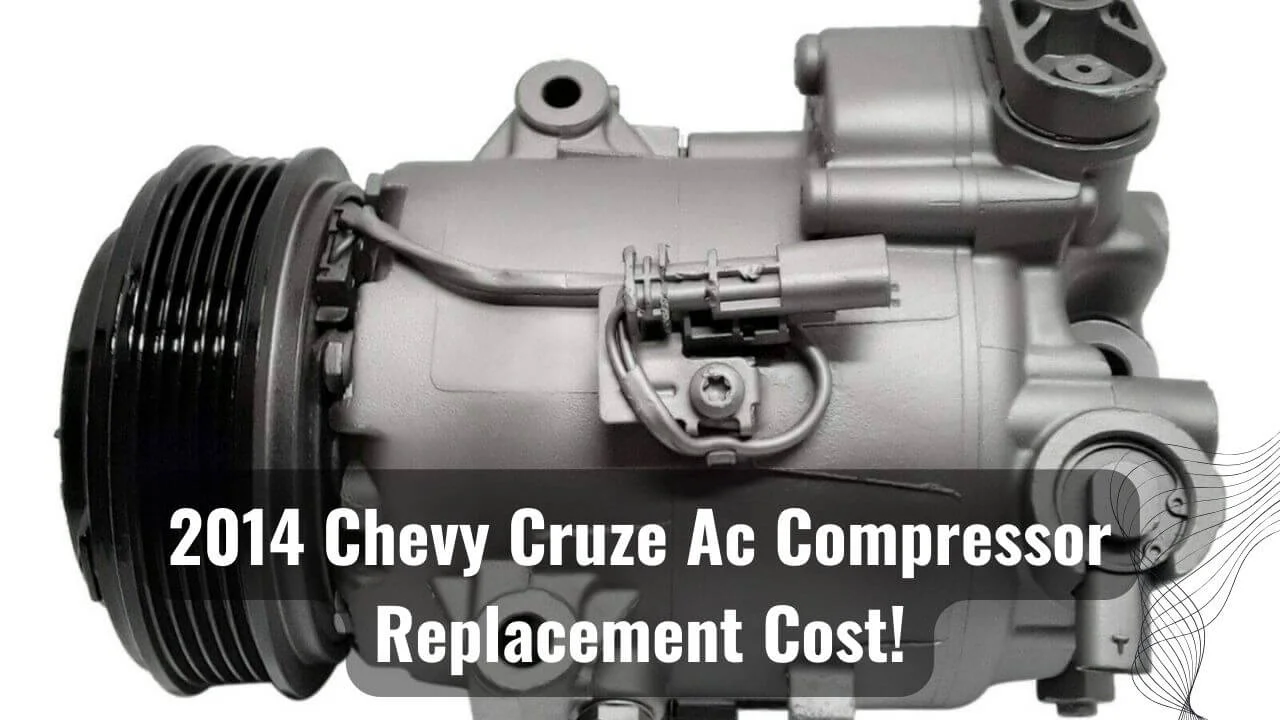
OEM turbos, purchased directly from Chevrolet or a certified dealer, offer the assurance of being an exact match for your vehicle. However, this precision comes at a premium. Expect an OEM turbo for your Cruze to cost anywhere from $700 to $1,200 for the part alone. Aftermarket turbos, on the other hand, cast a much wider net. You can find options ranging from budget-friendly $300-$500 units to higher-quality replacements from reputable brands like Garrett or BorgWarner, which might still be cheaper than OEM, typically in the $500-$800 range. There are also remanufactured or rebuilt turbos which can offer a cost-effective middle ground, usually starting around $400.
Quality, Longevity, and Warranty Considerations
The “you get what you pay for” adage often holds true with turbochargers. An OEM turbo guarantees the original design specifications, materials, and rigorous testing from Chevrolet, typically backed by a 12-month or 12,000-mile warranty on the part itself. Aftermarket parts vary drastically in quality. While some reputable brands produce excellent turbos that meet or even exceed OEM specifications, many cheaper options can suffer from poor manufacturing, inferior materials, or design flaws. This can lead to premature failure, fitment issues, or even damage to other engine components. A non-branded, super-cheap turbo from an unknown online seller might save you $400 initially, but if it fails in six months, you’re paying for labor again and potentially another turbo. Always research aftermarket brands thoroughly, read reviews, and check their warranty terms, which can range from 3 months to a year, often with more restrictive conditions than OEM.
Professional Repair vs. DIY: What to Expect and When to Choose
Once you’ve decided on a turbo, the next hurdle is the installation. This is where the labor costs come in, turning a $500 part into a multi-thousand-dollar repair. Your options range from a full-service professional garage to tackling the job yourself, each with its own set of pros and cons.
The Professional Approach: Peace of Mind
Opting for a professional repair means entrusting your Cruze to trained mechanics with specialized tools and experience. This is typically the easiest and most reliable route for most car owners. A professional repair usually includes a warranty on both parts and labor, providing significant peace of mind. Dealerships often charge higher labor rates ($120-$160 per hour) and typically use OEM parts, while independent shops might offer slightly lower rates ($80-$120 per hour) and may be more flexible with installing aftermarket parts you supply. The total cost for a professional job, including parts and labor, generally falls within the $1,200 to $2,500 range, depending on the chosen turbo and shop rates. They handle everything from diagnosis to post-installation checks, ensuring proper function and preventing common pitfalls.
Tackling it Yourself: A Challenging but Rewarding Task
Replacing a turbo on a 2014 Chevy Cruze is not for the faint of heart or the novice mechanic. It’s a complex job that requires significant mechanical aptitude, a good set of tools, and plenty of patience. If you have solid experience working on engines, access to a lift or sturdy jack stands, and a detailed service manual, you could potentially save $500-$1,200 in labor costs. Here’s what a DIY approach entails:
- Assess your skill level: This involves removing various engine components, dealing with coolant and oil lines, and reaching fasteners in tight spaces.
- Gather specialized tools: Beyond standard wrenches, you’ll likely need E-torx sockets, torque wrenches, and possibly an exhaust manifold gasket scraper.
- Budget time: Expect to spend anywhere from 8 to 16 hours, potentially more if it’s your first time or you encounter seized bolts.
- Prepare for complications: Rust, broken studs, and difficult-to-access clamps are common.
- Crucial post-installation steps: Proper prime of the new turbo with oil, changing the engine oil and filter, and a careful break-in procedure are vital to prevent immediate failure.
Failure to properly install the turbo can lead to immediate damage to the new component or even your engine, potentially costing far more than you saved.
The Bottom Line: Making an Informed Decision
Replacing the turbo on your 2014 Chevy Cruze is a significant repair, but understanding the factors involved can help you navigate the process confidently. Costs can range dramatically, from potentially under $1,000 for a skilled DIYer using an aftermarket part, to over $2,500 for a dealership-installed OEM unit. Your choice will largely depend on your budget, your mechanical expertise, and your desired level of reliability.
To make the best decision for your situation, we recommend two key steps: first, get multiple quotes from local reputable mechanics, detailing both OEM and quality aftermarket options. Second, honestly assess your own mechanical capabilities before attempting a DIY replacement. Investing in quality parts and professional installation often pays off in the long run, ensuring your Cruze stays on the road reliably for years to come. Don’t let a turbo issue leave you stranded; make an informed choice today!
💬 Quick Questions & Answers
What is the average cost to replace a 2014 Chevy Cruze turbo?
The average cost typically ranges from $1,200 to $2,500, including both parts and labor, but can vary by location and shop.
How long does a 2014 Chevy Cruze turbo replacement take?
A professional mechanic usually takes 4-8 hours for turbo replacement, though this can vary based on experience and specific vehicle conditions.
Can I drive my 2014 Cruze with a bad turbo?
While technically possible for a short distance, driving with a failing turbo is not recommended as it can cause further engine damage and reduce performance and fuel economy.
What are common reasons for 2014 Cruze turbo failure?
Lack of proper oil changes, low oil pressure, foreign object damage, and excessive heat are common culprits leading to turbocharger failure.
Are there cheaper alternatives to full turbo replacement?
Sometimes, a turbo rebuild kit is an option if only certain components are damaged, but a full replacement is often recommended for reliability and warranty.
❓ Frequently Asked Questions
What’s the typical range for parts and labor for a 2014 Chevy Cruze turbo replacement?
For a 2014 Chevy Cruze, expect parts to cost between $500 and $1,500, with labor adding another $400 to $1,000. These figures can fluctuate significantly based on whether you choose OEM, aftermarket, or remanufactured parts and the shop’s hourly rate.
What are the signs my 2014 Chevy Cruze turbo is failing, and how critical is immediate repair?
Key signs include loss of power, strange whining or whistling noises, excessive smoke from the exhaust (blue/white), and a ‘Check Engine’ light. Immediate repair is critical because a failing turbo can introduce metal fragments into the engine, leading to more extensive and costly damage.
What’s the difference in cost and reliability between OEM and aftermarket turbochargers for my Cruze?
OEM (Original Equipment Manufacturer) turbos generally offer guaranteed fit and reliability but are more expensive. Aftermarket options are typically 30-50% cheaper, but their quality and longevity can vary widely; research reputable brands for best results.
How can I extend the life of my new turbocharger after replacement?
To extend your new turbo’s life, ensure regular oil changes with the correct synthetic oil, allow the engine to warm up before driving hard, and let it cool down for a minute before shutting off after vigorous driving. These practices maintain proper lubrication and prevent premature wear.
What are the potential risks of delaying a 2014 Chevy Cruze turbo replacement?
Delaying replacement can lead to severe engine damage, including scoring cylinder walls, damaging catalytic converters due to unburnt oil, and even engine seizure. The repair costs will escalate dramatically beyond just the turbo replacement if other components are affected.
Is it possible to rebuild a turbocharger instead of replacing it entirely, and is it cost-effective for a 2014 Cruze?
Yes, rebuilding is an option if the housing is intact and only internal components like bearings or seals are worn. While potentially cheaper than a new unit, a rebuild requires specialized tools and expertise, and its cost-effectiveness depends on the extent of damage and local labor rates. For a 2014 Cruze, a complete replacement often offers better peace of mind regarding long-term reliability.